
Global Collabs: How African Influencer Collaborations Are Rewriting Music, Fashion and Film
African influencer collaborations with global stars are reshaping music, fashion and film. Discover how these cross-border partnerships boost local talent, transform Africa’s image and unlock powerful new digital revenue streams for creators and brands.
Global Collabs: Why African Influencer Collaborations Matter Now
You are living through a creative shift where African influencer collaborations are no longer a trend, but a new global standard. International stars, fashion houses, and film studios now actively seek African creators for fresh stories, bold visuals, and direct access to young digital audiences. Consequently, every new collab rewrites how the world sees African talent and how African creators earn, grow, and scale.
Moreover, these partnerships go far beyond glossy social media moments. They drive new revenue streams, build regional fanbases, and help creators move from viral fame to structured businesses. As a result, if you work in music, fashion, film, or tech, understanding this collaboration wave is now a strategic advantage, not just entertainment gossip.
Furthermore, global brands finally admit what African fans have known for years: the continent sits at the center of culture. Afrobeats tops charts, Amapiano fills clubs from Lagos to London, and African designers influence runways in Paris and Milan. Therefore, the real question is simple: how do you position yourself to benefit from this surge in cross-border partnerships?
The New Era of African Influencer Collaborations in Music
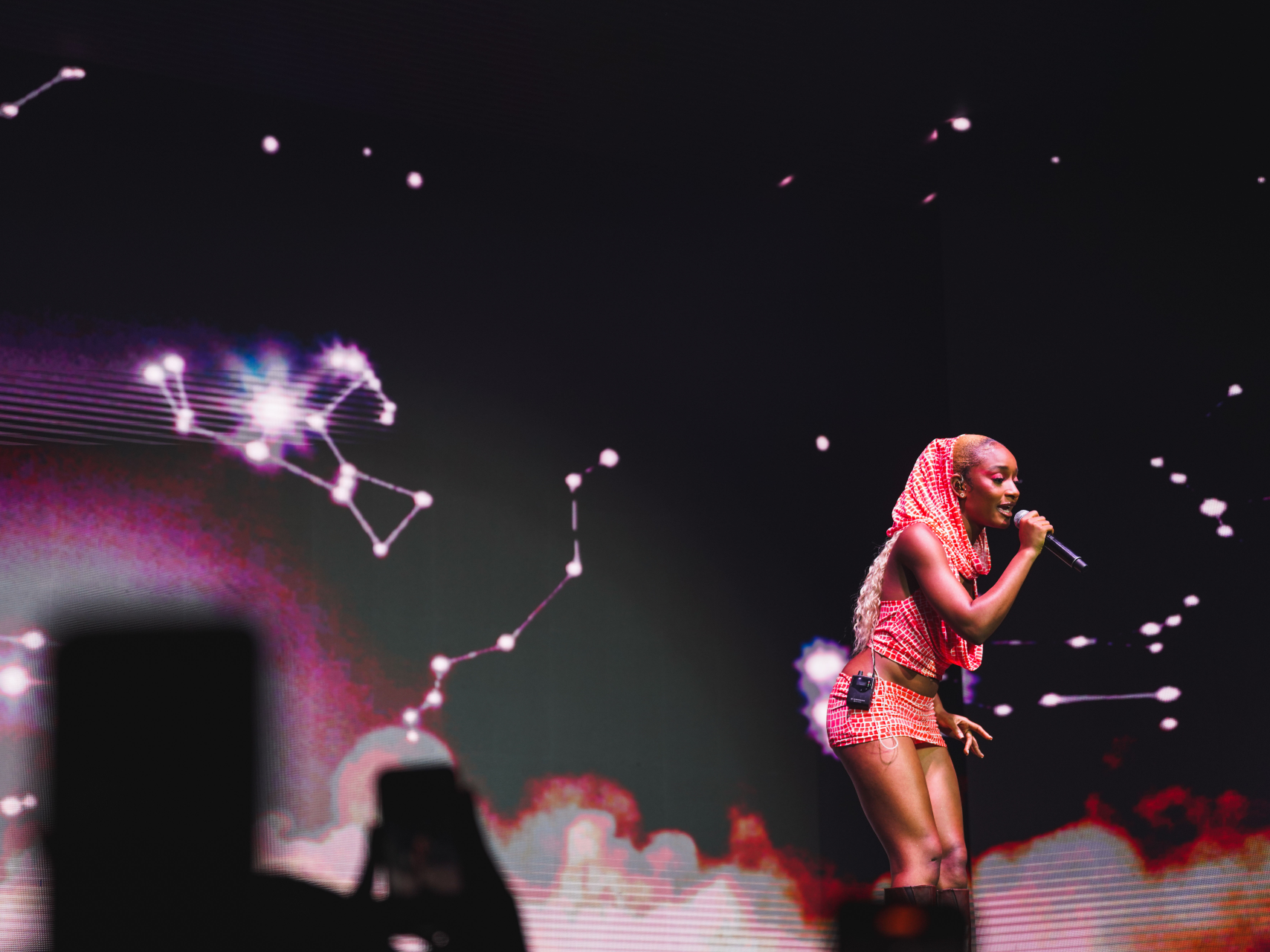
In music, African influencer collaborations now shape global sound, style, and storytelling. Burna Boy sells out stadiums across Europe and the US, while Tems, Tyla, and Rema dominate global charts and playlists. Additionally, streaming platforms and labels treat African markets as priority hubs, not afterthoughts, driving more strategic partnerships with local creators and influencers.
For instance, the success of Afrobeats and Amapiano has encouraged international artists to feature African stars on their singles and remixes. As a result, artists unlock new audiences on both sides, while influencers around them gain content, backstage access, and branded deals linked to each release. Importantly, this creates a flywheel where music promotion, influencer content, and brand sponsorships all feed each other.
According to regional marketing leaders, African artists and their teams now build multiple income streams around each collaboration, including touring, merch, brand campaigns, and sync deals for film and TV.[2] Consequently, collaborations become full business plays, not just feature verses or guest appearances.
Key Music Collabs Putting African Creators on Global Stages
Notably, several high-profile collaborations have set the tone for this new era. Each one shows how music, influencer culture, and brand money now move together across borders. When you study them, you see clear patterns you can use to plan your own partnerships.
- Burna Boy x global festival circuits – Regular headline slots at major festivals give African videographers, stylists, and content creators behind him international exposure and portfolio credits.
- Wizkid x global fashion and luxury brands – Music videos and campaigns attract fashion houses, which in turn tap Nigerian and pan-African influencers for roll-out content.
- Amapiano DJs x European club scenes – South African DJs touring Europe often bring local content creators on the road, turning tour moments into viral TikToks and Reels.
Furthermore, digital-first platforms such as Audiomack and Boomplay invest in African showcases, playlists, and creator programs.[2][4] Consequently, musicians and influencers now build regional and global momentum at the same time, instead of waiting for traditional gatekeepers.
Fashion and Luxury: When Global Brands Tap African Influencer Collaborations
In fashion, international brands no longer treat Africa as a side market. Instead, they build deliberate campaigns centered on African creators, stylists, photographers, and digital storytellers. As a result, African influencer collaborations now sit at the heart of luxury rollouts, capsule collections, and major brand launches.
Moreover, African fashion weeks in Lagos, Johannesburg, Dakar, and Nairobi attract global buyers, celebrities, and editors every year. These events give influencers runway seats, backstage access, and brand interviews that become premium content. Consequently, a single fashion week often leads to months of international partnerships for the most visible creators.
According to creative economy analysts, African designers and influencers now drive global trends in streetwear, beauty, and sustainable fashion.[1] Therefore, when brands want fresh ideas, they increasingly turn to African collaborators to design, style, and promote entire lines.
How Fashion Collabs Boost African Creators and Local Scenes
Fashion collaborations with African creators bring two types of value: visibility and infrastructure. Visibility includes international press, content reach, and social proof. However, infrastructure matters even more, because it builds long-term income and industry skills.
- Capsule collections – Influencers co-design drops with global or African brands, earning revenue shares and design credits that strengthen their long-term careers.
- Brand ambassador roles – Creators sign year-long deals that include campaigns, appearances, and content, giving them stable earnings and wider media exposure.
- Fashion-tech partnerships – African startups build e-commerce and logistics layers that help influencers sell fashion and merch across the continent and into the diaspora.
Furthermore, when creators collaborate with global houses, they often insist on spotlighting local tailors, photographers, and glam teams. As a result, money circulates within African creative ecosystems instead of leaking out. Importantly, this helps build sustainable businesses around each influencer brand.
For more insight into how global creative industries now view Africa, you can explore research from the Atlantic Council, which highlights the continent's growing cultural influence.[1]
Film, Streaming and the Rise of African Creator Storytelling
Meanwhile, streaming platforms and film studios are racing to work with African storytellers, directors, and on-screen influencers. Netflix, Prime Video, Showmax, and others continue to invest in original African series and films, driving new waves of global attention. Consequently, African creatives no longer need to relocate to tell global stories.
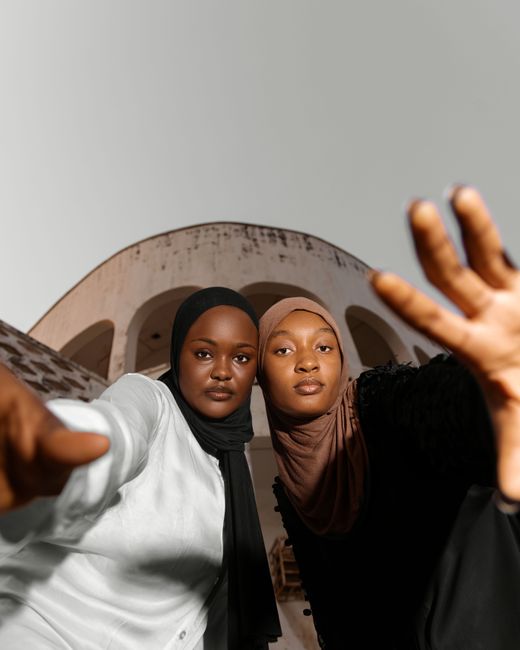
Additionally, many of these projects place popular digital creators alongside established actors. Influencers bring built-in audiences and social buzz, while studios provide budgets, mentorship, and distribution. As a result, creators expand their brands from social media to film, while production houses tap fans who already trust these voices.
According to industry reports, Africa's film and audiovisual sector already generates billions of dollars and millions of jobs, with huge room for growth.[1] Therefore, every new collaboration between international studios and African creators builds not only content, but also training pipelines for writers, editors, and animators.
Cross-Border Film and Content Partnerships to Watch
Several trends now define international film collaborations with African creators. If you create content, these trends show where platforms and investors are paying attention right now.
- Co-produced series that blend African settings with global storylines, bringing African showrunners and writers into international writers' rooms.
- Docu-style content following African athletes, musicians, and designers, using influencers as hosts and narrators to reach digital-first fans.
- Creator-led anthologies where short films or episodes come from emerging African filmmakers and YouTubers, backed by global streaming budgets.
Moreover, as short-form platforms like TikTok, YouTube Shorts, and Instagram Reels grow, many film collaborations now start as digital experiments. A successful short can become a series, a documentary, or a brand-funded franchise. Therefore, your next viral clip could be the pilot episode for a much bigger story.
To track broader shifts in African film and content strategy, you can follow reports from bodies like UNESCO, which often highlight creative economy growth and opportunities.
How African Influencer Collaborations Create New Digital Revenue Streams
At the center of this transformation sit new business models. African influencer collaborations now unlock income far beyond standard sponsored posts. Instead, creators build full ecosystems of digital products, services, and partnerships around their personal brands.
Importantly, industry experts emphasize the need for African artists and creators to develop multiple revenue streams, from merch and brand deals to entertainment services and creative consulting.[2][4] Consequently, today's smart creator thinks like a startup founder, not just a performer or influencer.
Furthermore, as payment platforms, fintech apps, and local marketplaces expand, it becomes easier for fans across Africa and the diaspora to pay creators directly. Therefore, collaborations that once relied on global middlemen now scale faster and more transparently.
Five Revenue Streams Every African Creator Should Explore
If you are serious about building a sustainable career with global collaborations, you need clear revenue lines. The strongest African creators typically mix several of the following streams.
- Brand partnerships and ambassador deals – Long-term collaborations with fashion, tech, beauty, sports, and entertainment brands that value your audience and voice.[3]
- Merch and fashion capsules – Co-branded clothing, accessories, or lifestyle products, sold through e-commerce and pop-ups, often in partnership with African startups.[2]
- Digital content monetization – YouTube revenue, platform bonuses, live streams, and paid communities built around exclusive content.[4]
- Licensing and sync – Music, images, or short films licensed for use in ads, games, or streaming projects worldwide.
- Education and consulting – Paid courses, workshops, or strategic consulting for brands that want to reach African Gen Z and millennial audiences.
Additionally, you should treat data as a revenue enabler. Knowing your audience demographics, locations, and interests helps you price collaborations correctly and pitch the right brands.[3] As a result, you negotiate from a stronger position and build deals that match both your value and your values.
For deeper insight into structuring influencer collaborations from a brand perspective, you can explore guides like this one from Backstage, which breaks down goals, budgets, and models.[3]
Tech Startups Powering the Collaboration Ecosystem
Behind the scenes, African tech startups quietly power many of the most successful African influencer collaborations. Payment gateways, creator marketplaces, data tools, and digital studios all play critical roles. Consequently, the line between "influencer" and "tech founder" keeps getting thinner.
Moreover, startups in fintech, logistics, and e-commerce make it easier to sell merch, tickets, and digital products across borders. They reduce friction around currency, shipping, and customer support. As a result, collaborations quickly move from ideas on Instagram to full cross-country campaigns with clear revenue.
In addition, creative-tech platforms help match brands with the right African creators based on audience fit and content style. This focus on data and alignment mirrors global best practices in influencer marketing.[3] Therefore, African creators who understand these tools gain a clear competitive edge.
What This Means for You as an African Creator or Brand
Ultimately, if you are a creator, you now have more control than ever over how you grow. If you are a brand, you have better tools to find and work with the right African partners. However, both sides need clear strategies to avoid short-term hype and build long-term value.
- Creators should invest in media kits, audience data, and basic legal support for contracts and IP rights.
- Brands should define goals, budgets, and target segments before approaching creators, and treat them as partners, not ad slots.[3]
- Startups should build products that simplify discovery, payments, analytics, and rights management for both creators and companies.
Furthermore, collaboration works best when both sides understand each other's constraints and ambitions. Therefore, you should approach every partnership with transparency, flexibility, and a clear roadmap for content, timelines, and results.
Spotlight: Rising African Content Creators to Watch in Global Collabs
Beyond the megastars, a new wave of African content creators is quietly shaping international culture. These are the influencers brands tap when they want authentic street insight, niche community trust, and fresh creative direction. Moreover, many of them operate across music, fashion, and film at the same time.
For instance, East African travel and lifestyle vloggers now co-create content with airlines and tourism boards, showcasing Nairobi, Zanzibar, Kigali, and Addis Ababa to global audiences. Meanwhile, Nigerian and South African fashion TikTokers drive trends that end up in global retail chains. Consequently, you no longer need ten million followers to join cross-border collaborations.
In particular, micro-influencers with strong regional audiences often deliver higher engagement and better conversion than some celebrities.[3] Therefore, smart brands now build multi-layer strategies that combine big names with niche community leaders, especially when entering new African markets.
How to Position Yourself for International Collaborations
If you want to move from local influence to global collaboration, you need a plan. Talent alone is not enough anymore. However, with a few practical steps, you can set yourself up for global-ready partnerships.
- Clarify your niche and story – Define what you stand for and who you create for, from music subgenres to fashion styles.
- Invest in consistent, high-quality content – Use your current tools well, optimise lighting and sound, and refine your editing style.
- Show your audience data – Maintain updated stats on followers, reach, and key markets to share in decks and emails.[3]
- Build a simple pitch deck – Introduce who you are, what you offer, your past collaborations, and the value brands receive.
- Network across borders – Join online communities, attend festivals, apply for creator programs, and respond professionally to inbound interest.
Additionally, you should think long-term. Instead of chasing every free product offer, prioritize collaborations that align with your values, audience, and growth plans. As a result, your brand stays coherent, and you attract higher-quality partners over time.
Explore More on Topping Africa
Want to deepen your understanding of Africa's creative and digital economy? Explore more stories, analysis, and creator spotlights across Topping Africa. Moreover, you can use these sections to discover new trends and case studies for your own strategy.
- Entertainment – In-depth coverage of African celebrities, music, film, and pop culture trends shaping the continent.
- Technology – Stories on African tech startups, creator tools, and digital platforms powering the new economy.
- Culture & Lifestyle – Features on fashion, lifestyle, and creative communities redefining Africa's global image.
Additionally, you can read more about business models and creative financing in our Business & Economy section, and explore fresh perspectives in Opinion & Editorial. Consequently, you will always stay ahead of the next big wave in global collaborations.
Action Steps: Turn Global Collabs into Long-Term Careers
As global culture shifts, African influencer collaborations give you a rare window of opportunity. Brands want authenticity, platforms want diverse stories, and audiences want new voices. Moreover, Africa now sits at the center of music, fashion, and digital storytelling.
Therefore, your next move matters. Start by tightening your niche, improving your content, and documenting your impact. In addition, build relationships with platforms, agencies, and startups that bridge African creators to global markets. As a result, you move from chasing trends to shaping them.
Finally, do not keep your insights to yourself. Share your thoughts, lessons, and questions with other creators and brands across the continent. Leave a comment below, share this piece with your network, and subscribe to stay updated on the next wave of global collaborations. Together, you can turn today's creative momentum into long-term, sustainable success for African creators everywhere.

Staff
Contributing writer at Topping Africa.
0 Comments
No comments yet. Be the first to share your thoughts!