From TikTok to Textbooks: African STEM Content Creators Making Science Cool Again

Across Africa, STEM creators on TikTok, Instagram, and YouTube are turning exams into engaging content. Discover how African STEM content creators help students prepare for WAEC, NECO, KCSE, and university while transforming influencer culture and education.
From TikTok To Textbooks: Why African STEM Content Creators Matter Now
Across Africa, a new wave of African STEM content creators is turning physics, chemistry, and calculus into binge-worthy content. On TikTok, Instagram, and YouTube, they mix skits, memes, and real experiments to make hard topics feel simple, fun, and relevant. Moreover, their videos now sit right next to your exam notes, helping you prep for WAEC, NECO, KCSE, and university entrance tests in a way that actually fits your life.
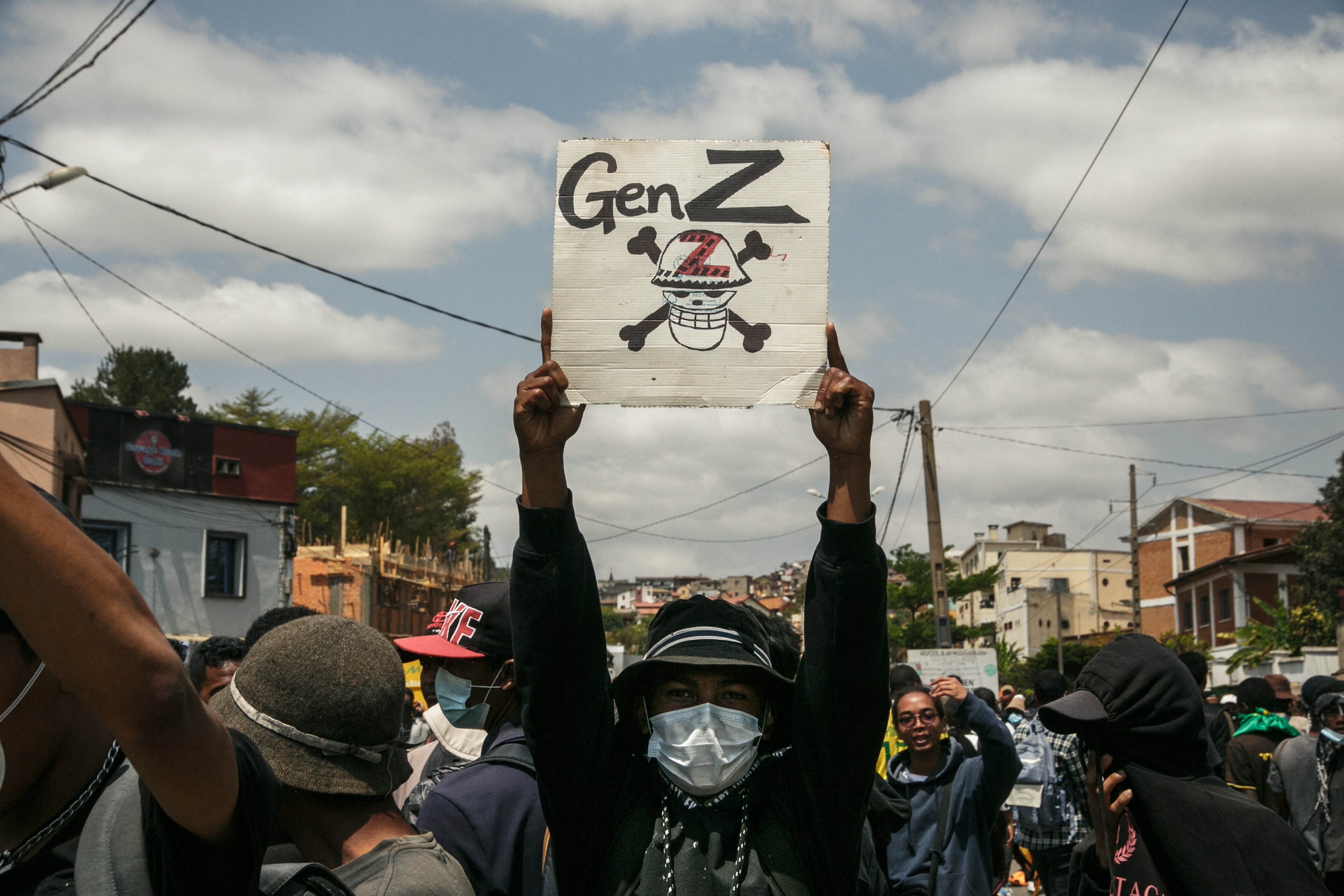
Importantly, this is bigger than just "study tips" or random hacks. These creators sit at the heart of Africa’s fast-growing influencer culture, where education and entertainment blend into one powerful format. Consequently, brands, edtech startups, schools, and even parents now treat their content as serious learning tools. If you care about the future of African innovation, you need to understand how this shift from TikTok to textbooks is changing how Gen Z learns STEM.
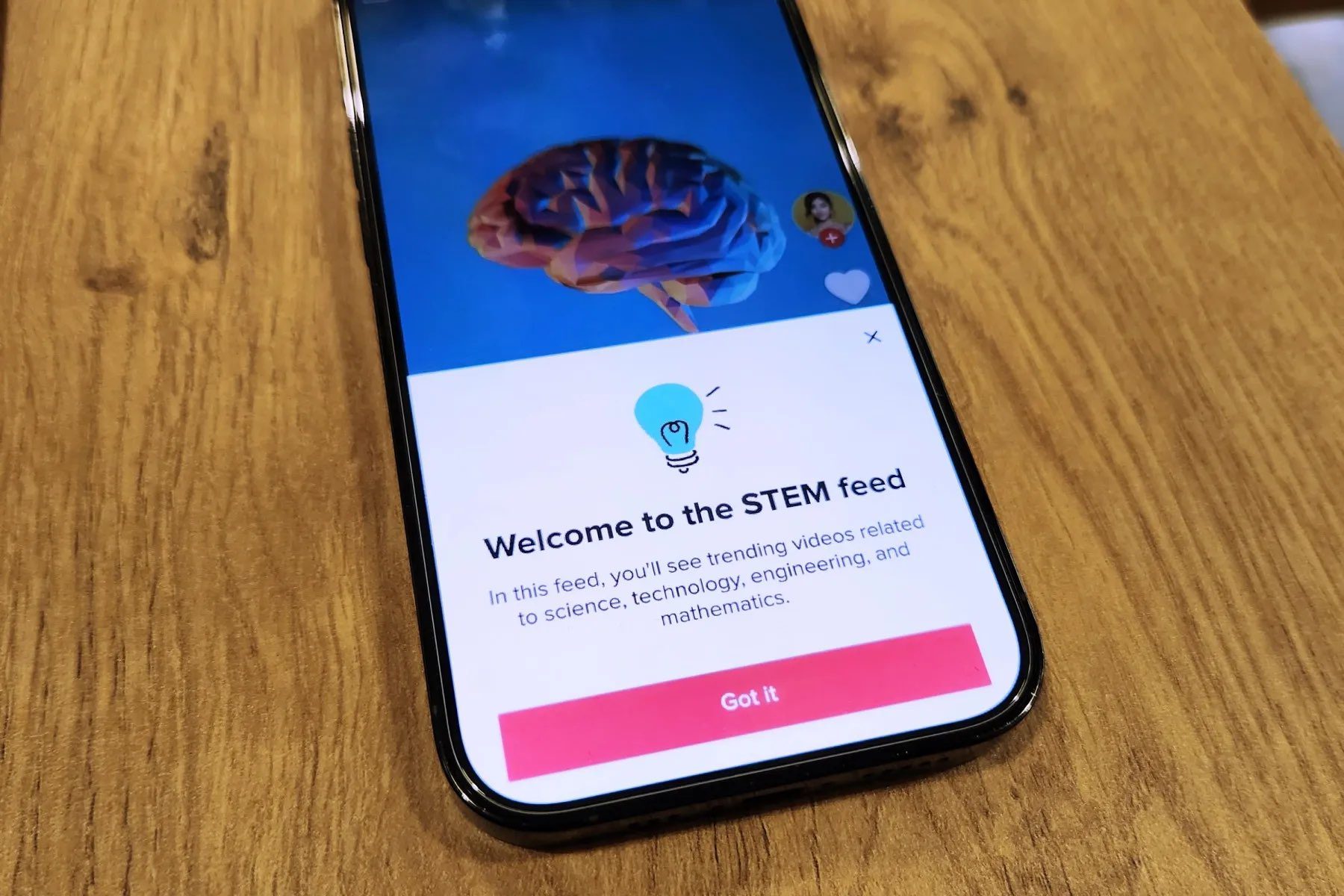
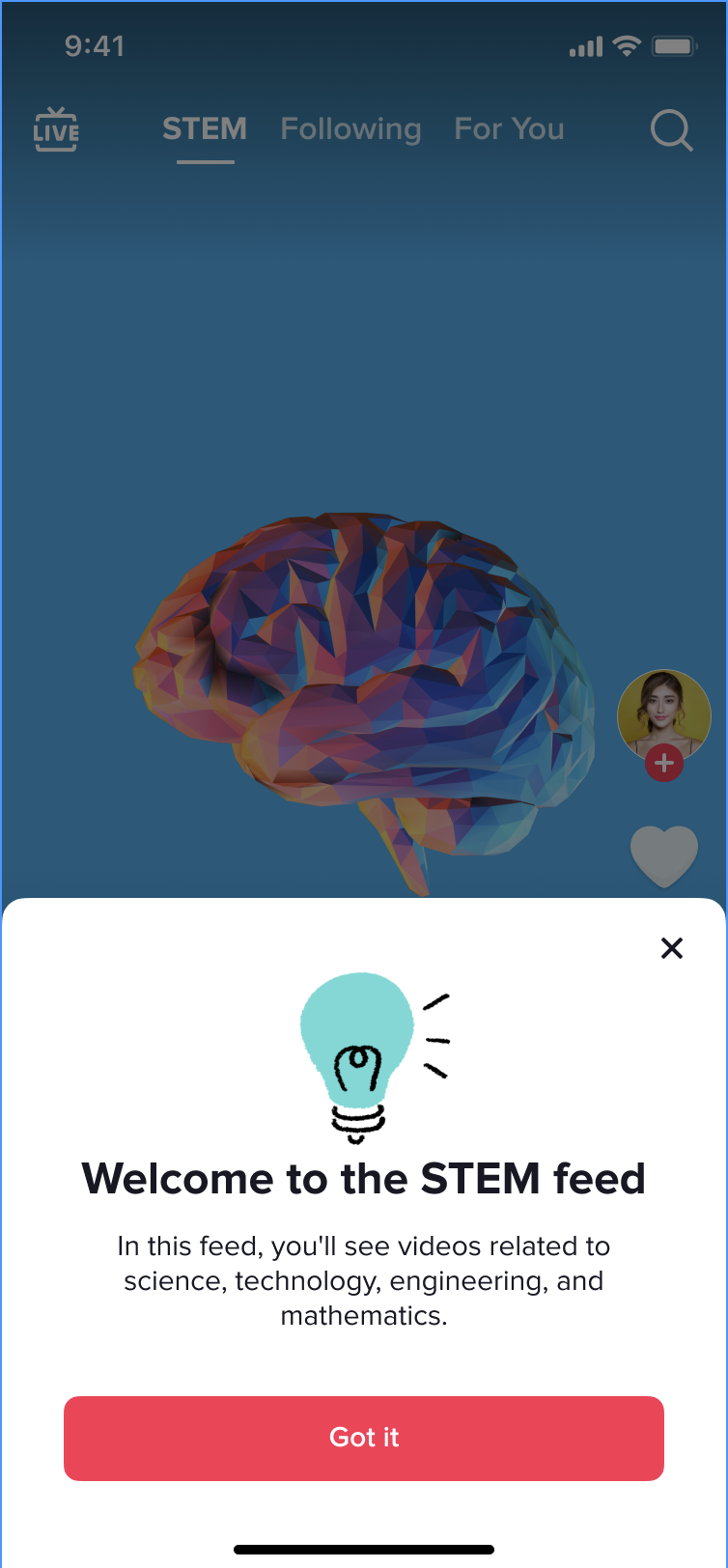
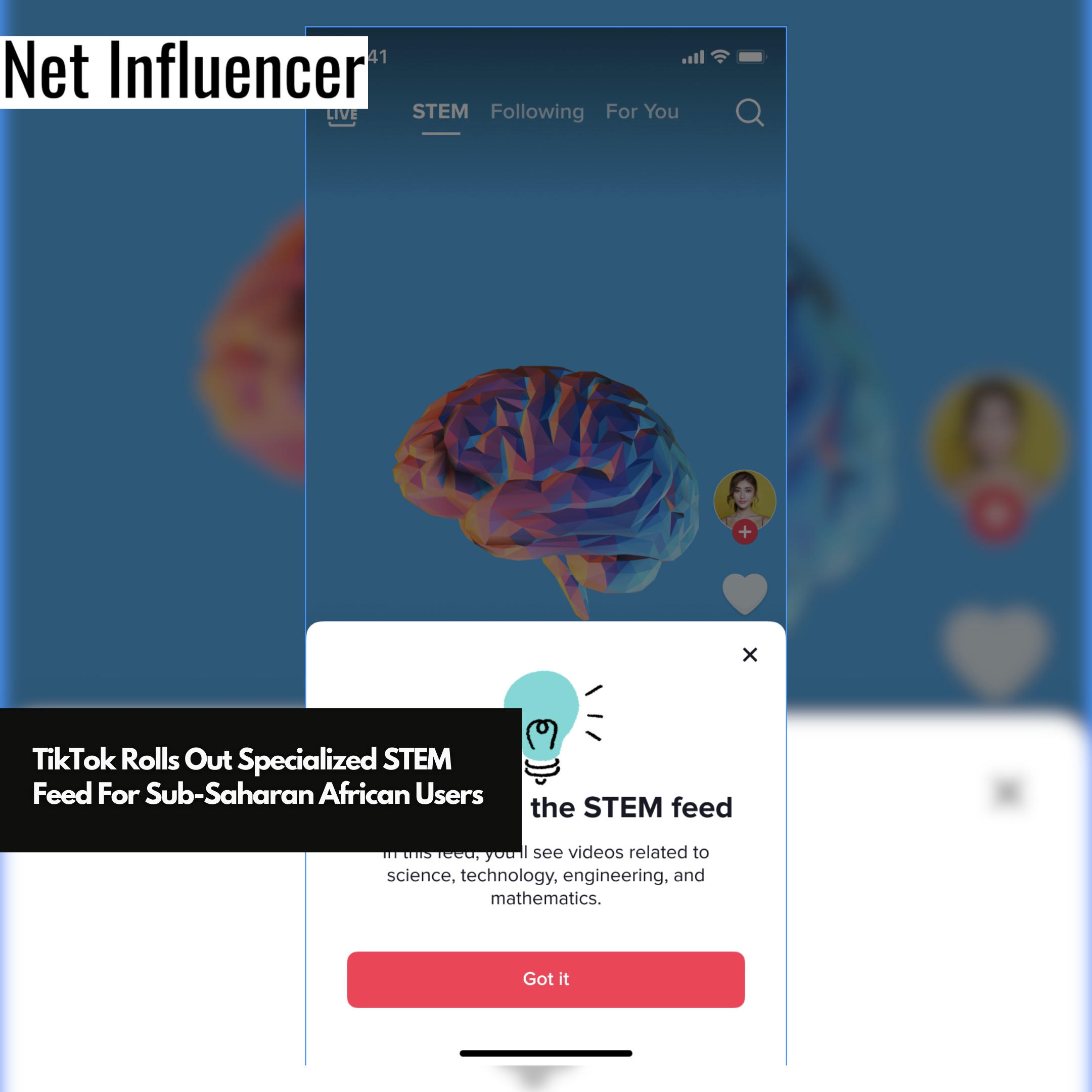
Furthermore, TikTok itself now doubles down on this trend with its dedicated STEM feed for Sub-Saharan Africa, curating fact-checked science and tech videos by both global and African creators[1][2][3]. As a result, your For You page can now become a full STEM classroom, powered by young African educators who look and sound like you.
The Rise Of African STEM Content Creators On TikTok, Instagram And YouTube
Across the continent, short-form video has become the new after-school tutoring center. TikTok’s STEM feed, launched in over 20 Sub-Saharan African countries, curates science, tech, engineering and math content from verified experts and creators[2][3]. Additionally, platforms like YouTube and Instagram Reels give long-form and bite-sized space for detailed explanations, live problem-solving, and exam breakdowns.
Notably, creators such as Nigeria’s Aisha Bande (@chemistrywithaishabande) simplify complex chemistry concepts through colorful demos and easy analogies[1]. Similarly, South Africa’s Mpho T Makhema (@mphokatmakhema) breaks down tricky math topics into short, high-energy explainers that feel more like hanging out with a cool senior than sitting in a lecture[1]. Consequently, students who once feared equations now replay Instagram and TikTok clips to revise key steps again and again.
Moreover, TikTok’s STEM feed uses independent fact-checkers like CSN and Poynter to verify educational content[1][2][3]. This matters for parents and schools who worry about misinformation. Therefore, when you scroll through that feed, you are not just watching random opinions. You are accessing science, tech, and math content that went through an extra layer of quality control.
From STEM Panic To STEM Hype For Gen Z
For a long time, STEM subjects carried a reputation of fear and stress. However, African STEM content creators flip that script by connecting formulas and theories to everyday African life. For instance, Kenyan creator Eric Mwaura (@profmwaura01) mixes practical demonstrations with storytelling to show how physics and engineering shape daily realities[1]. Meanwhile, South African Life Sciences creator Samkelo Mhlophe (@thishawakutiktok) uses music and rhythm to help learners remember complex biology concepts[1].
In addition, Nairobi and Lagos-based edtech startups now partner with influencers to co-create revision content tailored to local curricula. Some creators drop video series aligned with specific topics in senior secondary syllabuses. Consequently, your feed becomes a dynamic playlist of exam-focused content, from organic chemistry trends to calculus walkthroughs.
Ultimately, the shift is clear: instead of waiting for motivation to open a textbook, you now find STEM packaged in the same format as your favorite comedy or dance content. That is where the real power of these creators lies.
Pan-African Spotlight: STEM Influencers Turning Science Into Stories
Across West, East, North, and Southern Africa, you can find a growing ecosystem of STEM influencers. Many of them post in English, but more creators now mix in Swahili, Hausa, Yoruba, IsiZulu, Arabic, and French to reach diverse communities. Below is a curated cross-regional snapshot to help you explore and discover your next go-to STEM channels.
West Africa: Nigerian And Ghanaian STEM Creators Leading The Charge
West Africa, and especially Nigeria, hosts a vibrant cluster of African STEM content creators who blend exam prep with entertainment. On TikTok’s STEM feed, several Nigerian names already stand out as go-to sources for science and tech help[1]. Additionally, many of them design content that aligns with WAEC and NECO topics, even when they do not label it that way explicitly.
- Aisha Bande (@chemistrywithaishabande) – Nigerian chemistry educator who simplifies abstract concepts with step-by-step visuals and relatable examples[1].
- First Class Lower (@first_class_lower) – Nigerian science communicator using humor and sharp commentary to make STEM more relatable[1].
- UcheOflagos (@UcheOflagos) – Tech-focused Nigerian creator introducing programming basics and digital skills to young Africans[1].
- Oge Hezeonu (@ogehezeonu) – Digital innovator covering tech trends and tools relevant to students and early-career professionals[1].
Moreover, West Africa’s influence extends to YouTube channels that focus on step-by-step exam prep. You will find Nigerian math and physics teachers streaming live problem-solving sessions, often aligned with WAEC past questions. Consequently, your smartphone can become a full revision partner, not just a distraction.
For more stories on innovation, creators, and youth culture from West Africa, you can explore Africa News and Entertainment on Topping Africa.
East Africa: Kenyan And Tanzanian Creators Owning The TikTok STEM Feed
In East Africa, a core group of Kenyan creators now dominate TikTok’s STEM feed and broader tech conversation[1]. Importantly, their content ranges from exam help to gadget reviews, coding tips, and real-world tech careers. As a result, young East African learners see clear pathways from classroom theory to tech startup roles, engineering jobs, and digital careers.
- Eric Mwaura (@profmwaura01) – Kenyan creator who explores physics and general STEM concepts with interactive experiments and clear breakdowns[1].
- Duncanzz (@duncanzz) – Tech expert from Kenya sharing practical tech skills, tools, and troubleshooting tips that help students and young professionals[1].
- Wambui (@hikingtechie) – Kenyan hiker and tech reviewer who merges outdoor adventures with accessible tech gadget reviews[1].
- Jessy Lesley (@jessylesley) – Kenyan tech enthusiast creating tutorials and reviews that demystify devices and software[1].
Furthermore, East African exam candidates, especially those preparing for KCSE, benefit from local teachers posting math, chemistry, and biology tutorials. While not all these creators sit in TikTok’s STEM feed yet, many of them cross-post to YouTube, giving you deeper lecture-style videos to bookmark for revision.
Additionally, if you follow East Africa’s growing tech and creator scene, you should also read more about innovation via the Technology and Business & Economy categories on Topping Africa.
Southern Africa: Math, Life Sciences And Homework Help At Scale
Southern Africa brings its own flavor to the STEM creator movement, with a strong focus on classroom support and homework guidance. On TikTok’s STEM feed, South African creators feature prominently in math, Life Sciences, and general homework help[1]. Consequently, learners can supplement school lessons with punchy, visual explanations that feel fresh and culturally familiar.
- Mpho T Makhema (@mphokatmakhema) – South African math teacher known for energetic and approachable math tutorials on core school topics[1].
- Samkelo Mhlophe (@thishawakutiktok) – Life Science teacher who uses music and rhythm to help students retain complex concepts[1].
- Homework Help 365 Days (@homework_help365_days) – South African creator dedicated to making various STEM subjects easier to understand throughout the year[1].
Moreover, South African edtech platforms and universities increasingly recognize the value of creator-led content. Some institutions now collaborate with influencers for outreach and revised study resources. Therefore, if you are a high school learner, you can combine official notes with creator videos for a hybrid study strategy that keeps you engaged.
North Africa: Science And Tech Influencers In Arabic And French
North Africa’s STEM influencer scene continues to expand, particularly on YouTube and Instagram, where Arabic and French content dominates. While not all of these creators appear in English-language coverage, they play a key role for millions of learners across Morocco, Algeria, Tunisia, and Egypt. Typically, they mix exam prep with career guidance, especially for engineering, medicine, and computer science.
Additionally, Egyptian and Moroccan YouTube channels cover programming, AI basics, and engineering projects in accessible language, often referencing local universities and job pathways. Meanwhile, regional science communicators break down global discoveries and link them back to local realities such as desert agriculture, renewable energy, or city planning. If you are bilingual, these channels give you a powerful advantage for both school and global careers.
To stay close to North Africa’s cultural and lifestyle shifts driven by creators and innovators, you can explore Culture & Lifestyle on Topping Africa.
From Classroom To Creator Feed: How Schools And Parents Use STEM Influencer Content
Across Africa, teachers and parents now treat short-form educational content as a legitimate teaching tool rather than a distraction. Consequently, many classrooms incorporate TikTok, YouTube, and Instagram videos into lessons, revision, and homework support. When used well, these videos help students visualize complex topics, catch up on missed explanations, and hear alternative teaching styles that might click better for them.
Teachers Embedding Videos Into Lessons And Revision
Many teachers in Nigeria, Kenya, South Africa, and Ghana now project or share STEM influencer videos during lessons. For instance, a chemistry teacher might play a chemistrywithaishabande TikTok while explaining bonding or acids and bases. Similarly, math teachers use short clips from creators like Mpho T Makhema to show other ways to solve equations or word problems.
Moreover, teachers share playlists of recommended channels in class WhatsApp or Telegram groups. These playlists often align with exam syllabuses like WAEC, NECO, KCSE, or CAPS. As a result, your revision routine may now include a mix of textbook exercises, school notes, and curated creator content, giving you multiple angles on the same topic.
According to teaching and learning experts, short, visual content helps reinforce memory and understanding when integrated well with traditional learning[4]. Therefore, when teachers guide the process, TikTok and YouTube become structured tools rather than random distractions.
Parents Reframing Screen Time As Study Time
Parents across African cities now recognize that not all screen time is equal. Additionally, many parents actively encourage children to follow verified STEM creators instead of only entertainment influencers. When TikTok introduced the STEM feed, this shift became even more visible because the dedicated section highlights fact-checked content for teens[1][2][3].
Consequently, you might see parents setting family rules like "one hour of STEM feed" before entertainment content. Some parents even watch the videos with their kids, pausing to discuss experiments, concepts, or career ideas. This shared viewing can build trust and reduce conflict around phones and social media.
Ultimately, when parents and teachers treat STEM influencers as part of a broader learning ecosystem, they help students develop healthier digital habits and stronger academic confidence.
Exam Power-Up: A Starter Pack Of African STEM Creators For WAEC, NECO, KCSE And University Prep
If you are preparing for high-stakes exams, the challenge is not finding content, but finding the right content. Therefore, we have pulled together a practical starter pack of African STEM creators and content types you can use to boost your study routine. Remember, you should always cross-check topics with your own syllabus and textbook.
How To Use STEM Influencers For Serious Exam Prep
Before the list, it helps to think about strategy. Additionally, you get better results when you treat creator content as a supplement, not a complete replacement for your notes. Here are simple ways to build a smart routine:

- Align with your syllabus – Match creator videos to chapters in your WAEC, NECO, or KCSE syllabus.
- Use for quick revision – Watch short clips to refresh key concepts before tackling past questions.
- Pause and practice – Pause the video, try the question or derivation yourself, then compare your steps.
- Save and organize – Create playlists or collections by subject and topic for easier revision later.
- Mix formats – Combine TikTok shorts, longer YouTube explanations, and PDFs or notes where available.
Furthermore, you should treat likes and follower counts as a starting point, not a guarantee of quality. Always check whether explanations make sense, match your school notes, and help you answer real exam questions.
Suggested Creator Types To Follow By Exam
Instead of a rigid ranking, here is a flexible guide to the kinds of creators who support different exam paths. Many creators cover overlapping exams, so use this as inspiration rather than a strict rulebook.
- WAEC & NECO (West Africa, especially Nigeria and Ghana) – Look for Nigerian and Ghanaian teachers explaining senior secondary chemistry, physics, biology, and math with a focus on past questions.
- KCSE (Kenya) – Follow Kenyan math, chemistry, and biology creators who reference local school terms, grading, and exam styles.
- University entrance and first-year – Search for African STEM influencers who focus on engineering, computer science, and medical foundation topics, especially those offering coding tutorials or lab-style experiments.
Additionally, you can learn from global channels but always check whether their notation, units, and examples align with your curriculum. Sites like Khan Academy or Coursera give strong fundamentals, while African creators translate those concepts into your local context.
Study Influencers vs STEM Influencers: Why Both Matter For You
Online, you will see two overlapping but distinct groups: STEM influencers and study influencers. STEM influencers focus on explaining science, tech, engineering, and math concepts. Study influencers focus more on productivity, routines, note-taking, and motivation. In Africa, more creators now blend both roles, especially university students who film "study with me" content while revising engineering or medical courses.
Moreover, research into content creators shows that educational creators often build tight communities by giving practical, repeatable advice[4][5]. Consequently, following a mix of STEM and study influencers can help you gain both knowledge and discipline. You might learn how to solve differential equations and also how to schedule your day for focused revision.
To dive deeper into the culture of creators, youth, and lifestyle, you can explore Culture & Lifestyle and Opinion & Editorial on Topping Africa. Read more about how African Gen Z is reshaping learning, fashion, and work through social media.
Inside The Creator Economy: Opportunities And Challenges For African STEM Influencers
Behind every viral STEM video lies a creator navigating the realities of Africa’s growing creator economy. According to studies of the African creator ecosystem, more than half of creators on the continent earn under $70 per month from content alone[5]. Consequently, even popular STEM influencers often juggle teaching jobs, university studies, or tech careers while producing regular content.
However, the opportunity is huge. TikTok’s STEM feed, YouTube’s education-focused tools, and brand partnerships all create new revenue streams for niche educators. Moreover, African tech startups and edtech platforms now collaborate with STEM influencers for course launches, live bootcamps, or promo campaigns. When you support these creators by engaging, sharing, and enrolling in their paid products, you directly fuel a positive knowledge economy.
Importantly, platforms also shape how Black and African creators express themselves, including their strategies to navigate algorithms and visibility[6]. Therefore, STEM influencers must be both strong teachers and savvy digital entrepreneurs. If you are thinking about becoming one, you should learn content strategy, analytics, and basic business skills alongside your STEM expertise.
How To Start As An African STEM Creator
If you love STEM and enjoy explaining things to friends, you already hold the seed of a powerful creator journey. Additionally, you do not need an expensive studio to begin. You only need a clear niche, a simple phone camera, and a consistent posting habit. Educational creators worldwide often start with short, simple videos and upgrade their production later[4].
- Pick your niche – Focus on one area like high school chemistry, junior secondary math, or beginner coding.
- Start small and clear – Use short videos to explain one concept at a time in your own words.
- Use local examples – Connect formulas to markets, transport, sports, or daily life in your city.
- Engage your audience – Ask followers what topics confuse them and build content around those questions.
- Stay accurate – Cross-check your explanations with textbooks, teachers, or trusted online resources before posting.
Furthermore, you should observe how top STEM creators structure their hooks, visuals, and captions. Many start with a powerful question or surprising fact to grab attention, then move quickly into the explanation. Over time, you can experiment with new formats such as live sessions, Q&A, or collaborative videos with other African creators.
Explore More On Topping Africa
If you are excited about how African STEM content creators are reshaping education, there is much more to explore. Topping Africa regularly covers the intersection of technology, youth culture, and creator stories across the continent. Consequently, you can treat the site as your hub for tracking the next wave of innovators.
- Technology & Innovation – Discover African edtech startups, coding communities, and digital tools empowering young learners.
- Business & Economy – Read more about the growing creator economy, influencer deals, and startup funding shaping the future of work.
- Arts & Entertainment – Explore how creators blend education, comedy, and culture to build powerful brands.
Additionally, we invite you to share your thoughts and experiences. Do you use TikTok or YouTube to study? Which African STEM influencers changed how you see science or math? Leave a comment, tag your favorite creators, and help us spotlight the next generation of educators.
From TikTok To Textbooks: Your Role In The Future Of African STEM
From Lagos to Nairobi, Johannesburg to Cairo, African STEM content creators now stand at the center of a major shift in how young people learn. They turn complex formulas into clear visuals, dry theory into relevant stories, and exam panic into focused, achievable steps. Moreover, they show that science and math belong not only in labs and lecture halls but in everyday African life, from markets to music studios.
As a student, teacher, parent, or aspiring influencer, you play a key role in sustaining this positive cycle. When you follow, share, and engage with creators who add real value, you help build a healthier digital ecosystem. When you bring their content into your classroom or home, you signal that African knowledge and voices deserve center stage.
Ultimately, the journey from TikTok to textbooks is just beginning. Explore more creators, experiment with new study methods, and subscribe to Topping Africa updates to stay ahead of the next wave of STEM innovation on the continent.

Staff
Contributing writer at Topping Africa.
0 Comments
No comments yet. Be the first to share your thoughts!