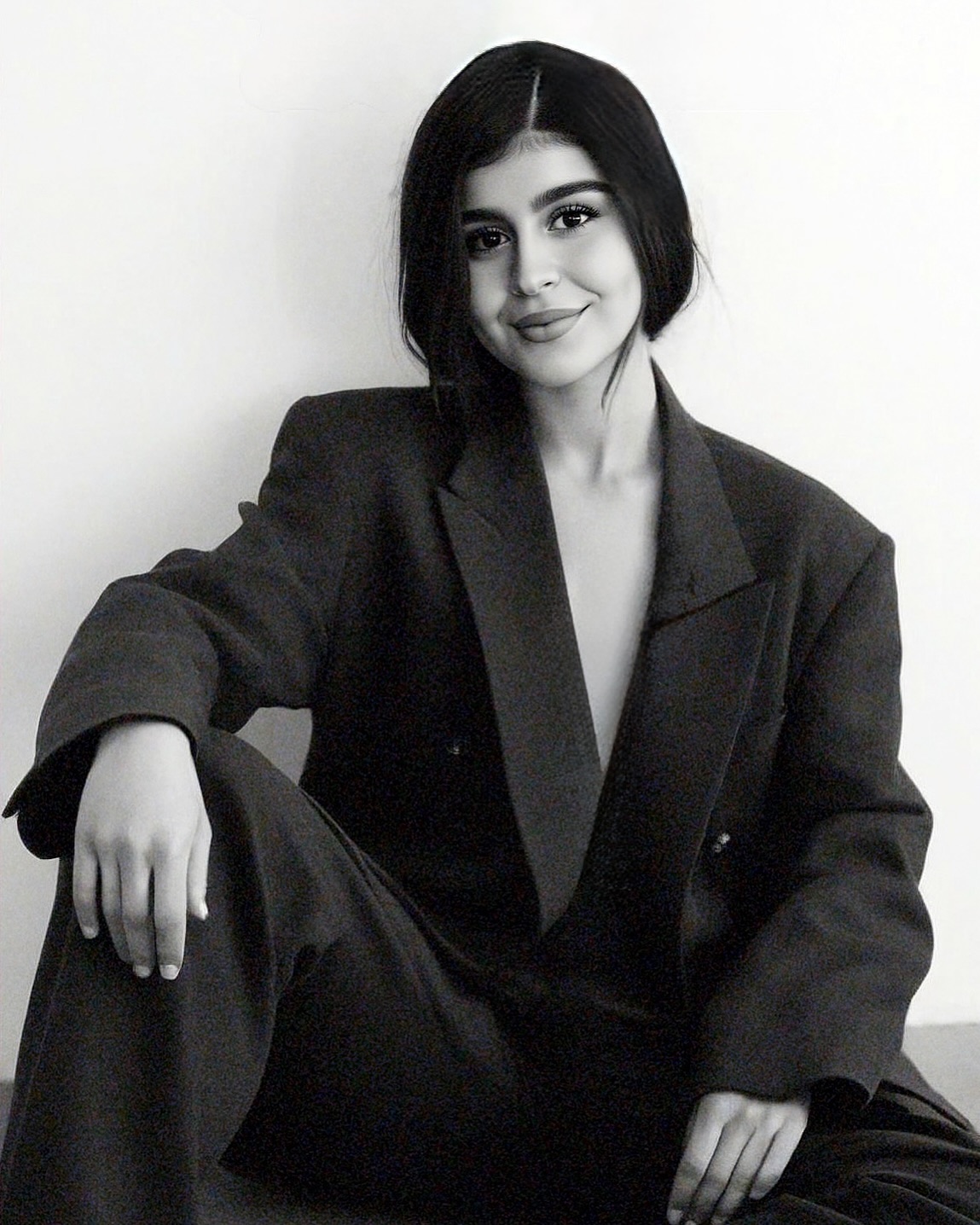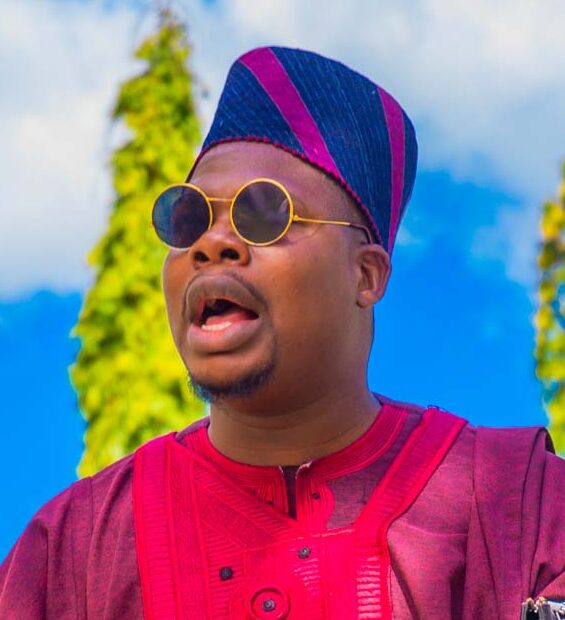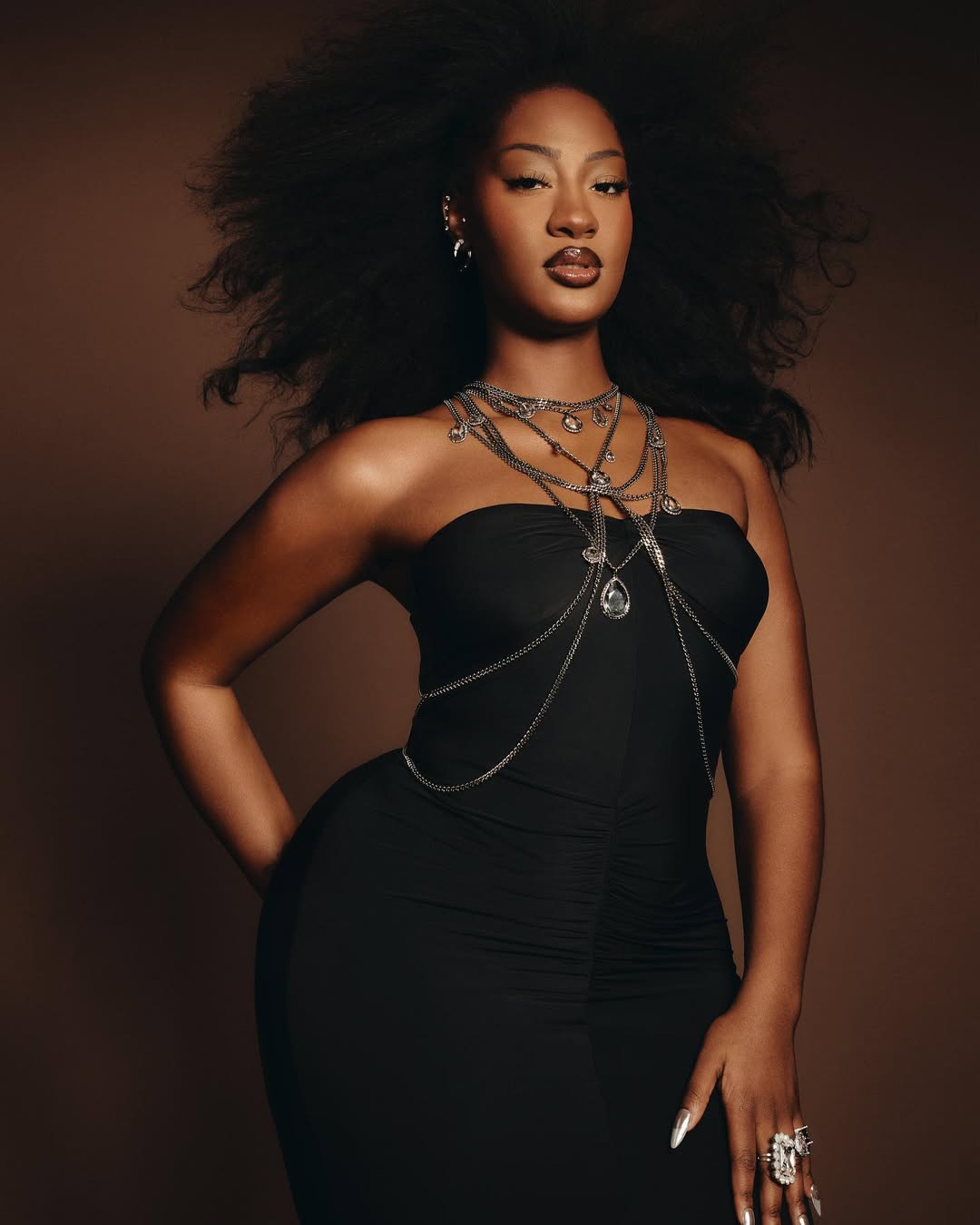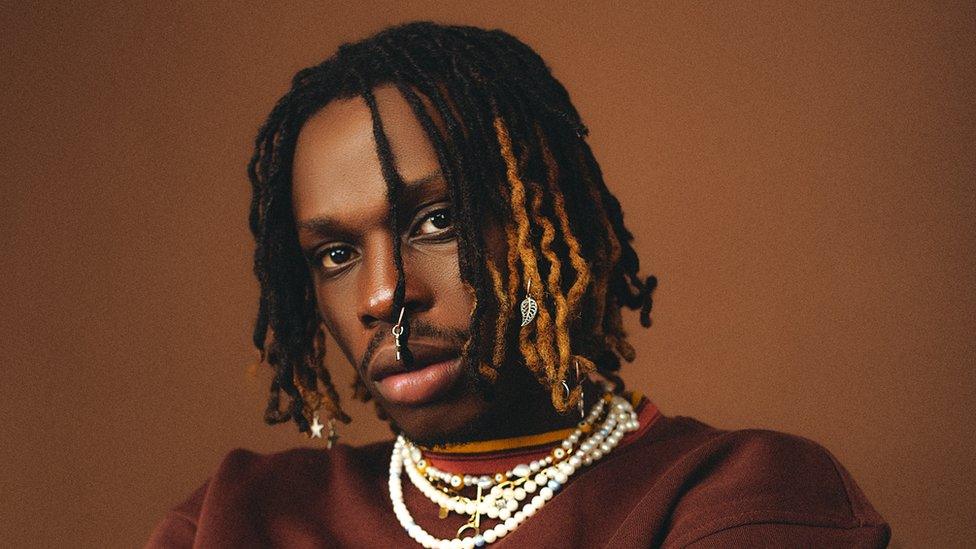

From Lagos to London: Celebrities Wearing African Fashion and Loving It
From Lagos to London, global celebrities are embracing African dress styles in bold new ways. This trend-driven guide shows which stars wear African fashion, why it matters, and how African designers and creators are driving the global moment.
From Lagos to London: Why celebrities wearing African fashion keeps going global
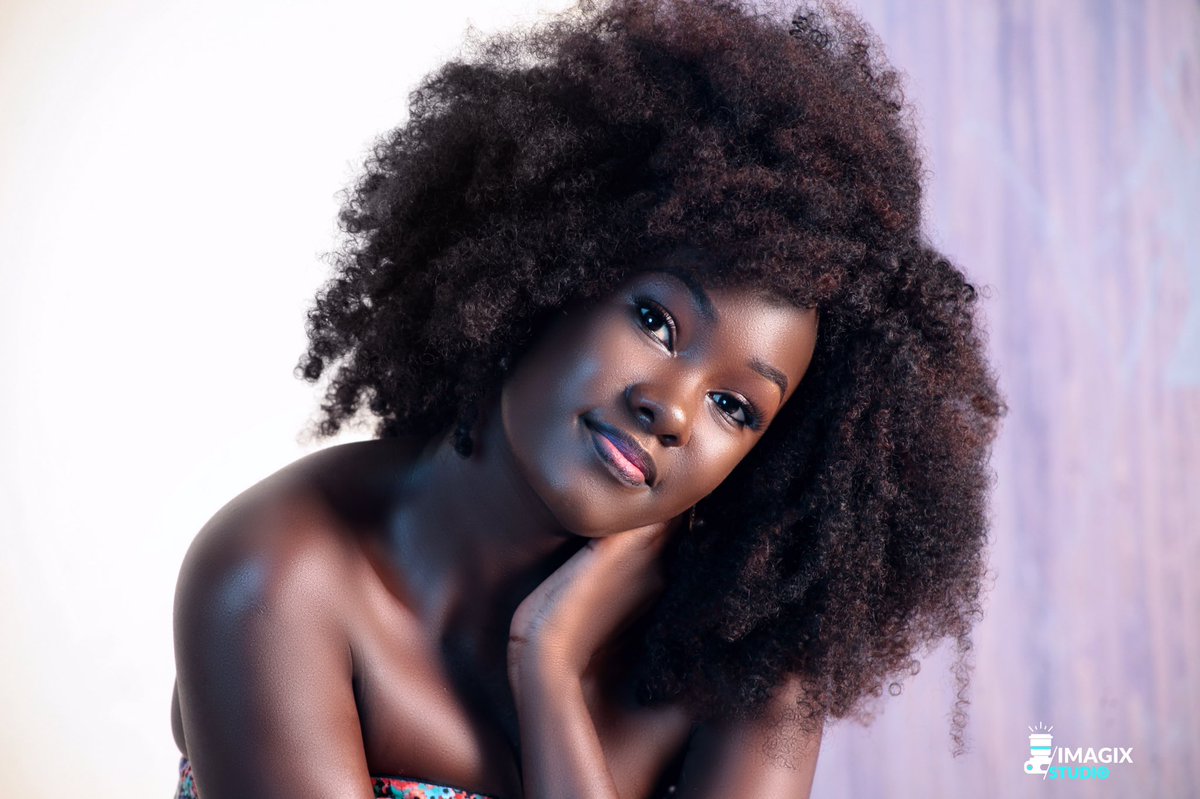
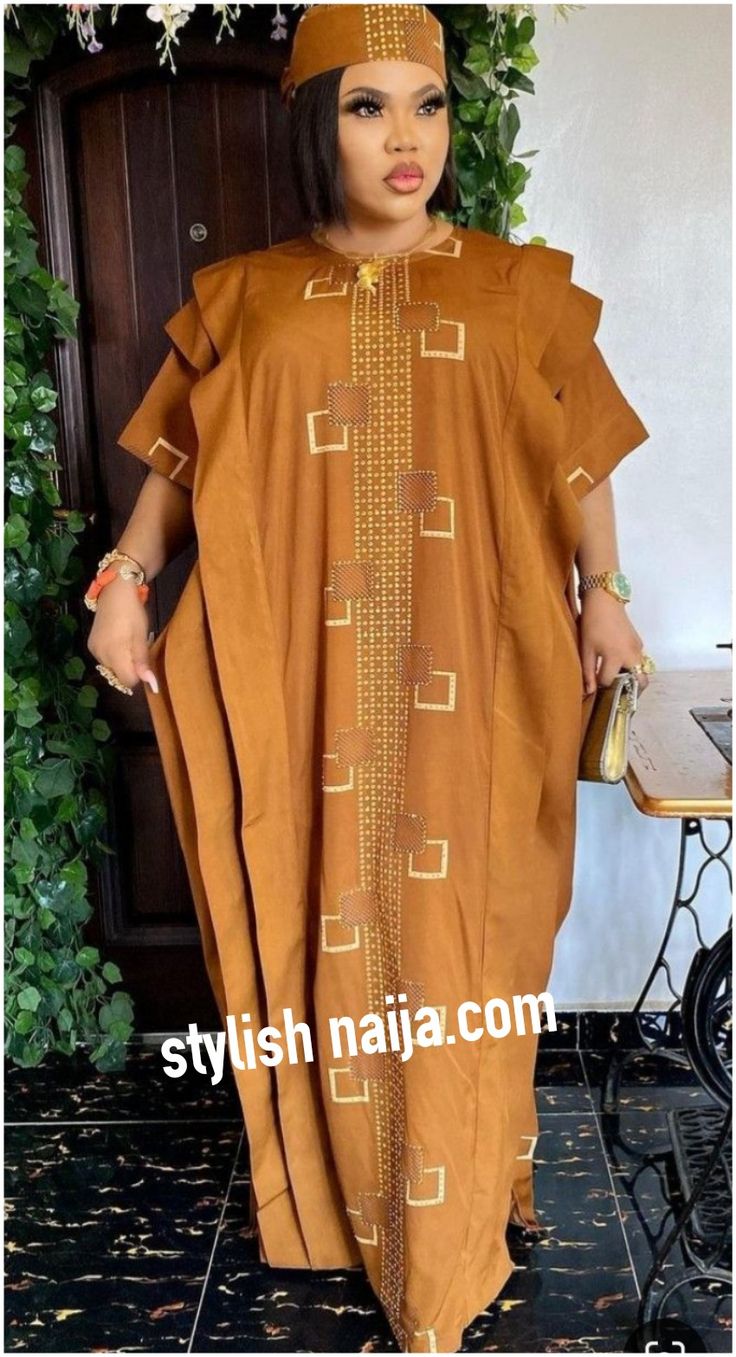
celebrities wearing African fashion is no longer a rare red-carpet surprise. It has become a clear style trend, from Lagos parties to London premieres and Instagram reels. Furthermore, global stars now reach for Ankara gowns, bubu styles, and African maxi dresses when they want colour, confidence, and culture.
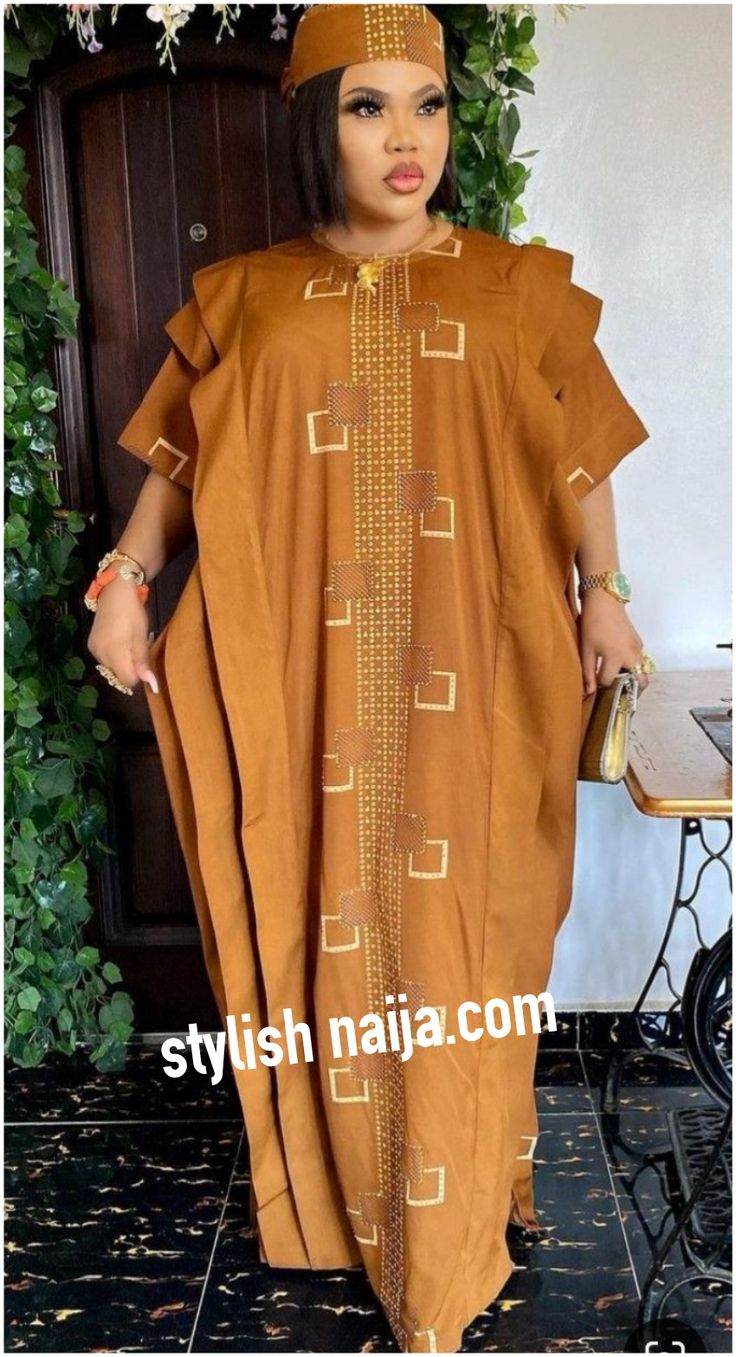
However, this is bigger than a fashion moment. It is also a win for African designers, stylists, and content creators who shape how the world sees African style. Meanwhile, fans across the continent now track every viral look, every tagged designer, and every reposted outfit.
According to UNESCO, Africa’s fashion sector has strong growth potential, but it still needs better support for design, value chains, and market access. Read more from UNESCO. Additionally, global attention keeps rising because African fashion offers something many stars want: authenticity with impact.
- Why it matters: celebrity looks push African prints into global search trends.
- Who benefits: designers, stylists, tailors, and fashion content creators.
- What fans love: bold colour, easy elegance, and cultural pride.
Discover more fashion coverage on Culture & Lifestyle, Entertainment, and Africa News. You can also explore Business & Economy and Technology for the business and creator side of the trend.
Why African dress styles are winning global red carpets
Moreover, African dress styles solve a problem many stars face: how to stand out without looking forced. Ankara, kente, aso-oke, and hand-dyed fabrics bring shape, texture, and story into one look. Consequently, a single outfit can spark press coverage, social buzz, and designer credit at the same time.
Furthermore, social media changed the game. A celebrity no longer needs a magazine cover to make a style statement. One Instagram post can move an African dress style from local trend to global search topic in hours.
In particular, African fashion also fits today’s love for statement dressing. Stars want clothes that feel personal, photogenic, and easy to share. That is why African maxi dresses and bubu styles keep showing up at festivals, premieres, and luxury events.
Celebrities wearing African fashion: the looks that made the internet stop scrolling
Below are standout examples of global stars and influencers embracing African style. However, the real story is not just the celebrity. It is also the African creative behind the look.
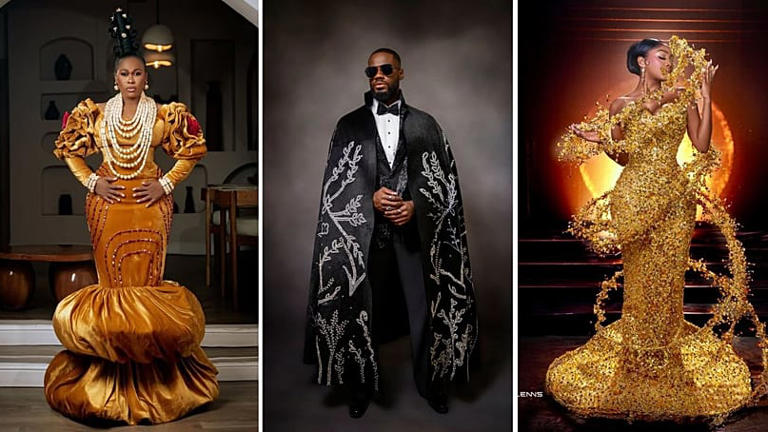
1. Beyoncé and the power of visual African style
Notably, Beyoncé has shaped how global audiences see African-inspired dressing through visuals, stagewear, and cultural references. Her fashion team has often used rich prints, dramatic cuts, and regal shapes that echo African dress language. Meanwhile, her influence keeps pushing African style into mainstream pop culture.
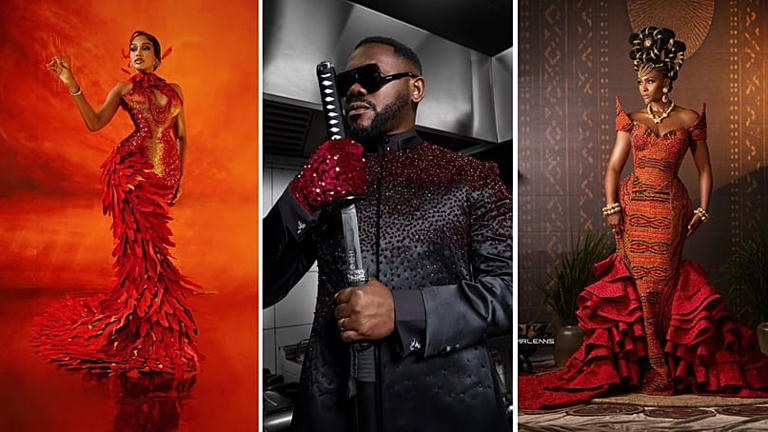
For context, many fans discover African-inspired fashion through music visuals before they find local designers. Therefore, Beyoncé’s styling reach matters for the wider fashion market. It helps normalize bold silhouettes and high-impact fabric choices.
Additionally, African designers and stylists have used this wider spotlight to build stronger brands. Explore more stories like this in Music and Fashion.
2. Naomi Campbell and the luxury of African elegance
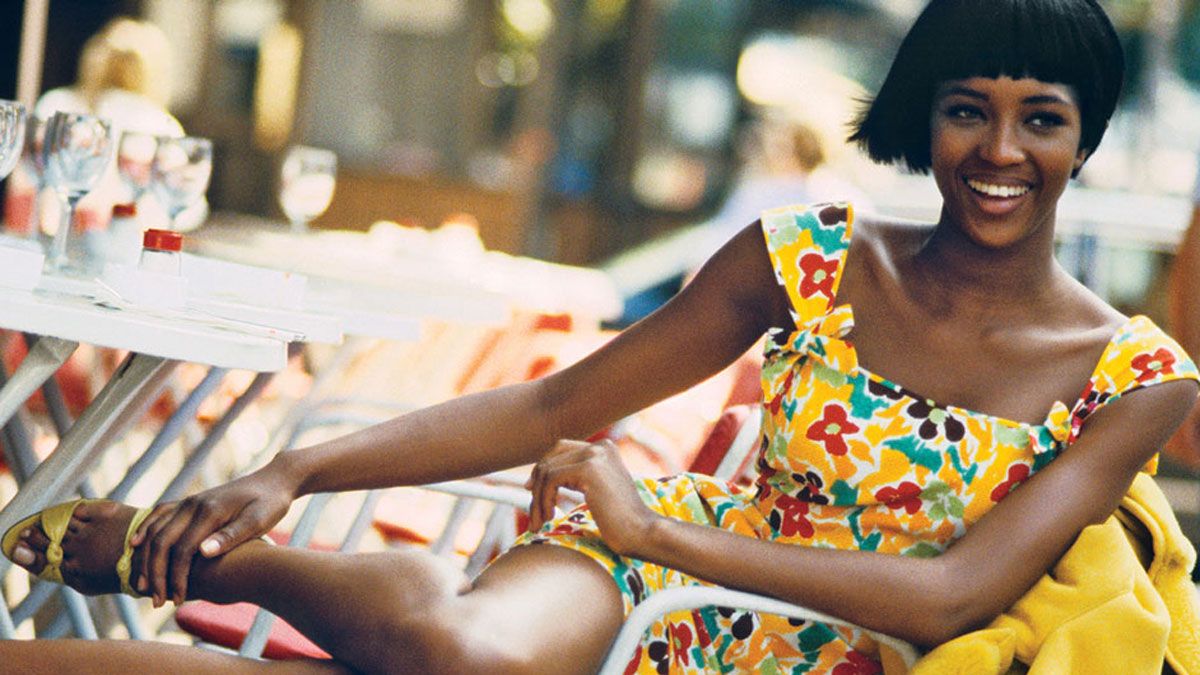
Naomi Campbell has long championed African fashion on major stages, from runway moments to gala events. Moreover, she often wears African designers with pride, helping place the continent’s style language in luxury conversations. Her looks usually balance clean lines with bold African detail.
Furthermore, her support goes beyond the outfit itself. She often brings attention to the designer, the collection, and the wider African fashion scene. As a result, she helps move African style from “trend” to “serious fashion business.”
However, the lesson here is simple. Global stars are not only borrowing looks. They are helping build demand for African craftsmanship.
3. Kelly Rowland and the rise of the African maxi dress
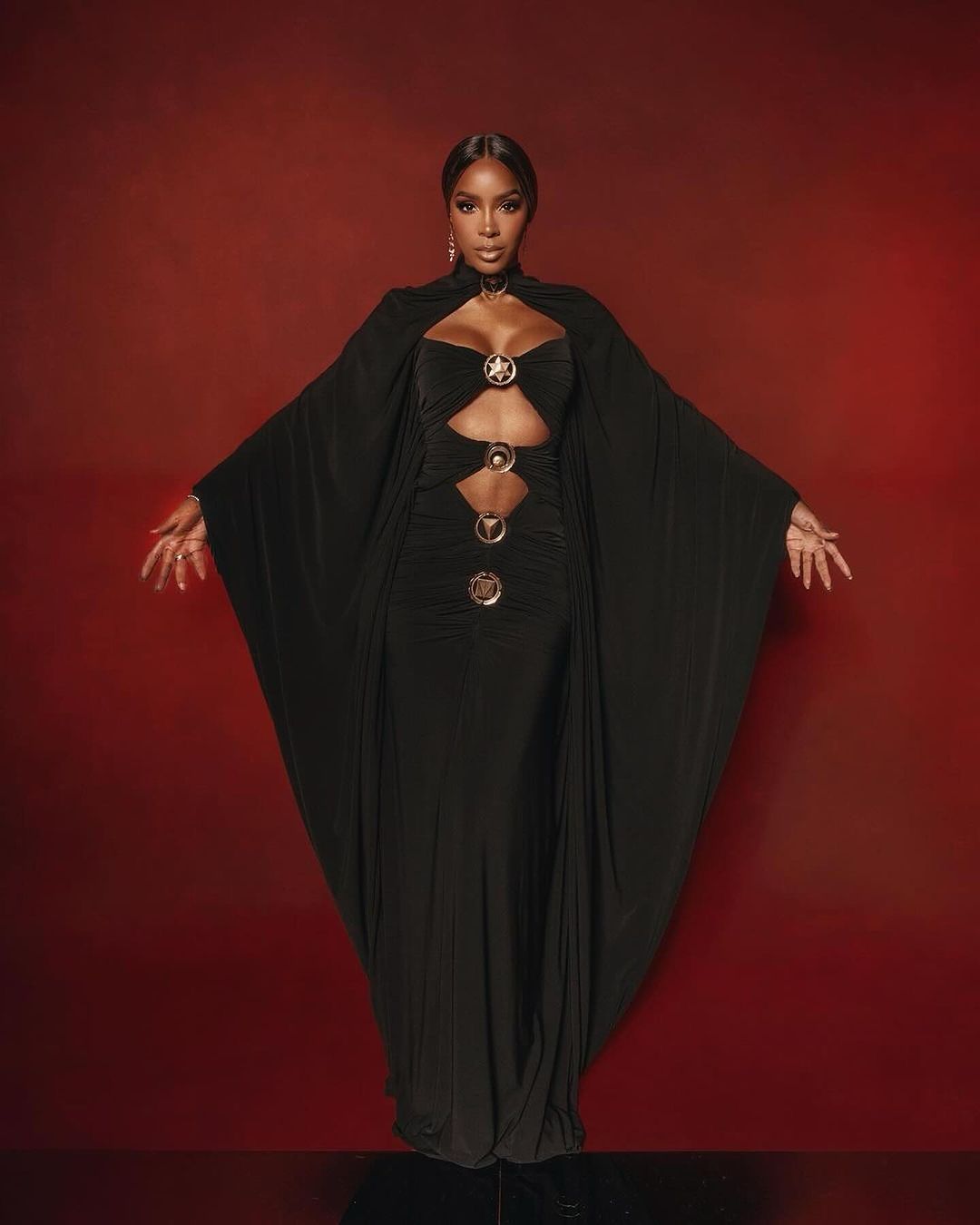
Kelly Rowland has often embraced African prints, flowing shapes, and rich colour palettes that feel both polished and relaxed. Additionally, she has shown how an African maxi dress can work for travel, events, and social media alike. Her style makes African fashion feel accessible without losing elegance.
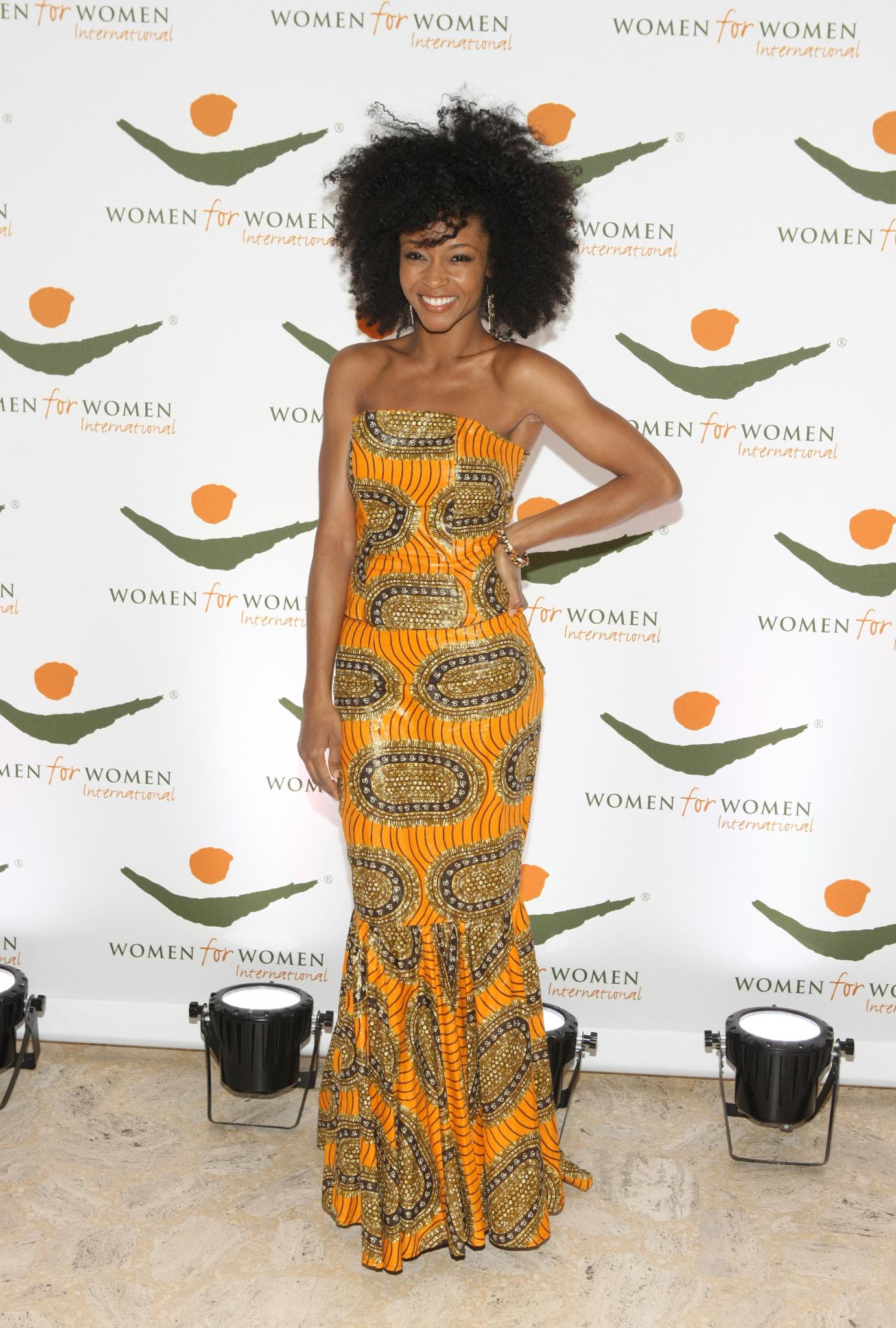
Meanwhile, many fans now copy this look for birthdays, weddings, and destination events. That matters because the African maxi dress gives everyday women a version of celebrity style they can actually wear. Consequently, it has become one of the most searched African fashion pieces online.
For style readers who want more, share your thoughts and read more about women shaping African pop culture.
4. Gabrielle Union and bold African print moments
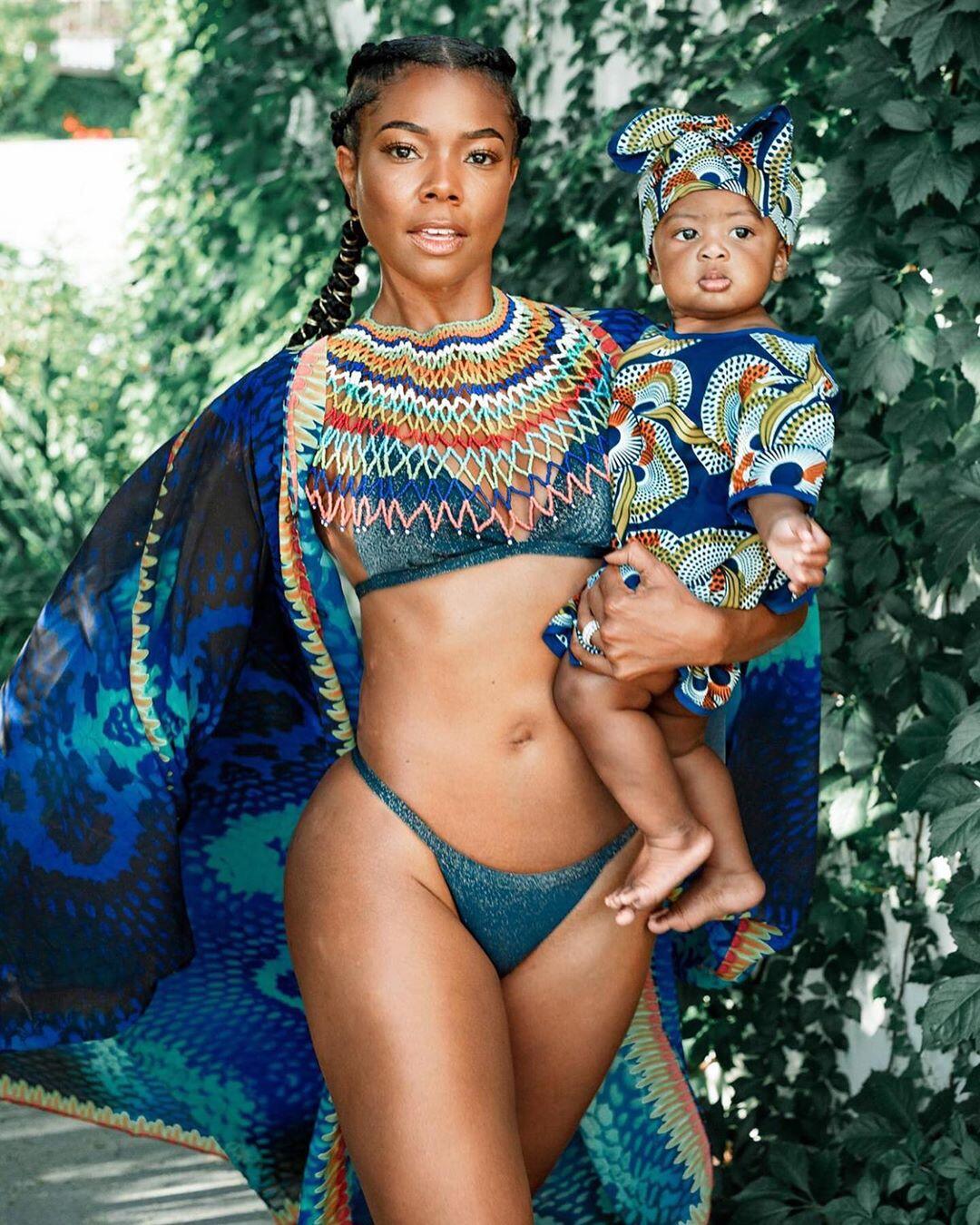
Gabrielle Union often uses fashion to show personality, and African-inspired looks fit her well. Furthermore, her outfits usually carry strong colour and sharp tailoring. That combination helps African dress styles look modern, not just traditional.
In addition, her appearances show how African prints can work for both casual and premium settings. A well-cut Ankara gown can feel red-carpet ready with the right accessories. Therefore, the design matters as much as the fabric.
Similarly, this is where African stylists gain more power. They can turn familiar prints into looks that suit global cameras and African audiences at once.
5. Tems, Tyla, and the African style wave on stage
Importantly, African stars also drive the global fashion conversation. Tems and Tyla show how African artists can mix local identity with world-stage appeal. Their looks often inspire fans to search for bubu styles, matching sets, and sleek African gowns.
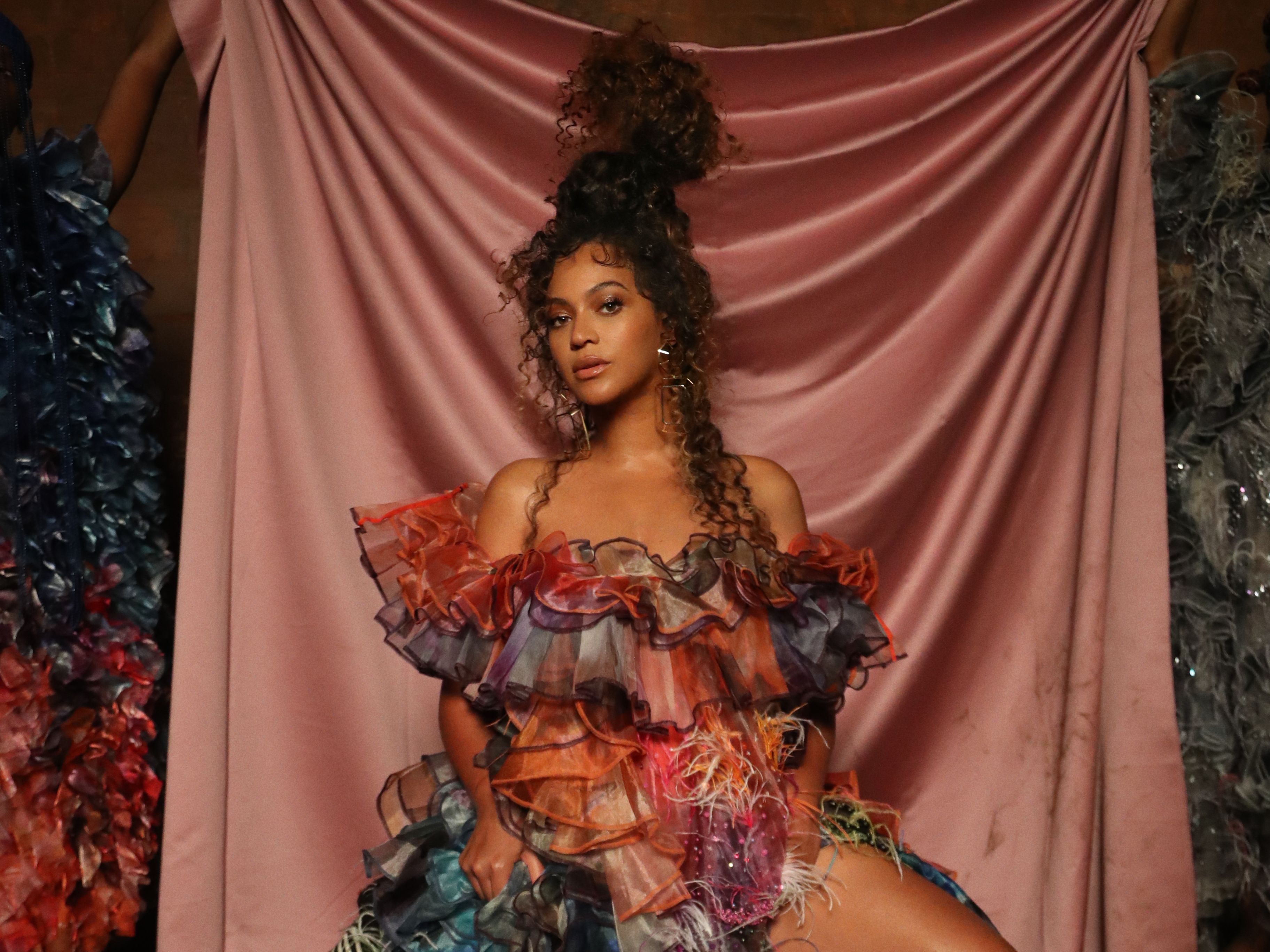
Moreover, these artists influence both music and fashion culture. When they wear African pieces, they give those pieces more street value and more social media life. As a result, the fashion becomes part of the music story.
Additionally, this is where creator culture comes in. Content creators clip the look, tag the designer, and turn one appearance into weeks of fashion talk.
Who is styling the world in African dress styles?
Behind every viral outfit, there is usually a designer, stylist, or creator doing the real work. However, many fans only see the final image. That is why African fashion coverage should always name the people behind the look.
Furthermore, a few types of creators keep powering this movement:
- Fashion designers who cut modern silhouettes from African fabrics.
- Stylists who place the right piece on the right celebrity.
- Content creators who explain the look and spread it fast.
- Photographers and videographers who make the outfit go viral.
Meanwhile, African fashion houses also benefit when global celebs wear their work. A single tagged post can drive sales, export interest, and brand trust. Consequently, the fashion story becomes a business story too.
For business-minded readers, explore Business & Economy and Technology to see how digital platforms now help fashion brands sell faster.
What African audiences should watch next in celebrity fashion
Notably, the next phase of this trend will not depend only on red carpets. It will grow through reels, street style, airport looks, and festival wardrobes. Additionally, more celebrities will choose African fashion for private events because those looks feel fresh and culturally rich.
However, African brands need better systems to capture this demand. Designers must improve sizing, shipping, customer service, and digital storytelling. Therefore, the winners will be the brands that combine great design with fast online response.
- Watch for: more African maxi dresses in summer event seasons.
- Watch for: more bubu styles in luxury resort and travel content.
- Watch for: more Ankara gowns on award shows and brand campaigns.
- Watch for: more creator-led styling breakdowns on TikTok and Instagram.
How African fashion brands can ride the wave
Furthermore, brands should treat celebrity attention like a launchpad, not a finish line. They should post clear credits, link products, and share behind-the-scenes content. As a result, curious fans can move from admiration to purchase.
In addition, brands should build stronger creator partnerships. A fashion creator can explain the fabric, the fit, and the story in a way fans trust. That is the kind of content that converts.
Meanwhile, fans can help too. Share the designer’s page, comment on the outfit, and support local labels when the trend lands close to home.
Explore More on Topping Africa
Discover more stories that connect fashion, creators, and African pop culture. These categories are a great place to start:
- Fashion — runway coverage, style trends, and designer spotlights.
- Entertainment — celebrity updates, influencer moments, and viral culture.
- Culture & Lifestyle — African identity, style, and everyday inspiration.
Read more about the people shaping the future of African style, and subscribe for more sharp, trend-led coverage.
Conclusion: African dress styles are no longer local-only fashion
Ultimately, celebrities wearing African fashion shows how powerful African style has become. It now moves easily from Lagos to London, from Instagram to global headlines, and from local tailoring shops to international wish lists. Moreover, this trend gives African designers a real chance to grow beyond their home markets.
However, the biggest win is cultural. African dress styles now carry pride, creativity, and modern style in one look. Consequently, every viral Ankara gown or bubu style helps tell a bigger story about Africa’s place in global fashion.
Leave a comment below and share which celebrity look made you fall in love with African fashion.
For more fashion and creator stories, explore Arts & Entertainment, Lifestyle & Culture, and Spotlight.
External reading: see UNESCO’s African fashion sector report and Twyg’s Lagos fashion analysis for deeper context on the industry.

Staff
Contributing writer at Topping Africa.
0 Comments
No comments yet. Be the first to share your thoughts!