
Nollywood’s Tech Pivot Powers Africa’s Streaming Future
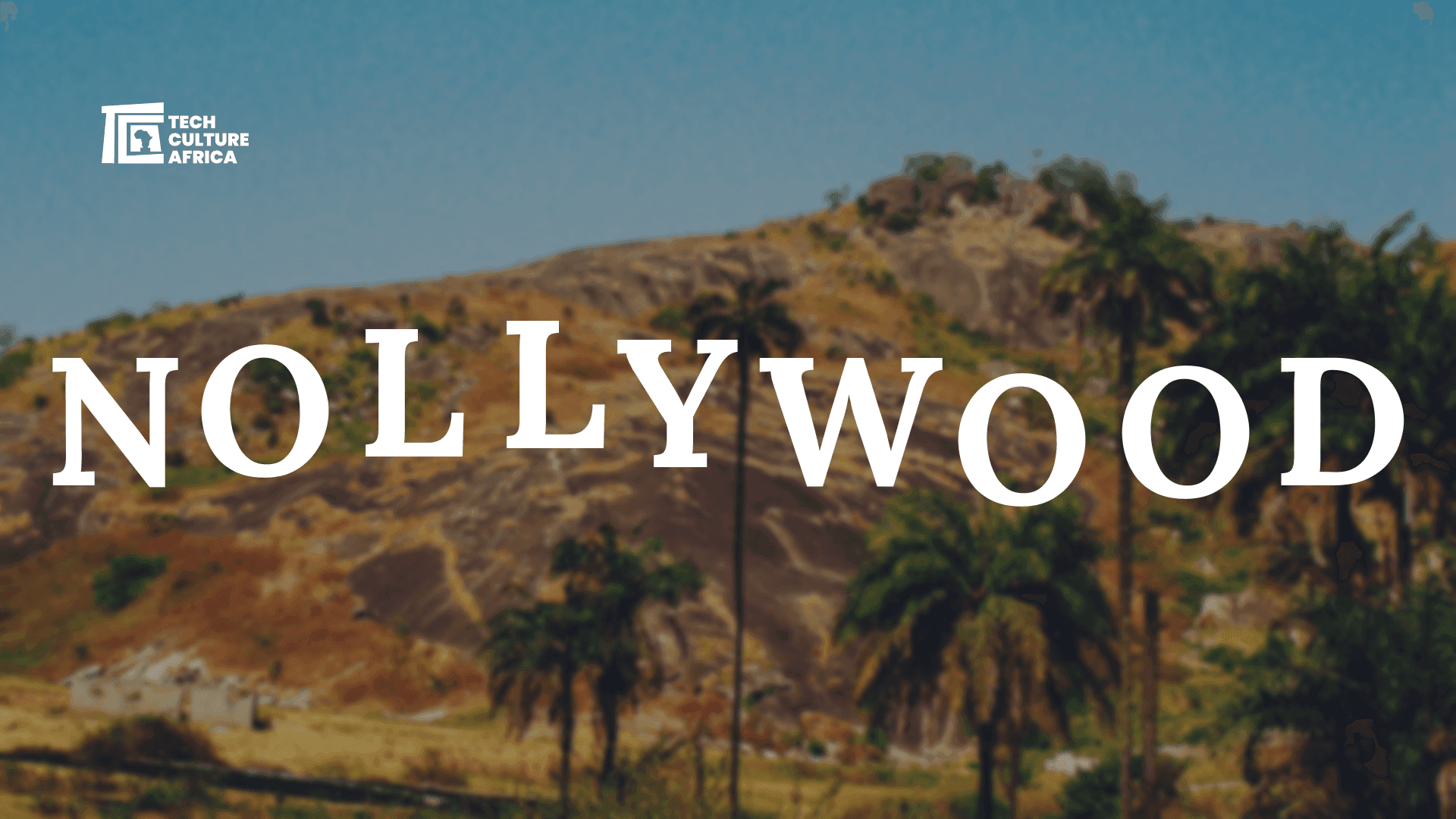
Nollywood’s next breakthrough may not come from a foreign streamer. It may come from African founders, producers, and platforms building the systems the industry always needed.
Nigeria’s film industry is moving into a new digital-finance era as tech founders, startup-backed platforms, and local distribution ventures reshape how Nollywood films are funded, produced,d and sold to global audiences.
The story is no longer just Netflix and Amazon Prime Video discovering Nollywood. That phase already happened. Netflix signed major Nigerian partnerships, Prime Video commissioned local originals, and Nigerian films reached millions of viewers outside Africa.
The harder question now is ownership.
Nollywood has proved it can travel. Netflix’s Nigerian push included partnerships with major producers such as Mo Abudu’s EbonyLife and Kunle Afolayan, while Prime Video moved into the market with local originals, including Gangs of Lagos, widely described as its first African original film.
But the global streamer model has also exposed a weakness. African stories can win visibility on international platforms, yet the economics remain fragile when financing, distribution data, and platform control sit outside the continent.
That is where technology is changing the next chapter.
African tech founders and investors are increasingly entering Nollywood not as sponsors, but as financiers and ecosystem builders. TechCabal reported that startup founders and venture investors backed films including The Black Book and Gangs of Lagos, with some film investments reportedly delivering returns faster than typical startup exits.
The clearest example is The Black Book. The Nigerian thriller, directed by Editi Effiong, became one of Nollywood’s breakout Netflix successes and was backed by a circle of Nigerian tech elites. Wired described the project as a tech-style fundraising model applied to film, with the production treated less like a traditional movie gamble and more like a venture-backed creative asset.
That model matters for Africa. It shows how the continent’s tech class can help solve one of Nollywood’s oldest problems: undercapitalization. Better financing means stronger scripts, longer production windows, better post-production, wider marketing, and more competitive global packaging.
Prime Video’s Nigerian expansion also showed why local production capacity matters. The streamer signed deals with Nigerian producers, including Nemsia Films and Jáde Osiberu’s Greoh Studios, linking international distribution to local creative execution.
Still, the market has shifted. The Guardian reported that Amazon Prime Video laid off its African staff in January 2024 as part of a retreat from African original content acquisitions, while Nigerian filmmakers increasingly turned to YouTube and direct audience models.
That pullback did not kill Nollywood’s digital future. It made the local opportunity clearer.
If Netflix and Prime Video opened the global door, African platforms now want to control the room. Kava, launched by Nollywood heavyweights Inkblot Studios and Filmhouse Group, is one of the clearest signs of that shift. The platform is positioning itself as a homegrown streaming service for Nollywood and African content, built around local industry knowledge and global audience ambition.
This is the real next act: not simply placing Nigerian films on foreign platforms, but building African-controlled systems for financing, streaming, marketing, and monetization.
YouTube has become part of that equation. As global streamers reduce risk, Nigerian filmmakers are using YouTube to reach mass audiences quickly, earn ad revenue, build fan communities, and test demand without waiting for foreign acquisition teams.
The trade-off is quality control. YouTube gives speed and access, but not always premium budgets. Netflix and Prime Video provide prestige and global shelf space, but their economics depend on corporate priorities far from Lagos.
Nollywood’s strongest future may sit between those two worlds.
African tech capital can finance better films. Local streaming ventures can retain audience data. Global platforms can expand reach. YouTube can sustain direct fan relationships. Together, these forces are turning Nollywood from a content supplier into a digital entertainment economy.
For the continent, the lesson is bigger than film. Music has already proved that African creativity can dominate global culture. Nollywood is now testing whether African cinema can do the same while keeping more power, profit, and infrastructure at home.
The next African blockbuster may still land on Netflix or Prime Video. But its money, audience strategy, and distribution power may increasingly begin in Lagos.
Staff
Contributing writer at Topping Africa.
0 Comments
No comments yet. Be the first to share your thoughts!