
Africa’s New Creator Economy: TikTok and YouTube Shorts Are Minting Stars

Short-form video is transforming African lives as creators on TikTok, YouTube Shorts and Instagram Reels turn views into real income, influence and opportunity. Discover how monetization tools, fintech startups and smart strategy are minting a new generation of African digital stars.
Africa’s New Creator Economy: How TikTok, YouTube Shorts and Instagram Reels Are Minting the Continent’s Next Wave of Stars
A new wave of African content creators on TikTok and YouTube Shorts is turning short videos into real money, influence and global visibility. Moreover, from Lagos to Nairobi and Johannesburg, you now sit at the center of a fast-growing digital gold rush. Consequently, short-form video is no longer a side hustle; it is a serious industry reshaping media, music, fashion and advertising across the continent. Ultimately, if you understand how these platforms work, you can plug into Africa’s new creator economy and build a sustainable brand of your own.
The Rise of African Content Creators on TikTok and YouTube Shorts
Across Africa, short-form video has exploded in the last three years, and you can feel it every time you scroll. Notably, TikTok downloads surged across Nigeria, Kenya and South Africa, while YouTube reported rapid growth in Shorts views in Sub-Saharan Africa. According to Webfluential, YouTube’s growth in Sub-Saharan Africa points to a new golden age for influencer marketing. Furthermore, a recent News Central TV panel estimated Africa’s creator economy at about $3.08 billion today and nearly $18 billion by 2030, driven by mobile internet and a young, creative population.

Importantly, short-form videos fit perfectly with African realities: data costs, mobile-first viewing and fast, entertaining content. For instance, TikTok’s algorithm helps a fresh creator in Accra reach audiences in London, Nairobi and Johannesburg in a single day. Similarly, YouTube Shorts and Instagram Reels let you test formats, trends and ideas without huge budgets or studio gear. As a result, you can build reach faster than traditional media ever allowed.
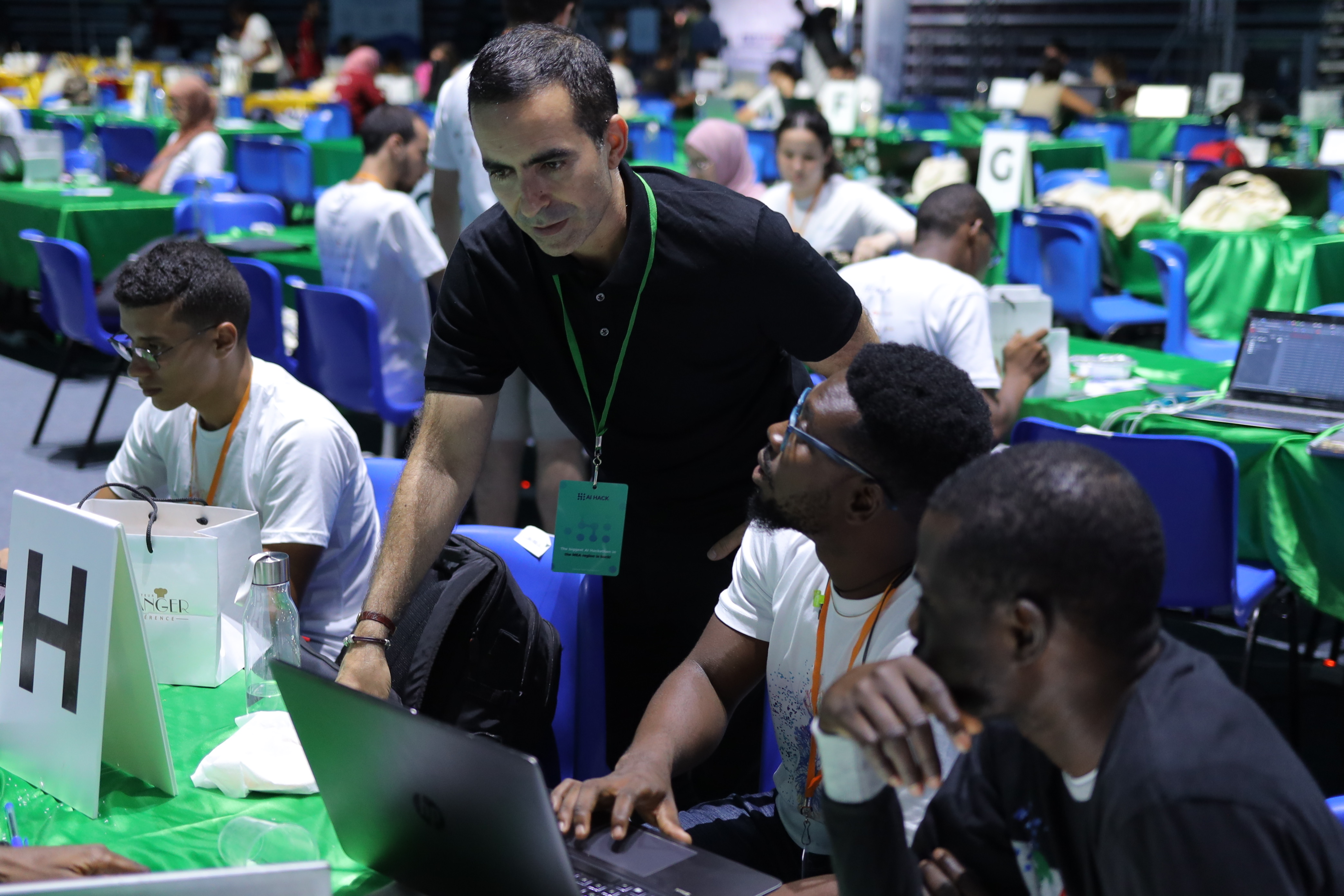
Additionally, the creator ecosystem around these platforms is deepening every month. New creator studios, talent agencies and analytics tools now support African influencers from editing to brand negotiations. Consequently, you no longer need to figure everything out on your own; a growing infrastructure exists to help you grow, monetize and protect your brand.
Why Short-Form Video Wins in Africa
Short-form video fits how Africans live, work and connect today. Moreover, many people stream content on low to mid-range smartphones and manage strict data bundles, so quick clips make sense. In particular, platforms compress short videos well, which keeps viewing costs lower while still delivering high-quality visuals and sound. Therefore, creators who master this format often see faster growth than those focused on long-form content alone.
According to Fray Intermedia, short-form video is deeply shaping South Africa’s media landscape and changing how audiences consume entertainment and news. Similarly, TikTok’s influence on music charts in Nigeria and Ghana shows how powerful these platforms have become for discovery. Furthermore, brands now design campaigns around 15–60 second assets rather than traditional TV spots. Consequently, your skills with quick, punchy storytelling are more valuable than ever.
However, mastering short-form content requires clear strategy. You need strong hooks in the first three seconds, tight editing and a recognisable style. Furthermore, you must balance trends with original ideas so your content feels fresh rather than copied. Ultimately, the creators who win are those who treat short-form video as a craft, not a shortcut.
Platform Deep Dive: TikTok, YouTube Shorts and Instagram Reels
Each platform offers different advantages for African content creators on TikTok and YouTube Shorts, and understanding these differences helps you decide where to focus. Additionally, many top creators publish on all three, but they tailor content to each app’s culture. Therefore, you should think of them as three stages in one giant digital arena, not identical clones.
TikTok: The culture laboratory
TikTok remains the engine of many African trends, from #Amapiano dance challenges to Nigerian comedy skits. Notably, TikTok’s For You Page (FYP) algorithm pushes content from small accounts if viewers respond well early. As a result, a creator in Kisumu or Kumasi can go viral without any existing audience. Furthermore, TikTok’s sound-centered design makes it perfect for musicians, DJs and dancers across the continent.
Moreover, TikTok continues to roll out tools that matter to African creators. The platform has expanded the Creator Rewards Program in several markets and introduced live gifts, shopping features and tipping tools in select regions. While availability varies by country, these features hint at how TikTok plans to reward high-performing short-form content. Consequently, creators who develop loyal communities now stand to benefit as monetization options deepen.
However, TikTok works best when you post often, experiment with formats and react quickly to trends. In addition, you need to engage in comments and live streams to build loyal fan bases, not just views. Therefore, think of TikTok as the top of your funnel: a place to reach many people quickly and test what resonates.
YouTube Shorts: The long-game money machine
YouTube brings something unique to Africa’s creator economy: strong revenue infrastructure and long-term archives. In 2023, YouTube expanded its partner program for Shorts creators, allowing them to earn ad revenue from short videos that meet eligibility requirements. According to YouTube’s official blog, Shorts creators can now access a share of ad revenue from a common pool. Consequently, if you can generate millions of Shorts views, you can build a recurring income stream.
Furthermore, Webfluential reports that 52% of Gen Z Shorts users in Sub-Saharan Africa do not use Instagram Reels, and 22% are not on TikTok. Therefore, YouTube Shorts gives you access to a unique Gen Z audience that you cannot reach elsewhere. Additionally, YouTube’s search and recommendation engine keeps strong content alive for years, not days. As a result, a single viral Short can keep bringing you subscribers and revenue long after you post it.
Importantly, YouTube allows you to connect Shorts with longer videos and live streams on the same channel. Consequently, you can introduce people through quick clips, then nurture them with deeper content. Moreover, this helps you grow as a thought leader, educator, artist or entrepreneur, not just a meme account.
Instagram Reels: The brand and lifestyle showcase
Instagram Reels shines when you focus on aesthetics, lifestyle and shopping. Additionally, many African fashion, beauty and travel creators already built communities on Instagram long before TikTok’s rise. For them, Reels became a natural way to reach followers who prefer polished visuals and curated feeds. Consequently, Reels often works best for brand partnerships, product placements and influencer campaigns.
Moreover, Meta continues to add tools that help creators sell on Instagram, including shoppable posts, brand collaboration tags and performance insights. In particular, African fashion designers, makeup artists and travel influencers use Reels to showcase outfits, tutorials and destination highlights. Therefore, if your niche relies on visual storytelling and strong brand alignment, Instagram remains essential.
However, Reels tends to favor creators who already built some audience and aesthetic identity. Additionally, organic reach can fluctuate, so you may need to diversify with TikTok and Shorts for discovery. Ultimately, you should treat Reels as the place where your brand feels most aspirational and visually cohesive.
How African Creators Actually Make Money
The heart of Africa’s new creator economy is simple: people now turn views into income at scale. However, the money rarely comes from just one stream. Instead, top creators stitch together multiple monetization channels, from platform payouts to brand deals and their own products. Consequently, you should think in terms of a portfolio of income sources, not a single magic feature.
Core monetization channels for African short-form creators
- Ad revenue from YouTube Shorts (via the Partner Program) when you reach eligibility and meet policy rules.
- Brand partnerships with African and global companies looking for authentic, youth-focused campaigns.
- Platform rewards and gifts, such as TikTok live gifts, badges and special programs where available.
- Music and sound promotion, where artists pay creators to spark trends with specific tracks.
- Merch, events and products, including clothing lines, digital courses, meet-and-greets and tickets.
- Affiliate and influencer marketing, where creators earn a commission on sales from their unique links.
In addition, new fintech tools now make it easier for African creators to receive cross-border payments. Startups integrate with PayPal, virtual dollar cards and local bank accounts so you can cash out earnings from global platforms. Moreover, some African neobanks and payment apps now market directly to creators, offering simple invoicing and payout dashboards. Therefore, you no longer have to rely on a cousin abroad to collect your digital income.
Notably, as your influence grows, your pricing power also increases. Creators with strong engagement rates and niche communities often command higher rates than accounts with shallow reach. Consequently, understanding your analytics and audience demographics becomes key to negotiating better deals. Ultimately, you are not just creating content; you are building a media asset.
Local Support Systems: Studios, Startups and Agencies Powering the Boom
Behind every viral creator, there is often a quiet network of African startups, studios and agencies doing crucial work. Furthermore, these support systems help you move from bedroom creator to full-time digital entrepreneur. Across Lagos, Nairobi, Cape Town and Accra, purpose-built creator studios now offer lighting, sets and editing support on flexible budgets. Consequently, you can upgrade your production quality without owning every piece of gear.
Additionally, African tech startups are building the financial and management layer of the creator economy. Some focus on link-in-bio tools and digital storefronts for influencers. Others help creators manage sponsorships, invoices and contracts. Moreover, local talent agencies now specialise in influencer marketing, connecting brands with the right TikTok and Shorts stars. Therefore, African creators no longer operate in a vacuum; they work within a growing professional ecosystem.
For brands, these new players make it easier to run continent-wide campaigns with creators in multiple countries. As a result, you now see pan-African challenges and branded trends that travel from Lusaka to Lagos in days. Importantly, this regional scale means more opportunity for mid-tier and micro creators, not just mega influencers.
Case Studies: How Short-Form Content Transforms Lives
Across the continent, short-form video now pays for rent, university fees and family support. Additionally, it provides a platform for unique African stories that global media often ignores. While every journey is different, several patterns stand out in the success stories emerging from Lagos, Nairobi, Johannesburg and beyond. Consequently, you can study these patterns to shape your own strategy.
From skits to screen roles
Many Nigerian comedy creators started with TikTok and Instagram Reels skits and later landed roles in Nollywood films. Moreover, their short-form clips serve as live auditions, showcasing timing, character work and audience appeal. Casting directors and producers now scroll these platforms like open casting databases. As a result, a funny one-minute clip in your bedroom can lead to national streaming features.
Furthermore, some comedians build production houses around their personal brands. They hire editors, sound designers and fellow actors, creating jobs in their communities. Consequently, the creator economy becomes a job creator, not just a personal income stream. Ultimately, short-form content becomes a launchpad into broader entertainment.
Music discovery and Amapiano dominance
South Africa’s Amapiano wave offers one of the clearest examples of short-form power. Notably, TikTok dance challenges helped tracks by African DJs and singers jump from township parties to global playlists. Moreover, short clips of dance crews in Johannesburg, Durban and Pretoria spread across TikTok and Reels, turning local hits into continental anthems. Therefore, if you are a musician or dancer, short-form video is now your default marketing channel.
Additionally, Nigerian Afrobeats artists, Kenyan Gengetone stars and Ghanaian drill rappers all use TikTok and Shorts to test unreleased songs. They drop 15-second snippets and watch how audiences respond before committing to full releases and videos. Consequently, fans feel part of the creative process, and artists reduce risk. In particular, this feedback loop favors bold experimentation and fresh sounds.
Fashion, beauty and lifestyle entrepreneurs
African fashion and beauty creators enjoy a natural fit with short-form video. Quick outfit transitions, makeup tutorials and behind-the-scenes clips perform well on all three platforms. Furthermore, many of these creators quietly turn into entrepreneurs, launching clothing collections, wig lines and skincare brands. As a result, their on-screen style translates into off-screen sales.
Moreover, African fashion houses now treat TikTok and Reels influencers as key collaborators for runway shows and lookbooks. Brands invite creators to preview collections, host live streams and generate buzz before launch. Consequently, you no longer need a traditional modeling contract to impact African fashion; your phone becomes your runway. Ultimately, consistency and authenticity remain your best styling tools.
Strategy Playbook: How You Can Thrive as an African Short-Form Creator
If you want to ride this wave, you need more than luck. Additionally, you need a clear strategy that respects both creativity and business. The most successful African content creators on TikTok and YouTube Shorts treat their channels like startups, not hobbies. Therefore, approach your content with structure, discipline and an eye on long-term impact.
1. Pick a sharp, ownable niche
First, choose a niche that matches your passion and skill, but also has clear audience demand. For instance, you might focus on Lagos street food reviews, Nairobi tech tips, Johannesburg thrift fashion or Francophone comedy. Furthermore, you should study what already works on each platform in your category. Consequently, you can position yourself with a unique twist rather than copying existing stars.
Additionally, an ownable niche helps brands understand where you fit in their campaigns. If your content clearly speaks to students, young parents or music fans, advertisers know when to call you. Ultimately, clarity beats trying to please everyone.
2. Design a content system, not one-off posts
Secondly, think in terms of formats you can repeat, not random viral attempts. For example, you might create a weekly series, a signature challenge or a recurring character. Moreover, repeatable formats help your audience know what to expect and make your planning easier. Consequently, your posting becomes more consistent, and platforms reward that consistency with better reach.
In addition, block time for scripting, shooting, editing and analyzing results. Treat your schedule like a show, not a side thought. Therefore, you protect creative energy from daily distractions and trends fatigue.
3. Use data to refine your creative instincts
Every platform gives you analytics that reveal what your audience loves. Furthermore, you should track watch time, replay rates, shares and comments more than just views. If viewers drop off early, your hook needs work. If they watch to the end and comment, you found a winning angle.
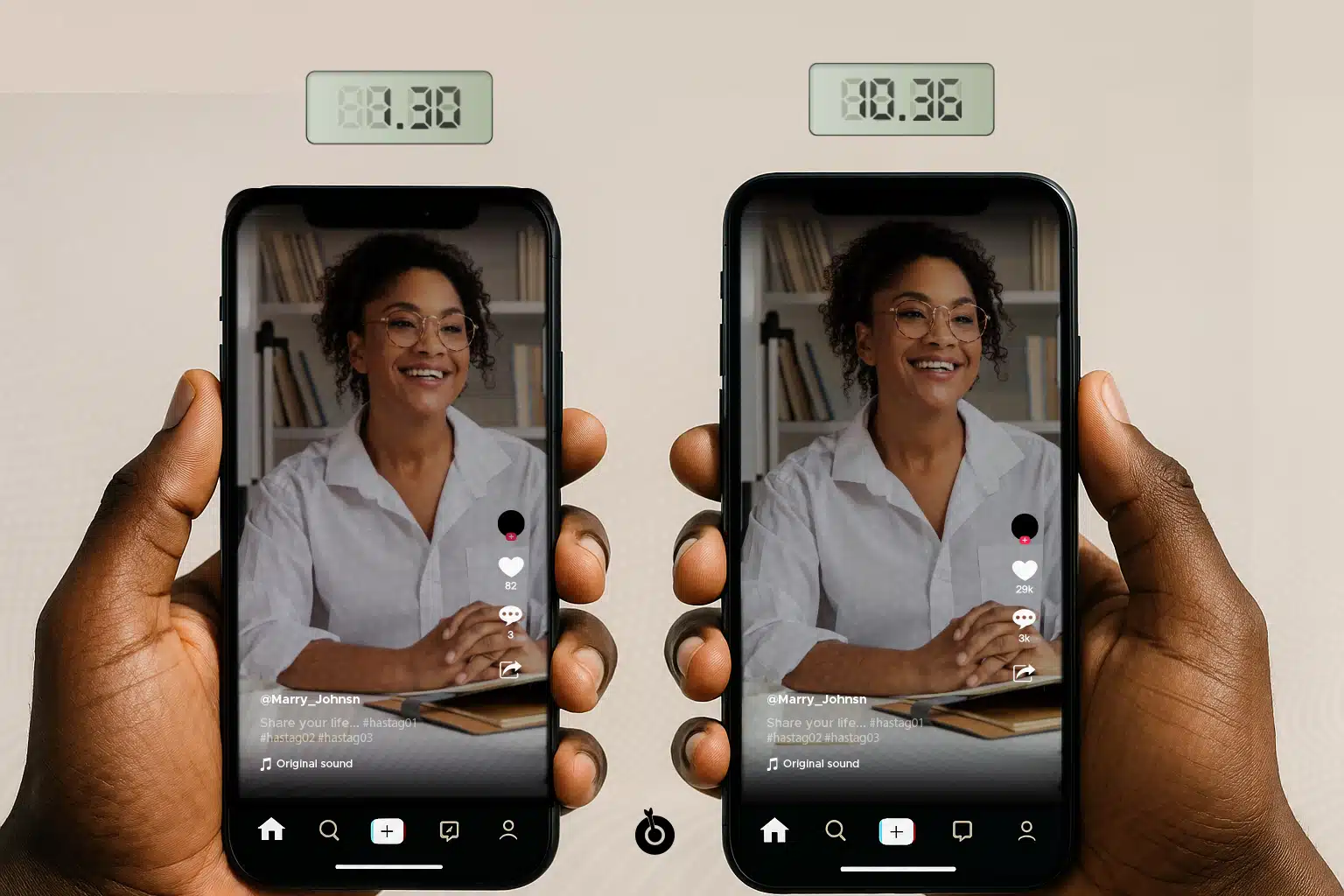
Moreover, test small changes: different opening lines, background music, subtitles and video lengths. Consequently, you slowly build a creative playbook adapted to African audiences in your niche. Ultimately, data does not replace intuition, but it sharpens it.
4. Build real community, not just followers
Brands now care more about engagement quality than follower counts alone. Therefore, you should treat comments, DMs and live streams as vital parts of your work. Respond to questions, ask for suggestions and highlight your fans in your content. Furthermore, this two-way relationship makes your audience more loyal and more likely to support your projects.
Additionally, collaborate with other African creators in your region or niche. Joint videos, duets and shout-outs help you tap into each other’s communities. As a result, collaboration often beats competition in the creator economy.
Key Challenges African Creators Face – And How to Navigate Them
While the opportunity is huge, African creators still face real obstacles. Data costs, device limitations, payment hurdles and burnout can all slow your journey. However, you can plan around many of these challenges if you recognize them early. Consequently, you reduce frustration and keep your creative energy high.
Managing data and device constraints
Many African creators work with limited data and budget smartphones. Therefore, you should optimize your shooting and uploading habits. Record several videos in one session, then batch upload when you find affordable or Wi-Fi connections. Moreover, use phone-friendly editing apps that compress files without destroying quality.
Additionally, keep an eye on platform compression and recommended sizes. Short vertical video (9:16) with clear audio usually performs best across TikTok, Shorts and Reels. Consequently, invest in a simple ring light and affordable microphone when you can. Small gear upgrades often make a big difference.
Payment and currency issues
Because many platforms pay in dollars, creators can struggle with conversion fees and access. However, African fintech tools now offer virtual dollar cards and local bank integrations for payouts. In addition, some platforms support mobile money withdrawals in certain countries. Therefore, you should research payment options early, not after your first viral hit.
Moreover, diversify where you earn income. Relying on one platform’s payout policy can be risky if rules change. Consequently, combine Shorts revenue, brand deals, live gifts and your own products where possible.
Protecting mental health and avoiding burnout
Creating at high volume, under constant public feedback, can exhaust anyone. Furthermore, comparison with other creators often triggers self-doubt. Therefore, you should set boundaries on screen time, comments and posting expectations. It is okay to rest and recharge without feeling lazy.
Additionally, surround yourself with supportive peers who understand the pressures of digital work. Share struggles, strategies and wins. Ultimately, a sustainable creator career is a marathon, not a sprint.
Explore More on Topping Africa
If you want to dive deeper into Africa’s fast-moving creator and innovation stories, you have plenty to discover. Additionally, Topping Africa covers the full spectrum of culture, tech and entertainment shaping the continent’s digital future.
- Technology – Stories on African startups, fintech tools, creator platforms and the digital products powering the new economy.
- Entertainment – Coverage of music, film, celebrity culture and rising influencers changing how Africans consume content.
- Culture & Lifestyle – Deep dives into fashion, lifestyle trends and the social shifts behind Africa’s creative boom.
Moreover, you can explore more articles on African influencer culture, digital entrepreneurship and youth innovation. In addition, you can read more about the creators redefining fame from Nairobi, Kigali, Cairo and beyond.
Conclusion: Your Turn to Join Africa’s New Creator Economy
Africa’s creator economy is no longer a prediction; it is a present reality reshaping careers and industries. TikTok, YouTube Shorts and Instagram Reels give you global reach from a single smartphone and a strong idea. Furthermore, new monetization tools, African fintech startups and local creator studios now support your growth from hobbyist to business owner. Consequently, the playing field has never been more open for ambitious African storytellers.
Ultimately, the question is not whether short-form video will remain powerful in Africa. The real question is how you choose to use it. Will you watch from the sidelines, or will you start creating consistently and claim your share of this new digital economy? Share your thoughts, drop your content handles, and leave a comment below so others can discover your work.
If you are serious about becoming one of the next wave of African short-form stars, start today. Define your niche, craft a repeatable format and learn from your data. Additionally, stay plugged into platforms like Africa News and Business & Economy on Topping Africa for trends in tech, media and the broader digital economy. Subscribe, keep experimenting and let your creativity lead the way.

Staff
Contributing writer at Topping Africa.
0 Comments
No comments yet. Be the first to share your thoughts!