
From Hashtags to Headquarters: How African TikTok Influencers Are Building Brands and Startups
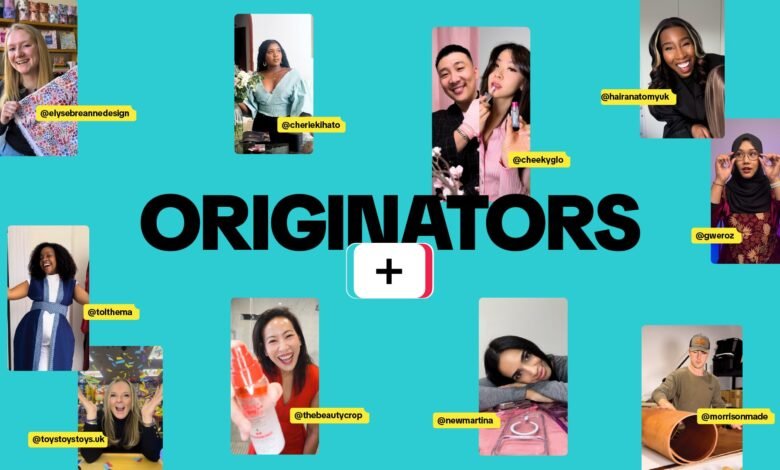
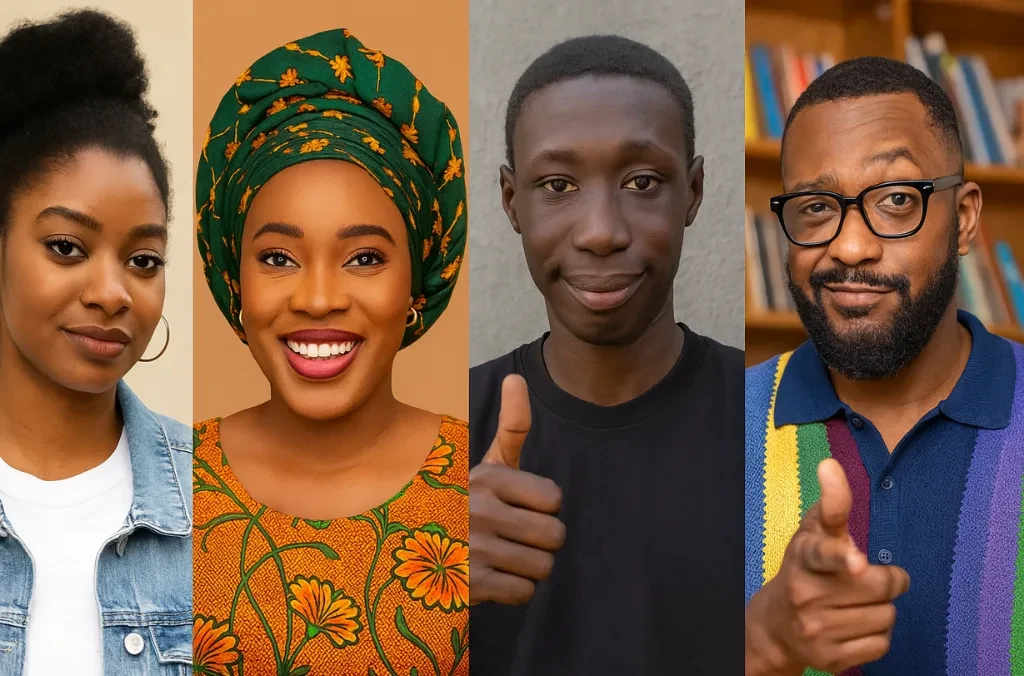
African TikTok influencers are no longer just viral entertainers. Across Nigeria, Kenya, South Africa, and francophone Africa, they are launching brands, talent agencies, and media startups that turn attention into real business power.
African TikTok influencers are no longer just chasing views. They are building brands, launching startups, and turning short videos into real businesses across Nigeria, Kenya, South Africa, and francophone Africa.
Moreover, this shift matters because it shows how creator culture can drive jobs, sales, and new media models. In many cases, a strong audience now matters as much as a traditional office, investor pitch, or TV deal.
African TikTok influencers are moving from fame to ownership
For years, TikTok success was measured by reach, likes, and viral sounds. However, the smartest creators now treat attention as a starting point, not the end goal.
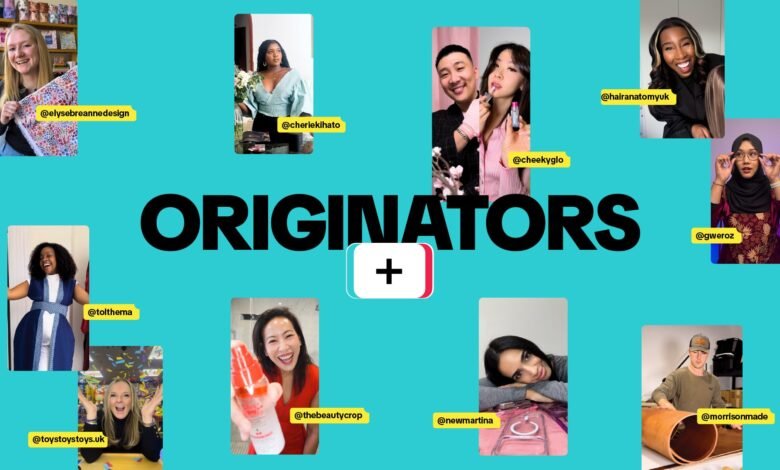
Additionally, they use their audiences to test products, shape demand, and build trust faster than many young brands can. That is why so many African TikTok influencers are becoming founders, not just personalities.
In practical terms, this means creators are monetising in several ways. They earn from brand deals, live streams, affiliate sales, consulting, merchandise, paid communities, and direct product launches.
- Brand partnerships remain a major income stream for creators with strong engagement.
- Product lines let creators convert loyalty into repeat purchases.
- Agencies and media startups help them scale beyond their own pages.
- Events and workshops create offline revenue and deepen audience trust.
Meanwhile, this model fits Africa’s mobile-first internet culture very well. TikTok reaches young, fast-moving audiences who respond quickly to personality, style, and social proof.
Why African TikTok influencers are a business story, not just an entertainment story
Entertainment coverage often stops at the viral moment. Nevertheless, the real story begins when creators build systems around that attention.
According to the TikTok For Business platform, short-form video can help brands connect with audiences through discovery and engagement. That logic explains why African creators now function like mini media companies.
Furthermore, the African creator economy is expanding because brands want faster reach and clearer cultural relevance. Local creators often speak the language, understand the humour, and read the trends better than imported campaigns.
In addition, creators are becoming a bridge between consumer demand and product design. A fashion creator can spot a trend before a retailer does. A food creator can test a new snack idea. A music creator can launch a label or talent network.
African TikTok influencers and the new revenue stack
Successful creators do not depend on one income source. Instead, they build a revenue stack that combines attention, products, services, and ownership.
For instance, a creator may start with sponsored posts, then launch a beauty line, then open a talent agency or production studio. As a result, each new business reduces dependence on one platform or one client.
This model also protects creators from algorithm shifts. If a video underperforms, the audience can still buy a product, attend a show, or book a service.
- Attention brings discovery.
- Trust drives conversions.
- Products create repeat income.
- Teams help scale the brand.
- Ownership creates long-term value.
African TikTok influencers in Nigeria: from skits to scale
Nigeria remains one of Africa’s strongest creator markets because of its large youth audience and vibrant pop culture scene. However, the biggest shift is not just in celebrity status. It is in business structure.
Many Nigerian creators now build fashion labels, talent agencies, media firms, and commerce brands around their content. They use humour, music, lifestyle content, and street culture to create products that feel native to the audience.
Moreover, the Nigerian market rewards speed. A creator can post a trend, test a product idea, and sell within days. That pace makes TikTok a useful launch pad for small businesses.
One clear pattern is the rise of creator-led commerce. Instead of waiting for a big retailer, creators often go direct to fans through social pages, WhatsApp, pop-up sales, and community drops.
- Fashion creators move into clothing brands and accessory lines.
- Comedy creators build agencies, merch, and event businesses.
- Music creators launch labels, promo platforms, or talent pools.
Additionally, this ecosystem supports local suppliers, designers, videographers, and fulfilment teams. In other words, one viral creator can stimulate a wider business chain.
African TikTok influencers in Kenya and South Africa: culture meets commerce
Kenya and South Africa show how TikTok can support both local storytelling and structured business growth. Meanwhile, creators in these markets often combine lifestyle content with strong brand identity.
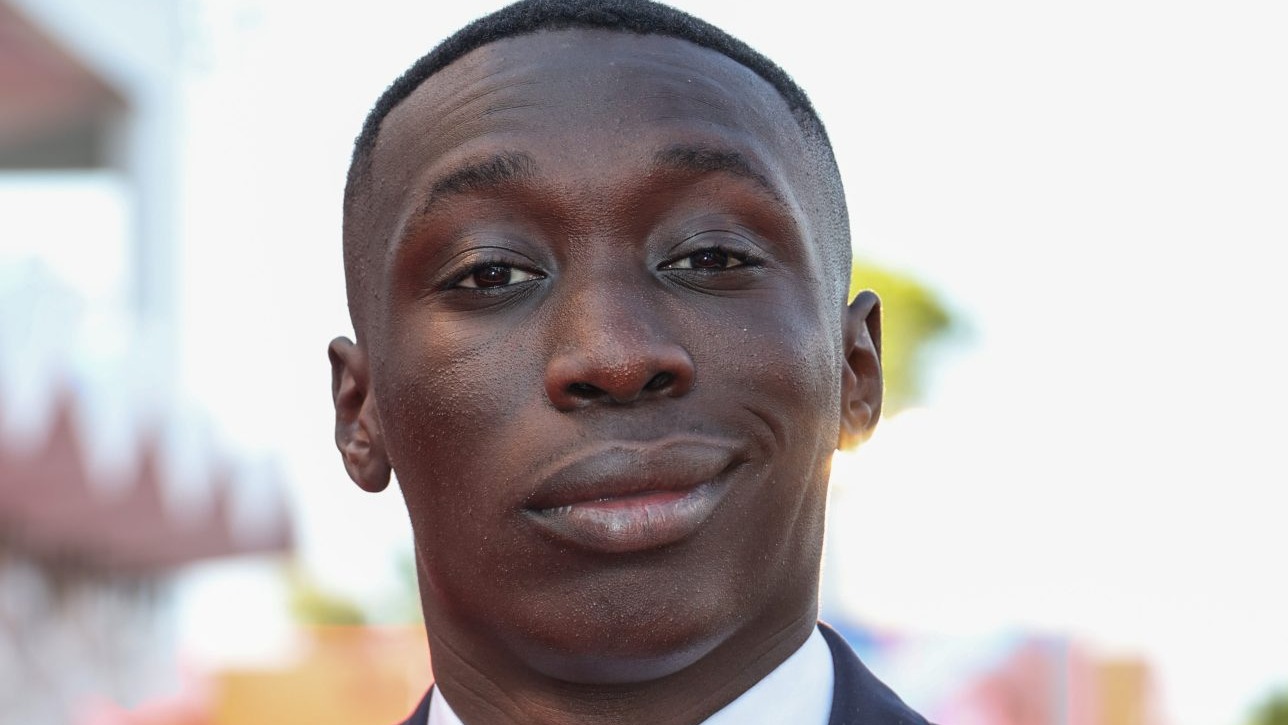
In Kenya, creators use humour, fashion, food, and everyday city life to build loyal communities. Furthermore, these communities are valuable to brands targeting young urban consumers.
In South Africa, creators often operate in a more developed media and retail environment. That gives them more paths into production, events, influencer agencies, and digital products.
Importantly, South African creators also benefit from stronger links between content, celebrity culture, and brand campaigns. As a result, a creator can move from TikTok fame to mainstream media work more quickly.
According to The World Economic Forum, the creator economy is reshaping work, entrepreneurship, and digital income worldwide. That broader trend is visible across African cities, where creators are turning followers into customers and collaborators.
What makes the Kenya and South Africa model different?
Firstly, creators in these markets often think in terms of partnerships, not just posts. Secondly, they build stronger production standards, which helps them attract bigger brand deals.
Furthermore, audiences in these countries are highly style-aware and trend-sensitive. That means creators who build a distinct visual identity can stand out quickly.
Therefore, the smartest creators focus on consistency, packaging, and customer experience. The content opens the door, but the brand keeps people coming back.
Francophone Africa and the rise of cross-border creator brands
Francophone Africa is becoming a powerful part of the creator economy. However, it still gets less coverage in English-language business reporting.
Creators in Senegal, Côte d’Ivoire, Cameroon, and other French-speaking markets are using TikTok to build cross-border visibility. They often mix humour, beauty, music, and local identity in ways that travel well across West and Central Africa.
Moreover, language is becoming an asset instead of a barrier. Francophone creators can build regional audiences that extend beyond one national market, which helps with scale.
In addition, many are creating independent media pages, beauty ventures, and entertainment businesses. This opens new paths for distribution and brand growth.
Their success also shows that African digital culture is not one market. It is a network of connected markets, each with its own style, tone, and buying habits.
How TikTok content becomes a startup blueprint
The smartest African TikTok influencers understand that content can function like market research. Every comment, share, and repeat view gives clues about demand.
For instance, if a creator’s audience keeps asking about a product, that signal can become a business plan. If a joke, catchphrase, or look becomes popular, it can become merch, a service, or a franchise.
Moreover, the startup logic is simple. Test small, learn fast, and scale only after the audience proves interest. That approach lowers risk and improves product-market fit.
- Test ideas through short videos and polls.
- Validate demand with comments and sales.
- Launch with a small product drop or service offer.
- Refine using feedback and repeat buyers.
- Scale through partnerships and distribution.
Consequently, a creator’s page becomes more than a content channel. It becomes a live market lab.
Where the money really comes from
Many people assume creator income comes mainly from viral views. However, the deeper money often sits in brand deals, owned products, and long-term partnerships.
Additionally, creators with strong communities can earn from live events, digital courses, consulting, and talent management. Some also invest in real estate, production equipment, or adjacent startups.
That mix matters because it creates resilience. A creator with a beauty line and a media company is less exposed than one who depends only on sponsored posts.
Below are the most common revenue streams across the African creator space:
- Sponsored content for fast cash flow.
- Affiliate marketing for performance-based income.
- Owned brands for higher margins.
- Talent agencies for service-based expansion.
- Media startups for reach and advertising value.
According to Adweek, creators increasingly act as entrepreneurs who blend content, commerce, and community. That description fits many African TikTok influencers today.
The wider economic impact of African TikTok influencers
The influence of creator-led brands goes beyond individual earnings. Furthermore, these businesses create demand for designers, editors, makeup artists, photographers, logistics providers, and marketers.
They also support a new class of youth-led entrepreneurship. In many cases, a creator’s first hire is another young African professional who understands digital culture.
As a result, the creator economy can support both formal and informal work. It can also make local products more visible in crowded consumer markets.
This matters across Africa because small and mid-sized businesses often struggle with awareness. Creator partnerships offer a cheaper, faster route to trust.
Moreover, the social effect is important. Young audiences now see a path from content creation to company building. That changes how they think about work, ambition, and success.
What brands should learn from this shift
Firstly, brands should stop treating creators as one-off ad placements. Secondly, they should treat them as long-term partners with audience insight.
Furthermore, brands that work with African TikTok influencers should give them room to shape the story. The creator usually knows what feels authentic to the audience.
In addition, partnerships work best when they are built around clear value. That could mean sales, sign-ups, event turnout, or brand awareness.
Therefore, the smartest campaign strategy is not just reach. It is relevance, trust, and conversion.
African TikTok influencers to watch in the next wave
The next wave of African TikTok influencers will likely look even more entrepreneurial. Meanwhile, audiences are becoming more selective, so trust will matter more than raw follower counts.
Creators who win will usually do three things well: they build a distinct voice, they understand business basics, and they stay close to their communities.
Additionally, the strongest names will not always be the loudest. Some will grow through niche expertise in fashion, beauty, food, music, education, or local culture.
For readers who follow the rise of African content creators, this is the moment to pay attention. The platform is still moving fast, and the next big brand may already be hiding inside a 30-second clip.
Explore more on Technology, Business & Economy, and Entertainment for more stories on digital culture and creator-led growth.
Explore More on Topping Africa: Technology & Innovation covers the tools powering Africa’s digital boom. Fashion tracks the style brands emerging from creator culture. Business & Economy follows the founders turning attention into revenue.
Discover more creator stories, and share your thoughts in the comments below.
Ultimately, the rise of African TikTok influencers shows how digital fame can become real enterprise. The hashtag is only the beginning; the headquarters is the next step.
Read more about the African creator economy and subscribe for more sharp coverage of the people shaping it.

Staff
Contributing writer at Topping Africa.
0 Comments
No comments yet. Be the first to share your thoughts!