
From Collabs to Policy Change: How African Influencers Are Rewriting Governance on Social Media
African influencers are turning global collabs into real leverage on jobs, climate, entrepreneurship and women’s economic power. Discover how their social media campaigns now shape policy debates, unlock investment and rewrite governance across the continent.
How African influencers and governance are colliding in a new digital era
You are living through a moment where African influencers and governance are finally colliding in full view. Moreover, cross-continent collabs are no longer just about brand deals or viral dances. Instead, African creators now sit at the table on jobs, climate, entrepreneurship and women’s economic power. Consequently, what started as sponsored posts is quietly reshaping how policy conversations move across the continent.
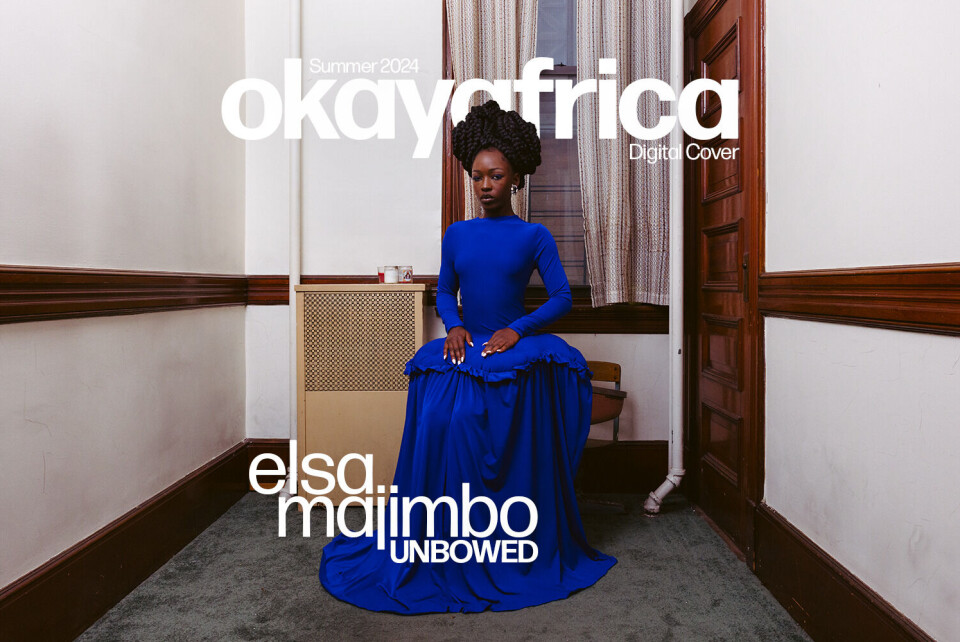
In this new wave, influencers do more than chase likes. Furthermore, they help frame what “development” looks like for a young, online African majority. Notably, when a Nollywood star or Kenyan YouTuber partners with a US tech mogul, it does not end on TikTok. Instead, that energy often spills into public campaigns, startup funding, and even parliamentary hearings.
Why African influencers and governance now move together
Governments, brands and multilateral agencies now accept a simple truth: you go where the audiences are. Consequently, that means you go to creators’ timelines. Africans under 35 dominate social platforms, and they are more likely to trust a relatable creator than a press release. Therefore, this trust gives influencers huge soft power in shaping how people see policy issues.
In particular, creators now feature in climate summits, startup accelerators and women-in-tech forums as headline speakers. Additionally, organisations like the WHO and UNICEF increasingly partner with African influencers to boost health and vaccine campaigns. For instance, research on health communication shows influencers can drive trust and behaviour change when they share clear, localised content in academic studies. As a result, the same playbook now guides collaborations around jobs, climate and economic reform.
The policy–pop culture–platform triangle
To understand this shift, you need to see three forces moving together. Firstly, African creators have turned social feeds into full-scale media channels, backed by data, teams and production budgets. Secondly, global celebrities and brands want authentic access to African youth conversations. Thirdly, policymakers now realise they can no longer ignore digital narratives when designing programmes.
Consequently, when an African creator co-hosts an entrepreneurship livestream with a global star, they often invite startup founders, regulators and investors into the same digital room. Moreover, these sessions feed public pressure for easier business registration, smarter climate funding and fair creator economy rules. Ultimately, the triangle of policy, pop culture and platforms is where governance now happens in real time.
10 powerful collabs where African influencers push governance into the chat
Below is a curated snapshot of creators and collabs shaping how governance topics trend across Africa. Importantly, this is not a ranking. Instead, it is a map of how influence travels from Reels and Shorts into boardrooms, parliaments, town halls and startup hubs.
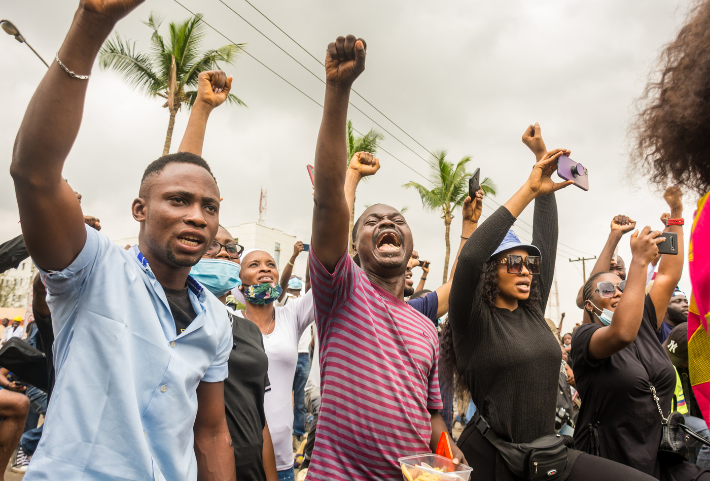
1. Elsa Majimbo & global fashion houses – from memes to economic power
Kenyan comedian and content creator Elsa Majimbo exploded on Instagram and TikTok during the pandemic. Initially, her short, witty monologues focused on self-love, laziness and playful satire. However, her rapid rise into global campaigns with Fenty, Valentino and MAC signalled something deeper. Global fashion finally recognised African Gen Z humour and identity as trend-setting, not niche.
Consequently, Majimbo’s story became a case study on creative labour, African IP and the value of online comedy. In particular, her deals show how a solo creator can negotiate on equal terms with global luxury brands. Moreover, her move into gaming and storytelling feeds wider debates on African women owning their image and bargaining power online. If you care about digital labour rights, you should watch how she frames her business choices.
2. Davido & diaspora investors – music as a bridge to tech and policy
Nigerian superstar Davido is known globally for hits and stadium tours. Yet he also serves as a soft-power ambassador bridging entertainment, tech and policy. For instance, his visibility around events like the US–Africa Leaders Summit and diaspora-focused investment forums keeps Nigeria’s youth economy in global view. Additionally, his public support for younger entrepreneurs and fintech founders helps make tech aspirational for mainstream fans.
Notably, when artists like Davido appear beside policymakers and US or European investors, they help normalise African startup stories. Furthermore, this cross-over encourages ministries and regulators to treat the music, tech and creator sectors as serious economic engines. Explore more stories like this in our Music and Business & Economy sections.
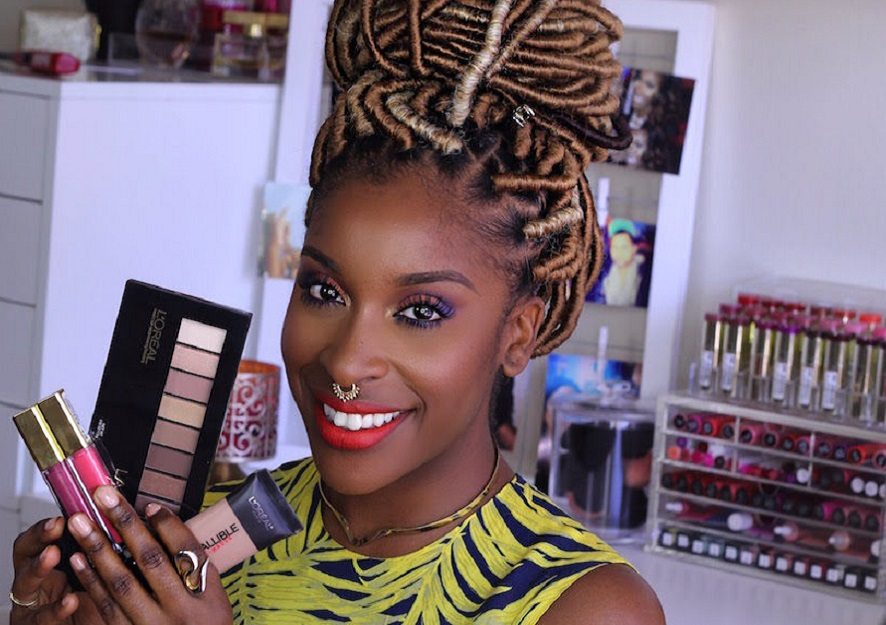
3. Jackie Aina & global beauty brands – the business of inclusion
US-based Nigerian beauty influencer Jackie Aina built her authority by demanding inclusion in shade ranges and campaigns. Over time, she turned YouTube reviews into boardroom conversations about representation and inclusive formulas. Importantly, her work with brands like Too Faced and Anastasia Beverly Hills helped push concrete product changes. Therefore, millions of dark-skinned African and diaspora women now see more accurate shades on shelves.
Furthermore, Aina uses her platforms to discuss pay equity and contract fairness for Black creators. Consequently, African influencers who negotiate beauty deals today benefit from standards she helped set. In addition, African regulators debating advertising codes, skin-lightening bans and influencer disclosures now operate in a world where beauty activism is normal. If you are a rising beauty creator, you can study her transparent breakdowns of the business side of influence.
4. Vanessa Nakate & youth climate diplomacy
Ugandan climate activist Vanessa Nakate rose to global attention after media outlets cropped her out of a photo with European climate activists. However, she swiftly turned that moment into a powerful conversation about African visibility in climate discourse. Since then, she has collaborated with global climate figures, NGOs and UN agencies. Moreover, she uses social media to connect local African climate stories with global policy rooms like COP summits.
In particular, Nakate’s work highlights how climate finance, loss and damage, and energy access affect African youth. Consequently, her Twitter (X), Instagram and book tours help press leaders to treat Africa as central to climate decisions. For deeper context on influencers and social cohesion, see analysis on influencers and online behaviour. Read more about Africa’s climate innovation and tech in our Technology and Politics & Governance hubs.
5. Tony Tiyou & climate-tech storytelling in francophone Africa
Cameroon-born climate entrepreneur Tony Tiyou leverages LinkedIn, podcasts and public speaking to spotlight African climate-tech startups. Additionally, he often partners with European institutions, think tanks and investors to bridge funding gaps for Francophone founders. Importantly, his content helps demystify topics like carbon markets, green bonds and climate adaptation for younger African audiences.
Consequently, when he hosts or joins panels with global climate leaders, he brings specific African startup case studies into the room. Moreover, this storytelling supports advocacy for fairer financing rules and tailored climate regulations. If you are a founder, pay attention to how he uses data, not just vibes, to make the policy case for African green innovation.
6. Bozoma Saint John & the power of African talent in global boardrooms
Ghanaian-American executive Bozoma “Boz” Saint John is not a traditional influencer. However, her social presence and keynote talks carry huge influence over how global companies see African talent and markets. Previously, she held senior roles at Uber, Apple Music and Netflix, and she consistently highlights African creatives and entrepreneurs in her storytelling.
As a result, when Boz tours African conferences or appears on international stages, she normalises Africa as a place of premium talent. Additionally, she brings board-level language about brand building and creator monetisation back to African startups and content houses. Ultimately, her influence pushes both investors and policy actors to treat the African creative and tech sectors as high-value, not high-risk.
7. The Trybe Africa, Nollydata & data-driven Nollywood influence
Nigerian content and data platforms like The Trybe Africa and NollyData use social media to track what works in Nollywood and African streaming. Importantly, their threads and video explainers break down box office numbers, streamer deals and audience trends. Consequently, filmmakers and policymakers now have clearer evidence when arguing for investment, film funds or export incentives.
Moreover, as these platforms collaborate with global streamers and entertainment analysts, they help frame Nollywood as a structured industry. In addition, their influence nudges regulators to modernise film policies around royalties, tax breaks and digital distribution. Discover more on Africa’s screen revolution in our Movies + TV and Entertainment sections.
8. AfroTech, Afrochella alumni & the tech–festival crossover
AfroTech and Afrochella (now AfroFuture) sit at the intersection of music festivals, tech conferences and diaspora networking. While AfroTech is US-based, its platforms feature African founders and creators pushing fintech, edtech and creative-tech plays. Meanwhile, AfroFuture in Ghana brings music superstars, creators and investors into the same physical and digital space.
Consequently, influencers who host panels or backstage interviews at these events help translate investor language into everyday stories. Additionally, hashtags from these festivals spotlight issues like visa access for African founders, startup regulation and cross-border payments. Therefore, ministries of tourism, trade and digital economy increasingly treat such festivals as soft-power assets that deserve supportive policy.
9. African health creators & pandemic-era policy engagement
During COVID-19, African doctors, nurses and public health influencers on TikTok, Instagram and YouTube played a vital role. They explained vaccines, debunked myths and shared local realities in languages people trust. Studies highlight how social media influencers, when used thoughtfully, can strengthen public health communication in African contexts according to health research.
Moreover, ministries of health and agencies like Africa CDC increasingly use creator partnerships in their strategies. Consequently, this opened doors for more structured conversations about data transparency, health budgets and digital misinformation policies. If you want to understand how governance adapts to online life, follow what health creators did during and after the pandemic.
10. Women-in-tech influencers & digital rights advocates
Across Nigeria, Kenya, South Africa and beyond, women-in-tech influencers document their journeys through coding, product roles and startup founding. Additionally, they often collaborate with global companies like Google, Meta and Microsoft on scholarship and accelerator campaigns. Importantly, these collabs spotlight issues like pay gaps, harassment, access to capital and the need for gender-sensitive fintech products.
Consequently, when they share threads or host Twitter Spaces with regulators, they bring lived experience into dry policy debates. Moreover, their impact stretches from startup ecosystems into fintech rules, cybersecurity policies and digital rights frameworks. Explore more women-led innovation stories in our Culture & Lifestyle and Technology verticals.
How African influencers turn collabs into real governance impact
It is easy to see brand deals and assume it all ends with a pay cheque. However, African creators who understand policy change follow a clear playbook. They merge storytelling, community building and strategic partnerships. As a result, they can move from simple awareness to real influence over programmes, budgets and investment choices.

1. Framing policy as a lifestyle conversation
Policy can feel distant, but creators make it part of everyday life. For instance, a fashion influencer talking about import tariffs on fabrics links trade policy to your wardrobe. Similarly, a travel vlogger explaining e-visa reforms connects immigration rules to your holiday plans. Consequently, people update how they think and vote with their wallets.
Additionally, creators who embed governance topics into vlogs, GRWMs and skits avoid “lecturing” their audience. Instead, they translate complex ideas into emotional stories and simple visuals. Ultimately, this framing helps public campaigns reach people who never read policy briefs.
2. Building cross-continent coalitions
Many of the most powerful collabs pair African influencers with diaspora or global celebrities. Notably, these partnerships offer three big wins:
- They expand reach across continents and demographics.
- They combine local context with global clout when engaging policymakers.
- They attract bigger brand budgets and philanthropic funding for campaigns.
Moreover, when creators share the same message across Lagos, London and Los Angeles, policymakers pay attention. In addition, global brands often align their advocacy and CSR with these aligned creator narratives. If you are planning a campaign, you should map where your issue sits within these coalitions.
3. Turning content into data and advocacy
Smart creators now treat their feeds like a living focus group. Consequently, they use polls, Q&As and comment analysis to understand what their communities really need. Moreover, when they take meetings with ministers, NGOs or investors, they bring this feedback as evidence. That shift turns “influencer opinion” into community-backed insight.
Additionally, some African creators work with think tanks and research labs to package their insights. For example, collaborations with media research centres on influencer regulation and online news creation are growing as documented in policy research. Ultimately, this data-driven approach helps shape better rules for the creator economy itself.
Opportunities for brands, startups and institutions in this new landscape
If you run a brand, startup or public institution in Africa, you cannot ignore this shift. Instead, you should design thoughtful, long-term partnerships with creators. Furthermore, you must treat influencers as strategic partners, not as last-minute media buys. Consequently, you will see stronger impact on both brand metrics and governance goals.
Best practices for working with governance-focused creators
To collaborate well, you need a clear playbook. Consider the following steps when you work with African influencers on governance or development themes:
- Define the policy goal: Additionally, clarify which behaviour, budget or rule you want to influence.
- Choose aligned creators: Importantly, pick influencers who already discuss related topics with credibility.
- Co-create content: Moreover, invite creators into early strategy, not just final approvals.
- Respect their audience: Consequently, avoid scripts that feel like propaganda or corporate jargon.
- Measure beyond impressions: In addition, track petition signatures, event sign-ups, investment leads or policy mentions.
Furthermore, you should build internal social media policies that support ethical creator collaborations. Resources like the Target Internet guide on social media policies can help shape internal rules according to industry experts. Explore more on digital strategy and Africa’s creative economy in our Africa News and Opinion & Editorial pages.
How African startups can ride the governance wave
African tech startups sit at the heart of this new governance conversation. Many of them solve problems around payments, climate, logistics and talent, which are policy-heavy spaces. Therefore, they gain a lot when influencers help explain why rules matter. Additionally, startup–creator collabs can bring investor interest and consumer trust in one move.
Specifically, founders can:
- Partner with niche influencers who understand fintech, agtech or climate-tech deeply.
- Host live policy chats bringing regulators and users together on Instagram, Spaces or YouTube.
- Sponsor educational content that explains how new laws affect daily life and job creation.
Moreover, by supporting creators who advocate for fairer startup environments, founders indirectly lobby for better policies. As a result, they contribute to a healthier digital and business ecosystem for the whole continent.
Explore more on Topping Africa
If you want to keep up with how African influencers and governance keep evolving, you should plug into the wider conversation. Discover more deep dives, trend reports and creator spotlights across our sections.
- Technology – Stories on African tech startups, creator tools, fintech and digital policy shaping the continent.
- Business & Economy – Insights on investment, trade, jobs and the money behind the creator economy.
- Culture & Lifestyle – Features on fashion, music, travel and the influencer culture redefining modern African life.
Explore more features, subscribe to stay ahead of the next wave of collaborations, and share your thoughts with the Topping Africa community. Additionally, leave a comment below on which creator you think is driving the boldest policy conversations right now.
Conclusion: The future of African influencers and governance
African creators are no longer waiting for seats in formal power structures. Instead, they are using cross-continent collabs, brand deals and digital communities to rewrite how governance happens. Moreover, the most effective ones blend entertainment, data and activism with a clear eye on real-world change.
As governments, investors and global celebrities keep turning toward Africa, creators will shape which stories win. Consequently, the next big move in jobs, entrepreneurship, climate or women’s economic power might start as a Reel you scroll past. Read more about these shifts across Topping Africa, and do not just watch from the sidelines – participate, collaborate and help steer how digital power shapes the continent’s future.

Staff
Contributing writer at Topping Africa.
0 Comments
No comments yet. Be the first to share your thoughts!