
From Kigali to the World: African Startups Solving Local Problems
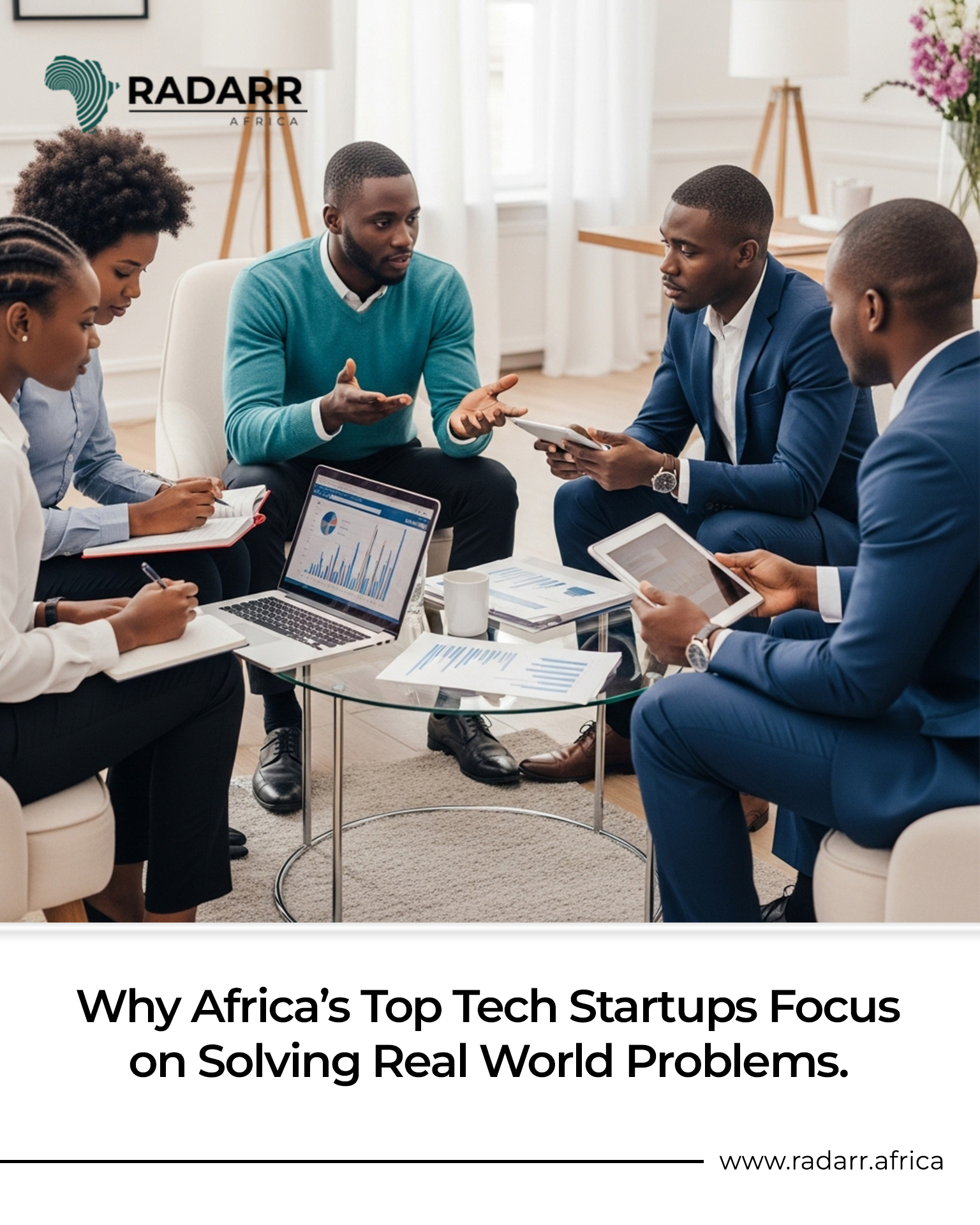
From Kigali to Lagos, African tech startups solving local problems are turning everyday challenges into global fintech, healthtech and cleantech solutions. Discover the founders, hubs and storytellers driving this new wave of optimistic African innovation.
From Kigali to the World: Why African Tech Startups Solving Local Problems Now Matter Globally
You are living through a quiet revolution. Across Kigali, Lagos, Nairobi and Cape Town, African tech startups solving local problems are turning daily challenges into global products. These founders do not wait for Silicon Valley to notice them. Instead, they build for boda riders, informal traders, off-grid homes and crowded clinics, then scale those same solutions to the world.

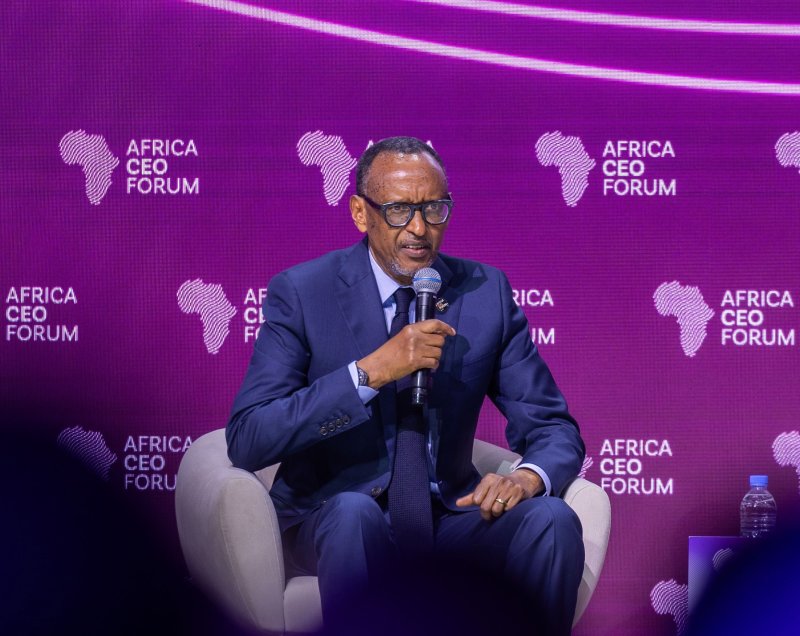
Importantly, this new wave echoes President Paul Kagame's call for Africa to leverage its own wealth, talent and innovation. Consequently, you now see founder-led stories at summits like the Africa CEO Forum and Gitex Africa, not just policy talk. Moreover, accelerators in Kigali’s Innovation City or Lagos’ Yaba are giving startups the tools to grow far beyond their home markets.
In this feature, you will discover the fintechs, healthtechs and cleantechs quietly going global. Furthermore, you will see how storytellers, influencers and ecosystem builders help African brands travel from local pilot to global playbook. Ultimately, this is your guide to the next generation of African innovation.
Kagame’s Vision in Action: Local Problems as a Launchpad
When President Kagame tells African leaders to "stop going around with a begging bowl," he is speaking directly to this moment. Notably, the most exciting African tech startups solving local problems now treat constraints as fuel, not excuses. Poor infrastructure, cash-heavy economies and patchy power all push founders to design tougher, smarter products.
For instance, Google's 2024 spotlight on African startups shows how founders from Ghana to Nigeria now drive new waves of job creation and inclusion. Google Africa highlights how tools like Oze in Ghana or Healthtracka in Nigeria solve real pain points for small businesses and families. As a result, global investors now track Africa's startup scene as a strategic growth market, not an aid story.
Similarly, the Africa CEO Forum and Rwanda’s own "Kigali Innovation City" align capital, policy and talent around tech ecosystems. Consequently, when founders pitch in Kigali today, they aim for global markets from day one. If you care about the future of African business, this is where you should keep your eyes.
Fintech Frontlines: Payments, Credit and Informal Economies
Fintech still leads the charge for African tech startups solving local problems. Across the continent, cash, long queues and limited formal banking once locked millions out of opportunity. Now, mobile-first startups turn USSD codes, smartphones and agent networks into full financial systems.
Importantly, a 2024 update from Registry Africa shows how early African mobile money experiments now influence global payments. Moreover, fintechs are no longer just copying M-Pesa. Instead, they bundle savings, credit scoring, insurance and cross-border trade in one simple interface.
From Kigali to Lagos, here are key fintech models turning hyper-local problems into exportable tech:
- Agent-based wallets that let informal traders deposit and withdraw cash within walking distance.
- SME finance apps that translate paper ledgers and WhatsApp orders into usable credit histories.
- Remittance platforms designed for diaspora flows, community savings groups and small export deals.
- Embedded finance tools hiding complex banking behind simple "Pay" or "Save" buttons in everyday apps.
Consequently, local kiosks, moto-taxi stages and border markets now double as financial access points. In addition, these same products give global investors rare insight into informal economies that traditional banks never understood.
Case Study: Kigali’s Fintech Builders and Data Storytellers
In Kigali, a new wave of founders and product managers is building for East and Central Africa from a single tech hub. Many work inside innovation spaces linked to Kigali Innovation City and cross-border accelerators. Furthermore, they partner with regional banks that want to reach youth, gig workers and small merchants.
For instance, several Rwandan startups now focus on digitising savings groups and small co-ops. These are the social backbone of many communities. Consequently, when those groups go digital, members build credit histories that travel with them to cities and across borders.
Meanwhile, African content creators on TikTok, YouTube and X explain these tools in local languages. As a result, adoption grows faster, and trust builds deeper. If you track Business & Economy trends, you will see fintech stories now blend code, culture and creator influence.
Healthtech: From Home Diagnostics to AI-Powered Clinics
Healthtech is another arena where African tech startups solving local problems now set new standards. Long travel distances, crowded clinics and talent shortages mean digital tools can improve lives very quickly. Therefore, founders design for low bandwidth, low budgets and high need.
Notably, Google’s feature on African startups driving economic growth highlights Nigeria’s Healthtracka. The company brings lab tests to people’s homes, supported by online results and remote doctors. Similarly, across East Africa, new apps handle chronic disease monitoring, mental health support and maternal care reminders.
Across Kigali, you now see pilots where nurses use tablets for triage, AI helps flag risk cases, and SMS nudges keep patients on treatment. As a result, clinics become smarter without needing expensive hardware. Importantly, this same mix of mobile, diagnostics and AI now attracts interest from global health systems facing similar pressure.
How Healthtech Startups Scale Beyond Borders
Furthermore, African healthtechs design products that travel well. They build for fragile connectivity, simple user flows and multi-language support. Consequently, their tools can plug into clinics from Lusaka to Lahore with few changes.
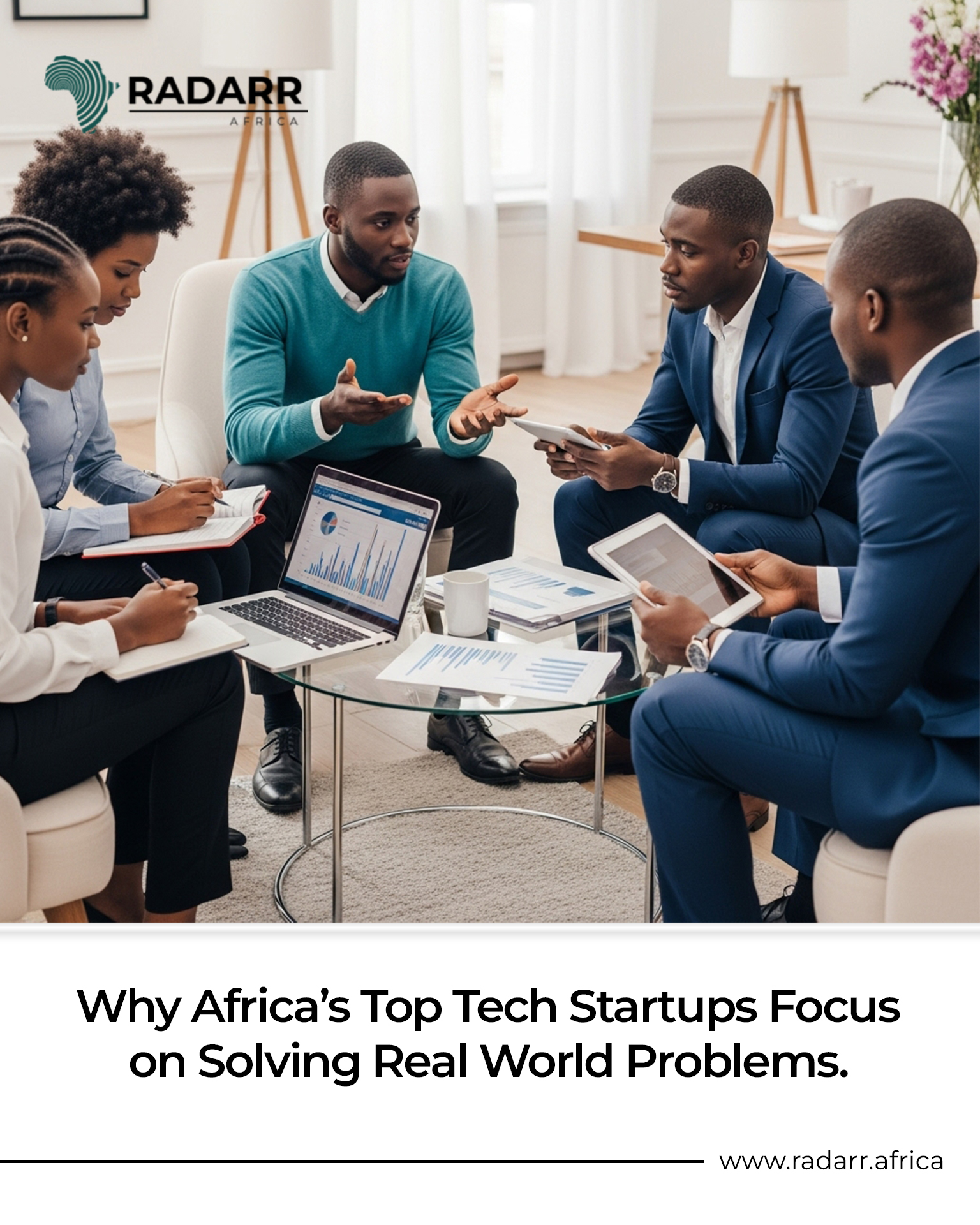
Typically, scaling healthtech startups focus on three pillars:
- Partnerships with insurers and employers to make preventive care the default, not the exception.
- Interoperable data standards so lab results, visits and prescriptions talk to each other securely.
- Creator-led education where nurses, doctors and health influencers explain complex topics in clear, local language.
In addition, major universities and hubs like MIT Sloan track these models as global case studies. A recent piece from MIT Sloan stresses how branding and storytelling now shape which African startups win on the world stage. Therefore, if you are a founder, how you tell your health impact story matters as much as the tech stack.
Cleantech and Climate: Powering the Next Billion Sustainably
Africa sits at the frontline of climate risk and climate opportunity. Consequently, cleantech is no longer a niche. It is core business for many African tech startups solving local problems in energy, agriculture and mobility.
Across Kigali and other rising eco-cities, solar mini-grids, pay-as-you-go home systems and smart metering platforms now power homes and businesses. Moreover, startups design pricing plans for people who earn daily or weekly, not monthly. That means mobile money, small instalments and smart hardware all work together.
Meanwhile, agri-tech founders build tools that help farmers handle drought, pests and market shocks. From soil data apps to drone mapping and shared tractor platforms, they use tech to protect both yields and incomes. As a result, local food systems grow more resilient and attract green investment.
Sector Snapshot: Solar, Mobility and Circular Economy
If you scan cleantech accelerators across the continent, you will notice three fast-growing themes. Importantly, each of them blends hardware, software and creative finance.
- Solar home and business systems with smart meters and mobile money integration for tiny, flexible payments.
- E-mobility platforms turning motorbike taxis, delivery fleets and buses electric, one swap or lease at a time.
- Circular economy startups that upcycle plastic, e-waste or organic waste into new materials and products.
Consequently, global climate funds now look to African cleantech for scalable models that can work in Asia and Latin America. If you follow Technology and green innovation, you will see more Kigali-based startups pitching at climate summits and COP side events every year.
Founders, Accelerators and the Power of Story
Behind every breakout startup sits a network of accelerators, hubs, angels and storytellers. In Kigali, you can walk from an incubator to a co-working space to a fintech meetup in a single afternoon. Similarly, Lagos, Nairobi and Accra host dense webs of talent and mentors.
Importantly, these hubs now treat communication, brand and narrative as core skills. The MIT Sloan piece on positioning African startups shows why. It argues that storytelling is no longer optional for founders seeking global partners and customers.
Therefore, when accelerators coach teams for investor days, they focus on three simple questions. What real local problem do you solve? Why do users love your product? How do you grow profit and impact together? If you can answer these clearly, you can pitch in Kigali today and San Francisco tomorrow.
Influencer Culture and African Content Creators as Growth Engines
Moreover, African content creators now play a huge role in startup success. From Nairobi tech YouTubers to Kigali-based TikTok hosts, they turn complex products into culture. Consequently, they help founders reach young, digital-first audiences faster and at lower cost.
For example, when a fintech or healthtech launches, creators often host live demos, Q&As and user tutorials in local languages. In addition, they share honest reviews and use stories that build trust far more quickly than traditional ads. As you explore Entertainment and creator culture, watch how often startups now feature in skits, vlogs and short films.
Ultimately, this blend of tech, storytelling and culture is one reason African startups scale beyond borders. Global users are not just buying a tool. Instead, they buy into a narrative of resilience, creativity and community that Africa exports so well.
From Local Pilot to Global Playbook: What Sets African Startups Apart
So what truly makes African tech startups solving local problems stand out when they go global? Notably, they design for volatility, patchy infrastructure and complex informal markets from day one. That makes their products tough enough for many other regions too.
A recent comparison on Tech in Africa notes that African founders often rely on creativity where others lean on infrastructure. Consequently, they prioritise offline modes, low data use and simple interfaces that work on older phones. In addition, they often embed human agents, community groups or cooperatives inside their business models.
If you want a quick summary, consider these core advantages:
- Constraint-driven design makes products resilient and affordable in tough markets.
- Deep community ties build trust and adoption where big global platforms struggle.
- Creator-powered storytelling spreads new tools faster than paid media alone.
- Pan-African ambition from day one turns regional diversity into a rehearsal for global scale.
Therefore, when these startups land in Asia, Latin America or underserved parts of Europe, they often feel more "native" than imported Western tools. If you care about inclusive global tech, you should watch this playbook closely.
Actionable Lessons for Founders Across Africa
If you are building your own startup in Kigali, Kampala, Accra or beyond, you can borrow a few proven moves. Firstly, start narrow and local. Solve one clear problem for a focused group instead of everything for everyone. Secondly, track impact metrics from day one. Investors now expect numbers on jobs created, emissions saved or time gained, not just downloads.
Moreover, invest early in brand and storytelling. Your pitch deck, landing page and short vertical video should all tell the same simple story. In addition, build relationships with creators who reach your target users and share your values. Together, you can turn your startup into a movement, not just an app.
Finally, plug into ecosystems. Join demo days, pitch competitions and sector summits linked to hubs like Kigali, Nairobi and Cape Town. If you read Africa News and Opinion & Editorial on Topping Africa, you will spot many of these events and opportunities ahead of time.
Explore More on Topping Africa
If this story of "From Kigali to the World" inspires you, do not stop here. Instead, explore more deep dives and profiles across Topping Africa.
- Technology – Weekly coverage of African startups, apps, devices and digital trends shaping the continent.
- Business & Economy – Founder stories, funding news and playbooks for building scalable African companies.
- Culture & Lifestyle – Where tech meets music, fashion, creator culture and everyday African life.
Additionally, subscribe to stay ahead of the next big founder story from Kigali, Lagos or Nairobi. Share your thoughts and tell us which startup or creator we should profile next.
Conclusion: Kigali as a Symbol of Africa’s Tech Future
Kigali now stands as a symbol for a much bigger shift. Across the continent, African tech startups solving local problems now build products that carry Africa’s creativity to the world. Furthermore, they prove that you can start with boda riders, smallholder farmers or street vendors and still reach global markets.
Ultimately, Kagame’s call to rely on Africa’s own wealth and innovation is already taking shape in code, solar panels and short videos. If you back these founders as a user, investor or storyteller, you help accelerate that future. Explore more, read more, and leave a comment wherever you see these stories shared.
Because when the next unicorn or impact giant steps onto a global stage, there is a good chance their journey ran through Kigali – and through the everyday local problems they chose to solve first.

Staff
Contributing writer at Topping Africa.
0 Comments
No comments yet. Be the first to share your thoughts!