
Africa’s New Mental Health Movement: Creators, Startups & Faith
Across Africa, a new mental health movement is rising. Creators, startups and faith-based communities are teaming up to make care more accessible, culturally rooted, and digital-first for the next generation.
Africa’s new wave of African mental health advocates
Africa’s boldest African mental health advocates are no longer just doctors or policy experts. They are TikTok therapists, podcast hosts, wellness founders, pastors, and startup builders who speak your language and understand your culture. Moreover, they are turning mental health from a taboo topic into a mainstream lifestyle conversation. Consequently, if you care about tech, creators, or faith-driven change, this new movement is impossible to ignore.

Today’s African wellness revolution lives at the intersection of social media, startups, and spirituality. Furthermore, creators host live Instagram therapy sessions, while early-stage founders launch AI chatbots in Kiswahili, Yoruba, Amharic, and isiZulu. In addition, churches and mosques now run mental health small groups and refer members to trained counselors. Ultimately, Africa’s mental health story is shifting from silent suffering to visible, community-led healing.
Why African mental health advocates matter right now
Across the continent, mental health needs are huge, but support has often lagged behind. According to the World Health Organization, more than one billion people globally live with a mental health condition, and Africa carries a major share of this burden. However, many countries have fewer than one psychiatrist per 100,000 people. Consequently, if care stays locked inside hospitals, most people will never receive help.
That is why community-based innovation is so important. Notably, initiatives like the WHO mhGAP programme help train non-specialists so primary clinics can handle common mental health conditions. Meanwhile, African startups and creators are adding local context, youth culture, and digital tools on top of that base. As a result, you now see mental health tips on your For You Page, not just in medical journals.
In particular, the new generation of African mental health advocates has three powerful advantages. Firstly, they communicate in everyday language, not clinical jargon. Secondly, they move fast on social platforms and build trust with young audiences. Thirdly, they design tools that actually fit African realities, from low data bundles to community-first support. If you want to understand where African wellness is going, follow these voices.
Creators at the front line: African mental health advocates going viral
On your timeline, mental health now looks like a creator-led masterclass. Across Lagos, Nairobi, Johannesburg, Accra, Kigali and beyond, content creators mix therapy, humor, and lived experience to spark real conversations. Moreover, many of them are trained psychologists or coaches who translate complex ideas into 60-second clips. Consequently, mental wellness feels less like a diagnosis and more like a lifestyle upgrade.
Notably, African TikTok and Instagram are full of short videos on anxiety, burnout, and soft life boundaries. For instance, Kenyan and Nigerian therapists share quick breathing exercises and “how to say no” scripts in Pidgin, Sheng, or Luganda. In addition, African diaspora voices on YouTube host long-form conversations on trauma, faith, and healing. Therefore, you can find a creator who sounds like your cousin, your pastor, or your favorite radio host.
Here are some common content formats that are winning right now:
- Storytime videos where creators share their own mental health journeys and recovery paths.
- Micro-therapy tips like “3 grounding exercises for panic attacks” or “5 ways to reset after a bad day”.
- Live Q&A sessions on Instagram, Twitter Spaces, or TikTok Live discussing depression, relationships, and work stress.
- Faith and therapy series that unpack how prayer, therapy, and community all work together.
Furthermore, brands now partner with wellness creators for campaigns around World Mental Health Day and Youth Month. Many of these collaborations target Gen Z and young professionals in major African cities. In addition, they open new income streams for creators who educate and entertain. If you love content culture, this is the moment to discover and support Africa’s emerging mental health influencers.
How influencers are changing the stigma game
Stigma used to keep mental health in the shadows. However, when your favorite creator speaks openly about therapy, everything shifts. For instance, when a popular comedian posts about burnout or a beauty influencer shares her anxiety story, you see that mental health challenges can affect anyone. Consequently, conversations move from shame to solidarity.
Moreover, influencers have the power to normalize help-seeking. They pin links to hotlines, digital therapy platforms, and free resources in their bios. In addition, many creators collaborate with NGOs and health experts to host safe-space events. Therefore, the line between entertainment and impact keeps getting thinner.
If you follow African celebrity culture, you can already see more artists, actors, and athletes opening up. Some host mental health segments on podcasts or YouTube shows. Others support NGOs during campaigns like World Suicide Prevention Day. Ultimately, this visible vulnerability from people you admire makes it easier to say, “I need help too.”
Digital therapy startups: Africa’s new mental health infrastructure
While creators own the conversation, startups are quietly building the infrastructure. Across the continent, mental health tech is one of the fastest-growing corners of health innovation. Furthermore, founders are mixing teletherapy, chatbots, and community groups to reach people far beyond big cities. As a result, you can now access therapy on your phone, even if there is no psychiatrist in your town.
According to recent coverage in Brookings Africa Growth Initiative and similar platforms, investors are paying attention to digital mental health in emerging markets. Moreover, telepsychiatry pilots in South Africa link rural hospitals with urban specialists, showing how tech can bridge distance. Additionally, mobile and SMS-based counseling platforms are proving that phone-based support can boost engagement among young people. Therefore, this is not just a trend; it is a real shift in how care works.
While each startup has its own twist, most focus on three key goals. Firstly, they want to make therapy affordable and flexible. Secondly, they want to respect local culture and languages. Thirdly, they want to protect your privacy while still building strong communities. If you are a founder, investor, or creator, this is where you should pay attention.
African mental health advocates building in the startup ecosystem
Many of today’s mental health founders started as advocates or creators. They used to host support groups on WhatsApp or teach mental health on Instagram. However, as demand grew, they turned those projects into platforms. Consequently, they now run proper businesses that still feel deeply community-rooted.
For instance, some Nigerian and Kenyan startups offer subscription-based therapy bundles where users can choose weekly or monthly sessions. Others focus on AI-powered check-ins and mood tracking that send gentle prompts in your preferred language. Furthermore, a few South African telepsychiatry models connect nurses and general doctors in rural clinics to specialists in urban centers. As a result, patients get expert care faster, without expensive travel.
Notably, youth-focused NGOs and startups collaborate more than ever. Toolkits like the #ICanSurvive Youth Mental Health Toolkit provide frameworks for advocacy, social media campaigns, and school-based programs. In addition, startup teams often draw from these resources to design content, peer-support groups, and digital curricula. Therefore, the line between advocacy and entrepreneurship keeps blending.
Key features users now expect from African mental health platforms
If you are exploring African digital therapy or planning to build your own platform, certain features are becoming standard. Importantly, users now compare mental health apps the same way they compare music or banking apps. Consequently, your platform must deliver both emotional safety and smooth UX.
Here are core features that stand out:
- Language options that include English, French, Arabic, and local languages like Yoruba, Swahili, Amharic, or isiXhosa.
- Flexible pricing with sliding-scale plans, student discounts, or sponsored sessions for low-income users.
- Anonymous chat or voice support for users who fear stigma in their families or workplaces.
- Creator and influencer partnerships to host live sessions and promote mental health challenges or journaling streaks.
- Faith-sensitive matching that allows users to choose therapists who understand Christian, Muslim, or traditional beliefs.
In addition, investors increasingly look for clear impact metrics. How many people completed at least four therapy sessions? How many youth leaders did you train? How many local languages does your bot support? Ultimately, platforms that show both strong traction and real social outcomes will shape Africa’s mental health future.
Faith-based communities: where spirituality meets mental wellness
In Africa, any serious conversation about wellness must include faith. Churches, mosques, and faith-based NGOs remain some of the most trusted institutions on the continent. Moreover, they often respond first when community members struggle with grief, addiction, or trauma. Therefore, it is no surprise that many African mental health advocates now sit inside faith communities.
Recent research on partnerships between faith communities and mental health services, such as a study in Psychiatric Services, shows how spiritual leaders can reduce stigma and connect members to professional help. In many African countries, pastors host mental health Sundays, while imams invite psychologists to speak after prayers. Furthermore, faith-based NGOs run counseling centers, recovery groups, and school programs that blend prayer with evidence-based therapy. Consequently, people who avoid hospitals often find their first support in spiritual spaces.
Importantly, this trend is not about choosing between prayer and therapy. Instead, it is about a holistic approach that respects belief while also using science. For instance, a church might run small groups on grief, while also referring members with severe depression to psychiatrists. Similarly, a mosque might offer premarital counseling that includes both spiritual guidance and mental health tools. As a result, wellness becomes a shared responsibility between faith, family, and professionals.
Faith-rooted wellness initiatives you should know
Across the continent, many faith-rooted initiatives now speak the language of wellness, not just doctrine. They run podcasts, YouTube channels, and Instagram pages focused on emotional health, self-compassion, and trauma healing. Moreover, they attract young audiences who want both spiritual depth and psychological support. If you follow African Christian or Muslim influencers, you have likely seen this shift.
Here are common elements of faith-based wellness that resonate:
- Mental health sermons or khutbahs that normalize therapy and encourage help-seeking.
- Support groups for grief, addiction recovery, or parenting challenges, often led by trained lay counselors.
- Prayer and journaling challenges that teach emotional awareness, gratitude, and boundary setting.
- Collaborations with clinicians who offer workshops on depression, anxiety, or suicide prevention.
In addition, many faith communities partner with digital platforms for online counseling. Some churches sponsor therapy sessions for members facing financial hardship. Others hire psychologists as part of their staff. Ultimately, these moves send a clear message: your mental health matters to your spiritual community.
Women leading Africa’s mental health and wellness revolution
Across Africa, women sit at the center of the new mental health movement. They lead as therapists, startup founders, influencers, and faith leaders. Moreover, many of them build platforms focused on women’s wellness, motherhood, workplace burnout, and gender-based trauma. Consequently, their work often reaches entire families, not just individuals.
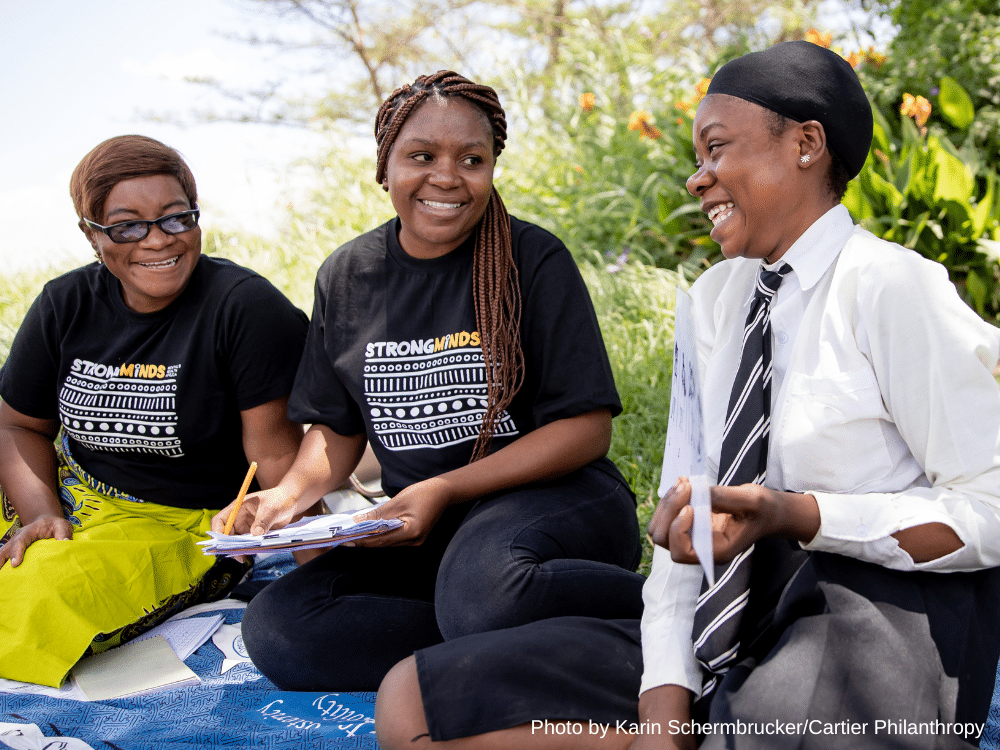
From Lagos to Nairobi to Johannesburg, female founders launch mental health apps, coaching brands, and wellness retreats. Some focus on corporate wellness and executive coaching for women in leadership. Others create safe spaces for young mothers to talk about postpartum depression. Furthermore, many women-led communities run online group circles that offer both peer support and expert guidance. Therefore, when you map Africa’s wellness ecosystem, you will find women at every layer.
Notably, women creators often blend fashion, beauty, and mental health content. They show that you can care about your outfit and your emotional boundaries at the same time. In addition, they use style and storytelling to make difficult topics feel less intimidating. Ultimately, this fusion of aesthetics and advocacy makes mental health content highly shareable.
Local languages, culture, and the power of storytelling
One of the most powerful shifts in Africa’s mental health story is the return to local languages and narratives. Many earlier campaigns used only English or French and felt distant from everyday life. However, today’s African mental health advocates speak in Pidgin, Swahili, Kinyarwanda, isiZulu, Hausa, and more. As a result, people hear concepts like anxiety and trauma in familiar words, not foreign terms.
Moreover, storytelling is central. Creators share personal journeys through depression, panic attacks, or healing from childhood trauma. They reference African proverbs and cultural idioms to explain mental health. In addition, they connect wellness to music, dance, and community rituals that already carry spiritual meaning. Therefore, wellness becomes an extension of African culture, not a Western import.
If you are a creator or founder, this is a key insight. Your content will resonate more if you honor local language and culture. Talk like your audience talks. Use examples from local music, school life, and family dynamics. Ultimately, when people see themselves in your content, they are far more likely to engage, share, and seek help.
How you can plug into Africa’s mental health movement
You do not have to be a psychologist to join this movement. If you are a creator, entrepreneur, or faith leader, you already have tools that matter. Moreover, your unique voice can reach people that traditional health systems often miss. Consequently, the question is not whether you can contribute, but how.
Here are practical ways to get involved:
- Start small with content: Share simple tips, personal reflections, or interviews with local experts on your social platforms.
- Partner with existing advocates: Collaborate with NGOs, therapists, or wellness creators to co-host lives, events, or challenges.
- Create safe digital spaces: Moderate group chats or Discord communities where people can talk without judgment and share resources.
- Support local startups: Invest, mentor, or amplify African mental health platforms building in your region.
- Engage faith communities: If you belong to a church or mosque, suggest mental health workshops, small groups, or resource lists.
In addition, remember your own wellness. Advocating for mental health while ignoring your needs leads to burnout. Set boundaries for how much support you can offer. Build your own support system and, when possible, seek professional help. Ultimately, a healthier you has more power to help others.
Explore more on Topping Africa
If you want to dive deeper into Africa’s creative and wellness revolutions, there is a lot more to explore. Notably, mental health connects with tech, music, fashion, and broader lifestyle trends across the continent. Consequently, you will find rich stories across several Topping Africa sections.
- Technology – Discover how African startups and AI tools are transforming access to health and wellness.
- Culture & Lifestyle – Read more about creators, faith communities, and everyday wellness rituals shaping modern African life.
- Health & Wellness – Explore in-depth features on mental health, fitness, nutrition, and holistic living across Africa.
Additionally, you can follow breaking updates and inspiring profiles in Africa News and opinion pieces in Opinion & Editorial. If a story moves you, share your thoughts or send it to a friend who needs to see it. Your share might be the push someone needs to seek help.
Conclusion: The future of African mental health is collaborative
Africa’s mental health movement is no longer a side conversation. It sits at the center of tech innovation, influencer culture, and faith-driven community life. Moreover, African mental health advocates are proving that healing can be local, digital, and deeply spiritual at the same time. Consequently, the future of mental health in Africa looks more inclusive, creative, and hopeful than ever.
Ultimately, progress will come from collaboration. Startups need creators. Creators need clinicians. Faith leaders need clear referral paths and trusted partners. In addition, all of them need communities that are ready to listen, learn, and support one another. If you are reading this, you are already part of that community.
So, explore more African stories of innovation, wellness, and creativity. Discover new advocates to follow, platforms to support, and communities to join. Then, leave a comment, start a conversation, or share a resource with someone you care about. Together, we can make mental health support as normal and accessible as streaming your favorite African playlist.

Staff
Contributing writer at Topping Africa.
0 Comments
No comments yet. Be the first to share your thoughts!