
From Burnout to Balance: African Mental Health Influencers Changing the Conversation
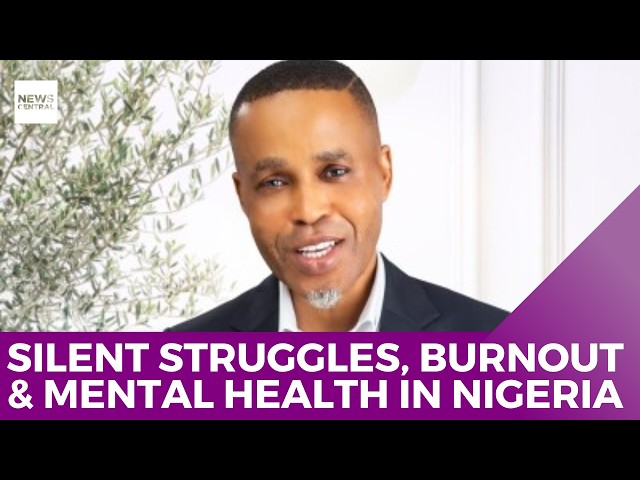
African mental health influencers are redefining how young creators talk about anxiety, burnout, and therapy. Discover the voices, expert insights, and practical wellness tools helping African students and professionals move from survival mode to sustainable balance.
From Burnout to Balance: Why African Mental Health Influencers Matter Now
You scroll through your feed, and there they are: African creators talking openly about panic attacks, therapy, and burnout. These African mental health influencers are changing how you think about stress, success, and self-care. Instead of hiding the struggle, they are turning their platforms into safe spaces where you can breathe, reflect, and feel seen.
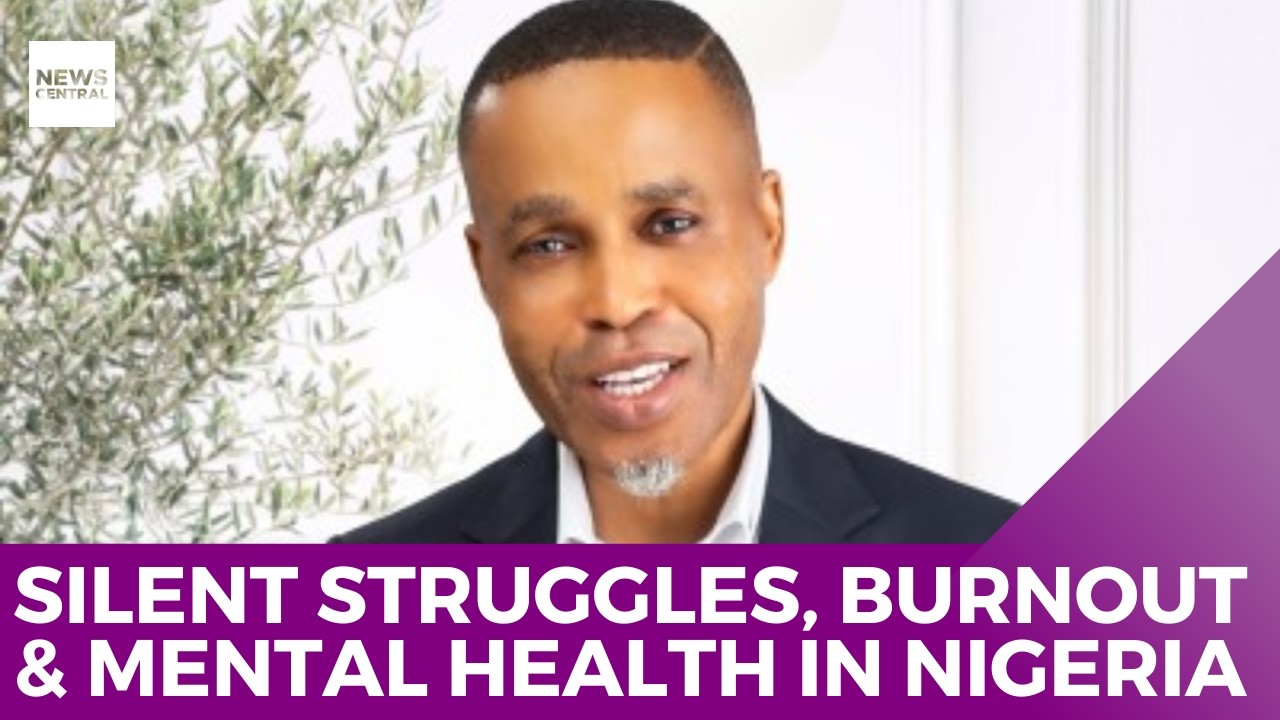
Furthermore, this shift is not a trend you can ignore. As creator burnout rises globally, research shows content creators experience high rates of anxiety, depression, and emotional exhaustion compared with the general populationHarvard T.H. Chan School of Public Health[1]. Consequently, African creators are stepping up with language, stories, and solutions that fit your culture, faith, and daily hustle.
Moreover, this narrative feature takes you inside that movement. You will discover how leading and emerging African creators talk honestly about mental health, what psychologists say about burnout in the creator economy, and how you can build a healthier relationship with work, social media, and yourself.
The Pressure Behind the Posts: Creator Burnout in the African Context
On the surface, influencer life looks perfect. However, every viral post usually hides long nights, unpaid brand deals, algorithm anxiety, and constant comparison. Recent studies on the creator economy show that more than half of creators report burnout, financial stress, and feeling isolated despite being online all dayCreator Spotlight[2].
Similarly, African creators face the same pressures, with extra layers. You might be the first in your family to choose a creative career. You feel pressure to succeed quickly and send money home. Additionally, you may navigate unstable internet, low ad revenue in African markets, and brands that pay late or not at all. Consequently, your mental health takes a hit even as your follower count grows.
Notably, more African psychologists now speak about burnout as a mental health risk, not a badge of honour. Burnout often shows up as emotional exhaustion, feeling empty, or detached from your work, even when numbers look good[4]. As a creator, you may feel guilty resting because the algorithm never sleeps. That is exactly why honest, African-led conversations are so powerful right now.
Meet the New Wave of African Mental Health Influencers
Across Lagos, Nairobi, Johannesburg, Accra, Kigali, and beyond, a new class of African mental health influencers is using TikTok, Instagram, YouTube, LinkedIn, and podcasts to talk about healing. Furthermore, they are not speaking in abstract clinical terms. They are mixing story, humour, faith, and culture to make mental health feel normal, not taboo.
For this feature, we spotlight four types of creators you should know: the therapist-educator, the relatable big sister, the tech-savvy productivity coach, and the wellness-first lifestyle vlogger. Importantly, these are archetypes you will recognise across the continent, even as each creator brings their own voice, language, and style.
Additionally, as you read, think about your own feed. Who makes you feel calmer, braver, or more honest with yourself? Those are the creators worth keeping close as you build a more balanced life online and offline.
1. The Therapist-Educator: Turning Clinical Insight Into Everyday Language
Across Africa, more registered psychologists and therapists are stepping onto social platforms to demystify mental health. They explain anxiety, trauma, and burnout in plain language, often in local languages or blended with Pidgin, Sheng, or township slang. Consequently, you get credible advice that still sounds like home.
For instance, many therapist-creators share short videos on how to notice burnout: constant fatigue, irritability, poor sleep, and feeling numb about work you once loved[3][4]. They often add simple exercises, like breathing techniques, grounding practices, or journaling prompts you can try during a study break or after a stressful client call.
Moreover, they highlight how culture shapes your response to stress. You might hear them explain how being the “strong one” in an African family can push you to ignore your emotions until your body crashes. They remind you that asking for help is not weakness; it is a healthy boundary.
2. The Relatable Big Sister: Sharing Anxiety, Faith, and Therapy Without Filters
Then there is the creator who feels like your big cousin or older sibling. She shares storytime videos about her first therapy session, crying after exams, or hiding panic attacks during brand events. Furthermore, she talks about balancing faith, family expectations, and mental health without attacking any of them.
Additionally, this type of creator often posts self-care checklists, Sunday reset routines, and honest talks about unfollowing accounts that trigger comparison. She might share how she learned to say no to unpaid “exposure” work so she could protect her energy and pay for therapy.
Notably, this voice resonates deeply with young African women and students. You see your own fears about being “lazy” or “ungrateful” when you feel tired, even though you are hustling hard. Through her content, you learn that rest, silence, and boundaries are not rebellion against your family or community. They are part of survival.
3. The Tech & Productivity Coach: Optimising Your Work Without Losing Your Mind
As Africa’s creator and startup scene grows, a new wave of tech-focused creators is talking about productivity with a mental health lens. You will find them sharing Notion templates, content calendars, and automation tools that reduce decision fatigue and chaos.
Moreover, many of these creators draw from research showing that obsessive analytics checking and unpaid labour fuel burnout in the creator economy[2][6]. They encourage you to batch content, set posting windows, and separate your self-worth from likes and views.
In addition, some creators speak directly to African tech founders and digital freelancers. They talk about building systems that respect your time zone, your energy levels, and your local infrastructure realities. That might mean scheduling upload times around low-data costs or creating backup content for when power cuts hit.
4. The Wellness Lifestyle Vlogger: Soft Life With Depth
Finally, you have the wellness vloggers showing the “soft life” with more honesty. They share spa days and travel, but they also talk about therapy bills, medication, and setting boundaries with friends who only call when they need money.
Furthermore, they highlight African approaches to wellness that go beyond candles and skincare. You will see content about community support groups, church mental health workshops, campus wellness clubs, meditation in local parks, and reconnecting with nature to manage stress.
Importantly, they remind you that wellness is not just a luxury for influencers in big cities. Small choices, like walking in your neighbourhood, drinking water, leaving your phone in another room at night, or attending a free support circle, can shift your mental state over time.
What African Psychologists Want Creators and Followers to Know
Behind these creators, African psychologists are urging a more sustainable approach to digital life. They see rising numbers of young people struggling with anxiety, sleep problems, and low mood linked to social media pressure and hustle culture.
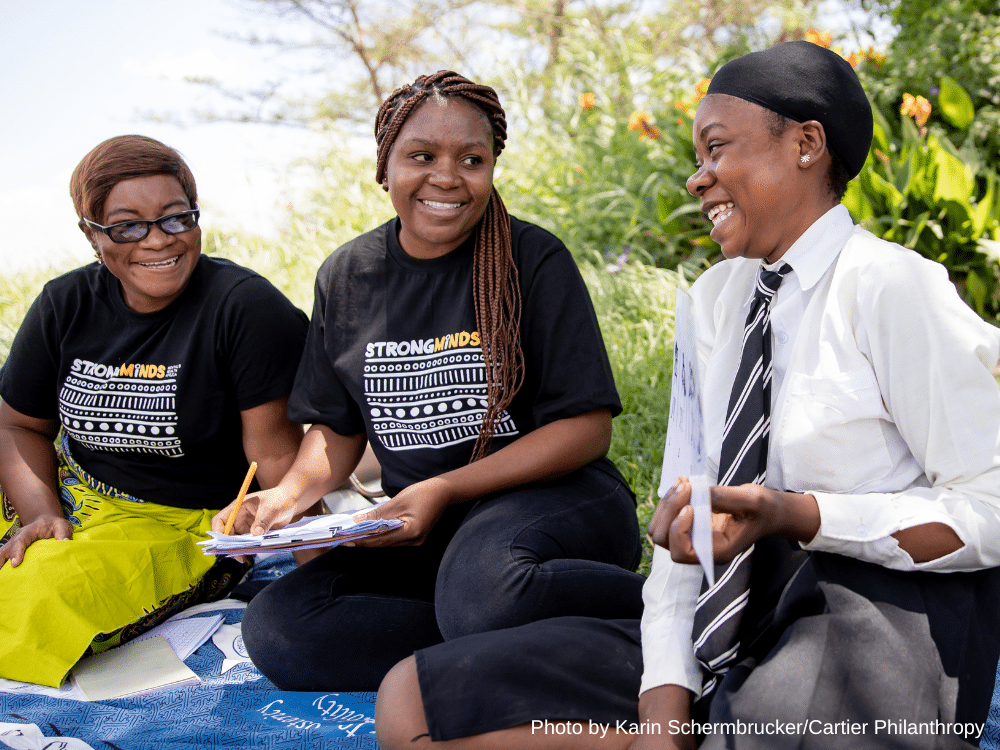
According to mental health research, burnout is a response to long-term work stress and often appears as emotional exhaustion, cynicism, and feeling less effective[4]. For creators, that might look like dreading filming, resenting your followers, or losing joy in your niche, even if brands keep calling.
Moreover, global studies on content creators show strong links between financial instability, lack of boundaries, and poor mental health outcomes[1][2]. Many African psychologists echo this and encourage creators to treat content creation as a job with hours, breaks, and off-days, not a 24/7 survival test.
Key Messages From African Mental Health Experts
- You are not your metrics: Your likes, views, and follows do not define your worth or your future.
- Rest is productive: Breaks help your brain reset, improve your creativity, and protect you from long-term burnout.
- Community heals: Peer support, group chats, or safe offline spaces can reduce isolation and shame.
- Culture matters: Your faith, family, language, and traditions shape how you seek help and how you heal.
- Professional help is valid: Therapy, support lines, and campus counsellors are options, not last resorts.
How African Mental Health Influencers Are Normalising the Conversation
Today, you do not need to search medical textbooks to understand mental health. You open TikTok or Instagram, and an African creator explains burnout, anxiety, or trauma in under 60 seconds. As a result, thousands of young viewers feel less alone and more willing to ask questions.
Furthermore, many creators use storytelling to lower your guard. Instead of saying “you should go to therapy”, they share their own first session: the fear, the awkward silence, the relief of finally speaking openly. You see yourself in those stories and start to imagine that therapy could work for you too.
Additionally, collaborations are amplifying this impact. Creators now invite psychologists, pastors, doctors, and entrepreneurs onto their shows and lives. These crossovers show you that mental health is not separate from business, tech, or spirituality. It touches every part of your life.
Platforms Powering the Movement
- TikTok: Short, relatable skits about anxiety, procrastination, and “African parents and mental health.”
- Instagram: Carousel posts with therapy tips, affirmations, and storytime-style Reels about burnout and boundaries.
- YouTube: Deep-dive vlogs, podcast-style conversations, and visual journals of healing journeys.
- Twitter/X & LinkedIn: Threads on workplace stress, startup burnout, and professional help options in African cities.
Practical, Culturally Relevant Mental Wellness Tips for Young African Creators
You might not be able to quit your job or log off completely. However, you can redesign how you work, post, and rest, using tools that fit your reality as a young African creator, student, or professional.
Moreover, these tips draw from both mental health research and what African creators say has helped them stay sane while building careers online. Try them, experiment, and share what works with your own community. Your journey can inspire someone else.
1. Set Gentle Boundaries With Your Phone and Platforms
Your phone connects you to opportunity and community. Consequently, it can also keep your brain in constant alert mode. To protect your mental health, you need clear, gentle boundaries.
- Turn off non-essential notifications, especially likes, comments, and follower alerts.
- Schedule 1–2 daily windows to check analytics instead of refreshing all day.
- Keep your phone out of bed. Use a simple alarm clock if you can.
- Unfollow or mute accounts that trigger heavy comparison, shame, or envy.
Importantly, boundaries are not about being anti-social. They help you show up with more energy, focus, and kindness when you are online.
2. Design a Sustainable Content Routine, Not a Perfect One
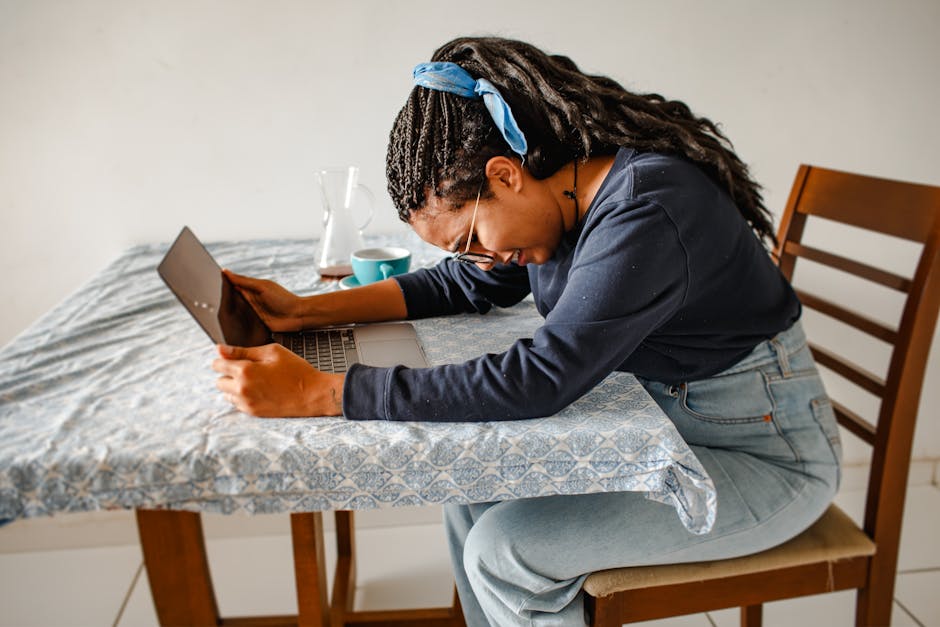
Many African mental health influencers talk about trading hustle culture for sustainable pace. They encourage you to find a rhythm you can keep for months, not just for one viral sprint.
- Plan content in weekly or monthly themes to reduce daily decision stress.
- Batch film or write when you feel most energetic and creative.
- Block one day each week as a no-post or low-engagement day.
- Keep a “slow week” plan for exams, family events, or busy work seasons.
Additionally, remember that consistency does not mean posting every day. It means showing up regularly in a way that does not cost your mental health.
3. Use Community as a Wellness Tool
In many African cultures, healing happens in community: family gatherings, prayer circles, campus groups, and neighbourhood hangouts. You can apply the same principle to your digital life.
- Join or start small creator group chats where you share wins and struggles.
- Attend local meetups, workshops, or co-working days for creators and freelancers.
- Create or join accountability circles focused on both goals and rest.
- Share resource lists for low-cost therapy, helplines, and mental health NGOs.
Furthermore, community protects you from the isolation many creators report[2]. When you have people who understand the pressure, you feel less strange for needing a break.
4. Integrate Faith, Culture, and Therapy
On the continent, faith and culture shape how you talk about pain and healing. Many African mental health influencers show that you do not have to choose between prayer and therapy, or between tradition and modern support.
For instance, you can pray or meditate and also attend counselling. You can join youth groups at church or mosque and still set boundaries with members who dismiss your feelings. Moreover, you can bring your spiritual beliefs into therapy so your therapist understands your worldview and values.
Additionally, you might find comfort in cultural practices that help you reconnect with your body and community. That can include music, dance, nature walks, or storytelling with elders. These are not “extra”; they are powerful mental wellness tools.
5. Learn the Early Signs of Burnout and Act Quickly
Burnout rarely appears overnight. It builds slowly as you ignore your body’s signals. Learning those signals can help you act before you crash.
- You feel tired even after sleep and dread tasks you used to enjoy.
- You become more irritable with friends, family, or followers.
- You struggle to focus, and simple tasks feel heavy or confusing.
- You detach emotionally, posting on autopilot with no sense of meaning.
Moreover, when you notice these signs, take them seriously. Scale back your posting schedule, ask for help with tasks, and prioritise rest. If symptoms persist, consider speaking with a mental health professional or using trusted online resources like World Health Organization or Mind.
Why This Movement Matters for African Tech, Culture, and Innovation
A mentally healthy creator class is not just good for individuals. It is fuel for Africa’s wider innovation story. When creators, founders, and freelancers burn out, the continent loses ideas, stories, and solutions that could shape culture and industry.
Furthermore, many African mental health influencers cross over into tech, fashion, music, and business content. They advise startup founders on avoiding burnout, talk with musicians about performance anxiety, and help young professionals survive high-pressure corporate jobs. Their influence stretches far beyond wellness niches.
In addition, their work aligns with a larger shift in how the world views Africa. Instead of only seeing struggle, audiences now see confident, self-aware young Africans building careers, companies, and movements while actively protecting their mental health. That is positive innovation in real time.
Explore More on Topping Africa
Ready to go deeper into the worlds of African creators, culture, and innovation? Explore more stories and insights across Topping Africa.
- Entertainment – Discover how African celebrities and influencers shape conversations on wellness, creativity, and success.
- Technology – Read more about African tech startups building tools that support creators, freelancers, and digital communities.
- Culture & Lifestyle – Explore everyday stories of style, identity, and self-care across the continent.
Additionally, for broader context on health trends affecting young Africans, you can also follow updates in Health & Wellness and analyses in Opinion & Editorial. These sections often highlight how culture, tech, and wellness intersect in powerful ways.
From Consumer to Co-Creator: Your Role in the Mental Health Conversation
Ultimately, you are not just a passive follower in this story. Every like, share, and comment on mental health content helps push the algorithm toward more honest, healing conversations. When you support African mental health influencers, you support a culture where your friends, siblings, and future kids can speak openly about how they really feel.
Furthermore, you can model the same courage in your own circles. Talk about burnout with your colleagues. Share a video about therapy in your family group chat. Suggest a mental health segment for your campus or startup event. These small actions compound into real shifts.
So, as you log off this article and back into your feeds, pause for a moment. Ask yourself which creators make you feel grounded, hopeful, and seen. Follow them closely, share their work, and let their honesty give you permission to build a life that honours both your ambition and your wellbeing. Then, when you are ready, share your thoughts or experiences and become part of the conversation yourself.

Staff
Contributing writer at Topping Africa.
0 Comments
No comments yet. Be the first to share your thoughts!