
Francis Ngannou Knockout Puts African MMA Back in Global Focus
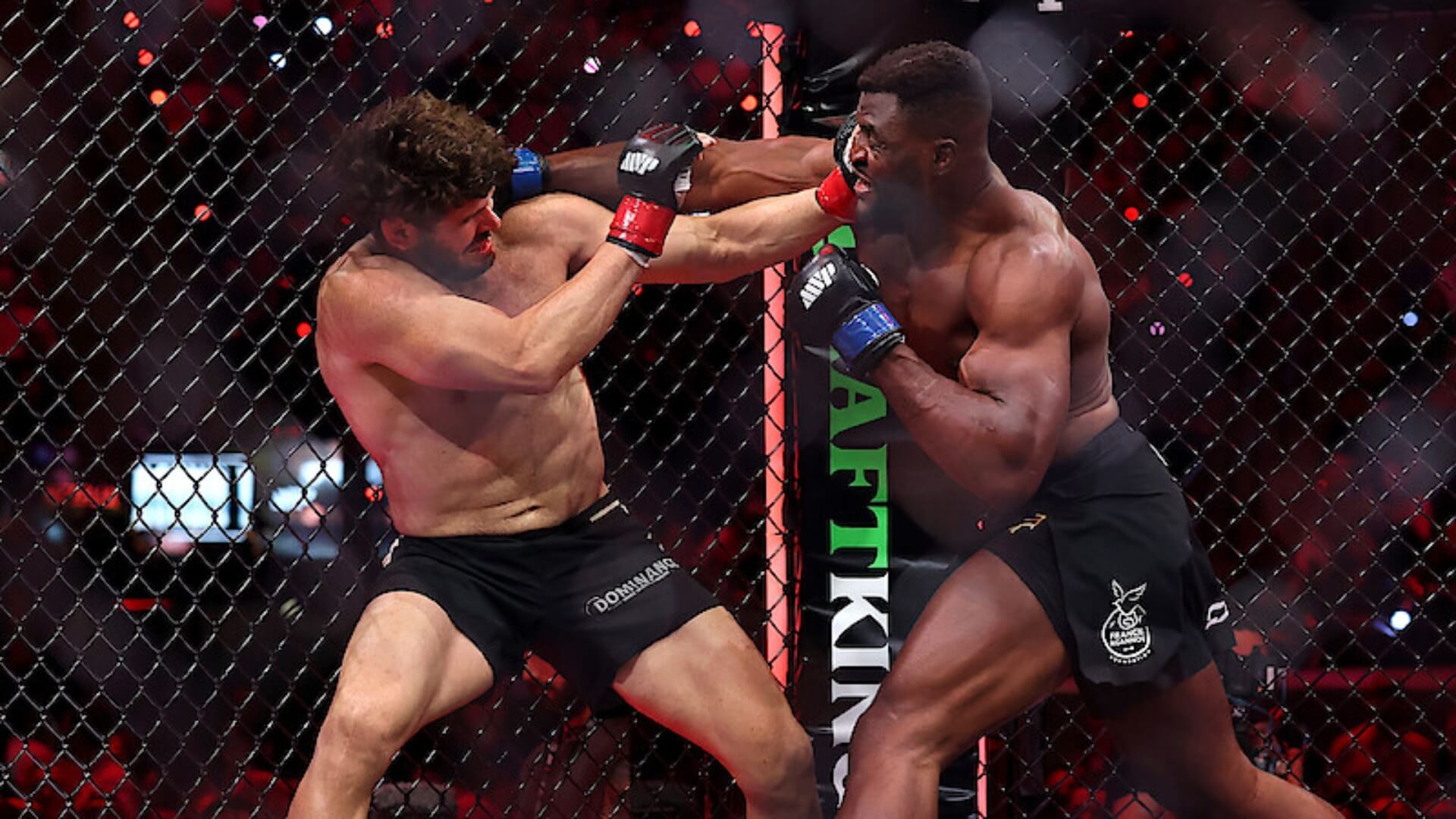
Francis Ngannou’s latest knockout has once again put African MMA back in global focus. Discover how his rise from Cameroon to world stardom is reshaping opportunities, investment, and storytelling across the continent’s fast-growing combat sports scene.
Francis Ngannou Knockout Puts African MMA Back in Focus
Francis Ngannou knockout highlights continue to dominate global combat sports feeds, and his most recent first-round finish has once again put African MMA back in sharp focus. Moreover, every performance by the Cameroonian star reminds fans and promoters that Africa is not just a talent pool but a fast-growing market. Consequently, his success forces major organisations to rethink how they engage with African fighters and African audiences. Ultimately, Ngannou’s story blends power, hardship, and opportunity in a way that speaks directly to the continent’s next generation of athletes.
The Journey Behind Francis Ngannou’s Knockout Power
Notably, the story of any Francis Ngannou knockout begins long before the bright lights of MMA arenas. Ngannou grew up in Batié, Cameroon, where he worked in sand mines as a child, often under harsh conditions. According to an interview with Business Insider, he links his legendary punching power to this early physical labour. Furthermore, he has often said that the mental toughness built in those years prepared him more than any training camp.
Similarly, data from the UFC Performance Institute once showed Ngannou as one of the most powerful punchers in MMA history. His overhand right reportedly produced over 129,000 units on their striking measurement system, a record-setting figure at the time. In addition, his move from Cameroon to Europe, periods of homelessness in Paris, and entry into professional MMA built a mindset centred on resilience. As a result, every knockout today is also a statement about how far an African fighter can rise with opportunity and support.
A New Era: Recent Francis Ngannou Knockout and Cross‑Sport Impact
Recently, Ngannou has balanced MMA with high-profile boxing bouts against global stars. In October 2023, he shocked many observers when he dropped Tyson Fury and pushed the WBC champion to a close split decision. Importantly, the WBC ranked Ngannou in its top 10 heavyweights after that display, despite his limited boxing background. Consequently, fans in Africa and the diaspora saw proof that an African MMA champion could cross into elite boxing and still deliver highlight moments.
More recently, Ngannou returned to MMA under the Professional Fighters League (PFL) banner, where he also serves as Chairman of PFL Africa. His latest first-round knockout reminded the world of the danger he still poses in the cage after time away. Moreover, each Ngannou finish instantly becomes viral content across African social media, sparking debates about matchmaking, athlete pay, and respect for African talent. Therefore, his cross-sport journey keeps African combat sports in mainstream conversation, not just in niche MMA circles.
How Francis Ngannou Knockout Wins Elevate African MMA
Crucially, every Francis Ngannou knockout does more than boost one man’s legacy; it lifts the entire African MMA ecosystem. Young fighters from Cameroon, Nigeria, South Africa, Ghana, and beyond now see a clear path from local gyms to global arenas. Furthermore, African fans are more willing to follow full MMA cards when a star from the continent headlines or co-headlines. As a result, promoters increasingly see Africa as a strategic region, not just a talent export.
For instance, the launch of PFL Africa, with Ngannou as Chairman, signals a shift toward building events and leagues on the continent itself. Although questions recently surfaced about his absence from a key PFL Africa event, PFL leadership still views him as central to long-term expansion, as reported by Sports Illustrated. Moreover, local promotions in countries like South Africa and Nigeria gain extra credibility when they can reference global African stars. Ultimately, this momentum can drive better training standards, sponsorship interest, and broadcast deals.
Key Ways Ngannou’s Success Boosts African MMA
Specifically, Ngannou’s rise has practical effects on the African MMA scene. These benefits affect fighters, gyms, and even policymakers.
- Visibility: Additionally, global coverage of his fights directs new eyes toward African fighters and regional promotions.
- Inspiration: Moreover, his background from rural Cameroon shows that talent can emerge from any African community.
- Investment: Consequently, brands and broadcasters start to treat African MMA as a serious commercial opportunity.
- Infrastructure: In particular, Ngannou’s foundation-backed gym in Cameroon sets a model for grassroots facilities.
- Negotiation power: Finally, his public stance on fighter pay encourages other African athletes to demand fairer contracts.
African MMA Landscape: From Grassroots to Global Spotlight
Across the continent, MMA is growing through a mix of local promotions, amateur circuits, and cross-training in boxing, judo, and wrestling. In South Africa, organisations like EFC have helped build a professional pathway for regional athletes. Meanwhile, Nigerian fighters in global promotions, including the UFC, continue to carry the continent’s flag on big stages. Furthermore, grassroots gyms in Cameroon, Senegal, and Kenya now produce fighters who blend local combat styles with modern MMA techniques.
Importantly, Ngannou’s own Francis Ngannou Foundation opened one of the first dedicated MMA gyms in Cameroon, offering free training to young athletes. This kind of investment addresses a key barrier: access to quality coaching and safe facilities. In addition, national federations and sports ministries in several African countries are slowly recognising MMA as a serious sport, not just a trend. Therefore, the rise of African stars creates pressure for more structured support at the policy level.
For deeper coverage of how combat sports fit into broader regional changes, you can explore more Africa News on Topping Africa. Furthermore, if you want to follow how these shifts affect sponsorships, media, and jobs, read more about Business & Economy across the continent.
Challenges Holding Back African MMA Growth
Nevertheless, African MMA still faces many obstacles despite the spotlight from each Francis Ngannou knockout. Travel costs, visa issues, and limited regional events can slow down promising careers. Additionally, many athletes struggle to secure long-term sponsors or medical support, which affects preparation and safety. On the other hand, media coverage often focuses on one or two stars, leaving broader talent pools in the shadows.
Consequently, several key challenges remain at the centre of expert discussions:
- Infrastructure gaps: Many cities still lack modern gyms, cages, and qualified coaches.
- Regulation: Moreover, clear rules and sanctioning bodies are still developing in some countries.
- Broadcast access: In addition, limited TV and streaming deals make it hard for casual fans to follow local events.
- Funding: Sponsors often prefer football, leaving MMA events under-funded and under-promoted.
- Athlete welfare: Finally, medical insurance and long-term career planning remain weak in many markets.
Media, Storytelling and the Francis Ngannou Effect
Today, storytelling around combat sports matters almost as much as the fights. Ngannou’s rise from sand mines to world titles has become one of MMA’s most shared narratives. Moreover, African fans recognise pieces of their own realities in his journey through poverty, migration, and hustle. Therefore, each new viral clip of a Ngannou knockout doubles as an emotional reminder of what is possible.
African digital creators, podcasters, and analysts increasingly use his fights as entry points into deeper conversations. They ask whether African fighters receive fair pay, how promotions choose event locations, and what role African governments should play. Furthermore, these discussions connect sports to wider issues like youth unemployment, migration, and soft power. If you are interested in these broader debates, you can discover more in Politics & Governance and Opinion & Editorial coverage.
Social Media Trends and Fan Engagement
Notably, African MMA’s growth rides on social media as much as on television. Short highlight clips of a Francis Ngannou knockout travel fast on TikTok, Instagram, and X. Additionally, young fans create reaction videos, breakdowns, and memes that keep the story alive long after fight night. As a result, Ngannou’s brand remains visible even between bouts.
Similarly, African fighters outside the UFC or PFL now use their own channels to showcase skills and call for opportunities. They tag global promotions, share training camps, and organise fan meetups. Moreover, this constant flow of content helps turn local fighters into regional heroes. Ultimately, it also pressures promoters to schedule events where fan engagement is already strong.
What African Stakeholders Can Learn From the Francis Ngannou Knockout Boom
For African gym owners, promoters, and policymakers, Ngannou’s success offers several practical lessons. Importantly, it shows that raw talent plus global-standard coaching can produce world-class champions, even from modest beginnings. Furthermore, it proves that compelling human stories can attract sponsors and broadcasters if stakeholders package them well. Therefore, African MMA leaders should treat his career as a case study, not just entertainment.
Here are key takeaways that stakeholders across Africa can apply:
- Invest in grassroots gyms: Additionally, low-cost, well-run facilities can unlock talent in both big cities and rural areas.
- Build regional circuits: Moreover, regular local events give fighters experience before they chase global contracts.
- Tell authentic stories: In particular, sharing athletes’ journeys can attract fans who do not usually follow MMA.
- Partner with schools: Consequently, linking MMA with education can ease parents’ fears and support youth development.
- Leverage digital platforms: Finally, streaming and social media can reach fans even where TV coverage is weak.
Actionable Steps for African Fighters and Coaches
For individual fighters and coaches, the Ngannou example is both inspiring and instructive. They can adopt a more strategic approach to training, branding, and career planning. Additionally, understanding how global promotions scout and sign talent can make the path clearer. Here are some direct steps to consider.
- Cross-train smartly: Moreover, balance striking, wrestling, and grappling to meet modern MMA standards.
- Document your journey: In addition, share training clips, results, and personal stories across platforms.
- Network widely: Consequently, connect with managers, matchmakers, and media who can amplify your profile.
- Study contracts: Importantly, seek legal advice before signing long-term deals with foreign promotions.
- Focus on health: Finally, prioritise recovery, nutrition, and mental health to extend your career.
Explore More on Topping Africa
If Ngannou’s rise has changed how you see African combat sports, there is much more to learn. You can explore stories that link the cage, the ring, and the wider society.
- Sports – Detailed coverage of African athletes, combat sports events, and emerging MMA promotions.
- Culture & Lifestyle – Features on how fight culture shapes fashion, music, and everyday life across Africa.
- Entertainment – Stories at the intersection of sports, media, and celebrity across the continent.
Additionally, explore more of our analysis to understand how African athletes are reshaping global sport. Share your thoughts with fellow readers, and leave a comment below on how you think African MMA should evolve.
Conclusion: Beyond the Next Francis Ngannou Knockout
Ultimately, each new Francis Ngannou knockout is more than a viral clip; it is a signal of Africa’s rising role in combat sports. His journey from Cameroonian sand mines to world stages proves that talent and courage exist in every corner of the continent. Moreover, his influence stretches from gyms in Douala and Lagos to boardrooms in New York and Riyadh. Therefore, the real question now is how African stakeholders will turn this moment into a lasting movement.
If fans, promoters, and policymakers work together, African MMA can move from undercard curiosity to global main event status. In addition, strategic investment, smart storytelling, and fair treatment of athletes can build a thriving, sustainable ecosystem. To follow that journey and stay ahead of the next big moment in African combat sports, subscribe to Topping Africa and read more about how African talent continues to reshape the world.
Staff
Contributing writer at Topping Africa.
0 Comments
No comments yet. Be the first to share your thoughts!