
East Africa’s Creator Economy Boom: How YouTubers and Podcasters Are Redefining Digital Influence

East Africa’s YouTubers and podcasters are turning creativity into serious business. Explore how East African content creators in tech, culture, lifestyle, and education are building powerful brands, new income streams, and a fresh digital future.
East African content creators are leading a new digital gold rush
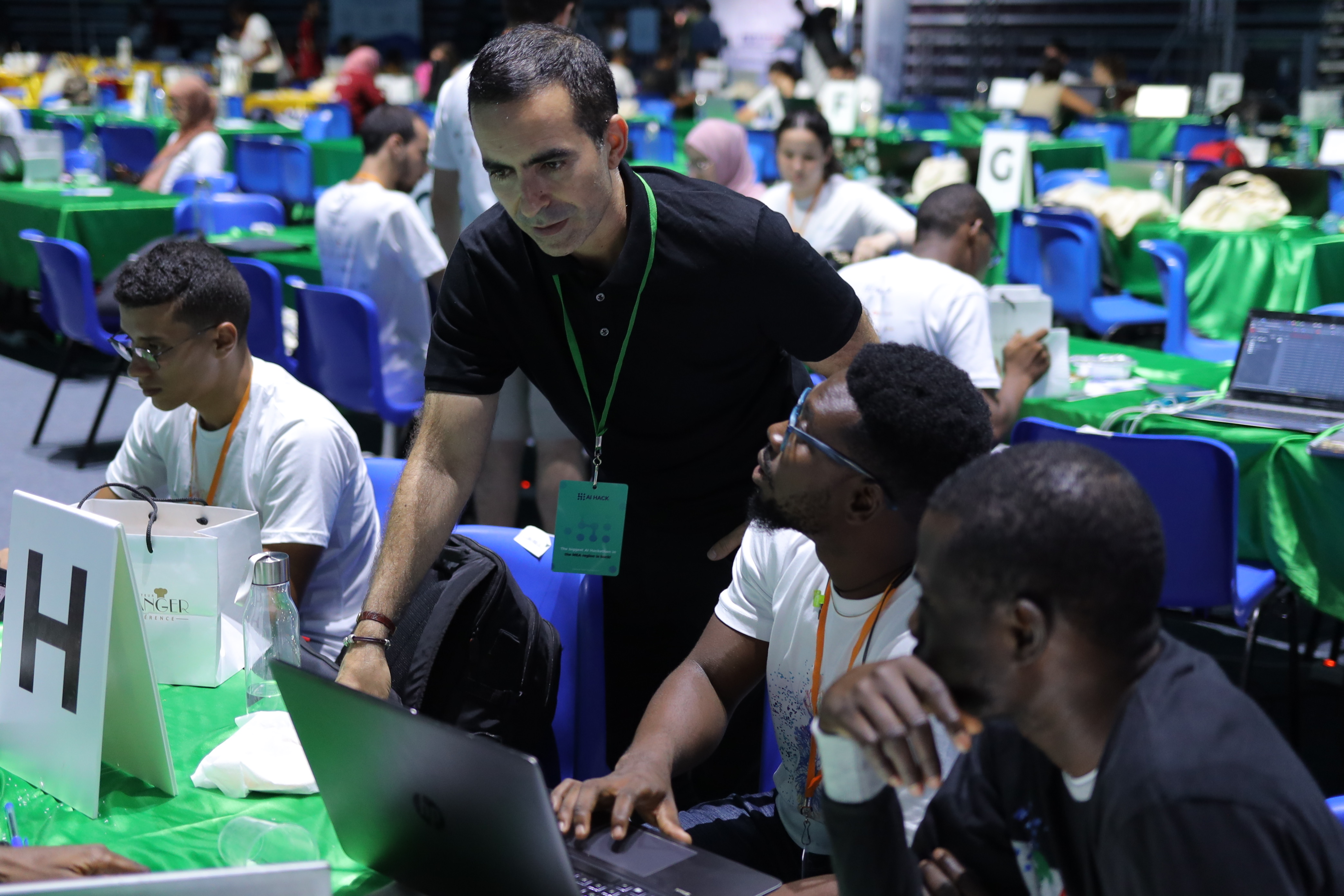
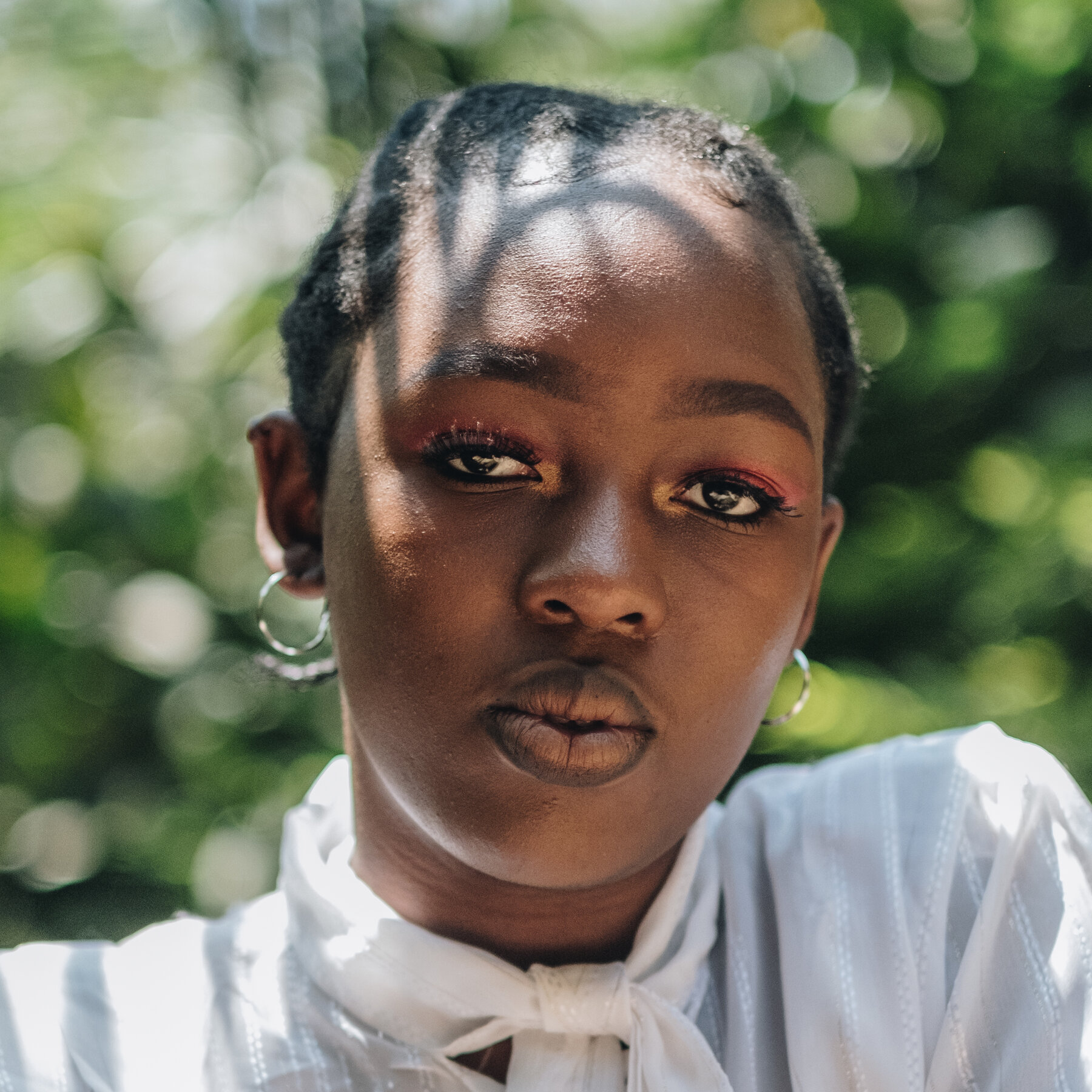
Across Nairobi, Dar es Salaam, Kampala, Kigali, and Addis Ababa, East African content creators are building powerful, profitable media brands from their laptops and smartphones. Moreover, you are watching a regional creator economy surge that is reshaping tech, culture, lifestyle, and education. Consequently, YouTubers and podcasters in Kenya, Tanzania, Uganda, Rwanda, and Ethiopia now set trends, drive product launches, and shape conversations from fashion to fintech. Ultimately, this is more than a social media wave; it is a new economic engine for East Africa. Furthermore, if you care about African innovation, you cannot ignore this fast-growing creator class.

Today, African creator platforms, talent agencies, and startups are racing to support this momentum. For instance, influencer-tech platforms like Ushawishi in Kenya connect brands with digital storytellers and help them monetize at scale, highlighting how the creator economy in Africa is maturing.[1] Additionally, global platforms like YouTube, Spotify, TikTok, and Apple Podcasts are opening regional offices, launching funds, and spotlighting African voices. Therefore, the next wave of global influencers will not just come from Los Angeles and London. Importantly, they will come from Nairobi’s tech hubs, Kampala’s studio basements, Kigali’s co-working spaces, and Addis Ababa’s creative collectives.
Why East Africa’s creator economy is booming
To understand this boom, you need to look at the perfect storm of connectivity, culture, and commerce. Firstly, East Africa has seen a massive drop in mobile data costs and a surge in 4G coverage, especially in urban centres. Consequently, more young people now stream video, download podcasts, and upload content every day than ever before. Secondly, a young, urban, and highly online population craves content that reflects their lives, languages, and ambitions, not just imported Western media. Moreover, this demand rewards local voices who speak directly to regional realities.
Thirdly, African tech startups and fintech innovators are making payments, sponsorships, and digital tipping simpler and safer. For instance, mobile money rails like M-Pesa and Airtel Money, plus regional payment gateways, help creators receive brand deals and fan payments with fewer barriers. Additionally, new creator tools and SaaS startups focused on Africa make editing, distribution, and analytics easier for emerging talent. As a result, the gap between a teenager with big ideas and a monetized channel has never been smaller. Ultimately, this is the infrastructure that turns creativity into income.
The role of African tech startups and platforms
Notably, the rise of African tech startups focused on the creator ecosystem is one of the most exciting shifts. Furthermore, platforms like Ushawishi in Kenya position themselves as influencer marketing hubs where brands can discover and pay creators transparently.[1] Consequently, you now see structured campaigns, rate cards, and performance analytics instead of informal one-off deals on WhatsApp. In addition, regional media-tech startups experiment with podcast hosting, live streaming, ticketed digital events, and fan membership products tailored to African markets.
Additionally, global platforms have started to take East Africa seriously. For instance, YouTube’s programs in Africa support training and monetization for creators, while Spotify’s investments in African podcasts and curated playlists raise the visibility of regional shows. Moreover, creator-focused reports from companies like YouTube and Spotify highlight how African listening and viewing habits are among the world’s fastest-growing. Therefore, when you launch a channel from Nairobi or Kigali today, you are not just targeting Kenya or Rwanda; you are tapping into a global diaspora and curious international audience.
Key trends shaping East African content creators
Across Kenya, Tanzania, Uganda, Rwanda, and Ethiopia, certain trends define how creators grow, engage, and monetize. Importantly, understanding these trends helps you see why East Africa is now central to the global creator economy conversation. Furthermore, these patterns cut across YouTube, podcast platforms, Instagram, TikTok, and emerging audio apps. Consequently, brands, investors, and aspiring creators all need to pay attention.
1. Niche storytelling beats generic content
Firstly, the most successful East African content creators pick clear niches and own them. For instance, tech reviewers in Nairobi break down African fintech apps, smartphones, and startup tools in Swahili and English. Additionally, lifestyle vloggers in Kampala document student life, side hustles, and budget travel across the region. Moreover, Kigali-based podcasters explore design, climate innovation, and social entrepreneurship, offering smart, focused conversations instead of broad talk shows.
As a result, audiences feel seen and informed, which drives loyalty and shareability. Consequently, you find creators building tight communities around topics like coding tutorials, medical school diaries, diaspora life, or Bongo Flava production. Ultimately, the lesson is simple: when you focus, you grow faster. Therefore, picking a niche that intersects with your skills and local culture is one of your strongest strategic moves.
2. Cross-platform presence is now the norm
Secondly, serious creators no longer rely on a single platform. Furthermore, a typical East African YouTuber also runs TikTok clips, Instagram Reels, X threads, and maybe a podcast feed. Consequently, each platform plays a different role: YouTube for long-form depth, TikTok and Reels for discoverability, and podcasts for intimate, loyal listening. Moreover, some creators host newsletters or communities on Telegram and WhatsApp to deepen engagement, share early drops, and coordinate fan events.
Additionally, this cross-platform approach protects creators from algorithm changes and monetization surprises. For instance, if ad revenue dips on one platform, affiliate deals or live shows promoted through another channel can fill the gap. Therefore, when you design your content strategy, you should think in ecosystems, not single profiles. Ultimately, the creators who master cross-platform storytelling will own the strongest brands.
3. Education and skills content are exploding
Thirdly, educational content is no longer a boring category; it is one of the hottest spaces in East Africa. Moreover, coding bootcamp instructors, language teachers, doctors, lawyers, and finance experts all run YouTube channels and podcasts. Consequently, they help young audiences upskill in tech, business, and creative arts in a way traditional schools cannot match. Additionally, many of these educators weave in local case studies and African startup stories, making the knowledge feel more relevant and actionable.
For example, tech-focused YouTubers review African-built apps, breakdown startup pitch decks, and explain how to land remote work opportunities. Furthermore, health and wellness creators share mental health tips tailored to African realities, while personal finance podcasters demystify saving, investing, and mobile money. Therefore, if you are thinking about starting a channel, teaching what you know may be your strongest entry point. Ultimately, value-packed content attracts both fans and brands.
Country-by-country snapshot: Kenya, Tanzania, Uganda, Rwanda, and Ethiopia
Although the region shares many patterns, each country’s creator scene has its own flavour and strengths. Importantly, this diversity is part of what makes East African content creators so dynamic. Furthermore, cross-border collaborations are becoming more common as YouTubers and podcasters tour neighbouring markets and feature each other on shows. Consequently, you see more blended Swahili-English content, multi-city tours, and pan-East African influencer campaigns.
Kenya: Nairobi as a creator and tech startup hub
Kenya often sits at the centre of East Africa’s digital story. Moreover, Nairobi’s reputation as a leading African tech hub gives creators early access to startups, investors, and innovation stories. Consequently, Kenyan YouTubers in tech, business, and lifestyle frequently showcase co-working spaces, fintech apps, and entrepreneurial journeys. Additionally, influencer marketing is more mature here, with structured brand deals and talent agencies helping creators negotiate better contracts.[1]
Furthermore, comedy skits, street interviews, and lifestyle vlogs dominate YouTube trending lists, while podcast studios pop up in major neighbourhoods. As a result, creators can move from hobby to full-time careers faster, supported by both local and global sponsors. Therefore, if you are based in Kenya, you operate in one of the most competitive yet opportunity-rich creator markets in Africa. Ultimately, your challenge is to differentiate your voice in a crowded field and build strong, niche communities.
Tanzania: Music, culture, and Swahili-first storytelling
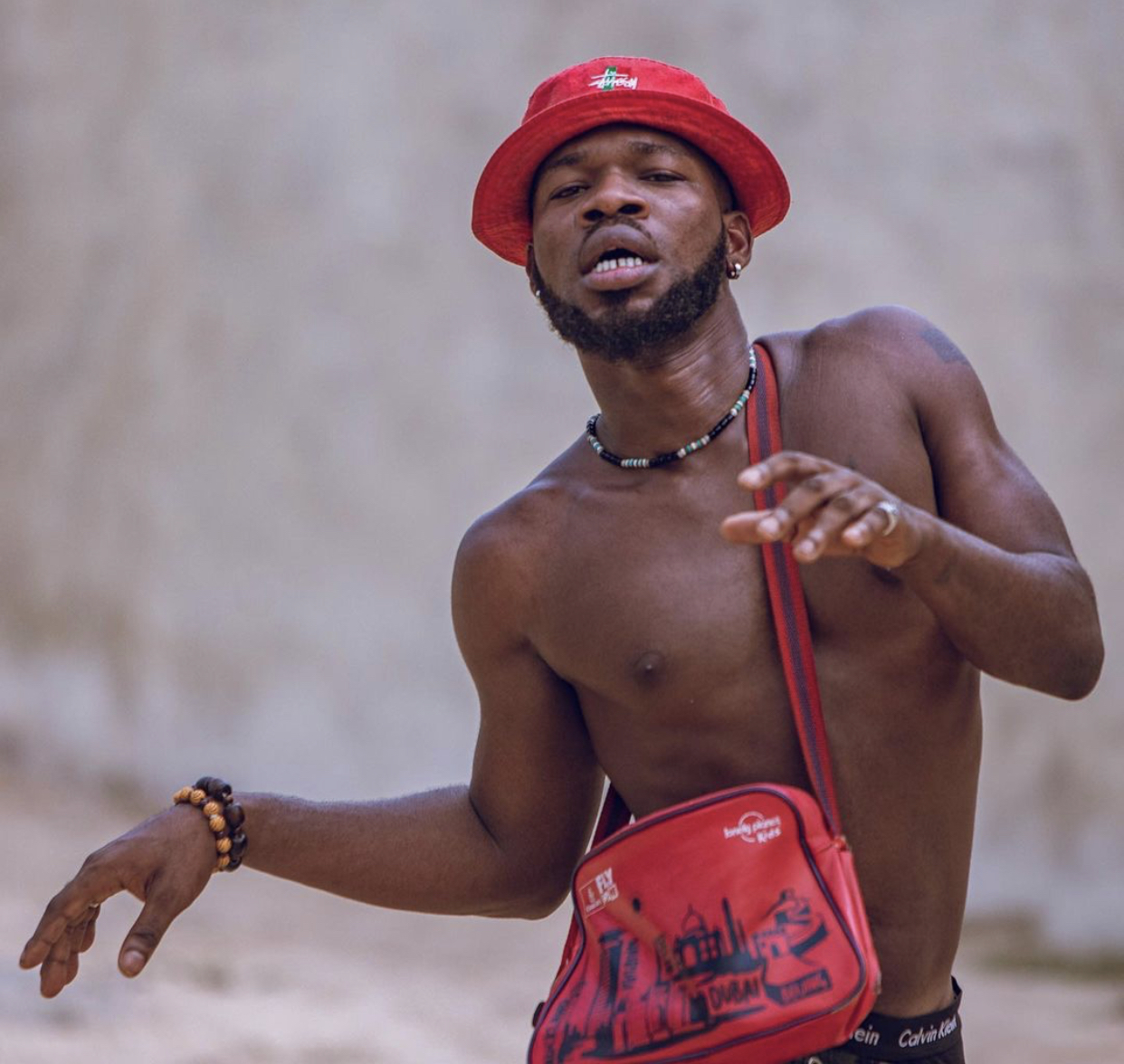
Tanzania brings a strong cultural and musical identity to the creator scene. Importantly, Bongo Flava, dance content, and Swahili storytelling make Tanzanian YouTube and TikTok feeds vibrant and exportable. Moreover, Tanzanian creators blend music videos, behind-the-scenes studio sessions, and lifestyle vlogs that highlight Dar es Salaam’s nightlife and street culture. Consequently, you see growing regional influence, with Tanzanian content frequently trending in Kenya, Uganda, and beyond.
Additionally, podcasters in Tanzania explore social issues, arts, and entertainment through long-form Swahili conversations that resonate with a broad East African audience. Furthermore, brands increasingly look to Tanzanian influencers for regional campaigns because of their cross-border appeal. Therefore, leaning into Swahili content, music, and visual storytelling can help you tap both local pride and global curiosity. Ultimately, Tanzania’s creators show that language is a strength, not a barrier, in the digital age.
Uganda: Bold commentary, comedy, and lifestyle storytelling
Uganda’s creator scene is known for bold voices and sharp humour. Moreover, Kampala-based comedians, vloggers, and podcasters tackle relationships, campus life, hustle culture, and entertainment with energy and wit. Consequently, Ugandan creators build loyal audiences that show up for live shows, merch drops, and branded events. Additionally, YouTube channels focusing on student life, nightlife reviews, and urban lifestyle tips thrive among younger viewers.
Furthermore, an increasing number of Ugandan podcasters experiment with narrative storytelling, serialized shows, and niche interview series. As a result, you see a wave of creators treating podcasting as a serious craft rather than a casual side project. Therefore, if you create in Uganda, you can stand out by combining humour with helpful content. Ultimately, that blend of entertainment and insight is one of Uganda’s strongest digital exports.
Rwanda: Clean aesthetics, tech-forward stories, and regional ambition
Rwanda’s creator ecosystem is smaller but fast-growing and ambitious. Importantly, Kigali’s clean city branding and tech-forward positioning influence how creators frame their work. Moreover, many Rwandan YouTubers and podcasters focus on entrepreneurship, tourism, design, and innovation, presenting Rwanda as a model for future African cities. Consequently, their content often uses polished visuals, drone shots, and bilingual narration targeting both local and international audiences.
Additionally, creators collaborate with tourism boards, tech hubs, and startup accelerators to spotlight new businesses and cultural events. Furthermore, this positions Rwanda’s influencers as key partners in nation branding and investment storytelling. Therefore, if you are a Rwandan creator, you can leverage the country’s global reputation for safety and order to attract brands and travellers. Ultimately, Rwanda shows how creators can align with national development narratives while still building personal brands.
Ethiopia: Language diversity and a massive local audience
Ethiopia brings a unique advantage to the creator economy: a huge domestic population and rich linguistic diversity. Moreover, Amharic, Oromo, Tigrinya, and other languages create space for hyper-local channels that still reach millions. Consequently, Ethiopian YouTubers produce everything from tech explainers and music commentary to diaspora conversations and cultural storytelling. Additionally, many channels cater to Ethiopians abroad, blending local news, culture, and lifestyle content for global viewers.
Furthermore, podcasters in Ethiopia experiment with talk shows that dive into entrepreneurship, arts, and education, often bridging generational gaps. As a result, Ethiopian creators can build big audiences without needing to rely solely on English. Therefore, if you create in Ethiopia, leaning into local languages and cultural nuance is a powerful strategy. Ultimately, Ethiopia’s story proves that you can go global by going deeply local first.
How East African content creators make money
Behind every viral clip and trending podcast episode sits a serious business question: how do creators make money? Importantly, monetization strategies in East Africa are becoming more diverse and sophisticated. Moreover, creators no longer depend on a single income stream; they stack multiple revenue sources to build resilience. Consequently, you see East African YouTubers and podcasters earning from both platform features and off-platform deals.
Core monetization channels
- Ad revenue from platforms: YouTube Partner Program ads and, to a lesser extent, podcast ad networks and dynamic ad insertion.
- Brand sponsorships and influencer campaigns: Paid integrations, shoutouts, product placements, and co-created campaigns with African and global brands.
- Affiliate marketing: Commission-based links to tech products, fashion, beauty, online courses, and digital tools relevant to African audiences.
- Merchandise and product lines: Branded clothing, digital products, ebooks, presets, and learning materials.
- Live events and tours: Ticketed shows, meetups, and workshops in Nairobi, Kampala, Dar es Salaam, Kigali, Addis Ababa, and the diaspora.
- Fan support and memberships: Patreon-style subscriptions, direct mobile-money tips, and community-based contributions.
Additionally, creator-economy infrastructure in Africa is improving. For instance, local influencer platforms and agencies now standardize contracts, set fair pricing, and measure campaign performance for brands.[1] Moreover, fintech and mobile-money rails reduce friction in paying creators, even across borders. Therefore, when you think about your creator business, you should design at least three income streams from the start. Ultimately, a diversified revenue mix gives you stability and negotiation power.
Why brands are doubling down on East African influencers
Brands across fashion, fintech, telecoms, and FMCG have realized that East African creators drive attention, trust, and sales. Furthermore, influencers deliver hyper-local storytelling that traditional billboards and TV ads cannot match. Consequently, you now see official influencer briefs, multi-market campaigns, and long-term ambassador deals with creators who once recorded from tiny bedrooms. Additionally, brands turn to creators to localize global campaigns for Swahili-speaking audiences or specific cities.
Moreover, data from platforms and agencies shows that well-matched creator partnerships outperform generic ads in engagement and conversion.[1] As a result, more marketing budgets are shifting to influencer and creator channels. Therefore, if you build a focused, engaged audience, brands will increasingly see you as a key strategic partner, not just a side add-on. Ultimately, creators sit at the centre of Africa’s modern marketing ecosystem.
Standout niches: Tech, culture, lifestyle, and education
Within the broader boom, four core niches dominate the conversation: tech, culture, lifestyle, and education. Importantly, these categories reflect East Africa’s biggest aspirations and daily realities. Moreover, they offer clear win-win opportunities for creators and brands. Consequently, if you plan your content within or across these verticals, you can ride strong existing momentum.
Tech creators: Reviewing the future
Tech creators sit at the intersection of startups, gadgets, and digital careers. Furthermore, East African tech YouTubers review smartphones, laptops, creator gear, and African-built apps with hands-on demos and real-world testing. Consequently, their recommendations shape purchase decisions for a young, urban audience. Additionally, they interview startup founders, explain product launches, and break down funding news in simple language.
Moreover, a new wave of podcast hosts is entering the tech conversation, featuring African founders, developers, and designers. As a result, you see more long-form conversations about building startups, raising capital, and scaling products in African markets. Therefore, if you love tech, your content can educate everyday users while spotlighting African innovation stories. Ultimately, this niche is ideal for partnerships with Technology & Innovation and Technology & Finance brands.
Culture and lifestyle creators: Shaping taste and trends
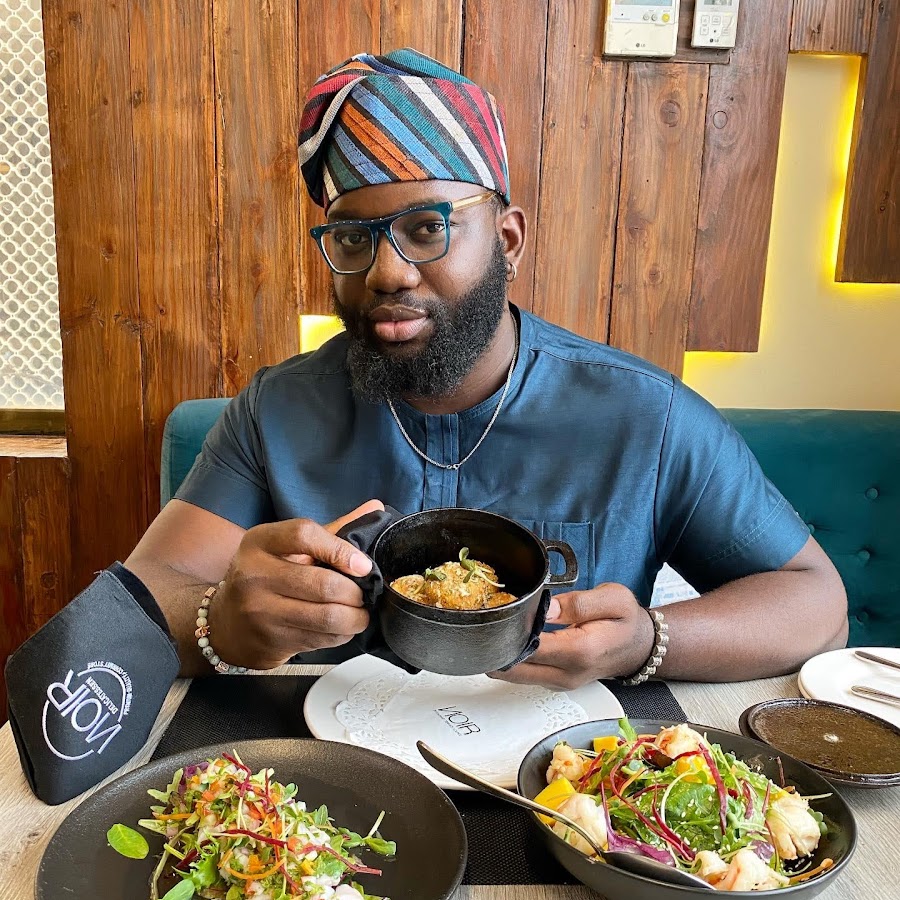
Culture and lifestyle creators define what is cool, aspirational, and relatable in East Africa. Moreover, they cover fashion hauls, streetwear brands, restaurant reviews, travel diaries, and city guides. Consequently, their content shapes where young people eat, shop, stay, and party. Additionally, these creators spotlight African designers, nightlife scenes, and under-the-radar neighbourhoods, giving local businesses valuable exposure.
Furthermore, crossover with music and entertainment is strong. For instance, vloggers feature new tracks, live performances, and behind-the-scenes moments with rising African celebrities. Therefore, lifestyle channels become key platforms for both Entertainment and Culture & Lifestyle conversations. Ultimately, if you enjoy city life, fashion, and discovery, this niche offers rich visual storytelling and endless collaboration options.
Education creators: From exam prep to life skills
Education creators in East Africa are building powerful brands by making learning practical, accessible, and fun. Additionally, they produce exam prep tips, study hacks, coding tutorials, language lessons, and career guidance. Consequently, their channels become after-school classrooms and mentorship spaces for thousands of young viewers. Moreover, many of these creators tie in African case studies, whether they are analysing regional stock markets or explaining how local health systems work.
Furthermore, podcasters tackle topics like mental health, relationships, and personal finance with nuance and empathy. As a result, they fill critical gaps in traditional education systems. Therefore, if you have professional skills or a passion for teaching, you can turn your expertise into scalable content. Ultimately, education creators show that impact and income can go hand in hand in the creator economy.
Practical playbook: How you can join East Africa’s creator boom
If you are inspired by East Africa’s creator wave, you might ask: where do I start? Importantly, the path is clearer than you think, but it still requires strategy and consistency. Moreover, you should view yourself as both an artist and an entrepreneur from day one. Consequently, planning your niche, brand, and monetization early will save you many months of trial and error.
Step 1: Define your niche and audience
Firstly, choose a niche at the intersection of your skills, your curiosity, and regional demand. Additionally, ask yourself who you want to serve: students, young professionals, entrepreneurs, parents, or global diaspora? Consequently, your answer will shape your tone, platforms, and content format. Moreover, research what already exists in Kenya, Tanzania, Uganda, Rwanda, and Ethiopia, then look for gaps you can fill rather than copying what is popular.
Furthermore, write down three clear value promises you will deliver with your channel or podcast. For instance, you might promise to help Nairobi students find affordable weekend plans, or to explain African tech news in under ten minutes. Therefore, anchor your channel branding, descriptions, and thumbnails around those promises. Ultimately, clarity beats complexity at the start.
Step 2: Pick your platforms and format
Secondly, decide where your core home will be: YouTube, a podcast platform, or both. Moreover, consider your strengths. Additionally, if you are confident on camera and love visuals, YouTube or short-form video will suit you. Consequently, if you prefer deep conversations and storytelling, audio podcasting might be a better entry point. Furthermore, plan to repurpose your content into shorter clips for TikTok and Instagram to boost discovery.
Additionally, set a realistic publishing schedule that fits your life. For instance, start with one episode or video per week and increase once you build systems. Therefore, focus on showing up consistently rather than chasing perfection. Ultimately, momentum matters more than flawless execution in the early months.
Step 3: Build a brand, not just a channel
Thirdly, treat your creator presence as a brand from the start. Moreover, pick a memorable name, consistent colours, and a clear tagline that reflects your niche. Consequently, viewers and listeners will recognise your content quickly across platforms. Additionally, create simple templates for thumbnails, audiograms, and social media posts to save time.
Furthermore, engage with your audience directly. For instance, ask questions at the end of each episode, encourage people to comment, and respond to their feedback. Therefore, you transform casual viewers into active community members. Ultimately, brand loyalty comes from conversation, not just content output.
Step 4: Monetize strategically and ethically
When your audience starts growing, monetization opportunities will appear. Additionally, you should be selective and align with brands that fit your values and your audience’s needs. Consequently, trust becomes your most valuable asset. Moreover, start with smaller deals, prove your value, and document your impact through analytics, screenshots, and testimonials.
Furthermore, explore income streams beyond brand deals. For instance, you can launch digital products, host paid workshops, or open a membership for your most loyal supporters. Therefore, your income will not collapse if one platform changes its policies. Ultimately, ethical, audience-first monetization leads to longer, more sustainable careers.
Explore more on Topping Africa
Additionally, if you want to dive deeper into Africa’s creative and digital future, you can explore more on Topping Africa. Moreover, we cover the stories, strategies, and stars shaping the continent’s next decade. Consequently, you will find fresh insights whether you are a fan, a brand, or a creator yourself.
- Technology – Stories on African tech startups, fintech, creator tools, and digital innovation shaping new economies.
- Business & Economy – Analysis on how creators, influencers, and startups drive growth and new business models.
- Africa News – Latest updates on regional trends, creative industries, and headline-making African celebrities.
Furthermore, you can discover more inspiring profiles, trend breakdowns, and how-to guides across these sections. Therefore, bookmark your favourite categories and return often for fresh perspectives. Ultimately, your creator journey and your understanding of Africa’s digital shift will grow with every story you read.
Call to action: Be part of East Africa’s creator future
East Africa’s creator economy boom is not a distant trend; it is happening in real time around you. Moreover, whether you publish your first YouTube video, launch a niche podcast, or partner with regional influencers, you can participate. Consequently, your decision today could place you among the next wave of standout East African content creators. Additionally, by telling your story with confidence and consistency, you contribute to a more accurate, exciting picture of African life.
Furthermore, we invite you to explore more creator stories, trend reports, and success playbooks here on Topping Africa. Therefore, read more about African content creators, share your thoughts, and subscribe to stay ahead of the curve. Ultimately, the cameras, mics, and opportunities are in your hands now. The next standout creator story from East Africa might be yours.

Staff
Contributing writer at Topping Africa.
0 Comments
No comments yet. Be the first to share your thoughts!