Creator Discovery Platforms for African Brands: The 2026 Guide to Finding African Creators
Global creator discovery platforms like Modash and CreatorIQ weren't built for African markets — and the gaps show. This 2026 guide gives African brands a concrete, layered strategy for finding the right creators across Instagram, TikTok, and YouTube, from Africa-first tools to diaspora discovery and manual research methods that no platform automates.
Why African Brands Can't Afford to Use the Wrong Creator Discovery Platform
Every African brand running influencer campaigns in 2026 faces the same frustrating gap: global creator discovery platforms were not built for Lagos, Nairobi, Accra, or Cairo. Tools like Modash, Upfluence, and CreatorIQ are genuinely powerful — but they index the world from a Western vantage point. The result? African brands pay premium SaaS fees to search databases that miss half the continent's most influential voices, misread local audience demographics, and have no concept of Pidgin, Swahili, Amharic, or Zulu as content languages.
This guide is not a neutral comparison of platforms. It takes a clear position: African brands need a layered discovery strategy — one that extracts real value from global tools while filling their blind spots with Africa-first resources. We'll walk through exactly how to do that, which metrics actually matter in African markets, and where platforms like Topping Africa close gaps that no Western SaaS product can.
How Global Creator Discovery Platforms Work — and Where They Break Down in Africa
Global platforms like Modash and Upfluence operate on a similar architecture: they crawl Instagram, TikTok, and YouTube via API, ingest follower counts, engagement rates, and audience location data, then let brands filter by niche, language, and geography. On paper, this works. In practice, African data is riddled with problems.
First, audience location data is unreliable for African creators. A Ghanaian creator with 400,000 followers may show "United States — 34%" as their top audience location, because a significant portion of their fans are diaspora-based. That's not a red flag — it's a feature for brands targeting the African diaspora. But most platform filters treat it as a negative signal and rank that creator lower in local searches.
Second, language filters fail almost entirely. Pidgin English, Sheng (Kenya's urban slang), Camfranglais, and Darija (Moroccan Arabic) don't exist as filter options on any major global platform. A creator producing viral content in Nigerian Pidgin will be tagged simply as "English," lumping them with creators whose audiences have zero cultural overlap.
Third, pricing is a structural barrier. Modash starts at around $299/month. CreatorIQ is enterprise-only, often exceeding $2,000/month. For a Lagos-based startup or a Nairobi SME, these price points consume a disproportionate share of the entire marketing budget — before a single creator is even contacted.
The Three Metrics That Actually Matter in African Markets
Global platforms obsess over engagement rate as a catch-all quality signal. In African creator markets, three different metrics deserve equal or greater weight:
- Comment authenticity rate: African audiences are vocal. A creator with 2% engagement but 80% of comments being genuine questions or reactions is far more valuable than one with 5% engagement driven by emoji replies. Read the comments — no platform automates this well yet.
- Cross-platform audience overlap: Many top African creators built audiences on Facebook and WhatsApp long before Instagram or TikTok. A creator with 80,000 TikTok followers may command a WhatsApp broadcast list of 15,000 highly engaged buyers. That's invisible to every major discovery platform.
- Local purchasing power alignment: Audience size means little if the audience is in a market where your product isn't available or affordable. A fintech brand launching in Kenya needs creators whose audiences skew toward Nairobi's middle class — not just "Kenya" as a country tag.
A Practical Discovery Stack for African Brands in 2026
The most effective approach isn't choosing one platform — it's building a layered stack. Here's a concrete framework that works at different budget levels.
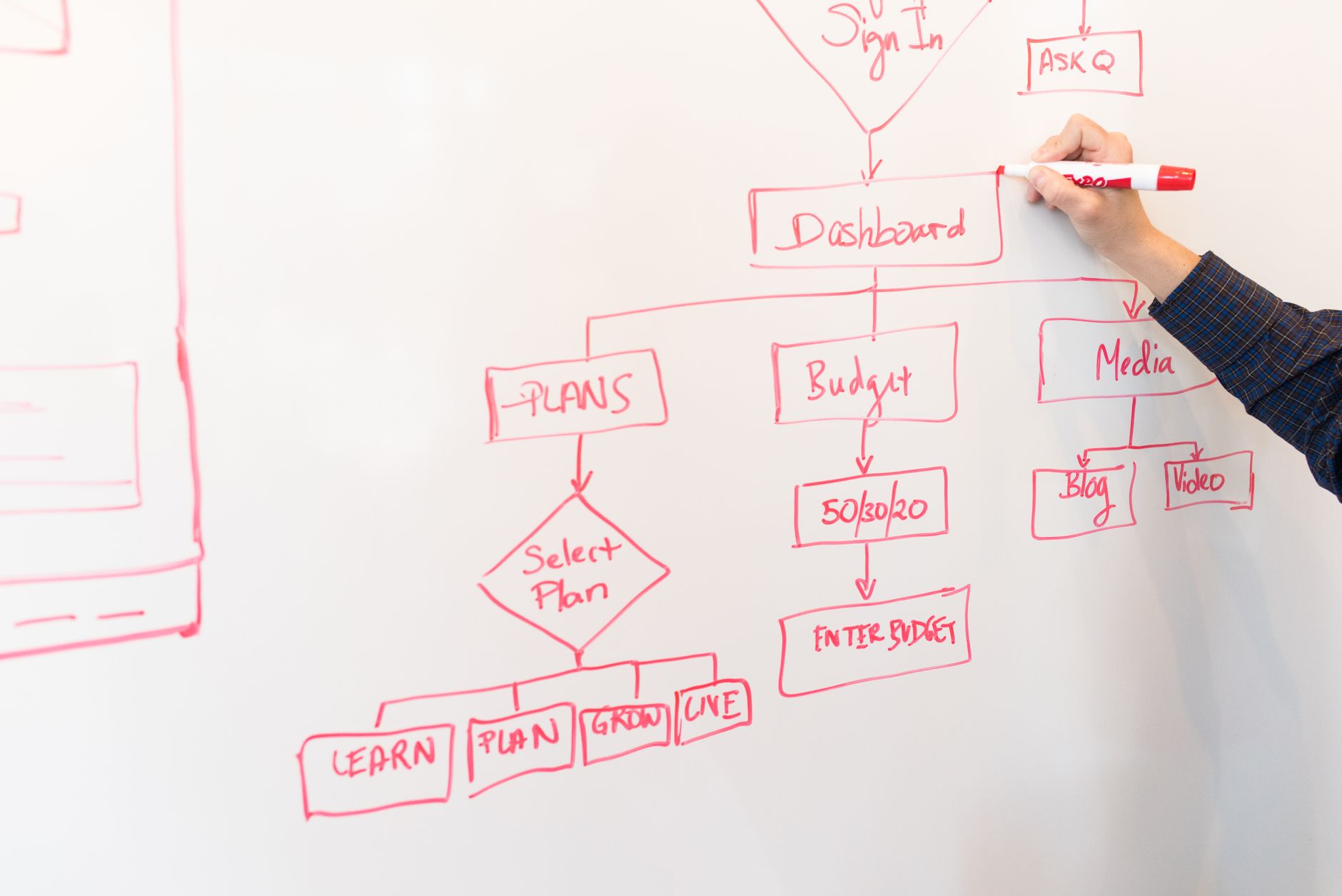
Layer 1 — Africa-First Discovery (Start Here)
Before opening any global SaaS dashboard, start with platforms built specifically for African creator discovery. Topping Africa's creator explorer indexes African creators across Instagram, TikTok, and YouTube with cultural context that global tools simply don't have. You can browse by country, creative niche, and content style — without paying enterprise fees or wading through irrelevant results from outside the continent.
This matters most in the research phase. Use Africa-first tools to build a longlist of 20-30 candidates. At this stage, you're not filtering by follower count — you're filtering by cultural fit. Does this creator's tone match your brand? Do their followers engage in the language your customers speak? Would their audience trust a recommendation from them?
Layer 2 — Global Platforms for Audience Analytics
Once you have a longlist from Layer 1, global tools earn their keep. Modash's audience credibility score, for instance, is genuinely useful for spotting fake follower inflation — a real problem in some African markets where buying followers is cheap and common. Run your shortlisted creators through a free trial or a single-month subscription to validate audience authenticity before committing to a campaign.
Upfluence's Gmail integration is another underrated feature: it lets you manage outreach and track response rates without switching tools. For brands running campaigns across five or more creators simultaneously, that workflow efficiency is worth the monthly cost.
Layer 3 — Manual Research and Community Intelligence
No platform replaces human judgment for African creator discovery. The continent's creator economy is still relationship-driven. The best micro-influencers — those with 5,000 to 50,000 highly loyal followers in specific cities — are often not indexed by any platform. They're found through:
- Twitter/X hashtag searches in local languages (e.g., #NaijaTwitter, #GhTwitter, #SATwitter)
- TikTok's "For You" page, deliberately seeded by engaging with local content for 30+ minutes
- WhatsApp community groups in your industry vertical
- Referrals from creators you've already worked with — the single highest-quality source
- Checking the comment sections of your competitors' sponsored posts
This layer is time-intensive but irreplaceable. Budget at least 4-6 hours per campaign for manual discovery, even if you're using paid tools for the rest of the process.
Mapping African Creator Discovery to Specific Platforms
Instagram: Still the Brand Collab Standard
Instagram remains the primary platform for brand partnerships in South Africa, Nigeria, Kenya, and Egypt. Creators in the 10,000–100,000 follower range consistently outperform mega-influencers on cost-per-engagement in African markets. When using discovery tools for Instagram, filter by Stories view rate (not just feed engagement) — African audiences heavily consume Stories, and a creator with a 15% Stories view rate is a serious asset for product launches.
One common mistake: brands filter for "Nigeria" as audience location and expect 80%+ local audiences. Realistically, top Nigerian creators often have 40–60% Nigerian audiences, with the remainder split across the UK, US, and Canada. That's the diaspora premium — and for brands selling internationally or building global African brand equity, it's actually valuable. Don't filter it out blindly.
TikTok: The Fastest-Growing Discovery Channel in Africa
TikTok's organic reach in African markets is extraordinary by global standards. A creator in Kampala or Dar es Salaam can hit 500,000 views on a video with 20,000 followers — engagement ratios that are unthinkable on Instagram. For African brands, this means TikTok discovery should prioritize content velocity (how often a creator posts) and view-to-follower ratio over raw follower counts.
Global platforms struggle most with TikTok discovery in Africa because TikTok's API access is restrictive and inconsistent. Many creators who are genuinely influential in African TikTok communities don't appear in Modash or CreatorIQ searches at all. Manual TikTok discovery — spending time on the platform itself — remains essential. Check out the top African creators dominating TikTok, Instagram, and YouTube in 2026 for a curated starting point.
YouTube: The Long-Form Trust Builder
YouTube is underutilized by African brands relative to its influence. African YouTube channels in tech, finance, beauty, and comedy routinely hit 100,000–500,000 subscribers with deeply loyal audiences who consume 8–15 minute videos. The trust built through long-form content converts differently than a 30-second Instagram Reel — it's slower, but stickier.
For YouTube discovery, global tools like VidIQ and TubeBuddy (both free at entry level) outperform influencer-specific platforms. They surface channel growth rate, audience retention curves, and keyword rankings — all of which matter more for YouTube partnerships than follower counts alone.
The Diaspora Dimension: A Discovery Gap Most Brands Ignore
African diaspora creators — based in London, Toronto, Houston, Paris, or Dubai — represent one of the most underleveraged discovery opportunities for African brands with international ambitions. These creators speak to audiences that are simultaneously African in identity and Western in purchasing power. A Nigerian fashion brand that wants to sell in the UK doesn't need a UK influencer — it needs a British-Nigerian creator whose followers already trust African brands.
No global platform has a "diaspora" filter. Topping Africa's positioning as a platform that discovers African creators worldwide — not just on the continent — makes it structurally better suited to surface these profiles. When building your discovery strategy, explicitly include diaspora creators as a separate segment with separate campaign briefs. Their content style, audience expectations, and pricing will differ from continent-based creators.
For deeper context on why diaspora audiences matter to African brand growth, see our analysis of finding authentic African creators in 2026.
Common Mistakes African Brands Make on Creator Discovery Platforms
After mapping the tools, it's worth naming the mistakes that waste budget — because they're predictable and avoidable.
- Over-indexing on follower count: A creator with 500,000 followers and 0.8% engagement is less valuable than one with 40,000 followers and 6% engagement in your exact target city. In African markets, micro and nano creators frequently outperform macro ones on conversion.
- Ignoring content quality for data: Platforms show you numbers. They don't tell you if a creator's production quality, brand safety record, or storytelling ability matches your campaign needs. Always watch at least five recent videos or posts before outreach.
- Using one platform for everything: No single tool does it all. Brands that rely exclusively on one global platform miss the creators who matter most in their specific African market.
- Skipping the brief: Many African brand-creator relationships fail not because of bad discovery but because of vague briefs. A creator who doesn't know your brand's tone, key message, and compliance requirements will produce content that misses the mark — regardless of how perfectly they were discovered.
- Treating discovery as a one-time event: The African creator landscape shifts fast. A creator who was perfect for your Q1 campaign may have pivoted their content style by Q3. Build discovery into an ongoing quarterly process, not a one-off exercise.
What an Africa-First Creator Discovery Platform Needs to Get Right
The gap in the market is real and large. According to Statista's influencer marketing data, Africa's influencer marketing spend is growing at double-digit rates annually — yet the infrastructure for discovery remains primitive compared to North America or Europe. Here's what a purpose-built African creator discovery platform must deliver to be genuinely useful:
- Multi-language indexing that recognizes Pidgin, Swahili, Amharic, Hausa, Zulu, Yoruba, and French as distinct content categories — not just geographic tags
- Diaspora tagging that identifies African creators by cultural identity, not just current location
- Transparent, Africa-appropriate pricing — ideally with local currency payment options
- WhatsApp and Facebook audience signals, not just Instagram and TikTok metrics
- Niche categories that reflect African content verticals: Afrobeats, Nollywood commentary, African fashion, agri-tech, mobile money, and more
Topping Africa is actively building toward this vision. Discover African creators on Topping Africa and see how a continent-first approach to discovery changes the quality of your results.
Building Your 2026 Creator Discovery Workflow: A Step-by-Step Summary
Pull this together into a repeatable process your team can run before every campaign:
- Define your audience segment first — city, language, income bracket, platform preference. This determines which discovery tools are even relevant.
- Run Africa-first discovery on platforms like Topping Africa to build a culturally relevant longlist of 20–30 creators.
- Validate with global analytics tools — use Modash or a free alternative like HypeAuditor's free report to check audience authenticity and demographic breakdown.
- Manual content review — watch or read at least five recent pieces of content per shortlisted creator. Score on brand fit, production quality, and audience interaction quality.
- Outreach with a clear brief — include campaign objective, key message, usage rights, timeline, and compensation structure upfront.
- Track and iterate — measure cost-per-engagement, not just reach. Feed results back into your next discovery cycle.
This workflow works for a solo founder running their first creator campaign and for a marketing team managing 20 simultaneous partnerships. Scale the tool investment to match your budget — but never skip the manual review step.
The African creator economy is one of the fastest-growing in the world. Getting your discovery process right in 2026 isn't a nice-to-have — it's the difference between campaigns that build real brand equity and campaigns that burn budget on mismatched audiences. Start with the right platform, validate with data, and let cultural intelligence guide every decision.
Staff
Contributing writer at Topping Africa.
0 Comments
No comments yet. Be the first to share your thoughts!