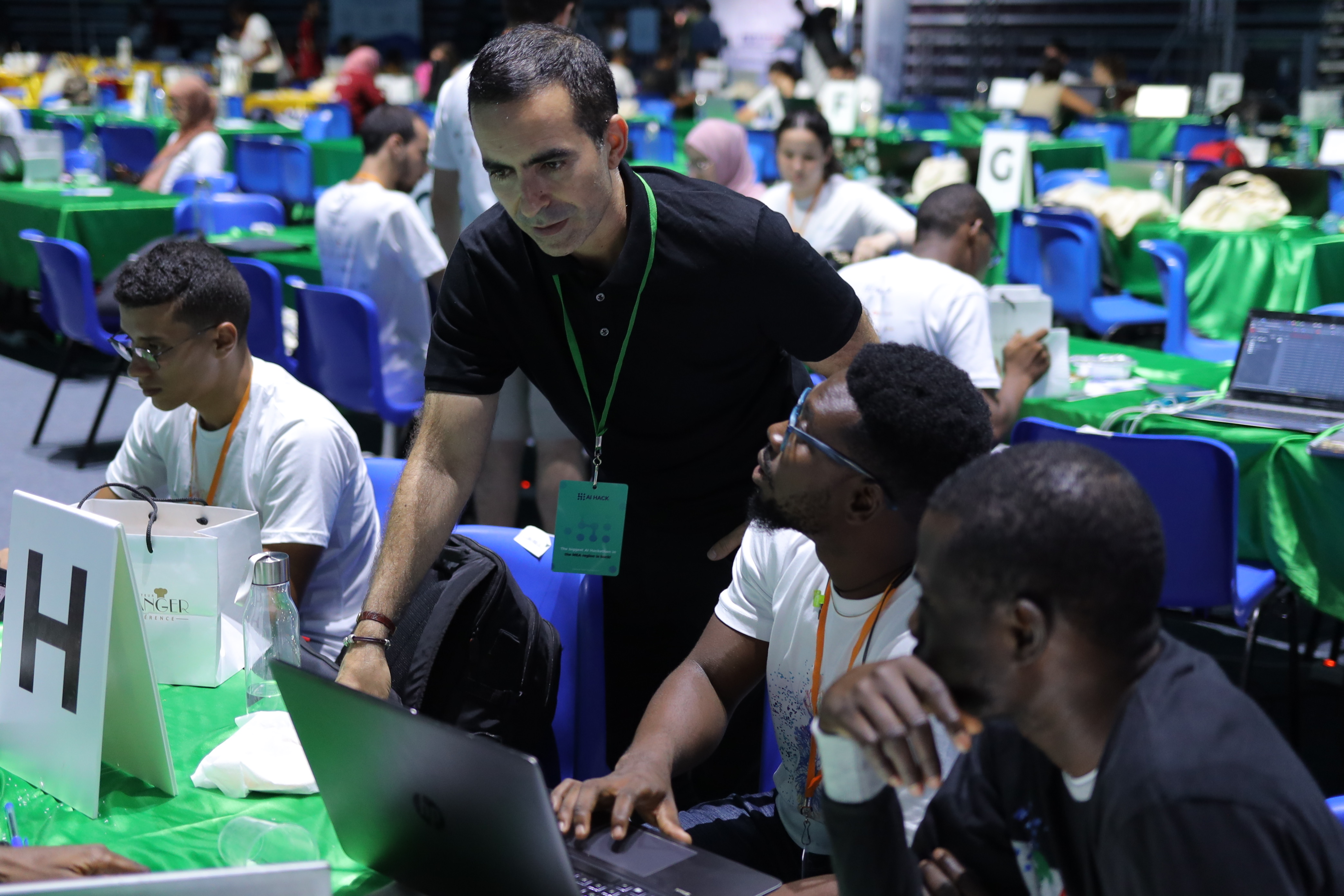

AI at the Center of Africa’s Food Future: Gates Pushes Free Cloud Tools for Farmers at Doha Forum
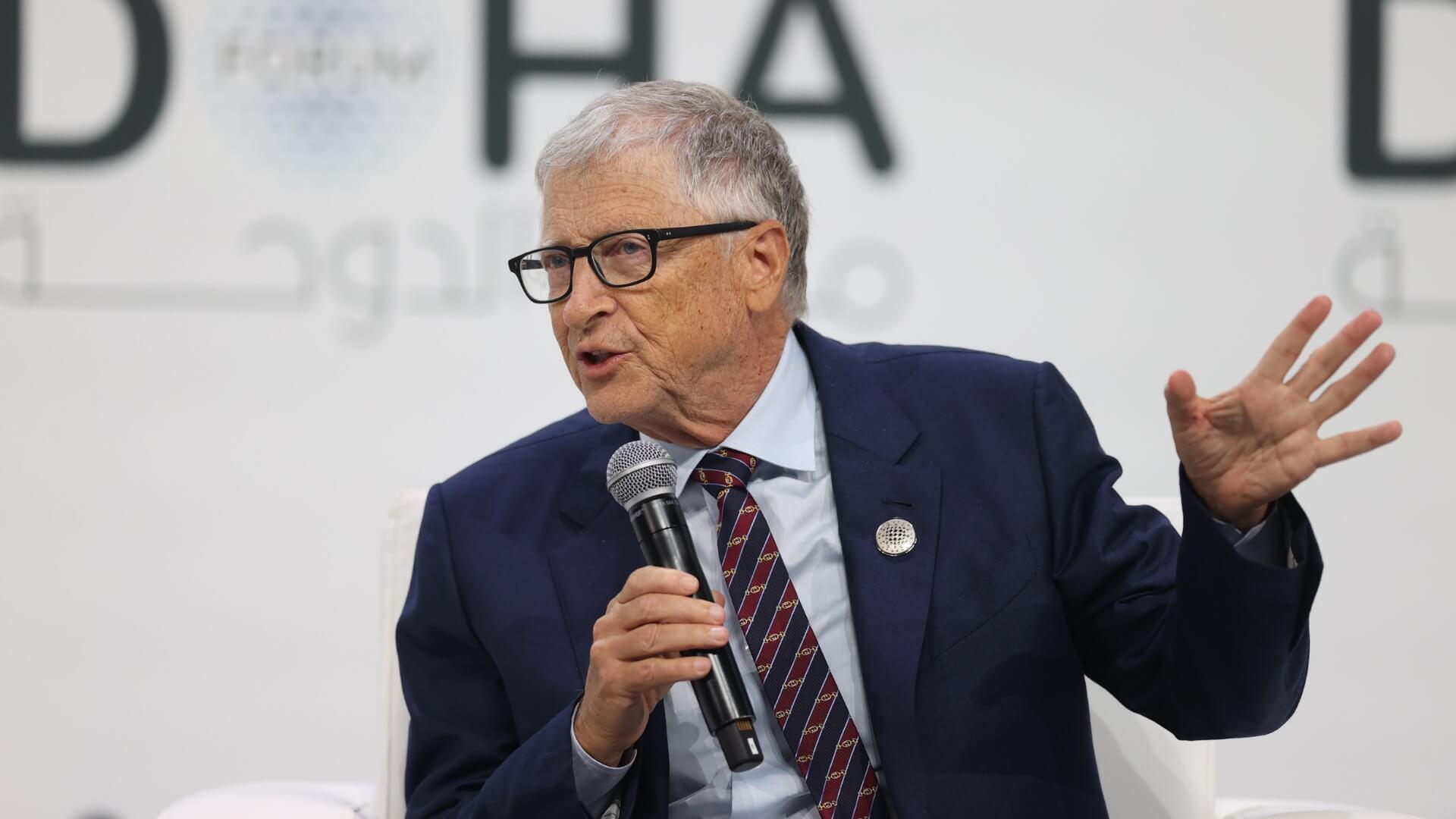
At the Doha Forum, Bill Gates argued that AI could help Africa boost food production and expand access to healthcare—if farmers and patients receive free, donor-backed cloud tools. His call is sparking new debate across the continent about infrastructure, data governance, and African-led innovation.
DOHA, QATAR — 2025-12-09 — Bill Gates told attendees at the Doha Forum that artificial intelligence could dramatically change Africa’s food and health systems if rural communities receive free access to cloud-based tools, according to international broadcasters that covered his remarks. He said the combination of AI advisors, improved seeds, and better livestock could help reverse a long-standing food import trend across the continent.
Gates spoke on 6 December, arguing that although agriculture employs millions across Africa, harvests remain well below global averages due to soil degradation, rapid population growth, and intensifying climate pressures.
He said real-time, AI-enabled guidance on soil conditions, weather shifts, and crop choices could narrow the yield gap between African farmers and producers in wealthier economies.
The Microsoft founder explained that an AI “layer” acting as a virtual agronomist or health counselor is the main innovation in this model. He called on donors, governments, and philanthropic institutions, including the Gates Foundation, to finance cloud costs so that farmers and patients can access these services without paying user fees.
Broadcasters reporting from the event said Gates likened AI to a general-purpose technology with transformative potential for healthcare, noting tools that could store patient histories and provide 24-hour clinical guidance in areas with limited medical staff.
Coverage also referenced earlier Gates Foundation commitments to expand AI investments for low- and middle-income nations, including initiatives to support African scientists and strengthen climate-resilient agriculture.
Regional media noted that Gates reiterated a message he has shared at African AI conferences: that the continent’s youthful population, urgent development needs, and rising tech ecosystems could make it a global leader in AI applications for maternal health, public policy, and agriculture.
Analysts speaking to African outlets said such a shift could influence food trade balances and health indicators across all African regions, with implications for ongoing African Union strategies on digital infrastructure and food security.
Updated 11:50 UTC.
Reactions
Officials and specialists in African agriculture and digital policy told regional media that AI tools could boost productivity if countries address connectivity shortages, build local-language platforms, and enforce responsible data standards. Development economists quoted across African outlets said subsidising cloud access, as Gates proposed, could lower operational barriers for startups designing tools for smallholder farmers.
Public commentary collected by broadcasters and local newsrooms reflects optimism about the potential for higher yields, alongside concerns about reliance on foreign technology.
Contributors from several African countries stressed the importance of expanding homegrown data infrastructure and training so that African developers participate meaningfully in shaping AI for farming and healthcare.
International institutions—including the African Union, UN agencies,s and global development banks—have been piloting digital agriculture and AI-driven health projects.
Observers cited in international and regional reports said Gates’ Doha remarks may accelerate coordination among African governments, donors, and private partners on AI regulation, financing,g and shared innovation frameworks.
Context & Significance
Gates’ comments follow earlier speeches at African AI gatherings where he argued that the continent could set the pace in applying AI to reduce maternal deaths, strengthen crop resilience,ce and support learning outcomes.
Coverage of those events shows he has urged African policymakers to pair AI adoption with investment in connectivity, research facilities, and dynamic startup networks.
If AI improves farm productivity to the degree Gates envisions, Africa could move closer to reducing dependence on food imports—a shift with consequences for national budgets, rural income,s and resilience to global commodity shocks.
The emphasis on AI for agriculture and health also aligns with core regional priorities, including climate adaptation, youth employment,nt and improved healthcare access.
What’s Next
Reports from the Doha Forum did not cite new Gates Foundation funding directly tied to the speech, but referenced its broader transition toward AI-enabled initiatives in Africa and South Asia.
Analysts expect further announcements clarifying where subsidised AI advisory programs will begin and how they will be coordinated with national agricultural and health authorities.
African governments and regional blocs are currently updating AI and data protection strategies that will influence how external partnerships are structured.
Upcoming African digital transformation and food systems summits are expected to revisit Doha’s themes as states align AI deployment with Agenda 2063 and domestic development plans.
Staff
Contributing writer at Topping Africa.
0 Comments
No comments yet. Be the first to share your thoughts!