
Afrobeats Meets Algorithms: African Creators Using AI to Go Global
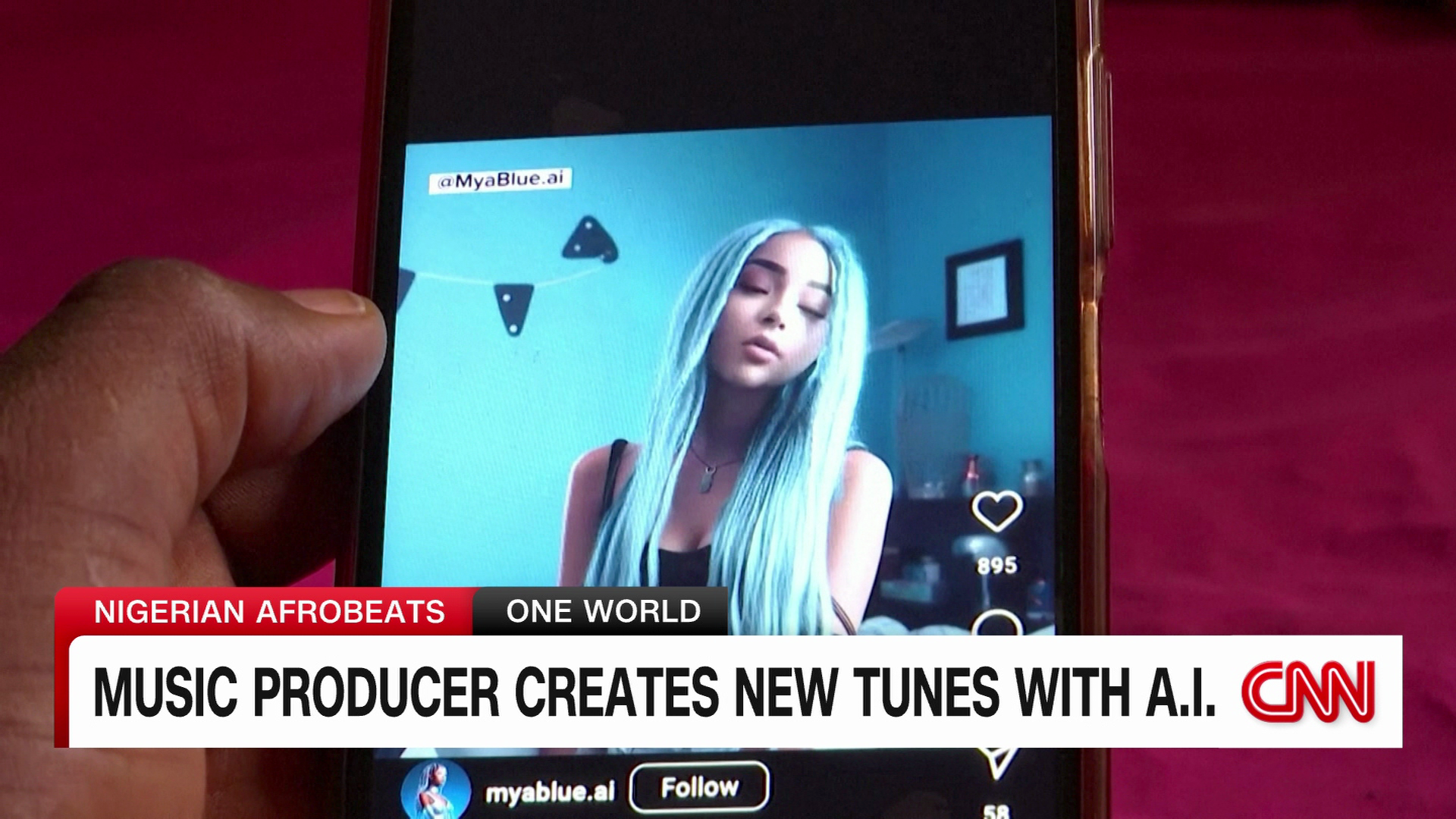
African creators using AI are rewriting the rules of Afrobeats, visual art, and digital storytelling. From mastering tracks to translating captions, they are using smart tools to reach global audiences faster and more effectively.
African creators using AI are turning songs, visuals, captions, and ideas into global-ready content faster than ever. From Lagos to Nairobi and Accra to Johannesburg, musicians, visual artists, podcasters, and short-form video creators now use AI tools to polish their work, reach new audiences, and cut production time.
However, this story is not just about technology. It is about how African creativity is using smart tools to travel farther, sound sharper, and connect across language barriers.
African creators using AI to scale faster
AI has moved from a futuristic idea to a practical part of the creator workflow. In African music, it now helps with lyric drafting, sound cleanup, mixing, mastering, and release planning. In other creative fields, it supports cover art, subtitles, translations, caption writing, and content calendars.
Moreover, the biggest shift is not that AI creates the art for creators. Instead, it helps them finish faster, test more ideas, and publish at a pace that matches global demand. That matters in markets where budgets are tight and attention moves quickly.
According to BFA Agency, AI tools such as Suno, Udio, and other generative systems can now produce melodies and vocals from text prompts, while Nigerian producer Eclipse Nkasi reportedly made a nine-track AI-assisted Afrobeats album in three days at a low cost.[1] Businessday also reports that African producers are already using tools like Splice and Lambda AI for melody support, mixing, and mastering.[2]
Why African creators using AI matters now
Additionally, AI arrives at a time when African creators want more control over distribution, branding, and global reach. A short video can cross borders in hours, and a song can gain listeners in multiple countries before traditional media notices.
Consequently, creators need tools that help them keep up. AI gives them a way to work faster without waiting for a big studio, a large team, or a foreign label deal.
For many African creators, this is also a business story. AI reduces costs, supports experimentation, and opens a path to more consistent output. That is especially useful for independent artists and creators building audiences on their own terms.
African creators using AI in music, visuals, and captions
AI now sits inside many creative steps. Musicians use it to draft hooks, clean audio, and generate demo versions. Visual artists use it to brainstorm cover concepts and motion graphics. Podcasters use it to edit transcripts and create episode summaries. Short-form creators use it to write subtitles, refine captions, and plan posting schedules.
Meanwhile, the tool itself matters less than the result. A creator who understands rhythm, language, and audience behavior can use AI to sharpen delivery and move faster.
- Music mastering: Creators use AI to balance sound, reduce noise, and speed up final edits.
- Cover art: Artists use image tools to generate drafts and visual references quickly.
- Translation: Creators translate lyrics, captions, and interviews for wider reach.
- Captioning: Short-form video makers add subtitles that improve watch time and accessibility.
- Content planning: AI helps creators map themes, schedule posts, and repurpose content.
Importantly, AI also helps content travel across Africa’s language map. A creator in Kenya can reach audiences in West Africa. A Nollywood clip can gain traction in francophone markets. A Ghanaian podcast can become easier to follow for diaspora listeners.
Furthermore, this is where African creators using AI become more competitive. They are not only making content faster. They are making content easier to understand, easier to share, and easier to monetize.
How AI helps African music cross borders
Afrobeats already has global momentum, but AI helps it move even faster. Producers can use AI-assisted tools to test arrangements, explore new hooks, and refine vocals before the final studio pass. That saves time and protects scarce production budgets.
Moreover, AI can help artists tailor releases for different markets. A song can launch with English, pidgin, French, or Arabic captions. That simple step can make a track feel local in several regions at once.
Businessday notes that some producers see AI as an enhancement tool rather than a replacement for human creativity, with several speakers stressing that AI can speed mixing and mastering without removing the artist’s soul.[2] That view is becoming common across the continent.
However, African music still depends on lived experience, regional slang, rhythm, and emotional nuance. AI can support the process, but it cannot fully replace the cultural memory behind Afrobeats, amapiano, bongo flava, or highlife.[1][2]
Creators to watch in the AI-assisted music wave
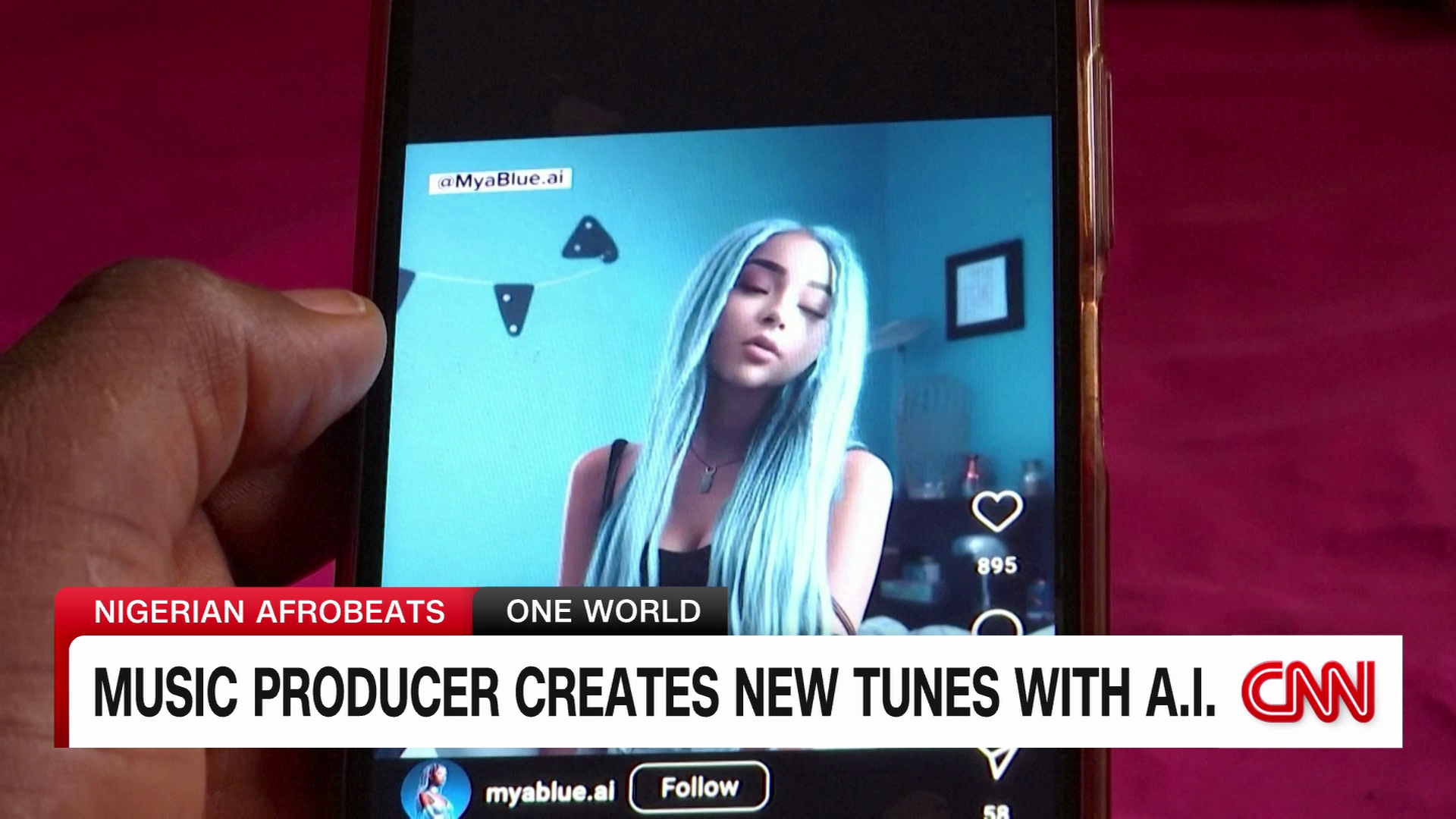
Additionally, some African creatives are already turning AI into a visible part of their brand. The Creative Brief reports that Nigerian lawyer and entrepreneur Bukola Fadipe’s X Records has signed AI-powered artistes and released dozens of AI-driven songs.[4] That model shows how machine-assisted creativity can become a real business format, not just a lab experiment.
Meanwhile, the same report says XGirl, an Oxford-based virtual act, went viral with an AI-powered track and helped push the label into a new kind of global entertainment play.[4] This is one example of how African-led creative ventures are entering the virtual performance space early.
For readers tracking the next wave, these kinds of projects are worth watching because they blend music, IP ownership, and platform strategy. Explore more on Music and Technology for more creator-focused stories.
African creators using AI for translation and global storytelling
Furthermore, translation is one of the most powerful uses of AI for African creators. A song lyric, podcast clip, or video subtitle can be instantly adapted for new markets. That matters on a continent where language diversity can shape reach as much as talent does.
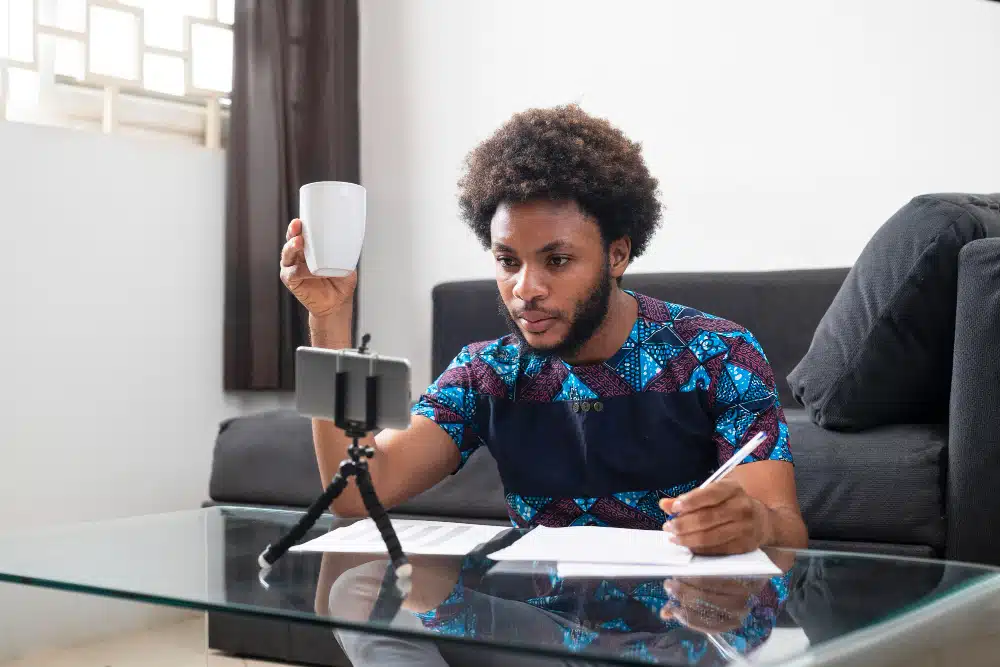
For instance, a Kenyan fashion creator can publish the same video in English and Swahili. A Nigerian comedian can add French captions for West African viewers. A South African podcast can use AI summaries to attract international listeners who want a quick entry point.
In addition, translation helps creators build trust. Audiences are more likely to stay when they can understand the message clearly and quickly.
As a result, AI becomes more than a helper for production. It becomes a bridge between cultures, fans, and platforms.
Short-form video and the caption economy
Moreover, short-form video has made captioning essential. On TikTok, Instagram Reels, and YouTube Shorts, subtitles can decide whether a viewer keeps watching. AI tools now allow creators to generate captions at scale, correct timing, and adapt tone for different audiences.
Meanwhile, this is especially useful for African creators who want to reach diaspora communities. A clip with clear subtitles travels better than one that depends on spoken context alone.
Discover more on Entertainment and Culture & Lifestyle for more coverage of the creator economy.
What AI means for African visual artists and designers
Importantly, AI is also reshaping visual identity. Many African artists use it to draft album covers, brand assets, campaign visuals, and moodboards. That can cut the time between an idea and a publishable asset.
However, the best creators still treat AI as a first draft tool. They refine outputs, add local symbols, and preserve a distinct African look. That human layer keeps the final work from feeling generic.
Additionally, visual artists can use AI to test different styles before committing to a final direction. That helps independent creators work like full studios, even when they operate alone.
For brands, this matters too. A creator with a strong visual identity can move from local recognition to global recall much faster.
- Album art: AI can generate initial cover concepts in minutes.
- Brand kits: Creators can test color palettes and style directions.
- Motion graphics: AI can help convert static designs into short promo clips.
- Campaign planning: Creators can map visuals across platforms before launch.
How startups are building the tools behind the trend
Additionally, African tech startups are beginning to shape the creator stack. The Creative Brief reports that platforms and companies across Nigeria, Kenya, South Africa, and North Africa are experimenting with AI music tools, recommendation systems, and remix features.[4]
Moreover, this matters because African creators need tools built with their realities in mind. They need lower costs, lighter data use, multilingual support, and workflows that fit mobile-first production.
In Kenya, the same report points to Mdundo’s large user base and to startups building recommendation and remix tools for African music discovery.[4] In South Africa, it mentions Ampersand World exploring AI for personalized DJ sets.[4] These examples show that the ecosystem is not waiting for Silicon Valley to define the future.
Furthermore, local startups can also build trust. Creators are more likely to use products that understand African sounds, African slang, and African distribution habits.
The business case for AI in African creator economies
Consequently, the business case is clear. AI reduces time spent on repetitive tasks. It increases the number of posts, songs, or visuals a creator can ship. It also helps small teams compete with larger players.
However, the real value comes when creators use AI strategically. The goal is not to make more content for its own sake. The goal is to make better content, distribute it more widely, and turn attention into income.
Read more about the business side of the creative economy on Business & Economy and the innovation angle on Technology.
Risks, rights, and the need for African ownership
Nevertheless, AI also brings serious risks. Open-ended training on copyrighted music, art, and writing can blur ownership and weaken artist control. Open Democracy warns that African creators face real exposure in the AI boom unless copyright frameworks are strengthened and enforcement improves.[5]
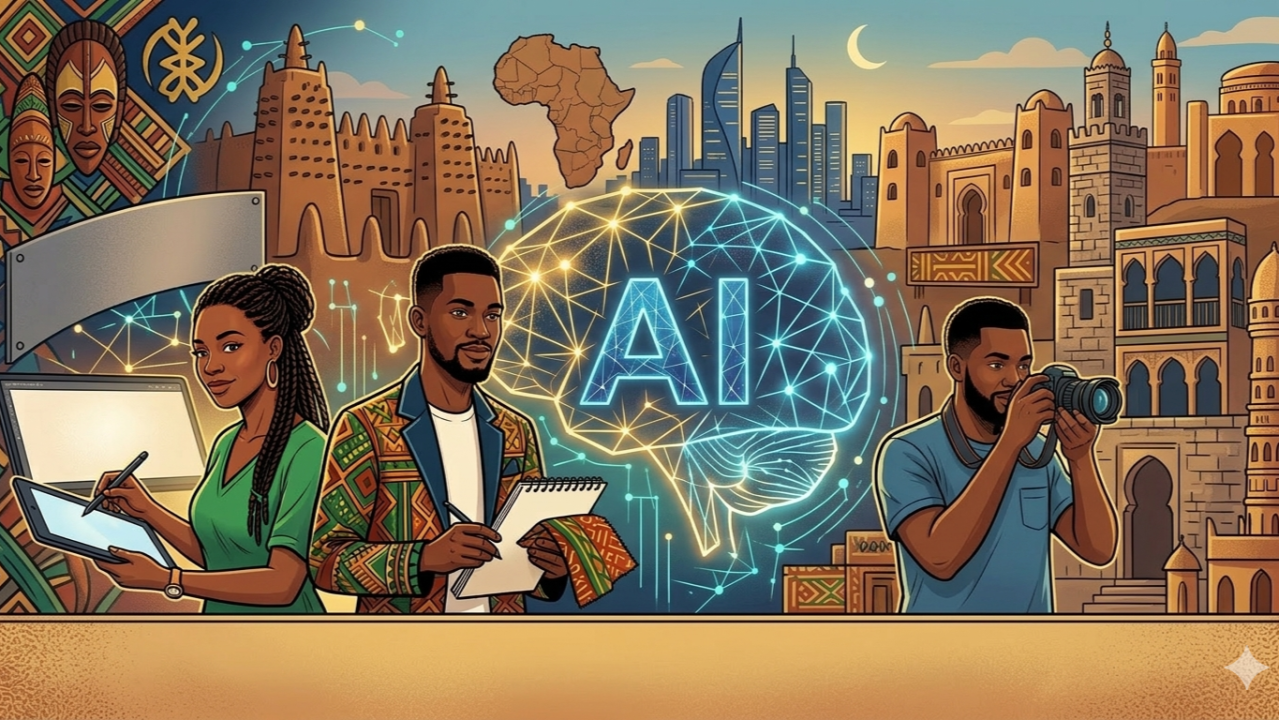
Moreover, the legal issue is not abstract. If a tool learns from African songs and then produces similar output without credit or payment, creators may lose value from their own cultural work.[5]
According to BFA Agency, AI-generated Afrobeats can also feel generic when models lack cultural context and training data from outside the Global North.[1] That means African creators must stay involved in how these tools get built.
In addition, the best long-term outcome will come from African-owned or African-led systems. Creators should not just be users of AI. They should be co-designers, partners, and beneficiaries.
Therefore, rights, consent, and compensation must stay in the conversation. A healthy AI creator economy needs clear rules, fair licensing, and respect for original work.
African creators using AI to reach the diaspora and the world
Additionally, the global audience is already there. African music, fashion, comedy, and digital storytelling now move through platforms that reward speed and relevance. AI helps creators package their work for that environment.
Meanwhile, diaspora audiences often want content that feels both familiar and accessible. AI translation, subtitles, summaries, and remixes help creators meet that need without losing identity.
For example, a music creator can release a song with captioned teaser clips across multiple languages. A podcaster can turn one episode into ten social posts. A fashion creator can turn a single photoshoot into a month of content.
As a result, the creator does more than post. The creator builds a global content system.
Cross-continent collaboration is the next frontier
Furthermore, AI can help African creators collaborate with artists abroad more smoothly. It can draft shared briefs, translate notes, and speed up first-round edits. That lowers friction and makes it easier for teams in different time zones to work together.
Importantly, these collaborations can also protect the African voice. When used well, AI helps the message travel without flattening the style.
Share your thoughts in the comments: which African creator is using AI most effectively right now?
What African creators should do next
Ultimately, the biggest opportunity lies in balance. African creators should use AI to save time, widen reach, and strengthen quality. At the same time, they should protect originality, negotiate rights, and keep cultural depth at the center.
Moreover, creators who want to scale should focus on a few practical habits. These habits can make AI useful without letting it take over the brand.
- Use AI for speed, not identity: Let it handle drafts, cleanup, and support tasks.
- Keep a human editor: Review tone, language, and cultural detail before publishing.
- Think multilingual: Add captions and translations for regional and diaspora audiences.
- Track ownership: Know what tools were used and what rights apply to the output.
- Build a repeatable workflow: Turn one idea into video, audio, visual, and text formats.
Additionally, creators who learn prompt writing, sound design, and AI-assisted editing will likely gain an edge. Those skills are becoming part of the modern creative toolkit.
Discover more creator stories across Arts & Entertainment, Lifestyle & Culture, and Technology & Innovation.
Explore More on Topping Africa
Technology & Finance: Follow how African startups, tools, and digital platforms are changing work and creativity. Explore Technology
Music: Read about the artists, producers, and Afrobeats trends shaping global sound. Explore Music
Arts & Entertainment: Discover creator stories, viral culture, and the people driving Africa’s creative wave. Explore Entertainment
Subscribe for more stories on African innovation, and leave a comment below if you want a follow-up feature on the best AI tools African creators are using right now.
Africa’s creative future is not about choosing between art and algorithms. It is about using both to tell stronger stories, reach farther, and keep the continent’s voice unmistakably its own.
Read more about the changing creator economy, and explore how African talent is shaping global culture one post, one beat, and one clip at a time.
Furthermore, the most successful creators will be the ones who treat AI as a partner, not a replacement. That is where the next wave of African creative power will come from.
However, the final advantage still belongs to the creator who knows the audience best. AI can accelerate the work, but African perspective gives it meaning.

Staff
Contributing writer at Topping Africa.
0 Comments
No comments yet. Be the first to share your thoughts!