Afro-Futurist Streetwear: How Gen Z African Streetwear Influencers Are Rewriting Style on TikTok and Instagram
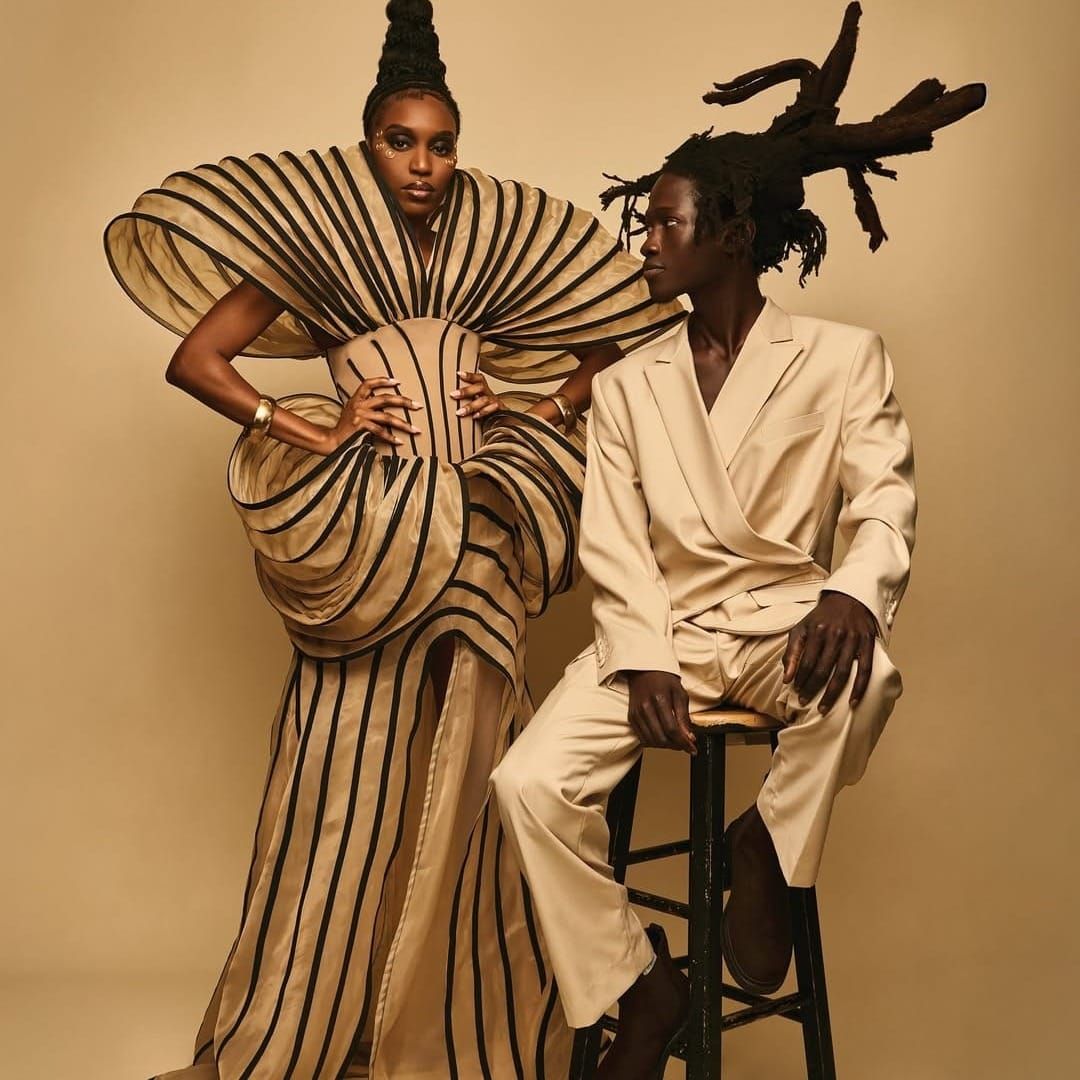
Afro-futurist streetwear is reshaping African fashion, and Gen Z African streetwear influencers on TikTok and Instagram are at the center. Discover how young creators in Nigeria, South Africa, Ghana, and Kenya turn viral looks into real businesses using AI tools, short-form video, and dropshipping.
Afro-futurist streetwear and the rise of African streetwear influencers
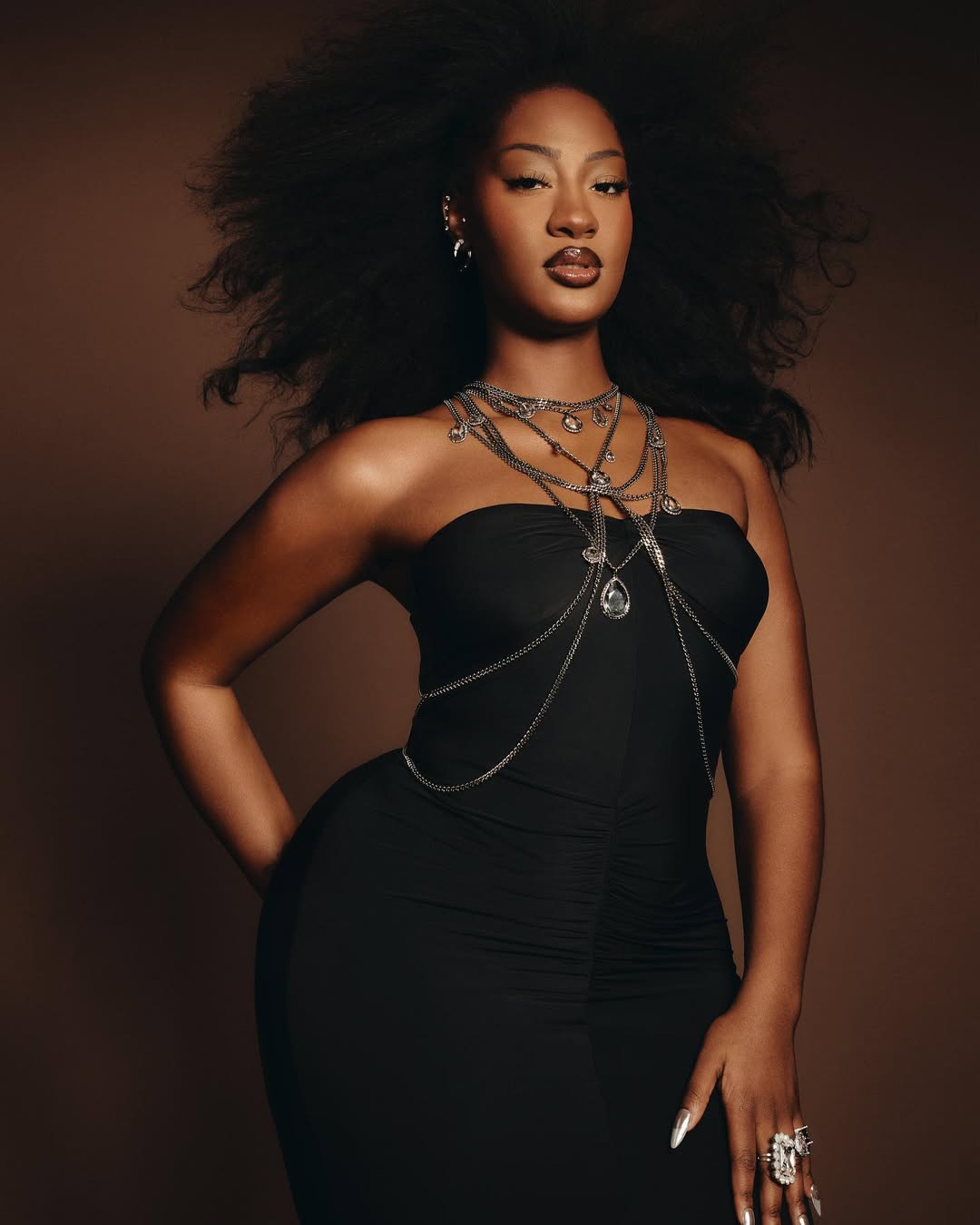
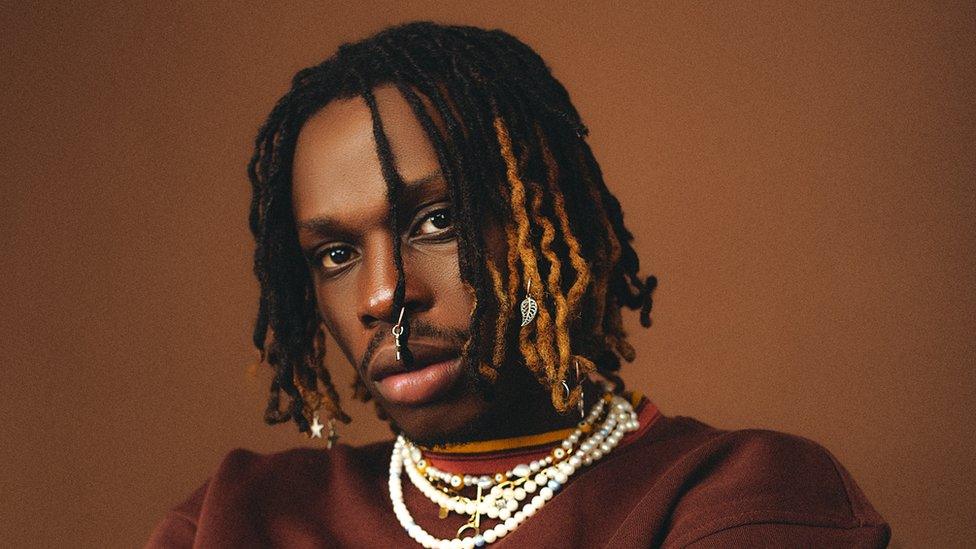
You are living in a fashion moment where afro-futurist streetwear is rewriting the rules of global style, and african streetwear influencers on TikTok and Instagram are leading the charge. Moreover, Gen Z creators from Lagos to Johannesburg are turning bold digital looks into full-scale businesses in real time. Consequently, you no longer need a runway slot at fashion week to shape the future of African fashion. Instead, you need a phone, a point of view, and a fearless mix of tech and culture.
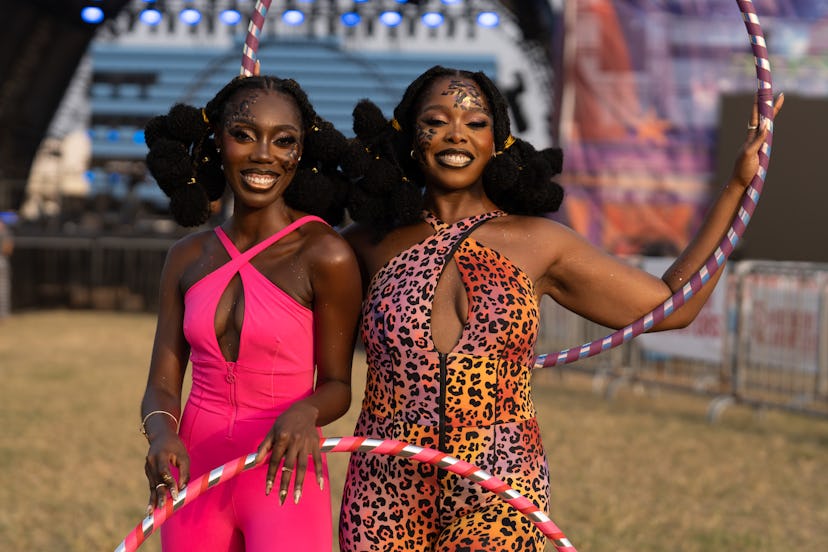
Furthermore, you see this every day in short-form videos that blend Ankara prints with chrome masks, kente-inspired sneakers with AR filters, and shuka textiles styled like sci-fi armor. Notably, this is more than just aesthetics. Afro-futurist streetwear fuses heritage, technology, and entrepreneurship, and it gives young Africans new ways to earn, collaborate, and lead. As a result, your feed has become the most important front row in African fashion.
In this guide, you will see how Gen Z creators use TikTok, Instagram, AI tools, and dropshipping to build brands that the old system never saw coming. Additionally, you will discover why this movement matters for African innovation, influencer culture, and the next decade of style. If you care about culture, business, or content creation, this is your playbook to what happens next.
What makes Afro-futurist streetwear different?
Afro-futurist streetwear sits at the intersection of heritage, technology, and everyday wear. Unlike classic luxury fashion, which often feels distant and seasonal, this movement is daily, digital, and deeply personal. Moreover, it taps into Gen Z’s demand for individuality, honesty, and brands with a clear point of view[2]. You do not just wear the clothes; you broadcast a story about the Africa you believe in.
Additionally, Gen Z fashion in 2026 is about comfort, personality, and smarter shopping habits, and streetwear remains central to that shift[2]. Baggy pants, graphic tees, oversized shirts, and chunky sneakers still rule, but in African cities you also see beadwork, agbada-inspired silhouettes, and bead-printed hoodies in the mix. Consequently, Afro-futurist streetwear gives you room to remix history with gaming, anime, and sci-fi influences, without losing your roots.
Importantly, Afro-futurism is not only a visual trend. According to creators across TikTok and Instagram, it is a movement and a vision, rooted in questions about identity, belonging, and the future of Black and African life[7]. Therefore, when you post a chrome-detailed gele or a Maasai harness styled like a space suit, you are not just chasing likes. You are adding your voice to a global conversation about where Africa is heading.
Key pillars of Afro-futurist streetwear
To understand how african streetwear influencers build powerful brands around this aesthetic, you need to break down its core elements.
- Heritage coding: In particular, creators remix kente, shuka, Ankara, isiXhosa beadwork, and Adinkra symbols into hoodies, cargo pants, and sneakers.
- Tech layering: Additionally, AI design tools, AR filters, and digital metaverse platforms shape the visual language of these fits.
- Community-first storytelling: Moreover, Gen Z treats comments, stitches, and duets as part of the design process, not just marketing[1][4].
- Drop culture: Consequently, limited drops, capsule collections, and pre-orders fuel FOMO and keep brands nimble[4].
As a result, Afro-futurist streetwear is as much about how you create and distribute as it is about what you wear.
How Gen Z African streetwear influencers use TikTok and Instagram
TikTok and Instagram are not just platforms for Gen Z, they are infrastructure. Additionally, they replace traditional runways, PR teams, and retail showrooms with short-form video and algorithm-driven discovery. According to recent insights on Gen Z fashion, this generation shapes trends by posting daily outfits and remixing references in ways that feel authentic and lived-in[1][2]. Consequently, you see new micro-trends born on your For You Page long before they reach any glossy magazine.
Furthermore, social media gives creators a way to build communities around niche aesthetics. On TikTok, a single styling hack featuring futuristic Ankara cargo pants can spark thousands of duets and stitches across Nigeria and the diaspora. On Instagram, carefully curated Reels and carousel edits help you build a visual universe around your brand. Therefore, the most successful african streetwear influencers treat every post as both content and commerce.
Importantly, Gen Z’s focus on authenticity and self-expression means you win more by being consistent and real than by chasing every trend[4]. Instead of polished campaigns, you see behind-the-scenes fabric sourcing, design sessions, and late-night packing clips. As a result, followers feel like co-founders, not just customers.
From styling videos to real businesses
Many of the most exciting Afro-futurist brands start as styling accounts long before they register as companies. First, a creator posts daily fits built from thrifted pieces, custom graphics, or hand-dyed fabrics. Then, a single viral video unlocks a wave of DMs asking where to buy the look. Consequently, that moment becomes the unofficial launch of the brand.
Additionally, Gen Z creators are more comfortable than any previous generation with e-commerce tools, payment links, and print-on-demand services[4][2]. You can plug your design into a dropshipping platform, connect it to Instagram Shop, and start taking orders without owning a factory. Moreover, you can test designs with small runs, then scale only what resonates. This agile model reduces risk while keeping your brand responsive to culture.
As a result, some of the most innovative African fashion businesses today grew out of TikTok challenges and styling threads, not investor boardrooms. If you are building your own label, the lesson is clear: treat content as your first product. Let your community tell you which looks deserve to become real-world drops.
Afro-futurist streetwear scenes: Nigeria, South Africa, Ghana, Kenya
Across the continent, different cities bring their own flavor to Afro-futurist streetwear. Moreover, each ecosystem blends local music, tech, and street culture in distinct ways. When you zoom into Nigeria, South Africa, Ghana, and Kenya, you see four overlapping but unique style labs.
Lagos: Alté energy and digital hustle
Lagos remains one of the most important cities for African streetwear. Additionally, the Alté movement created a space where experimental silhouettes, gender-fluid styling, and futuristic accessories feel normal. You often see creators fuse traditional agbada shapes with techwear details and cyberpunk accessories, then style them to amapiano or Afro-fusion tracks on TikTok.
Furthermore, Nigerian Gen Z entrepreneurs are quick to adopt dropshipping, social commerce, and AI tools to speed up design and production. Many sell via Instagram Stories drops and WhatsApp lists rather than full e-commerce sites. Consequently, Lagos has become a hub for social-first fashion brands that scale fast while staying rooted in local culture.
If you are watching from outside Nigeria, you still feel the impact. Lagos-based creators set trends that travel through music videos, dance challenges, and collabs with rising Afrobeat stars. Therefore, paying attention to Lagos streetwear is one of the fastest ways to see where African fashion is heading next.
Johannesburg and Cape Town: Amapiano, skate culture, and Afrofuturism
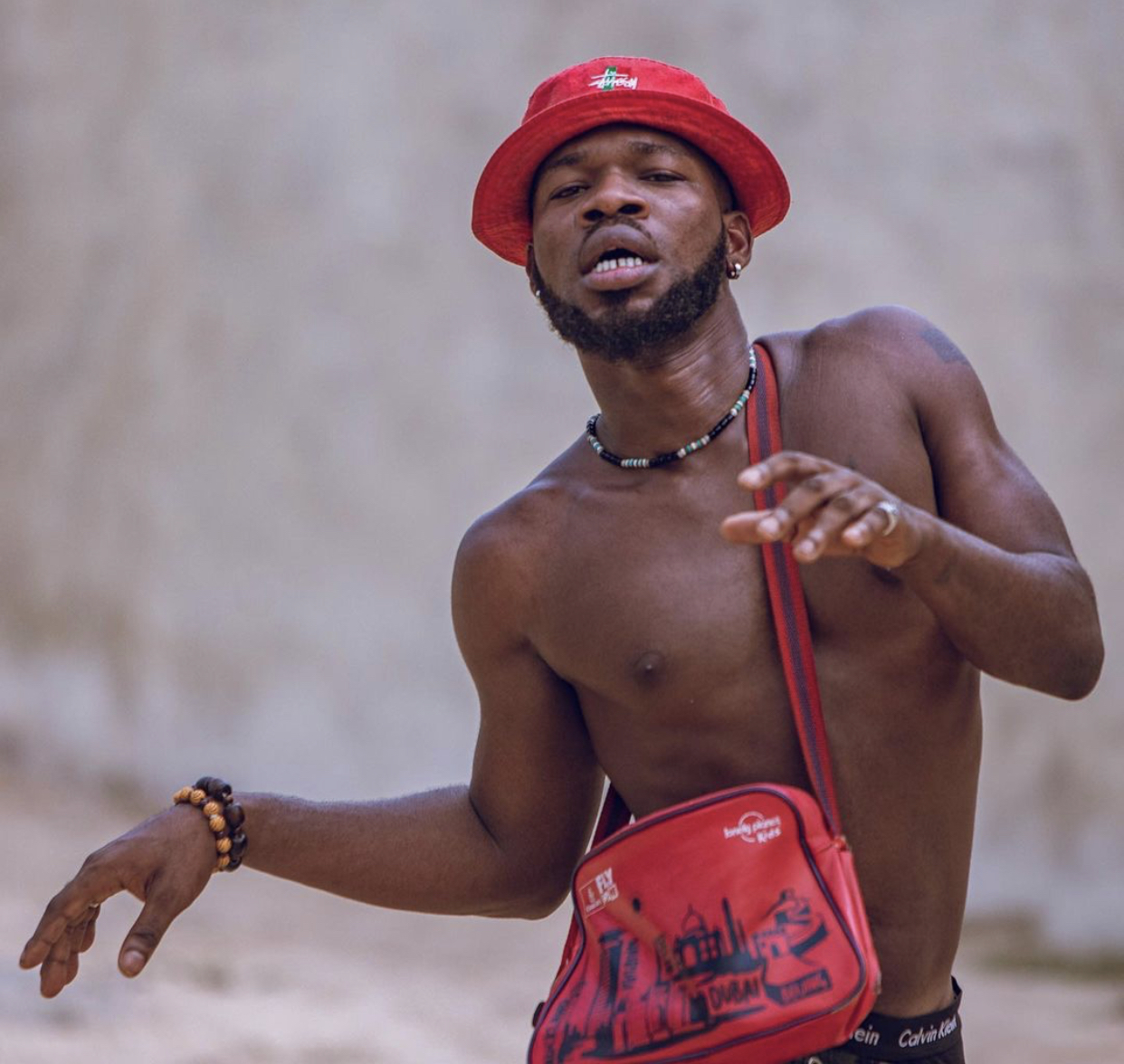
In South Africa, Afro-futurist streetwear rides on the energy of amapiano, skate culture, and a strong design community. Additionally, you see oversized cargo pants, bold prints, reflective fabrics, and utility vests paired with bucket hats and chunky sneakers[2]. Many creators style these looks in rooftop shoots, taxi ranks, and township corners, making each video a capsule of lived experience.
Moreover, the country’s long history of protest art and DIY fashion feeds into a streetwear scene that is both political and playful, even when content avoids direct politics. Creators blend isiZulu or Setswana inscriptions with VR-inspired graphics and gaming references. Consequently, South African Afro-futurism feels both grounded and cinematic.
For you as a viewer or aspiring creator, the important lesson is clarity of point of view. South African streetwear brands that win on TikTok and Instagram often have a recognisable visual language, even before you see their logos. Therefore, you should invest time in building a signature silhouette, color palette, or motif that people can spot on a crowded feed.
Accra: Print innovation and diaspora bridges
Accra’s Afro-futurist streetwear scene leans heavily on print innovation and diaspora collaboration. Additionally, creators remix kente and wax prints with clean, modern tailoring and minimalist sneakers, giving heritage textiles a futuristic edge. TikTok and Instagram make it easy for Ghanaian designers to collaborate with stylists in London, New York, and Toronto, creating cross-Atlantic style loops.
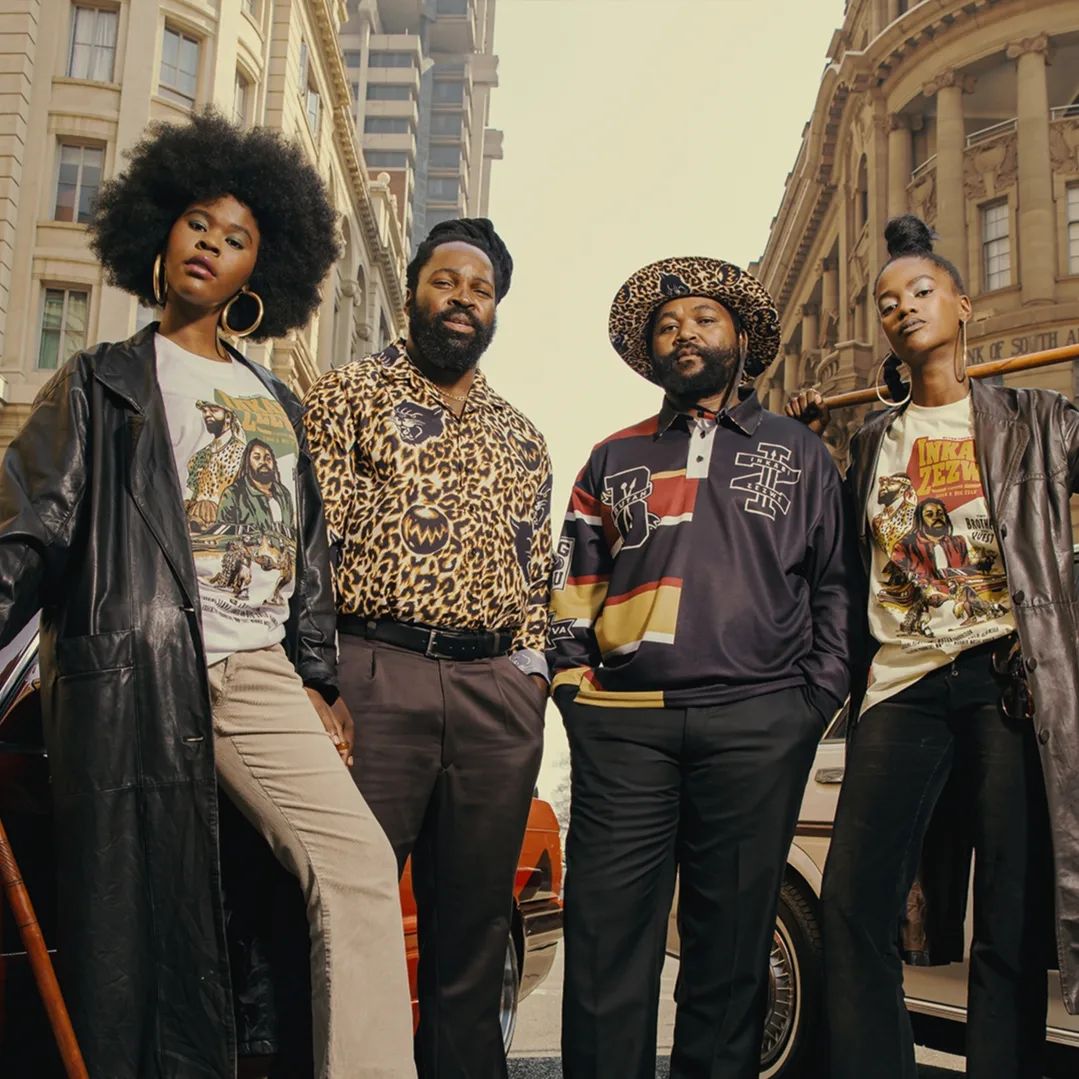
Moreover, many emerging brands use social video to document each step of the process, from fabric selection at Makola Market to final fittings. Consequently, followers gain a deeper appreciation for the craft behind every hoodie and bomber jacket. This transparency also supports premium pricing, because your community understands the value.
If you are a Ghanaian creator, this environment gives you both a local base and a global stage. Therefore, the smartest move is to embrace both, telling stories that resonate in Accra while staying legible to global audiences hungry for fresh African aesthetics.
Nairobi: Tech, sustainability, and Afrofuture storytelling
In Nairobi, Afro-futurist streetwear connects tightly with tech and sustainability. Additionally, the city’s strong startup culture and growing interest in circular fashion show up in upcycled denim, reworked uniforms, and tech-branded hoodies turned into statement pieces. Creators often shoot in co-working spaces, rooftop gardens, and BRT stations, linking fashion to the city’s digital shift.
Furthermore, many Kenyan TikTok and Instagram creators lean into narrative. Rather than just outfit-of-the-day clips, you see mini sci-fi storylines, voiceovers about future Nairobi, and styling that references Maasai, Kikuyu, and coastal cultures. Consequently, Afro-futurist streetwear in Kenya feels like an ongoing film about the future of East Africa.
For you, Nairobi offers a blueprint for how to tie fashion, technology, and sustainability into one clear story. If you build content that speaks to all three, you position yourself well for brand partnerships, grants, and cross-industry collaborations.
Tech stack of the new African streetwear influencer
The new wave of african streetwear influencers uses a tight, clever tech stack to move from idea to product. Additionally, they are not waiting for perfect conditions or big investors. Instead, they mix AI design tools, dropshipping, and social-first commerce to test and scale their vision fast.
AI design tools: from moodboard to mock-up
AI design tools and image generators help Gen Z creators visualize Afro-futurist looks before they ever cut fabric. Moreover, you can feed text prompts about Maasai bead armor fused with cyberpunk neon, or Igbo uli patterns printed on space-age jackets, and generate mock-ups in minutes. This speeds up the creative process and makes it easier to pitch ideas to collaborators and buyers.
Additionally, AI-powered design apps for print-on-demand let you quickly apply your artwork to hoodies, tees, and accessories. Consequently, you can experiment with multiple colorways and placements without heavy upfront cost. While you must always respect intellectual property and community aesthetics, these tools give you a powerful way to explore new ideas.
If you are just starting, you do not need advanced skills to benefit. Many platforms offer intuitive interfaces and templates. Therefore, the real differentiator is your concept, not your software budget.
Dropshipping and print-on-demand: low-risk scaling
Dropshipping and print-on-demand services remove one of the biggest barriers to entry: inventory. Additionally, instead of buying hundreds of units, you can produce a design only when a customer places an order. Platforms like Printful highlight how Gen Z brands around the world use this model to stay lean and experimental[2].
Moreover, African creators combine these tools with local production in smart ways. You might use dropshipping for global orders, while working with neighborhood tailors for special pieces and limited capsules. Consequently, you keep your business flexible, resilient, and rooted in your community.
As a result, you can run global tests from your smartphone. If a TikTok video goes viral in Berlin or São Paulo, you already have the infrastructure to ship there. Therefore, your total addressable market is much larger than your city or even your country.
Metaverse and virtual showrooms
Beyond physical drops, some African creators are experimenting with virtual spaces to showcase Afro-futurist streetwear. For instance, African-led metaverse platforms make it possible to host events, build digital storefronts, and sell virtual or physical goods through immersive 3D spaces[6]. Additionally, this aligns perfectly with Afro-futurism’s love of speculative worlds and new realities.
Furthermore, virtual showrooms make it easier to pitch to international buyers and collaborators without travel costs. You can invite people into an interactive space where they view your collection, watch performance clips, and place orders. Consequently, your brand feels innovative and future-ready.
If you operate in tech-forward hubs like Nairobi, Lagos, or Cape Town, this is a frontier worth watching. Therefore, exploring metaverse pilots, AR lookbooks, or digital skins for games could become a new revenue stream and a strong branding move.
Community, FOMO, and the new drop culture
Gen Z’s relationship with fashion is strongly shaped by community and FOMO. According to research on marketing to Gen Z, this generation responds well to interactive content, limited drops, and urgent offers that tap into fear of missing out[4]. Additionally, they expect brands to speak their language and maintain authentic relationships, not just broadcast ads.
Moreover, African streetwear creators apply these ideas in very local ways. You might see a TikTok announcing a 48-hour pre-order window for a chrome-detailed kente hoodie, with a special colorway only for early buyers. Consequently, comments, stitches, and duets amplify the urgency, turning followers into promoters.
If you want to build this kind of momentum, consistency matters more than hype. Therefore, you should train your audience to expect specific drop rhythms, behind-the-scenes teasers, and real-time updates across TikTok and Instagram.
How to build a strong Afro-futurist streetwear community
To turn your followers into a lasting community, you need clear practices and rituals.
- Share your process: Additionally, show sketches, AI mock-ups, fabric shopping, and fittings so people feel invested.
- Use interactive formats: Moreover, run polls, Q&As, and outfit rating sessions to co-create designs with your audience[4].
- Reward loyalty: Consequently, offer early access codes, hidden colorways, or surprise add-ons for repeat buyers.
- Collaborate with other creators: In particular, work with dancers, photographers, and musicians to deepen your storytelling.
As a result, your brand becomes more than a shop. It becomes a shared world your community helps build.
Business opportunities: from influencer to founder
Afro-futurist streetwear offers more than clout. Additionally, it opens up serious business opportunities across fashion, content, and technology. If you grow your audience with intention, you can shift from influencer to founder, then to ecosystem builder.
Revenue streams for African streetwear creators
You do not have to rely on one income source. Moreover, the most resilient creators diversify their revenue.
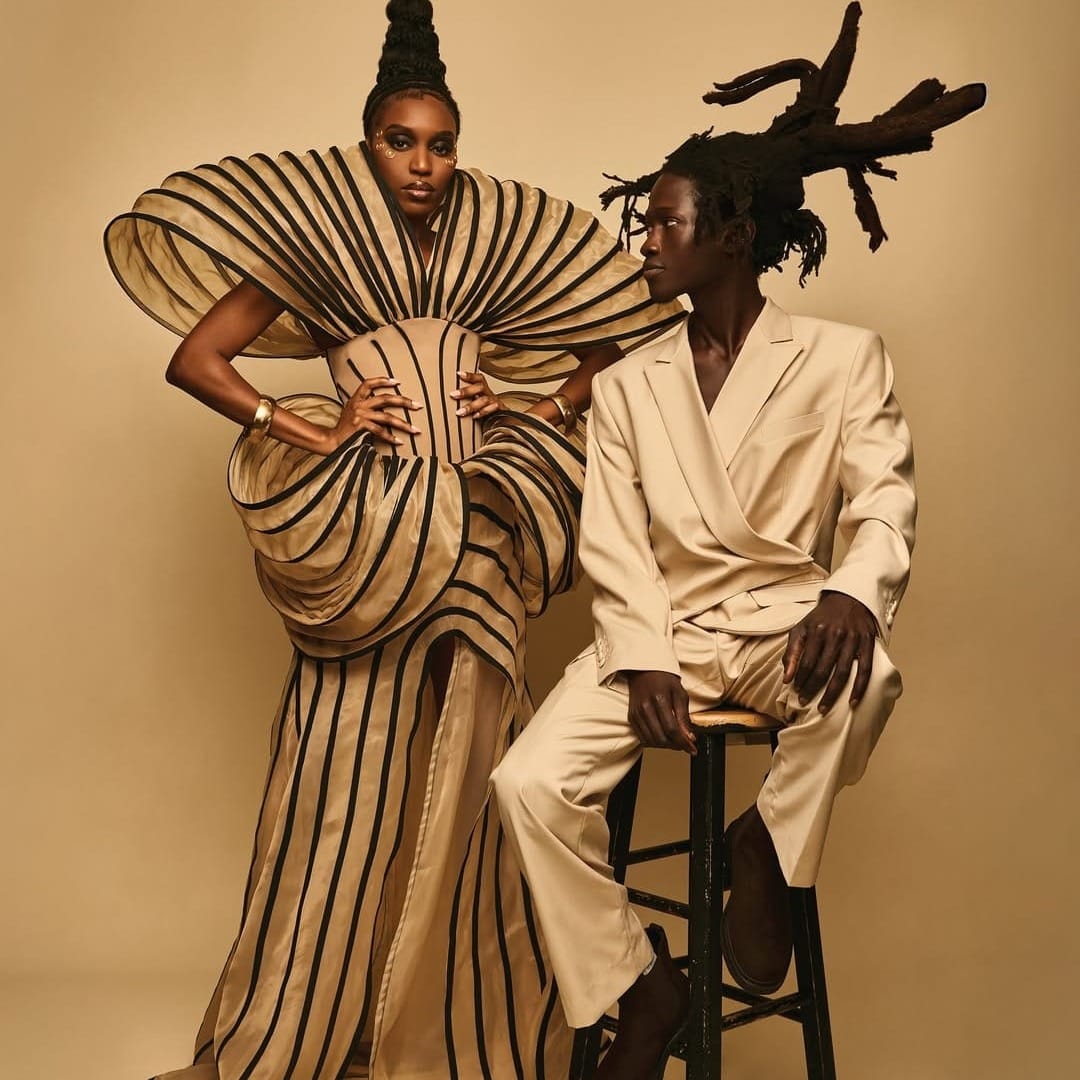
- Direct product sales: Additionally, sell hoodies, tees, accessories, and limited capsules through Instagram Shop and TikTok Shop.
- Brand collaborations: Moreover, partner with African tech startups, fintechs, and telcos for capsule drops and campaigns.
- Digital products: Consequently, offer presets, design packs, AR filters, or educational workshops on styling and content.
- Licensing: In particular, license prints and designs to bigger fashion houses or gaming studios for mutual benefit.
Furthermore, as your influence grows, you can negotiate stronger terms, including revenue shares and long-term partnerships. Therefore, it pays to treat your craft as a business from day one.
Why brands love partnering with Afro-futurist creators
Brands across sectors are eager to connect with Gen Z audiences that trust creators more than traditional ads. According to marketing insights, Gen Z values authenticity, diversity, sustainability, and self-expression, and prefers brands that align with those values[4]. Additionally, they respond strongly to influencers who feel relatable and real.
Moreover, Afro-futurist streetwear creators sit at the perfect crossroads of culture, technology, and aspiration. You speak to music fans, gamers, activists, and fashion lovers at once. Consequently, African tech startups, mobile networks, and streaming platforms view you as ideal partners.
If you want to attract these partnerships, you should focus on consistency, clear values, and professional communication. Therefore, keep your media kit updated, showcase your best-performing content, and be clear about what collaboration means to you.
How you can join the Afro-futurist streetwear wave
If you are ready to enter this space, you do not need to copy anyone. Additionally, you just need a clear vision and the discipline to show up. The following steps can help you build momentum without losing your voice.
Step 1: Define your Afro-future
Before you design clothes, design your world. Moreover, ask yourself what the future of your city, culture, or community looks like if things go well. Is it climate-safe? Is it hyper-digital? Is it deeply spiritual? Consequently, let that vision guide your colors, silhouettes, and storytelling.
Additionally, research Afro-futurist art, music, and literature from across the continent and the diaspora. Resources like OkayAfrica and The Fader often spotlight forward-thinking African creatives and scenes. As you absorb these influences, keep asking how your point of view is unique.
Step 2: Start with content, not collections
Instead of investing heavily in stock, start by posting consistent content around your style. Additionally, mix outfit breakdowns, styling challenges, and short storytelling clips that explain your inspiration. Pay attention to which videos get saves, shares, and comments.
Moreover, when one look keeps attracting interest, turn it into your first drop using print-on-demand or small-batch production. Consequently, you reduce risk and keep your brand aligned with real demand. Over time, you can expand into full collections once your base is strong.
Step 3: Learn the basics of business and finance
Creative talent carries you far, but structure keeps you in the game. Additionally, take time to understand cash flow, pricing, and basic accounting. Explore guides and resources on African entrepreneurship and creator finance in spaces similar to Business & Economy and Technology.
Moreover, think about your brand name, logo, and long-term positioning early. Protect your intellectual property where possible, and keep written contracts for collaborations. Consequently, you build a solid foundation that makes investors and partners take you seriously.
Explore more on Topping Africa
If you want to stay ahead of the next wave of Afro-futurist fashion, you should track the wider culture around it. Additionally, Topping Africa covers the music, tech, and lifestyle trends that fuel this movement.
- Entertainment – Discover rising artists, viral trends, and creator stories shaping African pop culture.
- Culture & Lifestyle – Explore how urban life, travel, and digital trends influence African style.
- Africa News – Read more about the innovation and opportunities transforming cities across the continent.
Moreover, if this article sparked ideas for your own brand or content, share your thoughts and leave a comment on our latest fashion and creator features. Additionally, subscribe to stay updated on the most exciting stories about African creators rewriting the rules.
Why Afro-futurist streetwear matters for Africa’s future
Afro-futurist streetwear is more than a look; it is a proof of concept for African innovation. Additionally, it shows how Gen Z can use low-cost digital tools to build global brands from their bedrooms. In a world where many still associate African fashion with stereotypes or only traditional shows, this movement offers a powerful alternative story.
Moreover, it proves that culture, technology, and entrepreneurship are strongest when they move together. When you see a teen in Accra using AI to design a hoodie, a student in Nairobi filming a sci-fi styling reel, or a crew in Lagos managing a drop on TikTok Shop, you are witnessing new forms of economic power. Consequently, supporting these creators is not just about style; it is about backing the next wave of African businesses.
If you are an aspiring creator, investor, or simply a fan, now is the time to explore, discover, and engage. Additionally, the future of African fashion is being written in your feed right now, one clip, one comment, one drop at a time. Your only job is to decide how actively you want to be part of it.

Staff
Contributing writer at Topping Africa.
0 Comments
No comments yet. Be the first to share your thoughts!