
Africa's Most Profitable Creator-Friendly Businesses: 7 Niches Powering the New Digital Economy

The most profitable business in Africa for creators is not mining or telecoms — it is cultural. From content production studios to AI-powered e-commerce, seven high-margin niches are redefining what it means to build a scalable business on the continent. Here is where the real opportunity lives in 2025 and beyond.
Ask a traditional business consultant about the most profitable business in Africa and you will likely hear about mining, telecoms, or banking. Those answers are not wrong — but they are built for people with millions in capital, not for the wave of creators, storytellers, and digital entrepreneurs reshaping the continent right now. The real story in 2025 and beyond is that some of Africa's highest-margin opportunities are creator-native: businesses that monetize African culture, creativity, and innovation at scale, often with lean teams and low overhead. This list is for those people.
Below are seven niches where African creators are building profitable, scalable businesses — with concrete revenue models, realistic numbers, and honest trade-offs for each.

1. Content Production Studios: The Infrastructure Play
A solo creator makes content. A content production studio sells content infrastructure — and that distinction is worth tens of thousands of dollars per month. Studios in Lagos, Nairobi, and Accra are now signing retainer deals with global brands that want authentic African storytelling. Think $5,000–$25,000 monthly contracts for video series, branded podcasts, or social content packages.
The model works because supply is still scarce. Most global brands want Africa-facing content but lack the local creative talent and production capacity to execute it. A studio with three to five full-time creatives, a basic camera kit, and a strong portfolio can command rates that individual freelancers cannot. The mistake most creators make is staying freelance too long — the studio model multiplies income without multiplying hours.
Key tools that reduce overhead: CapCut Pro for fast video editing, Notion for client project management, and platforms like Passionfroot for packaging and selling creator services. Margins on studio retainers typically run 60–70% once the team is in place.
- Start with two or three anchor clients before hiring full-time staff.
- Specialize by format (short-form video, podcasts, documentary) rather than trying to do everything.
- Register as a company early — global brands will not sign contracts with individuals.
Discover how African creators are already building this kind of infrastructure by exploring the top African content creators to watch in 2026 — many are quietly operating full studios behind their personal brands.

2. African Culture E-Commerce: Selling Identity at a Margin
The global market for African fashion, art, and lifestyle products is growing fast. Statista projects Africa's e-commerce revenue will surpass $75 billion by 2025. The creator angle here is powerful: a creator with an engaged audience can launch a product line and convert followers into buyers at conversion rates that paid advertising cannot match.
Ankara print clothing, handcrafted jewelry, Afrocentric home décor, and digital art prints are all high-margin categories. A well-positioned brand can achieve 60–80% gross margins on print-on-demand products and 40–55% on physical goods sourced locally. The key differentiator is story — buyers in Europe, North America, and the Gulf pay a premium for products with a clear cultural narrative behind them.
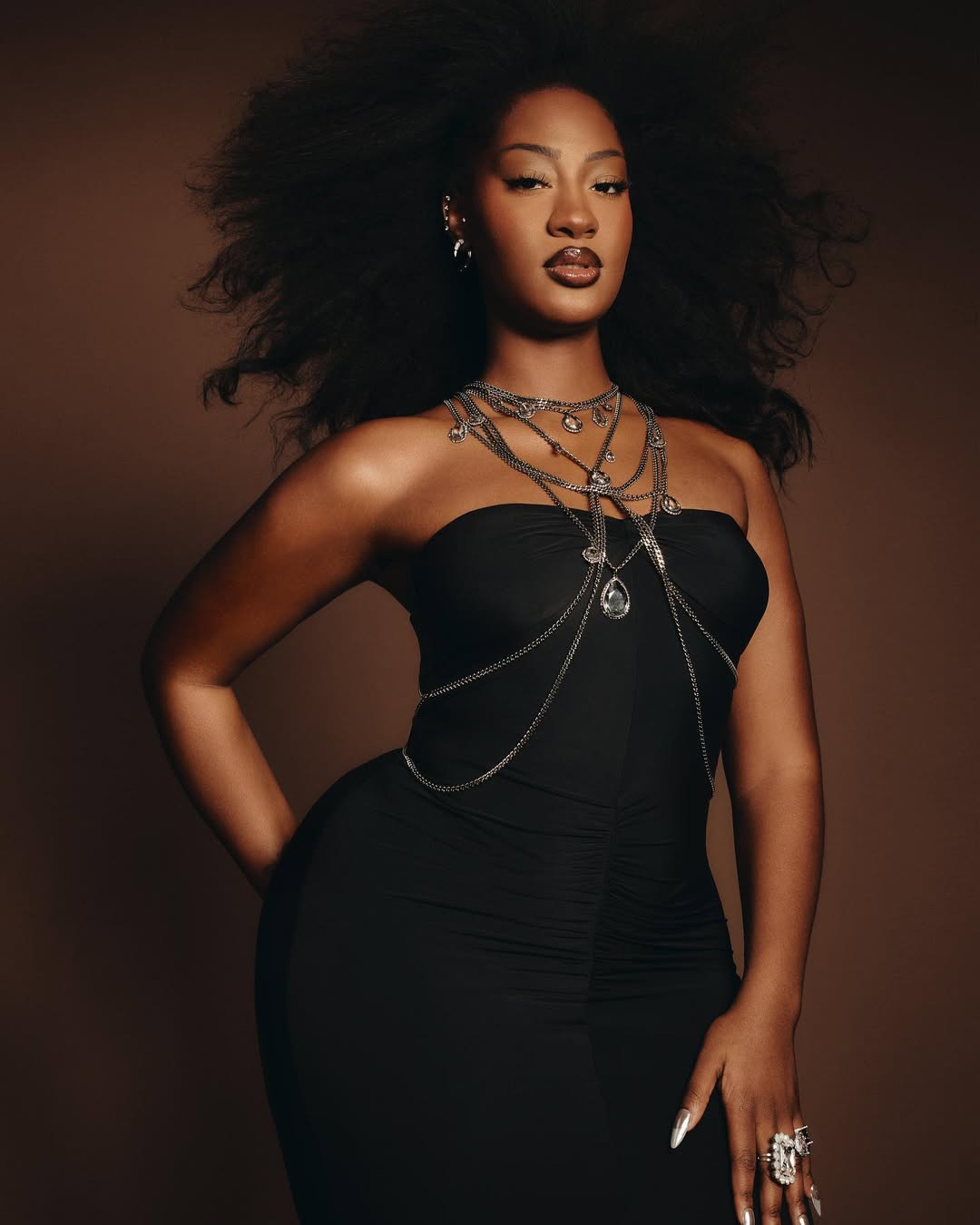
Angola-based creator Carla Djamila is a sharp example of how personal brand and cultural identity can drive serious commercial reach. Her rise in the Lusophone fashion space shows exactly how creators turn cultural specificity into a competitive moat that generic e-commerce brands simply cannot replicate.
The common mistake: launching too broad. Picking one specific cultural niche — say, Yoruba-inspired streetwear or East African beadwork jewelry — outperforms a generic "African fashion" store every time, both in SEO and in community loyalty.
3. African Tech Consulting and EdTech: The Knowledge Economy
Africa has a skills gap and a knowledge hunger that few markets can match. Creators who have built expertise in fintech, AI, blockchain, or software development are packaging that knowledge into courses, cohorts, and consulting retainers — and charging accordingly. A well-structured online cohort on, say, building fintech products for African markets can sell 200 seats at $300 each. That is $60,000 from a single launch.
The EdTech angle is particularly strong because the competition from Western platforms is structurally weak. A Coursera course on "African fintech" is written by someone who has never navigated M-Pesa integrations or Central Bank of Nigeria compliance. Local experts have a knowledge edge that is genuinely defensible.
Platforms like Teachable, Selar (built specifically for African creators), and Thinkific make it straightforward to host and sell courses without technical overhead. Consulting retainers — where a creator advises startups or NGOs monthly — can run $2,000–$8,000 per client with very low marginal cost.
For a concrete look at how tech expertise translates into creator influence and business, see how Nigeria's top tech influencers are monetizing AI and crypto knowledge. The pattern is consistent: deep expertise, packaged simply, distributed to a hungry audience.
- Validate your course with a paid beta cohort of 10–20 people before building the full curriculum.
- Use a waitlist to build demand before launch — scarcity converts better than discounts.
- Consulting retainers are faster to close than courses; start there to fund course production.
4. Nollywood and African Film Production: The Streaming Gold Rush
Netflix, Amazon Prime, and Canal+ are all actively acquiring African content — and they are paying. Reuters reported that Netflix has committed hundreds of millions of dollars to African original content. Independent producers who own their IP are the ones capturing the most value from this shift.
Funke Akindele's Everybody Loves Jenifa breaking UK box office records is not an anomaly — it is a signal. Read the full story here. The diaspora market alone represents a massive, underserved audience willing to pay premium prices for authentic African storytelling.
For creators entering this space, the most profitable entry point is short-form narrative content — web series and short films that can be pitched to streaming platforms or self-distributed on YouTube with ad revenue and brand sponsorships layered on top. A YouTube channel with 500,000 subscribers in the Nigerian entertainment niche can generate $8,000–$15,000 monthly from AdSense alone, before sponsorships.
The trade-off is production cost. Film is capital-intensive. The smart approach is to start with micro-budget productions ($2,000–$10,000 per episode) to build a catalogue and an audience before pitching to streamers. Own your masters from day one — licensing deals are where the long-term money lives.

5. Afrobeats and African Music Licensing: Passive Income at Scale
Music licensing is one of the most underused revenue streams for African musicians and producers. Every time an Afrobeats track plays in a TV commercial, a Netflix show, or a corporate event, the rights holder earns a fee. Sync licensing deals for a single track can range from $500 for a small brand to $50,000+ for a major film placement.
The global appetite for African music is not slowing. Afrobeats, Amapiano, and Afro-fusion are now standard references in global pop — a shift that creates real commercial opportunity for producers and artists who understand IP ownership. Registering with a Performing Rights Organization (PRO) like COSON in Nigeria or SAMRO in South Africa is the baseline move most artists skip.
Beyond sync, platforms like Musicbed, Artlist, and Epidemic Sound accept African music submissions and pay recurring royalties every time a creator uses your track. A catalogue of 30–50 well-tagged tracks can generate $1,000–$5,000 monthly in passive royalties with zero ongoing effort.
Check out our coverage of the African music videos that dominated March 2025 to see which artists and production styles are resonating most with global audiences right now.
6. African Cultural Tourism and Experience Design
Experience-based businesses are among the highest-margin models in tourism — and African creators are uniquely positioned to build them. Cultural immersion experiences, curated heritage tours, and creator-led retreats command prices that standard hotel packages cannot. A five-day creator retreat in Rwanda or Ghana, priced at $2,500 per person with 20 attendees, generates $50,000 in gross revenue from a single event.
The creator advantage is trust. When a creator with 100,000 engaged followers launches a travel experience, their audience already knows, likes, and trusts them. Conversion rates from personal promotion are dramatically higher than anything a traditional tour operator can achieve through paid ads. The bottleneck is not demand — it is operational execution.
Partnering with local hospitality providers, cultural guides, and airlines is the smart play. RwandAir, for instance, has been actively building partnerships that support African tourism ecosystems. RwandAir's 2025 Skytrax award win signals the kind of regional connectivity that makes multi-country creator retreats operationally viable.
- Start with a single-destination experience before scaling to multi-country tours.
- Charge a non-refundable deposit upfront to validate demand before committing to venue costs.
- Document the experience for content — the retreat itself becomes a content asset that sells future editions.
7. AI-Powered African E-Commerce and Creator Tools
This is the fastest-growing niche on this list and arguably the one with the highest ceiling. African creators who understand both AI tools and local market dynamics are building businesses that did not exist three years ago. AI-powered product description generators for African languages, automated customer service bots trained on local dialects, and AI-assisted design tools for Afrocentric aesthetics — these are real products with real paying customers.
The opportunity is structural. Most mainstream AI tools are trained predominantly on Western data, which means they perform poorly on African languages, cultural references, and market contexts. A creator who builds or curates AI tools specifically for African businesses is solving a genuine pain point. McKinsey's research on Africa's business revolution highlights the continent's digital leapfrogging potential — AI is the next leap.
For a deeper look at how AI is already reshaping creator monetization, read about Africa's AI-powered e-commerce boom and what it means for creators in 2026. The window to build in this space is open now — but it will not stay open forever as larger players move in.
Realistic entry points include building and selling prompt libraries for African marketers ($29–$99 one-time), offering AI content strategy consulting ($500–$2,000 per project), or launching a SaaS tool for a specific vertical like African fashion retail or agri-business marketing. The margins on software and digital products are unmatched — often 80–90% once built.
The Common Thread: Culture as Competitive Advantage
Every niche on this list shares one thing: African cultural specificity is the moat. Generic business advice tells you to compete on price or scale. That is a losing game for most creators. The winning game is to go deeper into what makes African markets, aesthetics, stories, and communities unique — and then build products and services that serve that depth.
The most profitable business in Africa for a creator is not the one with the biggest market. It is the one where your cultural knowledge, your audience trust, and your creative skills combine into something no outsider can replicate. That combination is rarer and more valuable than any amount of capital.
Ready to find your niche and connect with creators already building in these spaces? Explore the full creator ecosystem at Topping Africa's creator discovery platform — and discover the African creators already shaping these industries at toppingafrica.com/creators.
Staff
Contributing writer at Topping Africa.
0 Comments
No comments yet. Be the first to share your thoughts!