
Africa's AI-Powered E-Commerce Boom: What It Means for Creators and Small Businesses in 2026

AI-driven recommendations, second-hand marketplaces, and cross-border logistics are converging to create the biggest e-commerce opportunity in African history. For African creators and small business owners, 2026 is not a year to watch — it is a year to build. Here is exactly how to do it.
African E-Commerce Trends 2026: A Continent Rewriting the Rules
The African e-commerce trends 2026 story is not one of catching up — it is one of leapfrogging. While legacy retail markets in Europe and North America are still trying to retrofit AI onto decades-old infrastructure, African entrepreneurs and creators are building AI-native commerce from the ground up. According to a DHL E-Commerce Trends Report, cross-border parcel volumes from Africa grew by double digits year-on-year, with fashion, beauty, and digital goods leading the charge. That is not a coincidence — it is the result of a generation of creators turning their audiences into customers.
This is not a moment to observe from the sidelines. For African creators, small business owners, and digital entrepreneurs, the convergence of AI-driven recommendations, second-hand marketplaces, and mobile-first cross-border logistics represents the most concrete commercial opportunity in a decade. The question is not whether to participate — it is how to move fast enough to claim your share.

How AI Is Changing the Way Africans Discover and Buy Products
AI-powered product recommendations are no longer a luxury reserved for Amazon or Alibaba. Tools like Tidio, Octane AI, and Shopify Magic now put personalised recommendation engines within reach of any creator with a Shopify or WooCommerce store. On the African continent, platforms like Jumia and Takealot have been quietly deploying recommendation algorithms for years — but the real disruption is happening at the individual creator level.
Consider a Lagos-based fashion designer who sells hand-dyed Ankara fabric sets. Without AI, she relies on manual product tagging and social media posts to drive discovery. With a tool like Shopify Magic, her store learns which fabric patterns convert best for buyers in Accra versus Nairobi, then surfaces those items first. The result? Conversion rates that can jump 15–30% with no additional ad spend, according to Shopify's own published benchmarks.
The mistake most small African sellers make is treating AI as a future investment rather than a present tool. Many wait until they have thousands of products before installing a recommendation engine. That is backwards. Even a 20-product store benefits from AI-sorted collections, because the algorithm starts learning from day one. Start small, install early, and let the data compound.
Practical AI Tools African Creators Can Use Right Now
- Shopify Magic — AI-generated product descriptions, email copy, and smart collections. Free on paid Shopify plans.
- Tidio AI — Conversational AI chatbot that handles customer queries in multiple languages, including Pidgin-friendly custom flows.
- Octane AI — Quiz-based product recommendation funnels. Especially effective for beauty and wellness brands.
- Canva AI — Generates on-brand product imagery without a studio shoot. Critical for creators who sell digital goods or print-on-demand.
- ChatGPT API (via Make.com) — Automates personalised follow-up emails based on purchase history. Setup takes roughly four hours with no code required.
None of these tools require a technical co-founder. They require a clear product, a functional Stripe or Paystack account, and a willingness to iterate. African creators already have the first ingredient — the product, rooted in authentic culture and lived experience. The tools are the easy part.
The Second-Hand Marketplace Surge: A Creator Opportunity Hidden in Plain Sight
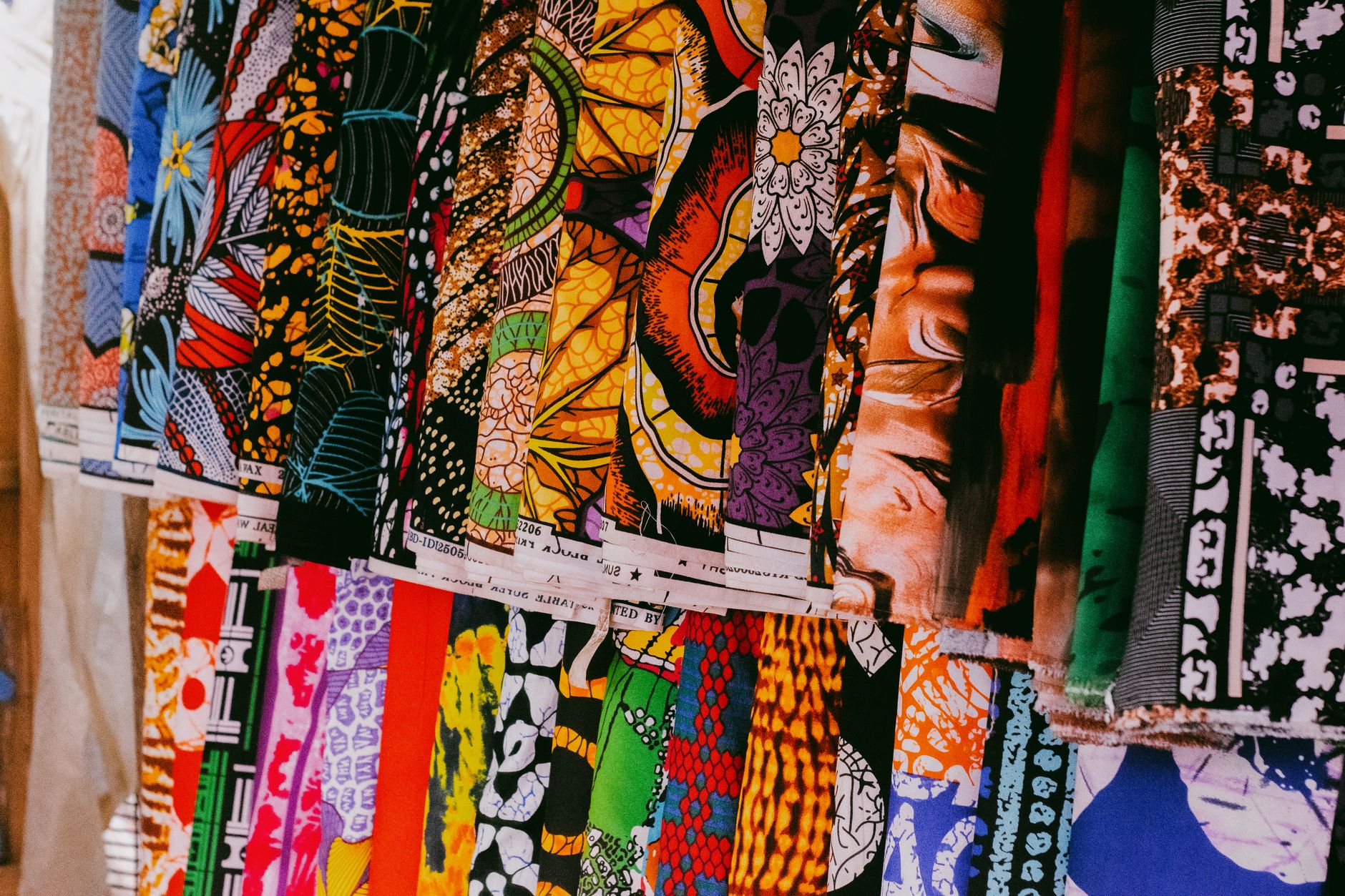
Second-hand commerce is exploding globally, but the African angle is distinct and underreported. Platforms like Vinted and Depop dominate Western resale markets, yet they are structurally inaccessible to most African sellers due to payment and shipping barriers. That gap is being filled — fast — by homegrown platforms and creator-led resale communities on WhatsApp and Instagram.
According to Statista's Africa E-Commerce Outlook, the secondhand goods market in Sub-Saharan Africa is projected to grow at a compound annual rate of over 18% through 2027. The drivers are clear: rising middle-class consciousness around sustainability, a young population that values style over brand-newness, and the sheer volume of quality goods flowing through diaspora networks.
Here is the creator opportunity that most people miss: curation is the product. A creator with 40,000 Instagram followers who curates and resells vintage Kente cloth or archive Afrobeats tour merchandise is not just running a shop — they are running a taste-making business. Their audience trusts their eye. That trust converts at rates that no paid ad can replicate. The creator's brand IS the recommendation engine.
How to Build a Creator-Led Resale Brand in 90 Days
- Week 1–2: Define your niche with surgical precision. "African fashion" is too broad. "Pre-owned Nigerian designer pieces under $80" is a business. Pick a lane your audience already associates with you.
- Week 3–4: Source your first 15–20 items. Attend Aba market runs, connect with diaspora sellers in London or Houston, or partner with local tailors who have excess stock. Document the sourcing journey — that content IS your marketing.
- Week 5–8: Launch on a simple Shopify store with Paystack integration for African buyers and Stripe for diaspora customers. Use Canva AI to produce clean product photos against consistent backgrounds.
- Week 9–12: Run one WhatsApp broadcast per week to your existing community. Offer early access to new drops. Track which items sell in under 48 hours — those are your data points for what to source next.
The 90-day timeline is realistic because the infrastructure now exists. Three years ago, cross-border payment friction alone would have added months to this process. Today, Paystack, Flutterwave, and Lemfi handle the complexity so creators can focus on product and community.
Cross-Border E-Commerce: The Logistics Layer African Creators Must Understand
Cross-border selling is where the real revenue lives — and where most African small businesses stall. The DHL report cited earlier identifies last-mile delivery and customs documentation as the two biggest friction points for African exporters. Both are solvable, but only if you understand the specific failure modes.
The most common mistake: shipping internationally without a commercial invoice that matches the declared customs value. A single mismatch can hold a parcel in Lagos or Accra customs for three weeks, killing the customer relationship before it starts. The fix is simple — use DHL's free MyDHL+ portal to auto-generate compliant commercial invoices, and always declare the actual retail value, not a lower figure. Customs authorities across West Africa have become significantly more sophisticated at flagging undervalued goods.
For creators selling digital products — courses, templates, presets, music, e-books — cross-border logistics is entirely moot. Gumroad, Selar, and Payhip handle global delivery, VAT compliance, and currency conversion automatically. A graphic designer in Kumasi can sell a brand identity template kit to a buyer in Toronto and receive payment in Cedis within 24 hours. That is the business model more African creators should be building alongside their physical product lines.
Platforms That Make Cross-Border Selling Workable for African Creators
- Selar — Built specifically for African digital creators. Accepts mobile money, Paystack, and Stripe. Zero monthly fee on the starter plan.
- Gumroad — Global reach, simple setup. Best for creators with an existing audience outside Africa.
- DHL Express — For physical goods, their Africa-specific shipping lanes offer the most reliable customs clearance support.
- Flutterwave Store — Lets African creators build a storefront and accept payments across 30+ African countries without a separate e-commerce platform.
- Printful + Shopify — Print-on-demand for African-designed merchandise shipped globally. No inventory, no upfront cost.
Choosing the wrong platform is expensive — not in fees, but in time. A creator who builds their entire store on a platform that cannot accept Ghanaian mobile money has already excluded a significant portion of their natural audience. Match the platform to the payment methods your specific audience actually uses, then expand outward.

Creator-Led Brands: The Highest-Leverage Play in African E-Commerce Right Now
The most durable e-commerce businesses being built in Africa right now are not faceless dropshipping operations. They are creator-led brands — businesses where the founder's identity, story, and cultural authority are the primary competitive advantage. Think of it as the African equivalent of what Emma Chamberlain did with Chamberlain Coffee, or what MrBeast is doing with Feastables — except rooted in Afrobeats culture, Pan-African fashion, or Lagos tech aesthetics.
This model works because African creators already have something that Western brand-builders spend millions trying to manufacture: authentic cultural credibility. A creator who grew up in Nairobi's Eastlands, documents their daily life, and launches a streetwear line is not just selling hoodies — they are selling belonging, identity, and a piece of a cultural moment. That is extraordinarily hard to replicate with ad spend alone.
The AI layer amplifies this. Tools like Klaviyo (email marketing with AI segmentation) and Triple Whale (AI-powered ad analytics) allow creator-led brands to understand exactly which content drives purchases — and double down on it. A creator does not need to guess whether their "behind the scenes of sourcing" content outperforms their "product showcase" content. The data tells them, and AI tools surface it in plain language.
Explore how African creators are already leveraging AI to grow their brands and audiences at Topping Africa's roundup of creators using AI in 2026. The patterns are consistent: the creators who are winning combine cultural authenticity with systematic, data-informed experimentation.
What African Entrepreneurs Must Get Right — and What Most Get Wrong
The opportunity is real. The pitfalls are equally real, and they tend to cluster around three predictable mistakes.
Mistake 1: Building the store before building the audience. E-commerce conversion rates average 1–3% globally. That means you need significant traffic before you see meaningful sales. A creator with 5,000 engaged followers will outperform a faceless store spending $500 a month on Meta ads. Build the community first — even 60 days of consistent content before launch changes the economics entirely.
Mistake 2: Ignoring mobile-first UX. Over 70% of African e-commerce traffic comes from mobile devices, according to industry data. A store that loads slowly on a 4G connection in Abuja will bleed customers silently. Test your store on a mid-range Android device on a standard data connection before launch. If it feels slow to you, it will feel unbearable to your customer.
Mistake 3: Treating payment options as an afterthought. Offering only card payments in markets where M-Pesa, MTN Mobile Money, or OPay dominate is not a minor inconvenience — it is a conversion killer. Integrate at least one mobile money option from day one, even if it requires a separate Flutterwave or Paystack integration.
For a broader look at business models gaining traction across the continent right now, the top business ideas booming in Africa in 2026 is essential reading for any creator considering their next move.
The Diaspora Commerce Bridge: A Structural Advantage Worth Building On
African diaspora communities in the UK, US, Canada, and Europe represent one of the most commercially underserved audiences in global e-commerce. They have purchasing power, deep nostalgia for home goods and culture, and a chronic shortage of quality African products available at speed. Culture-driven brands are already redefining how diaspora communities shop — and the window to build category-defining brands in this space is open right now, not indefinitely.
The mechanics are straightforward. A creator based in Lagos who ships Adire fabric sets to diaspora buyers in London is operating a cross-border business with a built-in cultural moat. No competitor in London can replicate the authenticity of sourcing directly from Abeokuta artisans. AI tools handle the personalisation layer — recommending the right colourways to buyers based on their purchase history — while the creator handles the curation and storytelling that no algorithm can fake.
The McKinsey report on the rise of the African consumer estimates that African household consumption will reach $2.5 trillion by 2030. A meaningful slice of that spending will flow through creator-led, AI-informed commerce channels — the only question is whose channels capture it.
Start Building: Your Next Step as an African Creator in E-Commerce
The infrastructure is ready. The audience is ready. The AI tools are affordable and accessible. What is missing, in most cases, is a decision — a commitment to treat your creative platform as the foundation of a real commercial business, not just a content channel.
Start with one product. One audience segment. One payment method. One shipping partner. Iterate from there, using data rather than intuition to guide every subsequent decision. The creators who will define African e-commerce by 2027 are not waiting for perfect conditions — they are building imperfect stores right now and improving them weekly.
Discover the African creators already shaping this space and get inspired by their strategies at Topping Africa's creator directory. And if you want to stay ahead of every trend shaping African digital commerce, explore what's trending across the continent at Topping Africa Trending.
The boom is not coming. It is already here. The only variable is whether you are in it.
Staff
Contributing writer at Topping Africa.
0 Comments
No comments yet. Be the first to share your thoughts!