
African Diaspora Goods: How Culture-Driven Brands Are Redefining Global Fashion and Lifestyle
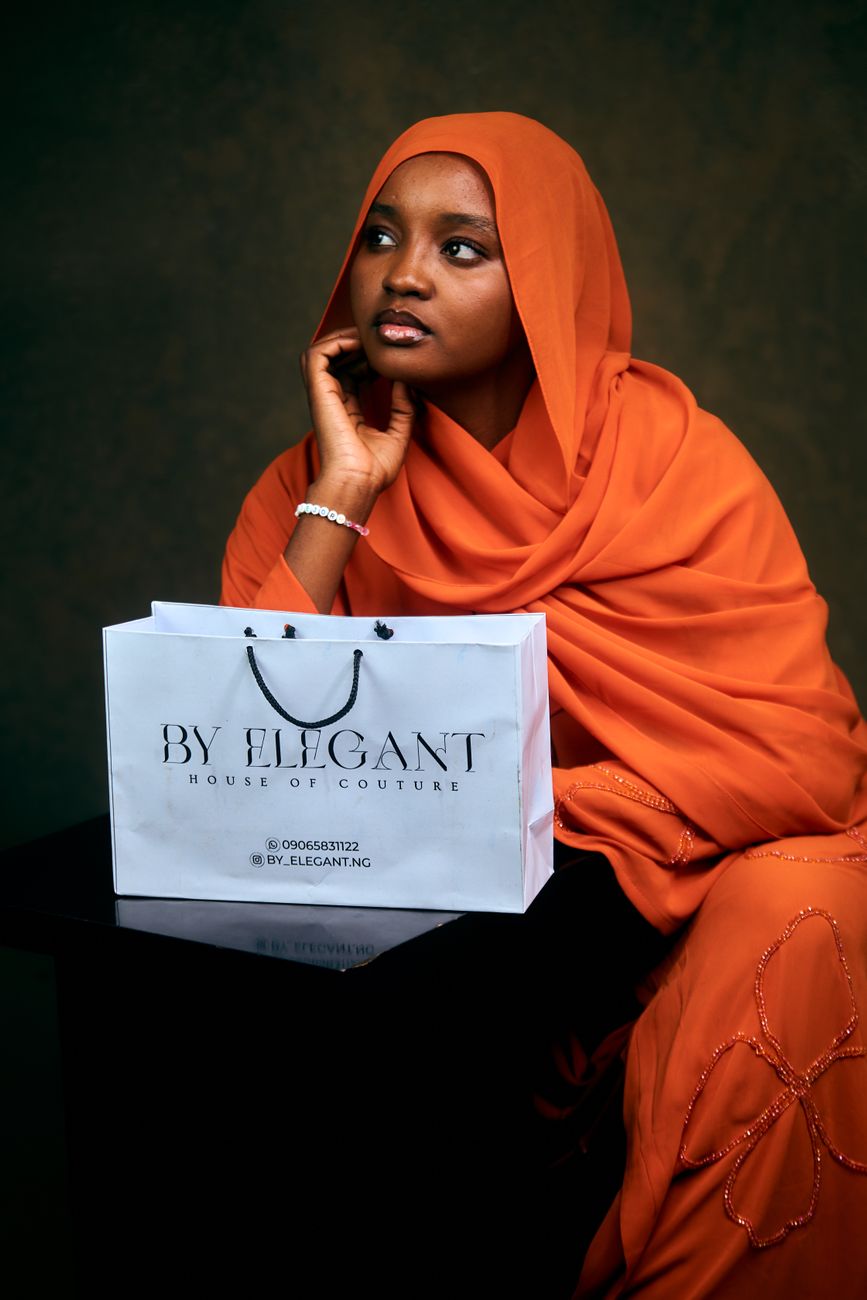
African diaspora goods have moved from community markets to global luxury shelves — and the founders driving this shift are rewriting the rules of fashion, heritage, and commerce. This deep-dive explores the brands, strategies, and cultural politics behind one of the most significant movements in global lifestyle today.
African Diaspora Goods Are No Longer a Niche — They're a Global Force
The market for African diaspora goods has shifted from community markets and pop-up stalls to the front pages of Vogue, the shelves of luxury retailers, and the feeds of millions worldwide. This is not a trend. It is a structural change in how global culture is produced, packaged, and consumed — and African and diaspora-led creators are driving it. From Ghanaian kente-print streetwear to Nigerian Adire-dyed denim, the entrepreneurs behind these labels are not simply selling clothes or homeware. They are building cultural arguments, stitch by stitch and product by product.
What makes this moment different from earlier waves of "African-inspired" fashion is who holds the pen. For decades, Western luxury houses borrowed freely from African textile traditions — often without credit, community benefit, or accuracy. Today, diaspora founders are reclaiming that narrative. They control the supply chain, the brand story, and increasingly, the price point. The result is a category of goods that carries both cultural weight and serious commercial muscle.
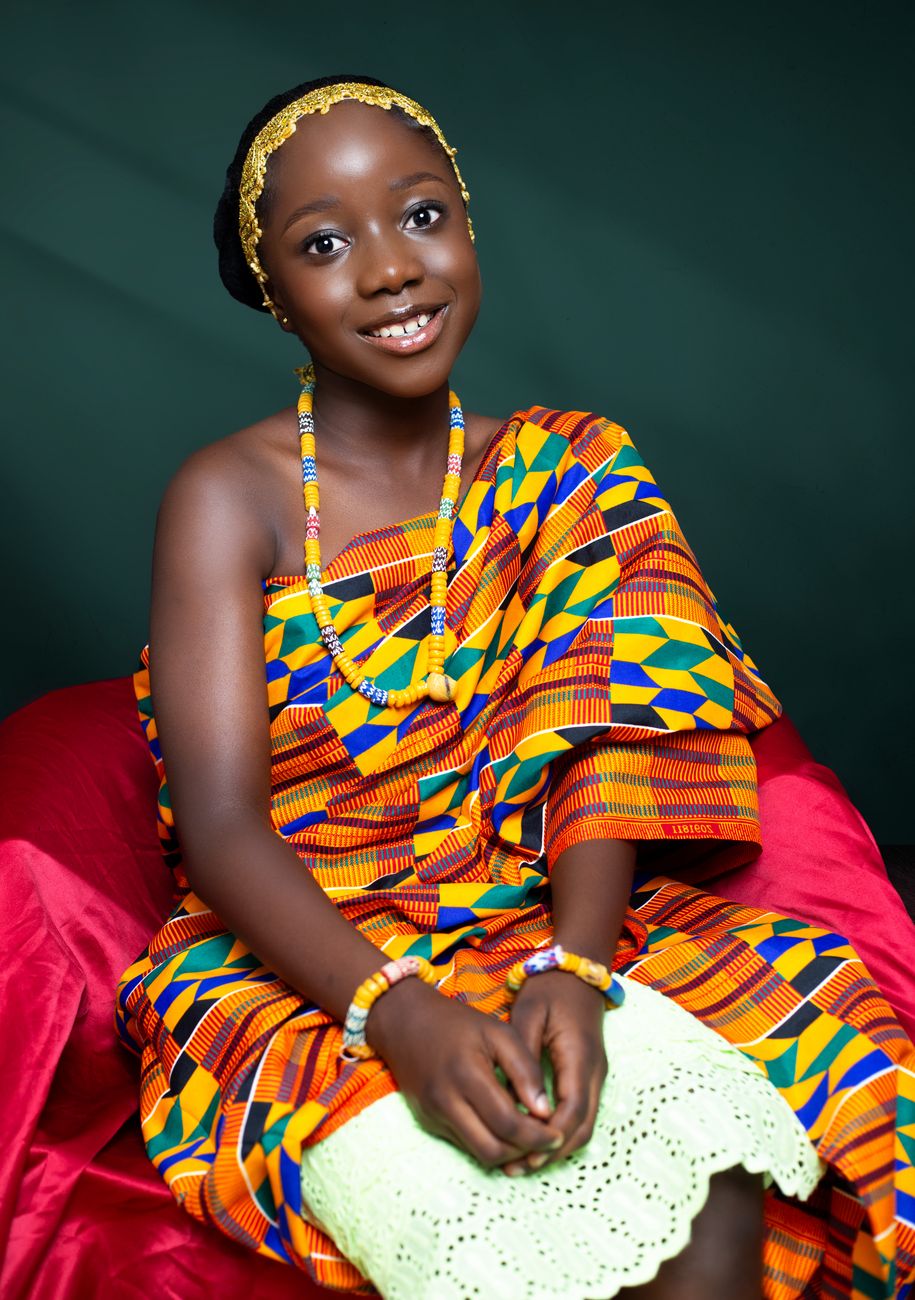
The Entrepreneurs Turning Heritage Into High-Demand Products
Tremaine Emory's Denim Tears is perhaps the most cited example of diaspora-led design reaching the highest levels of global fashion. Emory, a Black American designer with deep roots in the African diaspora, built a label that uses the cotton wreath motif — a direct reference to enslaved African labor in the American South — as its central visual language. Collaborations with Levi's and Converse brought those symbols into mainstream retail at scale. The point was never just aesthetic. Each piece is a history lesson you can wear.
Emory's approach illustrates the core strategy that separates the strongest African diaspora goods brands from generic "ethnic fashion": specificity of reference. Vague "African print" products rarely build lasting brand equity. Labels that name a specific textile tradition, a particular community, or a documented historical moment — and tell that story clearly — command higher prices and deeper customer loyalty.
On the continent and in diaspora hubs like London, New York, and Toronto, a new generation of founders is following a similar playbook:
- Orange Culture (Nigeria) — Adebayo Oke-Lawal's Lagos-based label blends Yoruba tailoring traditions with gender-fluid silhouettes, stocked in global retailers and worn by international celebrities.
- Maxhosa Africa (South Africa) — Laduma Ngxokolo's knitwear brand draws directly from Xhosa beadwork patterns. The brand now sells globally and has been featured at New York Fashion Week.
- Studio 189 (Ghana/USA) — Co-founded by actress Rosario Dawson and Abrima Erwiah, this Accra-based label uses artisan-made Adinkra and batik textiles, employing local craftspeople and selling internationally.
- Tongoro Studio (Senegal) — Founded by Sarah Diouf, Tongoro is a fully digital-first brand built on African-made luxury ready-to-wear. Beyoncé wore a Tongoro piece, generating a global sell-out moment.
- Aaks (Ghana/UK) — Akosua Afriyie-Kumi produces handwoven raffia bags in northern Ghana, sold through Net-a-Porter and Selfridges. Each bag takes up to three days to weave.
These are not hobbyist projects. They are scalable businesses with real revenue, real supply chains, and real cultural stakes. Discover more African creators building brands with this level of intentionality on Topping Africa.
What Makes a Diaspora Brand Commercially Viable — and What Kills Them Early
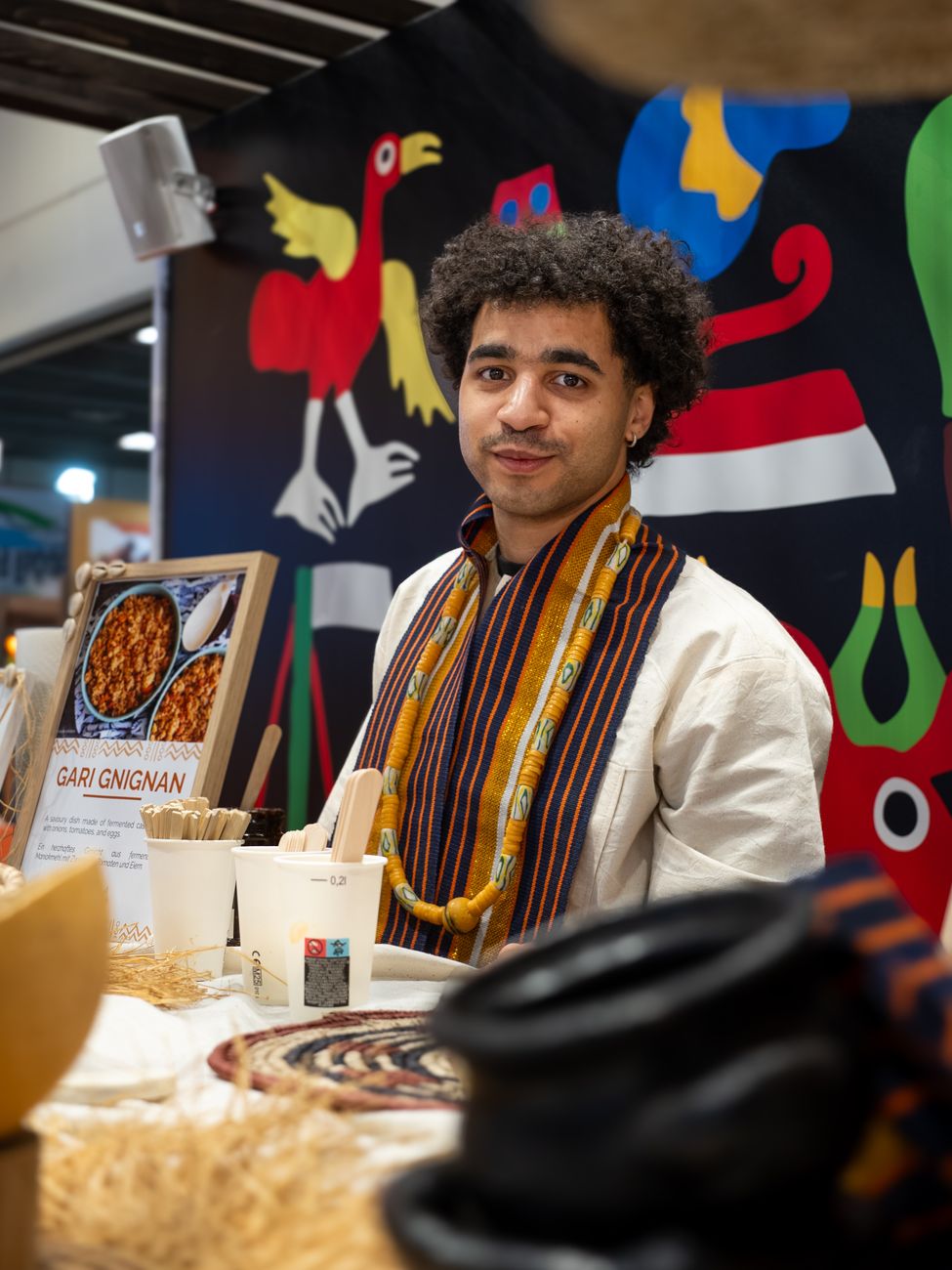
Building a diaspora goods brand is genuinely hard. The founders who succeed tend to solve three specific problems that sink most early-stage labels: supply chain fragility, pricing strategy, and cultural credibility. Get any one of these wrong and the brand stalls — even if the product is beautiful.
Supply chain fragility is the most common killer. Many diaspora founders source artisan-made goods from communities in West, East, or Southern Africa. That is a strength — it creates authenticity and often a compelling story. But it also means variable production timelines, inconsistent quality control, and real logistics costs. Brands like Aaks and Studio 189 have solved this by investing in on-the-ground production management, not just remote ordering. They employ quality control staff in-country and build relationships with weaving cooperatives over years, not months.
Pricing is the second trap. Founders who undercharge to compete with fast fashion equivalents destroy their margin and, paradoxically, their brand perception. A hand-woven raffia bag that takes three days to produce cannot be priced like a machine-made tote. The brands that thrive set prices that reflect true production cost, artisan wages, and the cultural value embedded in the object — and then market to customers who understand and accept that value. This often means targeting a smaller, wealthier audience first, then expanding.
Cultural credibility is the third pillar. Consumers — especially within diaspora communities — are quick to identify brands that appropriate without attribution or that claim a heritage connection they cannot substantiate. The most durable brands are transparent about their sourcing, their artisan partners, and the specific cultural traditions they draw from. According to a McKinsey State of Fashion report, authenticity and sustainability are now top-three purchase drivers for fashion consumers globally — a shift that directly benefits diaspora brands with genuine community roots.
How Digital Platforms Are Accelerating African Diaspora Goods Discovery
A decade ago, a Senegalese designer in Dakar had almost no path to a customer in Paris or Houston without a distributor or a trade fair. Social commerce and creator platforms have demolished that barrier. Instagram, TikTok, and increasingly dedicated African creator platforms have created direct lines between diaspora brand founders and global consumers.
The numbers back this up. Africa's creator economy is projected to exceed $5 billion by 2030, with fashion and lifestyle content among the highest-performing categories. Platforms built specifically for African creator discovery — like Topping Africa — are filling the gap between generic social media and the kind of curated, culturally fluent discovery that diaspora consumers actually want.
Three digital strategies are working particularly well for diaspora goods brands right now:
- Creator partnerships with diaspora influencers — Not just celebrity placements, but authentic collaborations with mid-tier creators (50K–500K followers) who have deep trust within specific diaspora communities. A Nigerian-British fashion creator wearing a Lagos-made label carries more conversion weight than a generic lifestyle post.
- Story-first content — Short-form video that shows the making process — the weaver's hands, the dye vat, the market where the fabric was sourced — consistently outperforms product-only content. It contextualizes the price and builds emotional connection.
- Community commerce — WhatsApp groups, diaspora community forums, and African-focused newsletters drive significant sales for smaller brands. Word-of-mouth within tight-knit diaspora communities converts at rates that paid social rarely matches.
For a deeper look at how African content creators are monetizing their platforms and driving commerce, read this analysis on Topping Africa.

The Cultural Politics of African Diaspora Goods: Who Benefits?
Success in this space raises a question that founders must answer honestly: who actually benefits when diaspora goods go global? The best brands have built explicit answers into their business models. Studio 189 pays above-market wages to Ghanaian artisans and reinvests a portion of revenue into skills training. Aaks has created a cooperative model that gives weavers in Ghana's Upper East Region a stake in the brand's growth.
The brands that get this wrong — those that source from African communities at suppressed prices to maximize margin, then market the cultural story as their own — face growing backlash. Diaspora consumers are sophisticated. They ask questions. They research. A brand that cannot name its artisan partners or explain its pricing will lose credibility fast in communities where that transparency matters.
There is also a broader policy dimension. The African Union's AUDA-NEPAD framework has identified the creative economy — including fashion and lifestyle goods — as a priority sector for continental development. Several African governments are now offering export incentives for artisan-made goods and investing in textile industry infrastructure. Diaspora founders who engage with these frameworks early gain access to grants, trade facilitation, and market-entry support that purely commercial operators miss.
What the Next Generation of African Diaspora Goods Brands Will Look Like
The category is maturing fast. First-generation diaspora goods brands competed primarily on cultural novelty — "authentic African design" was itself a differentiator. That window is closing. The next wave of founders will need to compete on product quality, brand consistency, and customer experience at the same level as any global lifestyle brand.
Several shifts are already visible. More diaspora founders are pursuing formal fashion education and business training, combining cultural knowledge with technical craft. Manufacturing partnerships between diaspora brands and established African textile factories — in Ethiopia's industrial parks, in South Africa's KwaZulu-Natal mills, in Morocco's Fez medina — are enabling scale without sacrificing quality. And a growing number of brands are moving beyond apparel into homeware, food, beauty, and wellness, creating fuller lifestyle ecosystems rooted in African heritage.
The opportunity is real and large. But it rewards founders who treat cultural heritage not as a marketing shortcut but as a genuine responsibility — one that demands accuracy, community benefit, and long-term thinking. The brands that will define this category in 2030 are being built right now, by creators who understand both the culture and the commerce.
Explore the full spectrum of African creators shaping fashion, lifestyle, and culture at Topping Africa's creator discovery platform — and get ahead of the next wave before it breaks.
The Bottom Line
African diaspora goods are not a passing moment in global fashion. They represent a fundamental reorientation of who gets to define luxury, heritage, and cultural value in the global marketplace. The founders driving this shift — from Lagos to London, from Accra to Atlanta — are building businesses that are simultaneously profitable and politically meaningful. That combination is rare. It is also exactly what makes this category worth watching, supporting, and being part of.
If you are a creator, investor, or consumer looking to engage with this space authentically, start by learning the names behind the labels. Discover the entrepreneurs, designers, and cultural architects shaping this movement on Topping Africa's trending creators page — and join a community that takes African creativity seriously.
Staff
Contributing writer at Topping Africa.
0 Comments
No comments yet. Be the first to share your thoughts!