
Africa’s AI Creator Wave: How African AI Content Creators Are Building Global Brands

A new wave of African AI content creators is transforming TikTok, Instagram, and YouTube with generative tools, bold aesthetics, and smart monetization. Discover how young influencers from Nigeria, Kenya, South Africa, and Francophone Africa use AI to build global brands on their own terms.
Africa’s AI Creator Wave Is Here
A new generation of African AI content creators is rewriting the rules of influence, brand building, and digital creativity. Across TikTok, Instagram, and YouTube, young Africans are mixing generative AI tools with local culture to reach global audiences at scale. Consequently, you now see Lagos, Nairobi, Johannesburg, and Dakar in the same AI trend conversations as Los Angeles and Seoul.

Moreover, Gen Z and young millennials are leading this surge, as global studies show that up to 70% of Gen Z regularly use generative AI in their daily work and creativity.[4] In Africa, this means creators use AI video editors, image generators, and smart caption tools to ship content faster than ever. Ultimately, this AI-powered wave is turning side hustles into serious global brands.
However, most global AI conversations still ignore African voices and platforms. Therefore, this feature spotlights the innovators, playbooks, and opportunities that make this African creator moment impossible to overlook. If you care about digital culture, tech startups, or influencer marketing, this is your roadmap to the continent’s AI creator revolution.
What Makes African AI Content Creators Different?
At first glance, AI adoption in the creator economy looks similar across regions. Creators everywhere use tools like ChatGPT, Claude, Midjourney, Adobe Firefly, and Runway to brainstorm ideas, draft scripts, or generate visuals.[3][4] However, African AI content creators bring three distinctive strengths to the table: cultural depth, resourcefulness, and global-first thinking.
Firstly, African creators blend AI with rich storytelling traditions, languages, and trends from Afrobeats to Amapiano and Nollywood aesthetics. Secondly, they often build with fewer resources, so AI becomes a force multiplier that cuts editing time, lowers production costs, and expands reach. Consequently, a single creator in Nairobi can ship content that looks like it came from a full studio in New York or Paris.
Thirdly, many African creators think globally from day one. Moreover, they design content for both local and diaspora audiences, using AI for subtitles, translations, and multi-format repurposing. As a result, brands that partner early with this wave tap into a multi-continent audience that trusts creators more than traditional ads.[1]
How Generative Tech Powers the New African Creator Workflow
To understand this wave, you need to see how AI sits inside a modern African creator’s workflow. Today, generative AI supports everything from ideation and scripting to editing, thumbnails, and audience analytics.[1][3] Importantly, the best creators treat AI as a creative co-pilot, not a full replacement.
Moreover, brands and creators worldwide already use generative AI for drafts, video scripts, translations, and performance insights.[1][3] In Africa, this same toolkit solves very specific challenges like limited access to production studios, unreliable power, and high data costs. Therefore, AI tools that automate tedious tasks free creators to focus on storytelling, culture, and community.
Below are core ways African creators are using AI to scale:
- AI video editing and repurposing: Tools that cut clips, remove silence, add captions, and resize for Reels, Shorts, and TikTok.
- AI image generation: Custom backgrounds, album-style cover art, thumbnails, and fashion looks inspired by African patterns and cityscapes.
- Script and caption assistants: Drafting hooks, titles, SEO descriptions, and multilingual captions that match each creator’s tone.[3]
- Virtual editing assistants: Smart tools that recommend cuts, filters, and sound syncs to trending audio on short-form platforms.
- Analytics and trend prediction: AI systems that track what formats and topics drive the highest watch time and brand deals.[1]
Furthermore, generative AI adoption is now a daily habit, with 115–180 million people using these tools globally every day.[4] African creators are firmly part of that number, even if they do not always get headline credit.
Why Brands Take AI-Forward African Creators Seriously
As global marketers shift budgets from traditional media to the creator economy, AI is reshaping how campaigns run.[1][2] Importantly, brands no longer just look at follower counts; they assess production quality, cultural fit, and speed. Therefore, an African creator who uses AI to deliver high-quality content on tight deadlines becomes very attractive to agencies and startups.
According to industry analysis, generative AI now supports core influencer tasks like content ideation, virtual shoots, automated localization, and even “virtual influencer” personas.[1][2] However, audiences still demand authenticity, so the most trusted creators keep their personality, voice, and values at the center.[1] For African creators, this means AI must amplify — not erase — local culture.
Consequently, smart African creators are doing three things:
- Using AI as a support tool, not a shortcut, to keep their unique storytelling intact.[1]
- Being transparent about where AI helps, especially in visual experiments or translations, to build trust.[1]
- Positioning themselves as AI-savvy partners who understand both technology and culture, giving brands a strategic edge.
Moreover, as generative AI becomes a multi-hundred-billion-dollar industry by 2030, creators who master these tools early stand to capture premium partnerships and recurring retainers.[4] If you are an African creator, this is your opportunity to move from one-off campaigns to long-term brand-building deals.
Spotlight: Nigerian AI Creators Turning Hustle Into Global Brands
Nigeria sits at the intersection of Afrobeats, Nollywood, and a booming tech startup scene. Consequently, it is no surprise that many leading African AI content creators emerge from Lagos, Abuja, and other Nigerian cities. While many still experiment quietly, a growing wave now openly builds AI-powered brands.
Firstly, you see short-form video creators using AI tools to convert one phone-shot vlog into a full content package. For example, they use AI editors to generate vertical cuts, add burnt-in captions, and translate punchlines into English, Pidgin, and French. Moreover, AI thumbnail generators help them design striking YouTube covers that look like big-budget Netflix posters.
Secondly, Nigerian fashion and beauty influencers are using AI image tools to visualize Ankara fits, hairstyle ideas, or glossy campaign layouts before they shoot. As a result, they pitch more polished ideas to local and international brands, boosting their chances of collaboration. Furthermore, music creators and DJs combine AI visuals with Afrobeats and Afrofusion drops to create immersive TikTok experiences that travel worldwide.
If you want to plug into this energy, you should track scenes covered in Entertainment and Technology on Topping Africa. Additionally, explore how rising African startups build tools tailored for creators on the continent in our Business & Economy coverage.
Kenya’s AI Storytellers and YouTube Educators
Kenya’s creator ecosystem is anchored by strong YouTube communities and a fast-growing TikTok scene. Moreover, Nairobi’s tech culture and startup ecosystem make AI adoption feel natural for creators who already live in the app economy. Therefore, Kenyan creators are some of the earliest to use AI as a full-stack assistant for both content and education.
For instance, Kenyan YouTubers in tech, finance, and education niches use AI to draft scripts, simplify complex topics, and generate chapter summaries.[3] Additionally, they use AI tools to generate B-roll ideas, on-screen prompts, and motion graphics that would previously require a designer. As a result, they can run solo channels that look like they have a small production team behind the scenes.
On TikTok, Kenyan lifestyle and comedy creators experiment with AI filters, voice cloning, and generative backgrounds to produce surreal, meme-ready clips. Furthermore, they blend Swahili, Sheng, and English captions with AI translation to reach East African and global viewers at once. Ultimately, this hybrid of local language and smart tech gives them a unique edge in the attention economy.
If you are building in this space, you can explore more stories of East African innovation in Africa News and Culture & Lifestyle. Read more about how emerging creators across the region build loyal communities with smart tools and strong storytelling.
South Africa’s Visual Innovators and Virtual Studios
South Africa has long led the continent in film, advertising, and visual effects. Consequently, young creators there are quick to adopt AI to push visual boundaries on TikTok, YouTube, and Instagram Reels. Many now treat their bedrooms as virtual studios, with AI doing the heavy technical lifting.
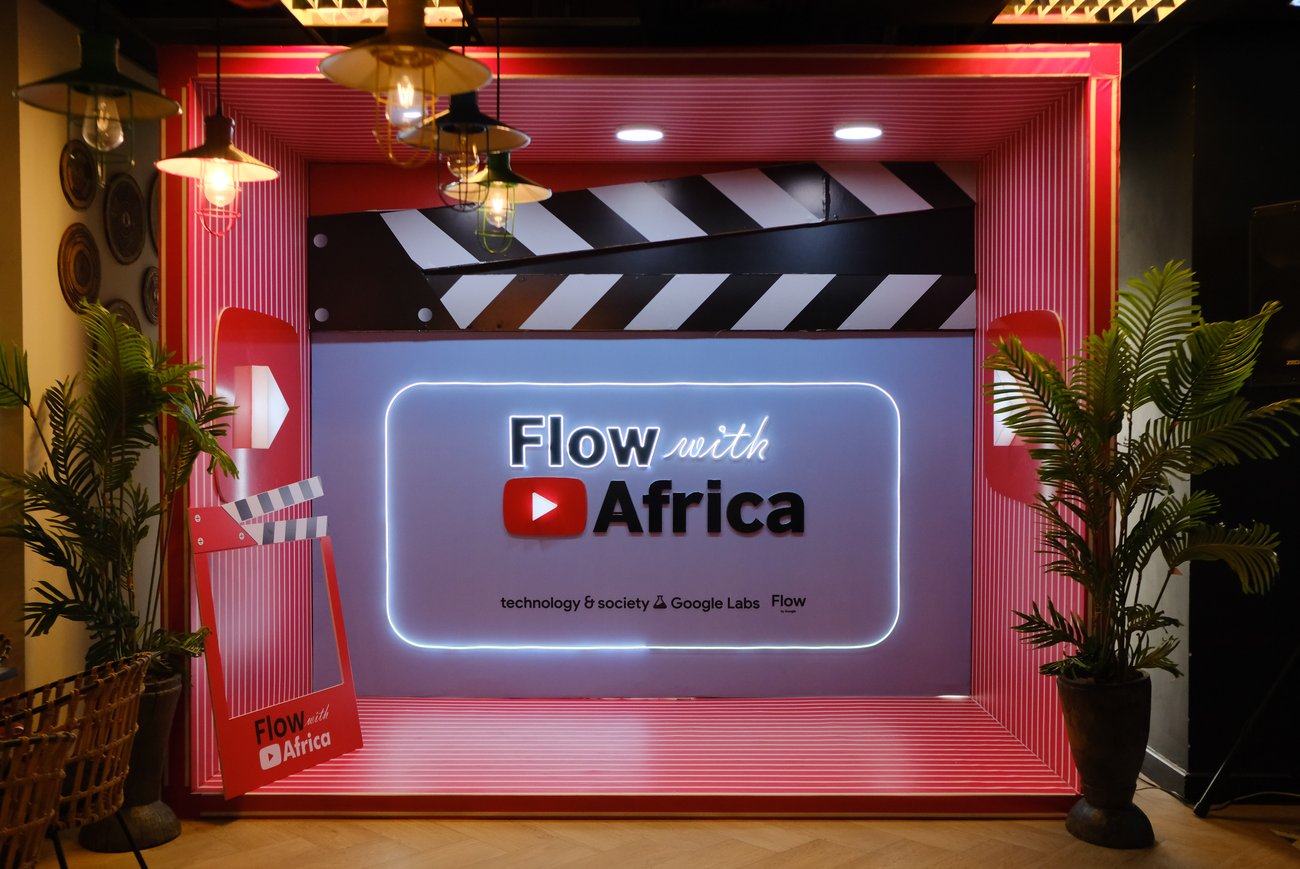
Moreover, South African creators in fashion, dance, and photography use AI image and video tools to remix local street culture. You will see AI-generated murals inspired by Johannesburg graffiti, Cape Town’s coastline, or Durban nightlife used as backdrops for Reels. Additionally, some creators fuse Amapiano choreography with AI-generated lighting effects and transitions that feel like full-stage productions.
In the commercial space, AI influencers and virtual personas are starting to enter brand conversations as well.[2][6] According to recent analysis, AI influencers are fully digital characters that brands can “program” to match specific traits and aesthetics.[2] However, South African creators are more interested in using this tech to extend their own presence — such as AR versions of themselves or animated doubles performing stunts or dances.
Importantly, industry experts warn that overreliance on AI-generated personas can raise ethical and authenticity questions.[1][5] Therefore, the smartest South African creators focus on using AI as an extension of their real identity, not a replacement. If you are in this space, explore our Sports and Culture & Lifestyle sections for stories where performance, visuals, and technology intersect.
Francophone Africa: AI, Aesthetics, and Cross-Border Reach
Francophone Africa — from Senegal and Côte d’Ivoire to Cameroon and DR Congo — brings a powerful mix of music, fashion, and digital storytelling. Moreover, many Francophone creators operate in both French and local languages, making AI translation and caption tools especially valuable. Consequently, their content easily travels between West Africa, Europe, and Canada.
On Instagram and TikTok, fashion influencers in Abidjan and Dakar use AI image tools to test outfits, moodboards, and editorial-style photo concepts. Additionally, they design covers that echo global fashion magazines but root the styling in African fabrics, hairstyles, and streetwear. As a result, brands in Paris or Montreal discover them through visuals that feel both familiar and fresh.
Furthermore, Francophone video creators use AI audio tools to clean sound, level music, and sync dialogue for YouTube and short-form platforms. They also rely on AI to automatically generate French, English, and sometimes Arabic captions, multiplying their reach without hiring translators. Ultimately, this gives them a strong position as cross-border storytellers who move between cultures with ease.
If you follow Francophone trends in music, film, and style, you can discover more in Topping Africa’s Culture & Lifestyle and Entertainment sections. Share your thoughts on which cities you think will define the next wave of AI-powered aesthetics from the region.
5 Ways African Creators Use AI to Scale Income Streams
Beyond aesthetics, AI is quietly transforming how African creators make money. Moreover, it helps them diversify beyond platform ad revenue and one-off brand deals. Therefore, if you are serious about turning your influence into a global brand, you should think about smart monetization.
Here are five proven ways African AI content creators are turning AI skills into income:
- High-volume brand content production
AI advantage: AI scripting, editing, and repurposing tools let creators deliver more content formats per campaign.[1][3] Consequently, brands pay higher retainers because they get Reels, TikToks, Shorts, and YouTube edits from a single shoot. - Paid digital products and templates
Many creators now sell AI prompt packs, preset bundles, thumbnail templates, and Notion dashboards designed for African niches. Moreover, once they build these once, they can keep selling without extra hours, scaling income beyond brand deals. - Online courses and workshops
AI advantage: AI slides, script helpers, and content organization tools make it easier to launch structured courses. As a result, African creators teach others how to edit short-form videos, use AI tools, and build cross-border audiences. - Creative agencies and micro-studios
Some creators evolve into agencies that handle full campaigns for startups, fashion labels, and musicians. Additionally, AI cuts down logistics and post-production costs, so they can keep teams lean but still deliver premium work.[1] - Licensing and collaborations
AI-generated visuals, loops, and effects can be licensed to brands, artists, or fellow creators. Ultimately, this opens new royalties and collaboration income streams that were difficult to access before generative tools scaled.[4]
If you want to discover more ways to monetize your digital skills, explore our Business & Economy and Technology coverage. Read more about how African startups, fintechs, and creator platforms unlock new payment options across borders.
Balancing Authenticity and Automation in the African Creator Economy
As AI becomes more powerful, one question keeps coming up: how do you stay authentic while using automation? Industry experts note that overusing AI can lead to generic, repetitive content and even legal risks around originality.[1] Therefore, creators worldwide are learning to keep their human voice at the center.
For African creators, authenticity is not just a buzzword — it is the heart of their influence. Moreover, audiences follow you for your accent, humor, slang, and unique cultural references, not for perfectly polished filters. Consequently, the most successful African AI content creators use AI to handle the boring parts while they double down on personal storytelling.
According to influencer marketing research, brands that lean too heavily on AI without transparency risk reputational damage.[1] Furthermore, virtual-only influencers can raise questions about representation and cultural exploitation if not handled carefully.[5] Ultimately, African creators have a chance to lead with a more ethical model: AI-empowered, but human-led.
If you want deeper analysis on ethics and innovation, you can explore global perspectives via sources like Digiday, HypeAuditor, and Master of Code. These insights pair well with local creator stories you will find on Topping Africa.
Playbook: How You Can Join Africa’s AI Creator Wave
If you are reading this, you likely want to do more than watch others win. Fortunately, it has never been easier to start experimenting with AI in your content workflow. Therefore, here is a practical playbook to help you move from curious observer to confident AI creator.
1. Start With One Content Format and One AI Tool
Firstly, pick your main format: TikTok, Instagram Reels, YouTube Shorts, long-form YouTube, or carousels. Secondly, choose one AI tool that solves your biggest pain point — maybe editing, captions, or thumbnails. Moreover, using a single tool consistently will teach you how AI thinks, which makes your prompts and results better over time.[3]
Additionally, remember that you do not need a powerful laptop to get started. Many AI-powered editing and caption tools run in the cloud or inside mobile apps. Consequently, your smartphone, a stable internet connection, and a clear content niche can take you surprisingly far.
2. Build a Signature Style Around Your Culture
As AI becomes more accessible, style becomes your true differentiator. Therefore, use AI to amplify what makes your background unique — your language mix, city, music taste, and humor. For instance, you might combine Ghanaian highlife samples or South African Amapiano beats with AI-generated motion graphics.
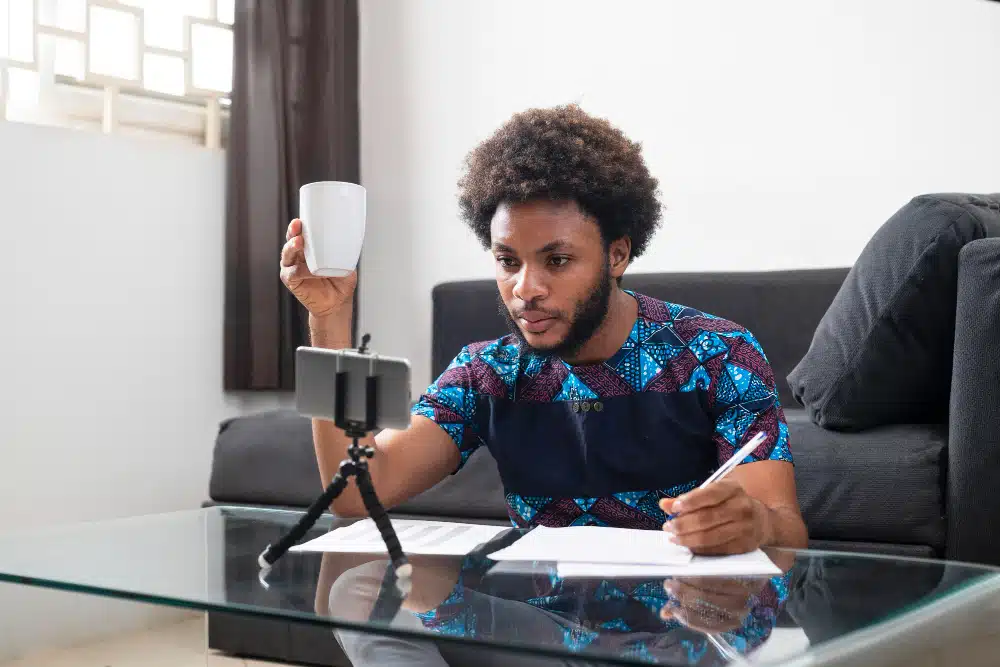
Moreover, you can train AI tools on your color palettes, fonts, and editing preferences so outputs stay on-brand.[4] Consequently, viewers start to recognize your work at a glance, which makes you more attractive to brands. Ultimately, culture plus consistency beats raw AI power every time.
3. Use AI to Repurpose, Not Just Create From Scratch
It is tempting to use AI to generate entire scripts, images, or videos in one click.[3] However, you will often get generic results that do not sound like you. Therefore, treat AI as a repurposing engine: feed it your own clips, posts, and transcripts, then let it create variations.
For example, you can turn a 10-minute YouTube video into multiple Shorts, Reels, and TikToks with AI editors. Additionally, you can transform a podcast episode into quotes, carousels, and newsletter drafts. As a result, every piece of content works harder for you without burning you out.
4. Track What Works and Let AI Help With Analytics
To grow a brand, you must know what performs well. Fortunately, many AI tools now analyze engagement, watch time, and audience behavior for creators.[3][4] Consequently, you can spot which hooks, formats, and topics drive the strongest results.
Moreover, this data helps you pitch smarter to brands. When you can show that certain video structures or themes consistently outperform others, you move from “influencer” to strategic partner. Ultimately, that is where higher budgets and longer contracts live.
5. Collaborate With Other African Creators and Startups
Finally, Africa’s AI creator wave is a team sport. Therefore, look for collaborations with other creators, local AI startups, and even universities building new tools. You might beta-test a Kenyan editing app, co-create a course with a Nigerian YouTuber, or join a South African community around AI art.
Additionally, local partnerships help you secure brand deals that want regional reach instead of just country-by-country campaigns. Explore more about cross-border collaboration trends in our Opinion & Editorial section, where we unpack the business side of culture and technology.
Explore More on Topping Africa
If this deep dive into African AI content creators sparked ideas, you are only getting started. Furthermore, Topping Africa covers the full spectrum of Africa’s creative, tech, and lifestyle evolution. Explore more, discover new names, and stay ahead of the trends shaping the continent.
- Technology – Insights on African tech startups, AI tools, and digital innovation driving the creator economy.
- Entertainment – Stories on influencers, celebrities, music, and the culture shifts powered by digital platforms.
- Culture & Lifestyle – Features on fashion, travel, and everyday creativity across African cities and the diaspora.
Subscribe to your favourite categories, share your thoughts with fellow readers, and leave a comment below on which creators we should spotlight next. Additionally, read more about rising content stars and AI-powered innovators as we continue to track Africa’s digital future.
The Future of Africa’s AI Creator Wave
Ultimately, Africa’s AI creator wave is not a short-lived trend; it is the next stage of digital influence on the continent. As generative AI tools become cheaper and more localized, you will see creators from smaller cities and rural areas join the conversation. Moreover, they will bring new languages, stories, and aesthetics that keep the global creator economy fresh.
Therefore, if you are an aspiring or active creator, this is the moment to lean in. Learn the tools, protect your voice, and build collaborations that span Lagos, Nairobi, Johannesburg, Abidjan, and beyond. With the right mix of culture, strategy, and AI, your next post could be the one that turns your handle into a global brand.

Staff
Contributing writer at Topping Africa.
0 Comments
No comments yet. Be the first to share your thoughts!