
African Tech Hubs 2.0: 9 Emerging Cities Powering Creators, Startups, and the Digital Economy

The African tech hub story has always been bigger than Lagos, Nairobi, and Cape Town. This guide maps nine emerging innovation cities — from Kigali to Tunis — spotlighting the co-working spaces, accelerators, and creator communities that are quietly reshaping Africa's digital economy. If you are a content creator or creative entrepreneur, this is your practical discovery guide.
The conversation about African tech hubs has been stuck in a three-city loop for too long. Lagos, Nairobi, Cape Town — they dominate every headline, every investor deck, every panel discussion. But right now, a second wave of innovation cities is quietly doing the real work: building co-working spaces, launching local accelerators, and giving content creators and creative entrepreneurs the infrastructure they actually need. This guide maps nine of those cities, hub by hub, with the specific spaces, programs, and communities that matter most for creators — not just macro investors scanning the continent for the next unicorn.

Why the Lagos–Nairobi–Cape Town Narrative Leaves Creators Behind
The "big three" hubs attract the bulk of venture capital — Africa: The Big Deal tracked over $3.3 billion in African startup funding in 2023, with Nigeria, Kenya, and South Africa absorbing more than 60% of it. That capital concentration shapes the narrative. Journalists follow the money, and so the creator economy in Kigali, Accra, or Lusaka gets one paragraph in a roundup, never its own story.
Creators have different needs from fintech founders. They need affordable studio space, reliable high-speed internet, communities of collaborators, and access to brand partnerships — not Series A term sheets. The hubs below are building exactly that. Some are formal innovation districts; others are grassroots co-working collectives. All of them are worth knowing.
Before diving in, explore the creator profiles on Topping Africa to see how many of these city-based creators are already building audiences — proof that the infrastructure is working.
1. Kigali, Rwanda — The Continent's Most Intentional Tech City
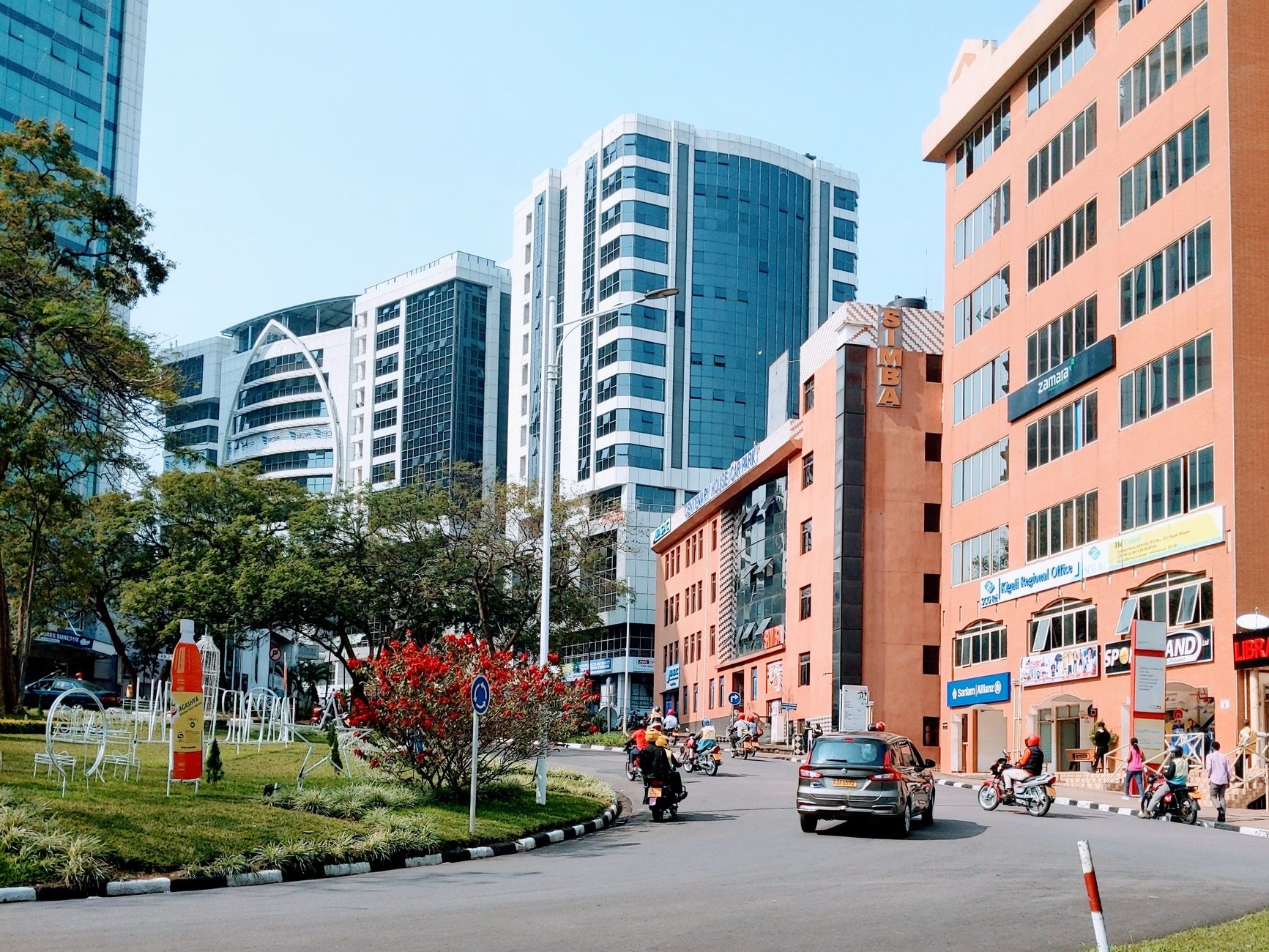
Kigali is the clearest example of what happens when a government treats digital infrastructure as a national priority. The Kigali Innovation City (KIC), a 62-hectare mixed-use campus near the University of Rwanda, is designed to house 50,000 tech workers and students. It is not finished yet, but the anchor tenants — Carnegie Mellon University Africa, the African Institute for Mathematical Sciences — are already producing graduates who stay and build.
For creators specifically, Impact Hub Kigali on KG 7 Ave is the practical entry point. Monthly hot-desk memberships run around $80–$120 USD, and the community skews heavily toward social entrepreneurs and media makers. The hub regularly hosts storytelling workshops and connects members to the Rwanda Film Festival circuit. Rwanda's stable electricity grid (94% urban electrification) and government-subsidised fibre mean upload speeds rarely disappoint — a genuine competitive advantage for video creators.
One real trade-off: Kigali's market is small. Creators who build here often need to target the East African Community as their primary audience from day one, not just the domestic Rwandan market of 14 million people. Those who plan for that from the start thrive; those who don't often hit a growth ceiling fast.
2. Accra, Ghana — West Africa's Creative Capital in the Making
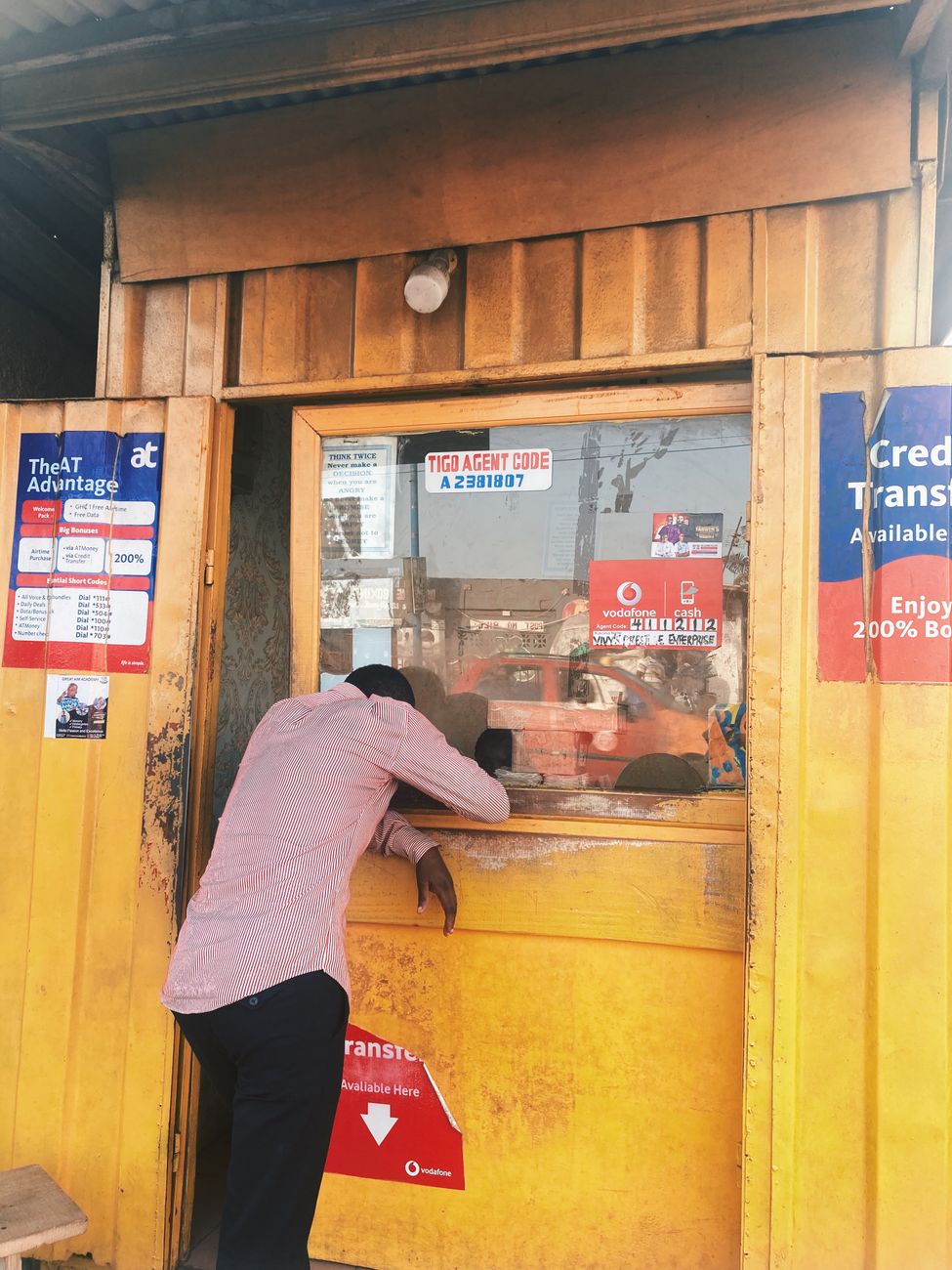
Accra punches above its weight in creative output. Afrobeats, Ghanaian fashion, and a booming film industry (GollywoodGollywood) have made the city a cultural export machine. The infrastructure catching up to that output is centred around MEST Africa (Meltwater Entrepreneurial School of Technology), which has trained over 500 entrepreneurs since 2008 and runs one of the continent's most respected seed funds for tech startups.
For creators, the more relevant space is The Nest CoWork in Osu, a neighbourhood that has become Accra's de facto creative district. Desk rates start at roughly GHS 800/month (around $55 USD at current rates), and the community includes photographers, podcast producers, digital marketers, and brand strategists. The proximity to Osu's café culture and the Labadi Beach area gives it an energy that purely corporate hubs lack.
Ghana's Year of Return campaign in 2019 permanently shifted diaspora engagement with Accra. That wave of returnees brought capital, skills, and global networks — and many of them are now building creator-focused businesses. Diaspora-driven culture brands are reshaping how Accra is perceived globally, and local creators are the engine behind that shift.
3. Lusaka, Zambia — The Quiet Disruptor
Zambia rarely appears on tech hub lists. That is precisely why it belongs on this one. BongoHive, Lusaka's flagship innovation hub founded in 2011, has quietly built one of southern Africa's most consistent creator and entrepreneur support ecosystems. It runs structured bootcamps, a dedicated podcast studio (available to members at no extra charge), and a media lab with green-screen facilities — rare at this price point anywhere on the continent.
The hub's Hive Creatives programme specifically targets content producers, graphic designers, and digital storytellers. Participants get six weeks of structured mentorship, access to BongoHive's equipment, and introductions to regional brand partners. The programme accepts roughly 20 creators per cohort, so competition is real — but so is the output quality.
Zambia's mobile internet penetration crossed 50% in 2023, and the government's Smart Zambia initiative is actively expanding fibre backbones into peri-urban areas. Creators building here now are positioning themselves ahead of a demand curve that has not yet peaked. The common mistake is underestimating how fast Lusaka's middle class is growing — and therefore how fast the domestic advertising market is growing with it.
4. Abidjan, Côte d'Ivoire — Francophone Africa's Fastest-Rising Hub
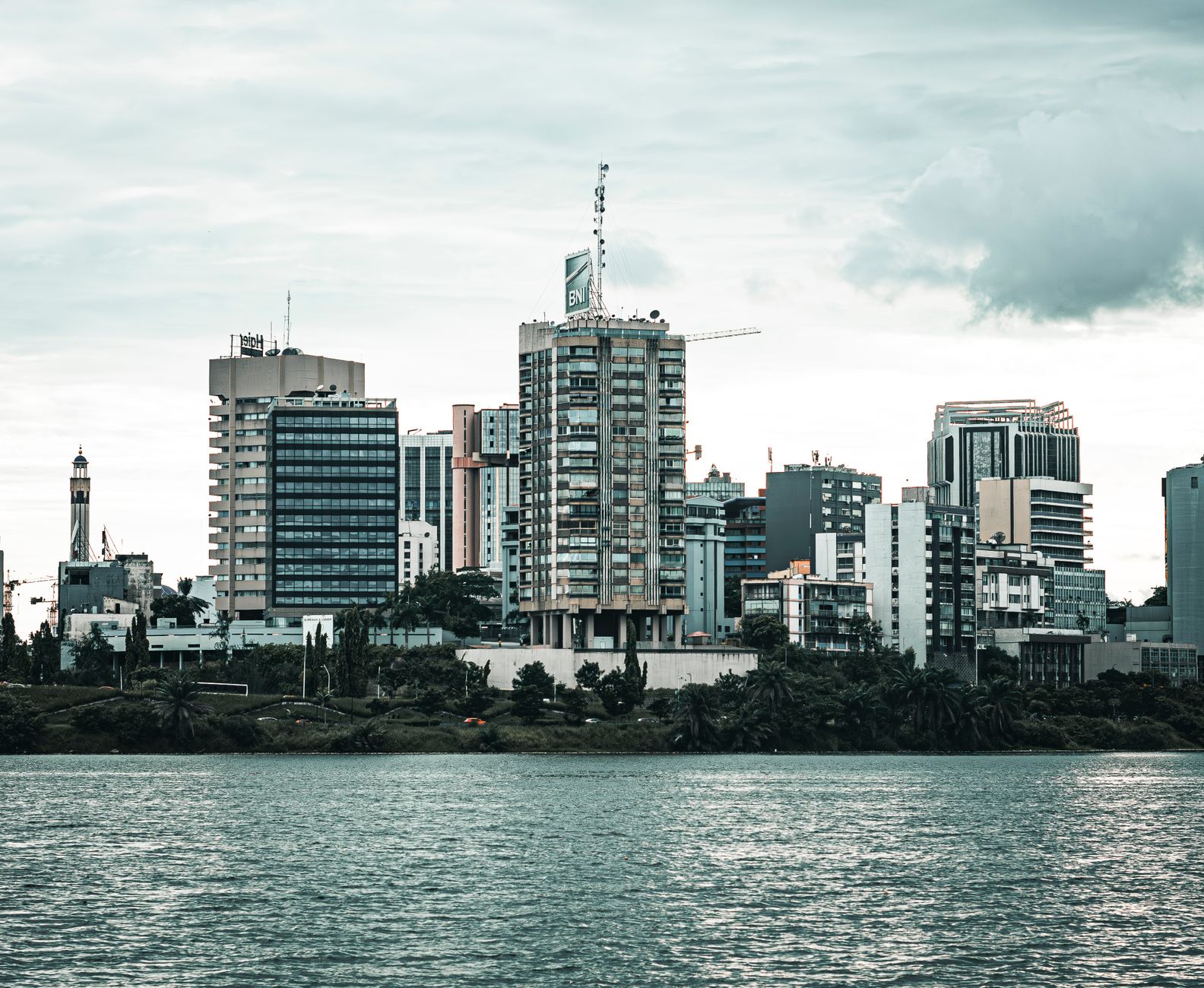
Abidjan is the economic capital of Francophone West Africa and home to over 6 million people. Its tech scene has historically been overshadowed by Dakar, but that is changing fast. The Côte d'Ivoire Digital District, launched in 2022 in the Bingerville area, is a government-backed cluster designed to house 500 digital companies and 10,000 workers by 2030. Early anchor tenants include Orange Digital Center and several EdTech startups.
For creators, Akendewa — a longstanding digital rights and tech community — runs regular workshops and connects members to the broader Francophone African creator network. The city's music scene, centred on Coupé-Décalé and Afrobeats crossover artists, has made it a natural home for music video producers, social media managers, and digital PR professionals. Brand budgets in Abidjan are growing: major FMCG companies like Nestlé and Unilever run significant West African campaigns out of the city.
The language advantage is real. Creators who produce content in French tap into a 300-million-person Francophone African audience that remains massively underserved by English-language platforms and creators. Abidjan is the logical base for anyone serious about that market.
5. Kampala, Uganda — Community-Led Innovation with Global Reach
Kampala's tech scene is defined less by government programmes and more by a dense network of grassroots communities. Hive Colab, one of Africa's oldest tech hubs (founded 2010), pioneered the community-led model and continues to run free and low-cost programmes for early-stage builders. Its Digital Creators Fellowship — launched in 2022 — provides 12 selected creators with mentorship, equipment access, and a $500 production grant per cohort.
The hub sits in Kamwokya, a central Kampala neighbourhood with affordable rents and a vibrant street culture that feeds directly into creator content. Uganda's young population (median age: 16.7 years) means the domestic audience for youth-focused content is enormous and largely untapped by professional creators. TikTok penetration among Ugandan 18–24-year-olds grew by an estimated 140% between 2021 and 2023.
Kampala also benefits from a strong civil society and journalism community, which means creators working in documentary, political commentary, and social impact storytelling have a rich network of collaborators. The trade-off is monetisation: brand budgets are smaller than in Lagos or Nairobi, so Kampala-based creators often need to build regional or global audiences to reach sustainable income levels. Those who do — like several creators featured on Topping Africa's trending page — prove it is entirely possible.
6. Dakar, Senegal — Where Culture, Tech, and Diaspora Converge
Dakar has long been West Africa's intellectual capital, home to Cheikh Anta Diop University and a deep tradition of visual arts, music, and literature. The tech layer arrived more recently but is accelerating. CTIC Dakar, the country's first tech incubator, has supported over 100 startups since 2011 and recently expanded its remit to include creative industries — running dedicated tracks for app developers, digital artists, and media producers.
The Dakar Creative Hub in the Plateau district is the city's most creator-specific space. It offers podcast booths, a photography studio, and shared editing suites at rates accessible to early-career creators (from roughly $40/month for part-time access). Senegal's strong ties to the French diaspora in Europe mean Dakar-based creators often have a natural bridge to European brand partnerships — a significant monetisation advantage.
President Faye's government has signalled continued investment in the digital economy as part of Senegal's Vision 2050 plan. Whether that translates to ground-level creator support or stays at the infrastructure level remains to be seen. Smart creators are building their networks now, before the space gets crowded. Check out how African creators are using AI tools to scale content production — a strategy that works especially well in hubs like Dakar where production budgets are lean.
7. Nairobi's Satellite: Kisumu and the Lake Victoria Tech Corridor
This entry challenges the premise slightly — because the point is not to ignore Kenya, but to look beyond Nairobi within it. Kisumu, Kenya's third-largest city on Lake Victoria, is building a tech identity distinct from the capital's iHub-centred narrative. The Pwani Innovation Hub (also active in Mombasa) and the newly established Kisumu Digital Hub are anchoring a corridor of innovation that serves western Kenya's 10+ million people.
For creators, Kisumu's appeal is cost. Studio rental, accommodation, and living costs run at roughly 40–50% of Nairobi equivalents. A creator who can work remotely — which most digital creators can — gets significantly more runway per dollar here. The city's fishing and trade culture also produces genuinely distinctive content that stands out in a sea of Nairobi-centric Kenyan media.
The infrastructure gap is real but closing. Safaricom's fibre rollout reached Kisumu CBD in 2022, and 4G coverage now extends to most of the metropolitan area. The honest advice: if you are a Kenyan creator priced out of Nairobi, Kisumu is not a compromise — it is a strategic choice.
8. Harare, Zimbabwe — Resilience as a Creator Superpower
Building a creator business in Zimbabwe requires navigating currency instability, intermittent power cuts, and internet costs that remain among the highest on the continent. So why include Harare? Because the creators who succeed here develop a resilience and resourcefulness that makes them formidable anywhere. Harare Innovation Hub, backed by the UN Development Programme, offers subsidised workspace and has a specific focus on youth digital skills — including content creation, UX design, and digital marketing.
Zimbabwe's diaspora — estimated at 3–4 million people, concentrated in South Africa, the UK, and the US — creates a built-in audience for Zimbabwean creators. Content that speaks to diaspora identity, remittances, and the experience of being Zimbabwean abroad consistently outperforms generic pan-African content in engagement metrics. Creators who understand this niche own it completely.
The practical workaround for power cuts: most serious Harare creators invest in a small solar-plus-battery setup (around $300–$500 for a basic system) within their first year. It sounds like a burden; in practice, it becomes a competitive advantage when the grid goes down and you are the only creator in your neighbourhood still uploading. GSMA's Mobile Internet Connectivity Report highlights Zimbabwe as a market where mobile data costs are actively declining — a trend that will unlock creator monetisation faster than most analysts expect.
9. Tunis, Tunisia — North Africa's Underrated Creative Tech Scene
Tunisia sits at the intersection of Arab, African, and Mediterranean cultures, and its creator scene reflects that richness. Flat6Labs Tunis, part of the pan-African accelerator network, has backed over 80 startups and increasingly includes creative tech companies — gaming studios, EdTech content creators, and digital media agencies. The Smart Tunisia government programme has attracted outsourcing contracts from European firms, creating a pool of technically skilled workers who moonlight as creators.
The Cogite co-working space in central Tunis is the city's creative heartbeat. It hosts regular hackathons, creator meetups, and a podcast series featuring North African entrepreneurs. Monthly memberships start at around TND 250 (roughly $80 USD). Tunisia's French-Arabic bilingual population gives creators access to both North African and broader Francophone audiences simultaneously — a reach that is genuinely hard to replicate from any other single city.
One underappreciated advantage: Tunisia has the highest tertiary education rate in Africa at around 36%, per World Bank data. That means collaborators, editors, animators, and strategists are available at quality levels that surprise first-time visitors. The creator who builds a production team in Tunis often finds they can deliver work that competes with studios in Paris or London — at a fraction of the cost.

How to Choose the Right Hub for Your Creator Journey
The nine cities above are not interchangeable. Choosing the right base depends on three factors that most guides ignore: your content niche, your target audience language, and your monetisation model.
- Brand-deal focused creators should prioritise cities with large FMCG and telco presences: Accra, Abidjan, Dakar, Nairobi/Kisumu.
- Diaspora-content creators get the most leverage from Harare, Kampala, or Accra, where diaspora audiences are large and emotionally engaged.
- Francophone creators targeting a pan-African audience should seriously consider Abidjan, Dakar, or Tunis as their operational base.
- Creators who need production infrastructure (studios, green screens, equipment) on a tight budget should look at Lusaka's BongoHive or Kampala's Hive Colab first.
- Tech-adjacent creators — those covering AI, fintech, or startup culture — will find the richest story ecosystem in Kigali or Tunis.
The most common mistake is choosing a hub based on prestige rather than fit. A Francophone creator who moves to Lagos because it sounds impressive will spend their first six months fighting the wrong battles. Match the hub to the work, not the other way around.
Discover which African creators are already building from these cities — and what they are making — by browsing the Topping Africa creator explorer. The map of African innovation is wider, stranger, and more exciting than any three-city narrative can capture.
The Bigger Picture: What These Hubs Signal for Africa's Digital Future
Each of the nine cities above is solving the same core problem in a different way: how do you give a young, talented, digitally native person the tools and community they need to build something that lasts? The answers vary — government-backed campuses in Kigali, grassroots collectives in Kampala, diaspora-fuelled creative districts in Accra — but the direction is consistent.
Africa's creator economy is not a single market. It is nine markets, thirty languages, and hundreds of distinct cultural contexts, all developing simultaneously. The creators and entrepreneurs who understand that granularity — who build for Kisumu, not just "Kenya"; for Abidjan, not just "West Africa" — are the ones who will define what African digital culture looks like in 2030.
For a deeper look at how technology is accelerating this shift, read about how major AI initiatives are transforming Africa's creator economy. The infrastructure is being built. The question is who shows up to use it.
Staff
Contributing writer at Topping Africa.
0 Comments
No comments yet. Be the first to share your thoughts!