
African Superfoods and Longevity: How Creators Are Rebranding Traditional Diets for Modern Wellness
African superfoods like moringa, fonio, teff, hibiscus, and baobab are moving from village kitchens to global wellness menus. Discover how African creators, chefs, and startups are rebranding traditional diets as powerful longevity tools while shaping the next wave of wellness culture.
African superfoods for wellness: why the world is finally paying attention
You are living through a moment where African superfoods for wellness are stepping onto the global stage. For years, longevity experts spoke about Mediterranean and Blue Zone diets while African food wisdom stayed in the background. Now, creators, chefs, and wellness startups from Lagos to Nairobi are changing that story in real time.
Moreover, they are showing that your grandmother’s porridge, herbal infusions, and grain bowls belong in the same conversation as matcha and quinoa. Traditional African diets are naturally rich in fiber, polyphenols, and plant protein, which science links to lower inflammation and better immune function[3][6]. Furthermore, local staples like moringa, fonio, teff, hibiscus, and baobab deliver exactly the kind of nutrient density longevity researchers praise worldwide[2][4][5].
In this guide, you will discover how African nutrition influencers and wellness brands are reframing heritage foods as aspirational, science-backed lifestyle choices. Additionally, you will see how smart collaborations with global chefs and creators are turning Africa’s pantry into a premium wellness brand.
The science of longevity behind African superfoods
Before you talk trends and influencers, you need to understand why these foods matter for long-term health. Traditional African diets lean heavily on whole grains, legumes, vegetables, and fermented foods, with much higher fiber than typical Western diets[3][6]. Consequently, recent research shows that switching to a traditional African-style diet can reduce inflammation and improve immune function in as little as two weeks[3].
Furthermore, longevity research across the world highlights a few common nutrition patterns. These include high intake of plant-based foods, colorful fruits and vegetables rich in polyphenols, healthy fats, and minimal ultra-processed products[2][4][5]. Importantly, many African staples already tick these exact boxes, often at a fraction of the cost of imported superfoods.
For instance, a narrative review in the National Institutes of Health database links plant-rich, minimally processed diets to reduced chronic disease and longer life expectancy[5]. Similarly, a 2025 paper in Frontiers in Nutrition argues that African traditional diets can support sustainable and healthy eating worldwide[6]. Therefore, when African creators rebrand these foods, they are not just pushing trends. They are aligning heritage with strong scientific evidence.
Meet the new wave of African superfoods for wellness
Across the continent, a small group of ingredients keeps appearing on wellness menus, in smoothie brands, and in TikTok videos. Notably, these are not new fads. They are old staples with fresh storytelling, modern packaging, and a global audience.
Moringa: the nutrient-dense "miracle" leaf
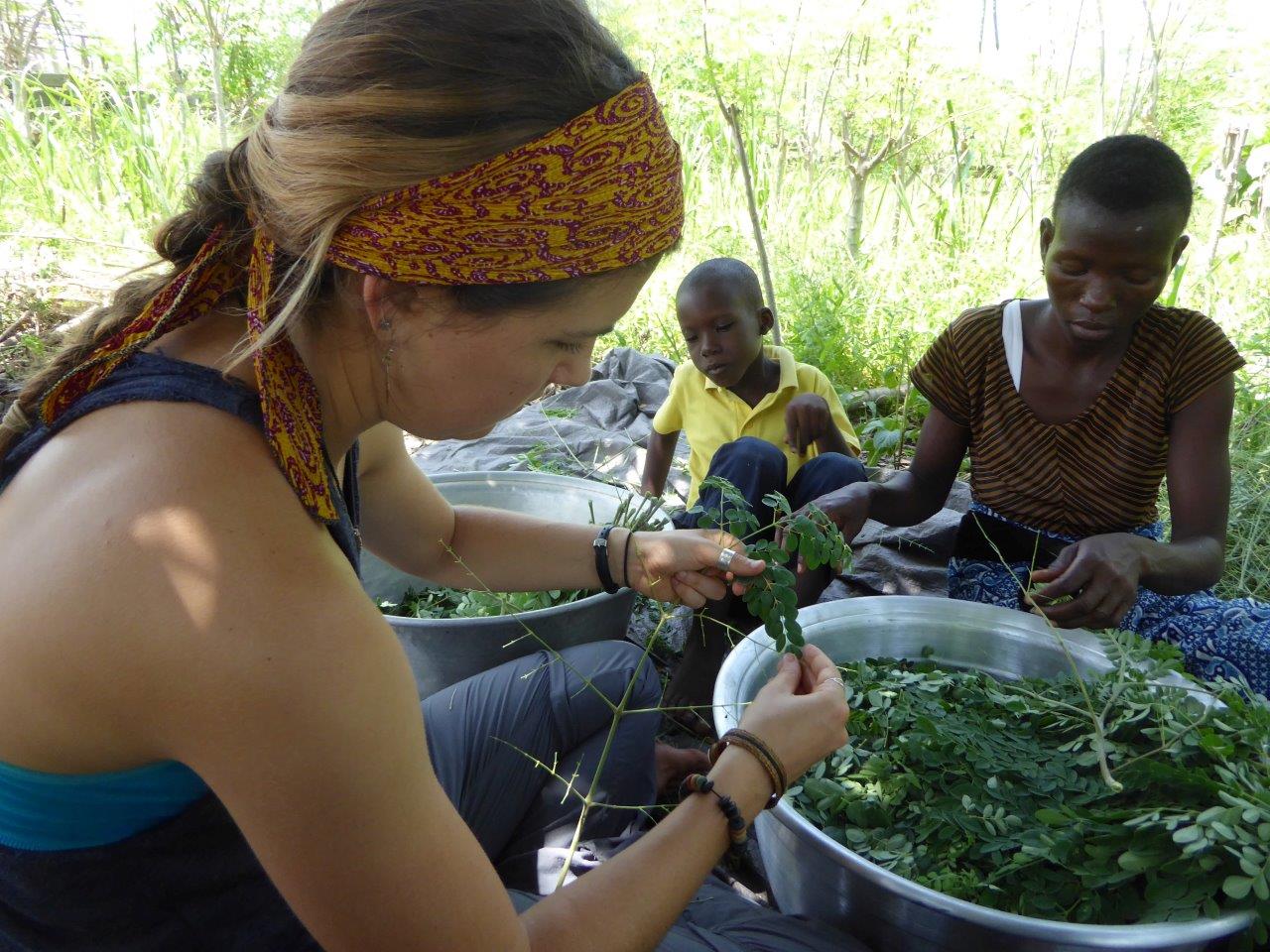
Moringa, often called the "drumstick tree" leaf, grows widely in West, East, and Southern Africa. Moreover, its leaves pack protein, vitamin C, calcium, and powerful antioxidants, making it a natural fit for immune health and longevity-focused diets[2][4]. In many rural communities, people have used moringa in soups and stews for generations.
Today, African wellness brands are drying and milling moringa into fine powders for smoothies, latte mixes, and capsules. Additionally, creators on Instagram and TikTok now show you how to stir moringa into oats, bake it into energy bars, or pair it with local fruits. Consequently, moringa content sits comfortably next to matcha, spirulina, and wheatgrass on global feeds.
Fonio: West Africa’s ancient answer to quinoa
Fonio, a tiny grain grown across the Sahel, cooks fast, tastes light, and fits perfectly into gluten-free and plant-based diets. Importantly, it provides complex carbohydrates, fiber, and minerals that support energy and metabolic health[3][6]. For centuries, farmers in countries like Senegal, Mali, and Nigeria have relied on fonio for everyday porridges and celebratory dishes.
Now, African founders are packaging fonio as a premium ancient grain for salads, bowls, and baking mixes. Moreover, collaborations with diaspora and non-African chefs are creating recipes that blend fonio with Mediterranean vegetables, Asian spices, or Californian-style buddha bowls. As a result, fonio is slowly joining quinoa and farro on global longevity menus.
Teff: Ethiopia’s tiny grain with big health benefits
Teff, the base of Ethiopia’s beloved injera flatbread, is one of the world’s smallest grains. Nevertheless, it is rich in fiber, iron, calcium, and resistant starch, which supports gut health and blood sugar control[3][5]. In Ethiopian and Eritrean homes, teff-based injera already functions as a daily, gut-friendly staple.
Furthermore, fitness and wellness influencers in Addis Ababa, Nairobi, and the diaspora are showcasing teff porridge, pancakes, and snack bites. They frame teff as a high-performance carb for runners, CrossFit fans, and anyone chasing steady energy. Additionally, teff flour is appearing in gluten-free baking blends targeted at health-conscious urban consumers from Johannesburg to London.
Hibiscus: from zobo and bissap to global wellness drink
Hibiscus, known as zobo in Nigeria and bissap in Senegal, has long been a refreshing street drink and party staple. The deep red petals are rich in polyphenols and have been linked to heart health and blood pressure support in emerging research[2][4][5]. Consequently, hibiscus fits neatly into the category of antioxidant-rich beverages favored in longevity circles.
Moreover, African beverage startups are bottling cold-pressed hibiscus drinks with low sugar, pairing them with ginger, pineapple, or mint. In addition, creators are showing simple at-home recipes that turn dried hibiscus into iced tea, mocktails, and kombucha-style ferments. Therefore, zobo is rebranding from "local soft drink" to functional beverage with global appeal.
Baobab: the vitamin C powerhouse for gut and skin
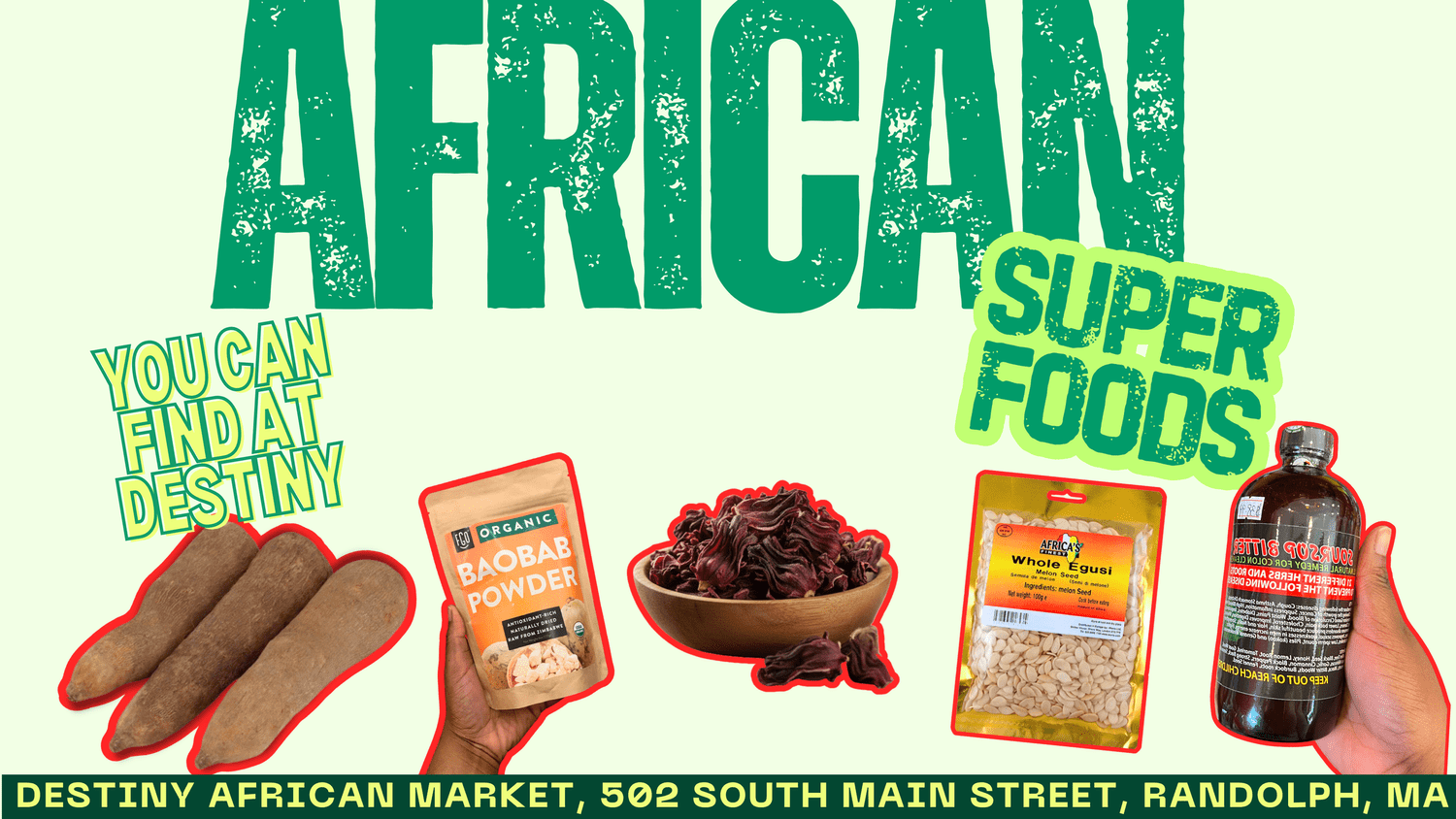
Baobab fruit pulp, harvested from the iconic African "tree of life", brings soluble fiber, vitamin C, and prebiotics that feed good gut bacteria[2][4][5]. Traditionally, many communities used baobab in porridges and drinks for children and elders, thanks to its tangy flavor and nutrient density.
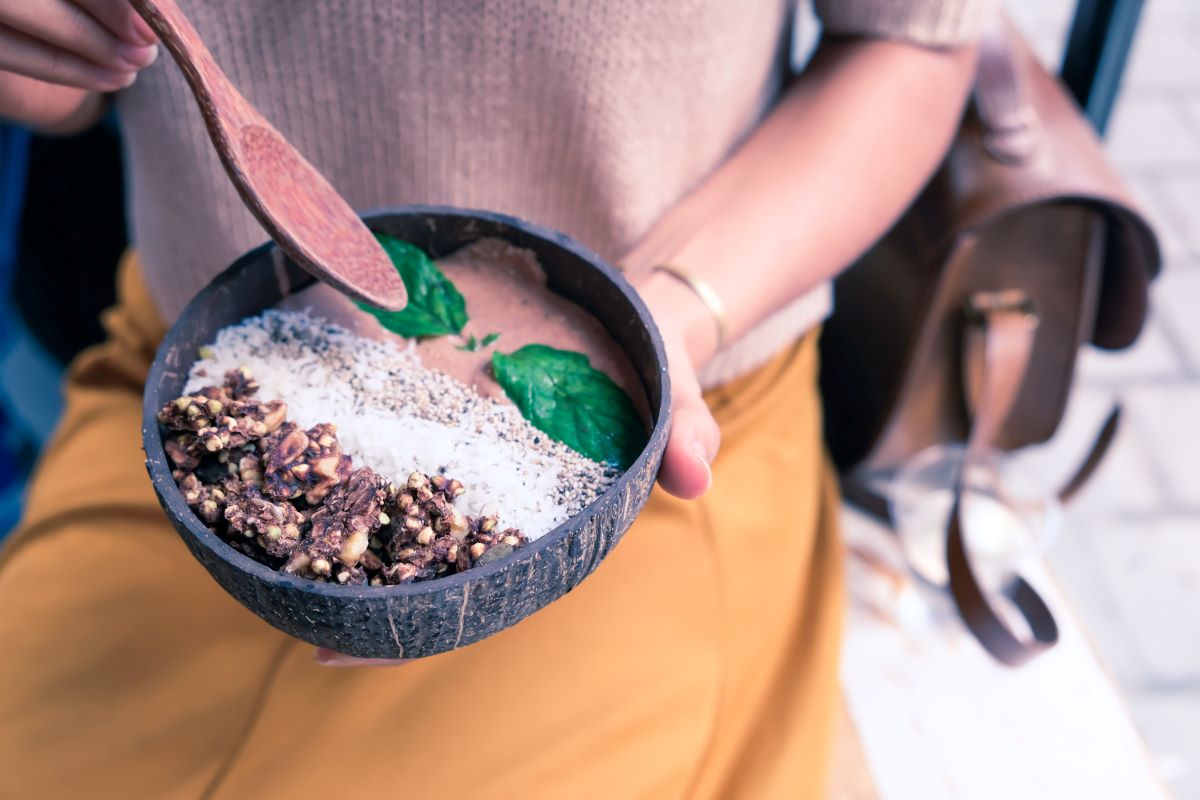
Today, baobab powder shows up in smoothie brands, collagen-boosting blends, and vegan dessert recipes. Furthermore, African skincare entrepreneurs are also using baobab oil and extracts in beauty products, positioning baobab as a dual-action superfood for gut and skin health. As a result, you now see baobab mentioned alongside acai and camu camu in global wellness media.
How African creators are rebranding traditional diets for modern wellness
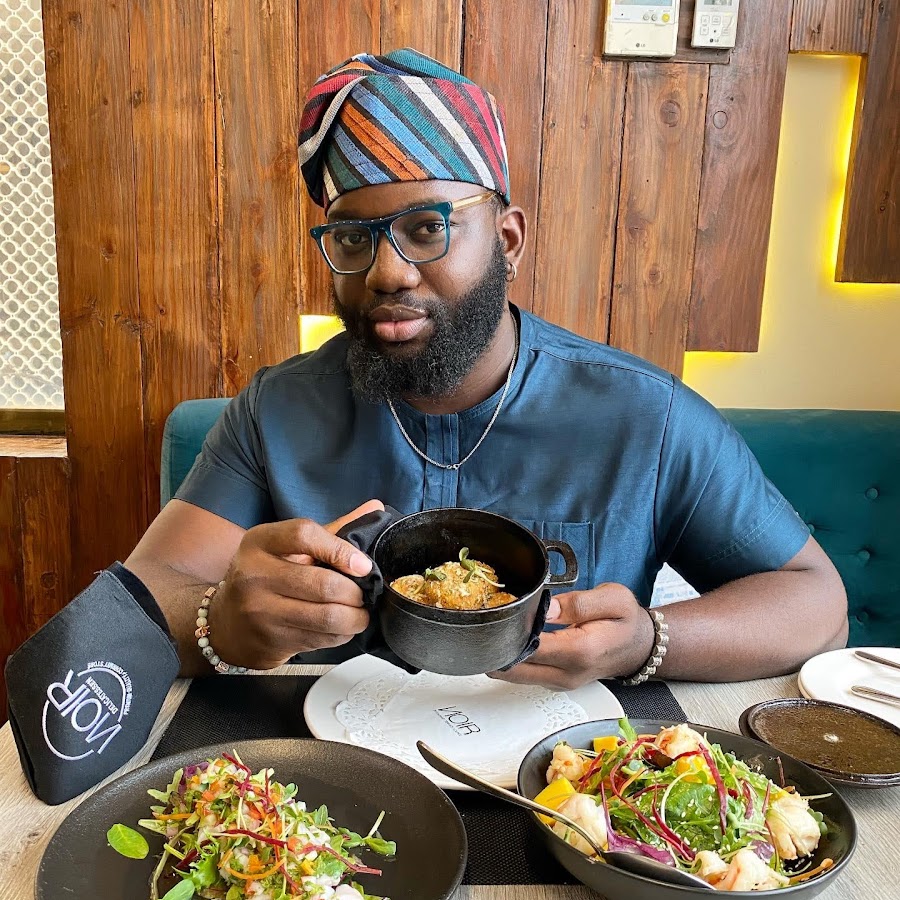
Behind every trending superfood, there is a storyteller. Across Africa, a new wave of nutritionists, chefs, food bloggers, and wellness entrepreneurs is using content, design, and technology to reframe heritage foods. Importantly, they do not just sell products. They sell a lifestyle that says: you can live long, feel strong, and still eat like your ancestors.
Moreover, their work connects neatly with broader shifts in African influencer culture and tech innovation. You see the same energy driving Afrobeat global tours, Amapiano dance trends, and sneaker collaborations now pouring into food and wellness. Consequently, African food is no longer framed as "exotic" but as aspirational, premium, and evidence-backed.
Content creators: turning local plates into global wellness goals
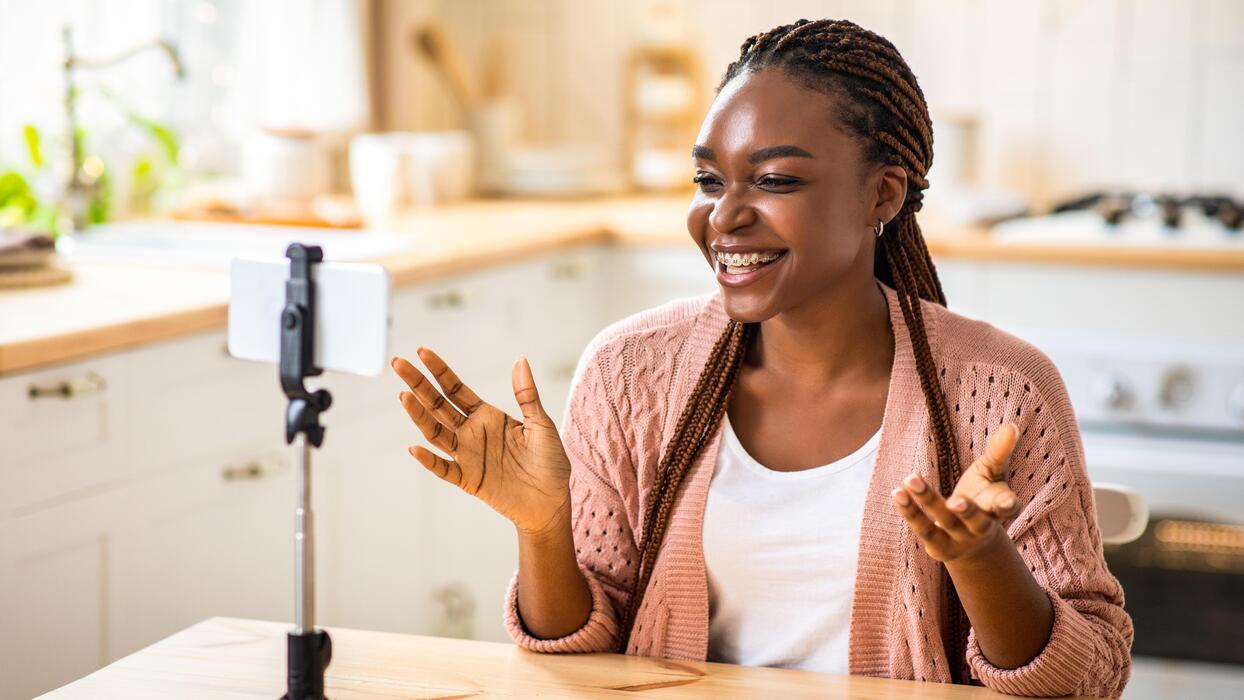
Across platforms like TikTok, Instagram, and YouTube, African food creators are flipping the narrative. Instead of chasing only imported ingredients, they highlight how a simple millet porridge, bean stew, or moringa smoothie already aligns with global longevity advice[3][6]. Furthermore, they use clean visuals, short videos, and strong hooks to catch your attention.
For instance, a creator might post: "I swapped my Western breakfast for my grandma’s sorghum porridge for 30 days. Here is what happened." Additionally, they break down benefits like better energy, improved digestion, and clearer skin in practical language. As a result, you see traditional meals not as "old-school" but as smart biohacks with deep roots.
If you follow African influencer culture closely, you will notice three clear strategies:
- Reframing – creators rename meals as "high-fiber bowls", "plant-protein plates", or "anti-inflammatory stews".
- Relatability – they show you how to cook these meals in tiny kitchens, student hostels, or busy city apartments.
- Proof – they share personal health stories, simple explanations of research, and before-and-after lifestyle shifts.
Chefs and restaurants: designing longevity menus with African flavor
Meanwhile, African chefs in Nairobi, Accra, Cape Town, and the diaspora are building menus that place superfoods at the center. Many now offer brunch plates with millet waffles, teff pancakes, moringa pesto, and baobab dressings. Moreover, they design tasting menus that pair traditional ingredients with modern plating and science-backed storytelling.
Additionally, collaborations with non-African chefs are unlocking new audiences. A West African chef might co-host a supper club in London with a vegan chef, building a menu around fonio, hibiscus, and local seasonal vegetables. As a result, guests experience African ingredients framed as sustainable, ethical, and longevity-focused.
Notably, these chef-led projects often overlap with tourism and culture. They attract food lovers who then explore African art, fashion, and music while in the city. If you love lifestyle content, these spaces create rich visuals for reels, vlogs, and travel diaries that celebrate Africa’s wellness potential.
Wellness startups: building brands at the intersection of tech and tradition
Across the continent, wellness and food startups are treating African superfoods as both heritage and high-growth business. Many of them work with smallholder farmers, use digital tools for traceability, and sell directly through e-commerce platforms. Furthermore, they leverage social media ads and influencer partnerships to reach a young, urban audience.
Importantly, these startups often speak the language of modern wellness: clean labels, sustainable sourcing, and transparent nutrition claims. They position moringa teas, hibiscus tonics, and fonio mixes as everyday upgrades you can add to your routine. Additionally, some pair products with simple meal plans or app-based coaching, blending tradition with technology.
If you follow Technology & Innovation stories, you will recognize this pattern. African founders are using the same playbook that scaled fintech and mobility startups, but now they apply it to food and health. Consequently, African superfoods become not just cultural symbols but scalable wellness technologies.
Global collaborations: African superfoods meet international influencers
To push African superfoods into global wellness culture, creators are building smart cross-border partnerships. These collaborations combine African ingredients and stories with the reach of non-African influencers, chefs, and nutrition experts. Moreover, they give African founders access to new markets without losing control of their narrative.
Chef partnerships: from local kitchens to Netflix and food festivals
First, chef collaborations often start with pop-ups, supper clubs, or guest chef nights. An African chef might design a "Longevity in Lagos" menu that pairs moringa, hibiscus, and beans with Mediterranean-style plating. Meanwhile, a European chef brings fine-dining techniques and media connections. Consequently, the event becomes a content moment, with short documentaries, recipe videos, and press coverage.
Furthermore, food festivals and streaming platforms now spotlight African cuisine more often. When African chefs appear on global competitions or food shows, they often highlight heritage ingredients as their "secret weapons". Additionally, their dishes reinforce what studies show: traditional African diets, rich in fiber and plant foods, can lower inflammation and improve immune markers[3][6].
Influencer and wellness creator collaborations
Second, wellness creators outside Africa are partnering with African brands and experts to develop co-branded products and challenges. A popular longevity-focused YouTuber might host a 7-day "African Gut Health" series, featuring recipes with teff, moringa, and baobab. Moreover, they invite African dietitians to explain why these ingredients support healthspan[2][5].
Additionally, cross-posting content on both sides helps African talent reach global audiences that already care about biohacking and healthy aging. As a result, African superfoods move from niche stores to mainstream wellness platforms. If you watch this space closely, you will notice more English-language content with simple explanations and accessible recipes.
Science-backed storytelling: making research relatable
Third, a new wave of African and diaspora researchers is helping translate science into simple content. They link everyday meals to research on longevity and chronic disease prevention. For example, they reference studies that show how traditional African diets rich in fiber, polyphenols, and fermented foods can quickly improve immune function and reduce inflammation[3][6].
Moreover, platforms like Frontiers in Nutrition and PubMed host open-access papers on diet and aging[5][6]. African creators increasingly pull these citations into their captions and blog posts. Consequently, you get content that feels aspirational, cultural, and scientifically grounded at the same time.
How you can bring African superfoods for wellness into your daily life
If you are excited about this movement, you do not need a complete life overhaul. Instead, you can add small, consistent habits that align with both tradition and modern longevity science. Importantly, think in terms of swaps and additions, not strict rules.
Simple swaps and additions for everyday meals
Here are practical ways you can lean into African superfoods without losing your favorite flavors:
- Start your morning with a moringa or baobab smoothie instead of a sugar-heavy drink.
- Swap imported grains for fonio, teff, millet, or sorghum in salads and side dishes.
- Brew hibiscus tea (zobo or bissap) with minimal sweetener as your daily antioxidant drink.
- Add beans or lentils to stews and grain bowls to boost plant protein and fiber.
- Include fermented foods like ogi, togwa, or traditional sour porridge a few times a week for gut health[3][6].
Additionally, you can experiment one meal at a time. For instance, you might dedicate Sundays to "heritage brunch", where you try one new African-inspired wellness recipe each week. Over time, these small changes can shift your overall diet toward the whole food, plant-rich pattern linked to longer healthspan[2][5].
Partnering with African creators and brands
If you are a creator, chef, or wellness professional, you can treat African superfoods as both content and collaboration opportunities. You might co-create recipes with African chefs, feature African dietitians on your podcast, or stock African wellness brands in your store. Furthermore, you can design online challenges that encourage your community to try heritage dishes for 7 or 14 days.
Importantly, approach these collaborations with respect and transparency. Always credit source communities, highlight farmer stories, and discuss fair trade where relevant. Additionally, you can explore coverage across Business & Economy and Culture & Lifestyle to understand the wider ecosystem shaping these foods.
If you want to go deeper into wellness trends, you can also read more about health stories on Health & Wellness. Ultimately, the more you explore, the easier it becomes to build genuine, mutually beneficial partnerships.
Building a long-term African-inspired longevity lifestyle
Longevity is less about one magic ingredient and more about consistent patterns. African superfoods make it easier to build those patterns while staying connected to culture. In particular, aim for:
- High fiber from grains, beans, vegetables, and fruits to support gut and immune health[3][5][6].
- Colorful plants like hibiscus, leafy greens, and diverse vegetables for polyphenols and antioxidants[2][4][5].
- Minimal ultra-processed foods, focusing instead on whole, minimally processed ingredients[2][5][6].
- Regular fermented foods from traditional porridges, beverages, and condiments for microbiome support[3][6].
- Mindful eating that honors family recipes and local seasons, rather than chasing every imported trend.
Moreover, combine these nutrition habits with movement, sleep, and stress management for a rounded wellness approach. If you share your journey online, you can inspire others while supporting African creators and brands that champion these foods. Feel free to share your thoughts and leave a comment in your favorite communities as you experiment.
Explore more on Topping Africa
If you are curious about how African innovation is reshaping wellness, creativity, and business, you can explore more across Topping Africa. Each section offers fresh stories, rising names, and deep dives into the trends shaping the continent.
- Africa News – stay updated on positive development stories and policy shifts that support food and health innovation.
- Entertainment – discover how celebrities and influencers are weaving wellness into music, film, and digital culture.
- Opinion & Editorial – read more about bold perspectives on African food futures, youth culture, and creative entrepreneurship.
Additionally, you can subscribe to your favorite sections and share standout stories with your network. Ultimately, this is how you help push African wellness narratives to the center of global conversations.
Why African superfoods for wellness are the next global play
African superfoods are not just a niche health trend. They represent a broader shift where African creators, chefs, and founders own their stories and shape global taste. Moreover, science is finally catching up with what African communities have known for generations: these foods support strong bodies and long lives[3][5][6].
As you look ahead, expect to see more moringa lattes in cafes, fonio bowls in meal prep plans, and hibiscus tonics on wellness menus worldwide. Additionally, you will see African influencers leading global conversations about longevity, biohacking, and cultural pride. If you want to stay ahead of this wave, now is the time to explore, experiment, and support the creators driving this delicious revolution.
Ultimately, when you choose African superfoods for wellness, you do more than upgrade your plate. You help power a movement that combines health, heritage, and positive African innovation. So, explore new recipes, discover rising brands, and read more about this shift across Topping Africa’s sections. Your next long-life habit might be sitting in an African market, waiting for you to notice.

Staff
Contributing writer at Topping Africa.
0 Comments
No comments yet. Be the first to share your thoughts!