
African Nations Leading Renewable Energy Adoption in 2026
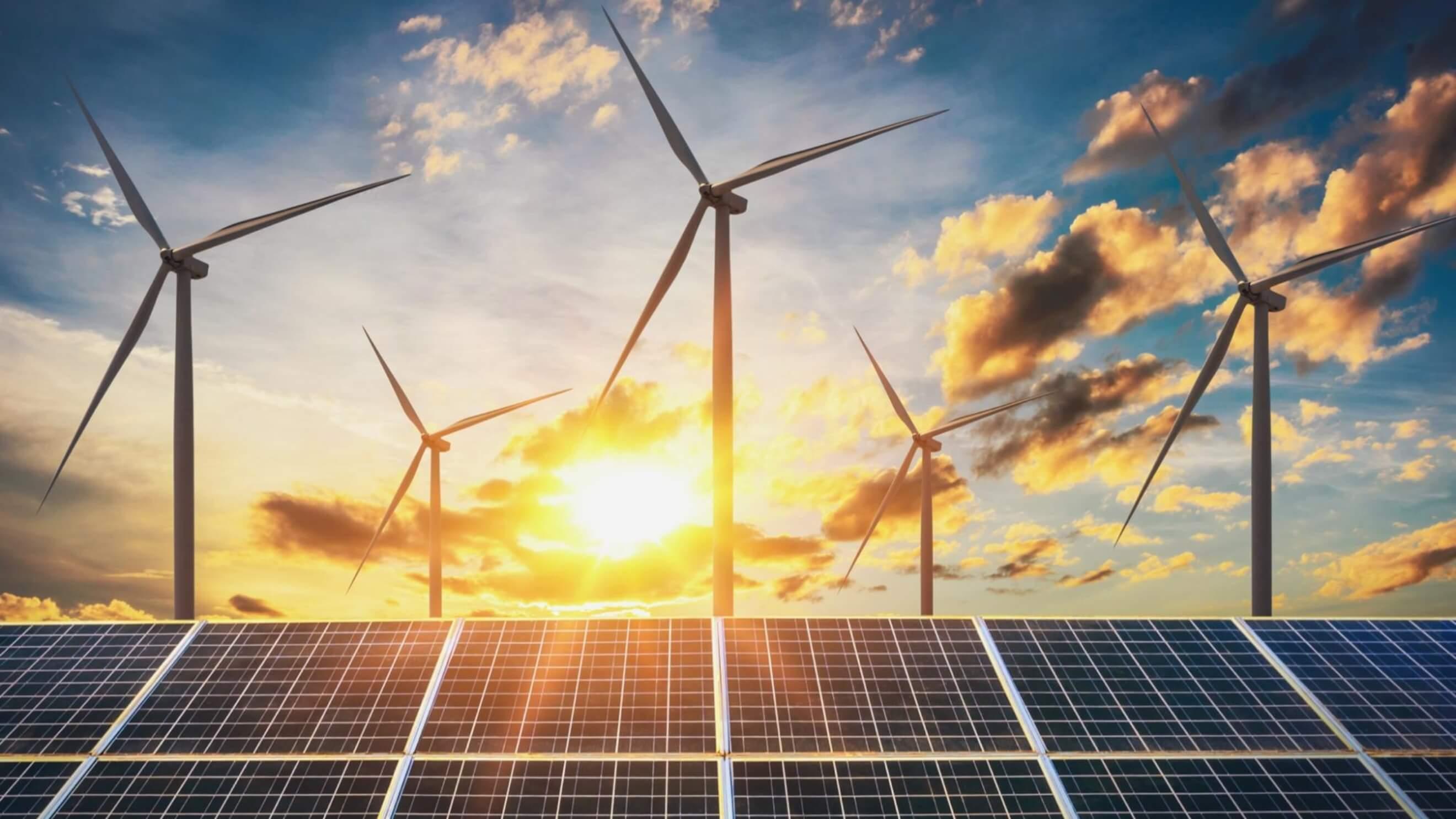
As Africa expands its clean energy footprint in 2026, key nations are harnessing renewables such as solar, wind, and hydro to strengthen energy security, spur job creation, and drive economic growth.
Africa’s renewable energy landscape is entering a pivotal expansion phase in 2026 as more countries deploy large-scale solar, wind, and hydroelectric power to improve energy security, drive economic growth,h and reduce dependence on fossil fuels.
From hydropower-dominant grids in Central Africa to solar-heavy networks in North and Southern Africa, a growing cohort of nations is positioning itself at the forefront of the continent’s energy transition, a shift underscored by new infrastructure, foreign investment, and policy commitments that aim to broaden access to clean electricity.
Energy experts say this trend reflects both necessity and opportunity: Africa receives some of the world’s highest solar irradiation, and advances in storage and grid-integration technologies are enabling rapidly scalable projects.
Powering the Future: Top Adopters
Ethiopia and DR Congo:
Hydroelectric power continues to be a crucial component of renewable energy infrastructure in multiple African national grids. Ethiopia and the Democratic Republic of Congo have implemented extensive hydroelectric systems that operate at or near full renewable generation capacity.
Both nations achieve nearly 100 percent electricity generation from renewable sources, largely due to their development of multi-gigawatt hydro projects that not only meet domestic industrial demands but also facilitate regional energy exports.
Central African Republic and Lesotho:
Smaller economies, such as the Central African Republic and Lesotho, have successfully transitioned to predominantly renewable electricity systems, primarily leveraging their consistent hydroelectric power generation.
These examples illustrate how the strategic harnessing of abundant hydrological resources can enable substantial clean energy integration, even in nations with relatively low industrial energy consumption.
Namibia and Uganda
Namibia's electricity infrastructure, predominantly reliant on hydroelectric power and increasingly supplemented by solar energy, exemplifies the potential for integrating new technologies within existing renewable frameworks.
Similarly, Uganda's elevated hydroelectric contribution, bolstered by government-led initiatives such as the GET FiT program, showcases how countries with advanced renewable energy policies can effectively enhance energy access while ensuring low carbon emissions.
Ghana, Burkina Faso, and Nigeria
In West Africa, Ghana and Burkina Faso are advancing solar photovoltaic installations beyond initial pilot phases, demonstrating scalability in their renewable energy initiatives. Meanwhile, Nigeria has secured substantial agreements totaling several hundred million dollars for the implementation of distributed renewable mini-grids, specifically targeting off-grid and peri-urban areas.
This effort strategically aligns with national objectives aimed at increasing the renewable energy contribution within the overall energy mix.
Kenya and Morocco
Kenya is aggressively advancing its renewable energy portfolio, with significant expansions in geothermal and wind energy, complementing its established dominance in geothermal technology across Africa.
Meanwhile, Morocco is maintaining its commitment to long-term solar projects and other renewable investments, reinforcing its status as a regional leader in sustainable energy development.
Voices on the Ground
Renewable energy developers say Africa’s shift is not only environmentally vital but also economically strategic. “We are seeing a continent-wide move from experimental projects toward major, bankable renewable infrastructure,” said an energy analyst at a Nairobi industry forum this January.
Independent power producers in Lusophone and Francophone Africa echoed this sentiment, noting that lower operating costs for solar and wind are increasingly attractive to investors.
Community leaders in rural Uganda and northern Ghana report that mini-grid deployment has enabled small businesses to operate after dark, driving income stability and local job creation. Broadcasters in Windhoek and Kampala highlighted improved reliability as a key local benefit.
Challenges and Next Steps
Despite momentum, experts caution that financing and grid integration remain major hurdles. Africa’s infrastructure deficit — particularly in transmission and storage — limits how rapidly renewable capacity can be tied to national grids. Access remains uneven: more than half of Africans still lack consistent electricity, and investment gaps persist.
Continental and international partnerships — including new financial commitments from European institutions — are being structured to accelerate deployment and grid performance, with renewable auctions and lender guarantees aimed at reducing risk for private investors.
Africa Sustainability Matters
Why It Matters
The expansion of clean energy in Africa is a defining economic and social transformation in 2026. By diversifying power sources and reducing reliance on imported fossil fuels, African nations are enhancing energy security, lowering carbon footprint, and creating opportunities for industrial growth, manufacturing, and climate resilience.
For a continent with one of the fastest-growing populations and rapidly urbanising economies, such a shift could unlock new pathways to sustainable development.
Staff
Contributing writer at Topping Africa.
0 Comments
No comments yet. Be the first to share your thoughts!