
African Development Fund Raises Record $11bn as African Nations Become Contributors
For the first time, African countries helped fund their own concessional financing window. The $11 billion ADF replenishment marks a shift from aid dependency to shared investment in Africa’s future.
ABIDJAN, Côte d’Ivoire — December 16, 2025 — The African Development Fund (ADF), the concessional financing arm of the African Development Bank Group, has raised a record $11 billion from 43 development partners under its 17th replenishment cycle, marking the largest funding round in the institution’s history, according to statements from the Bank and partner governments.
Updated 14:40 UTC
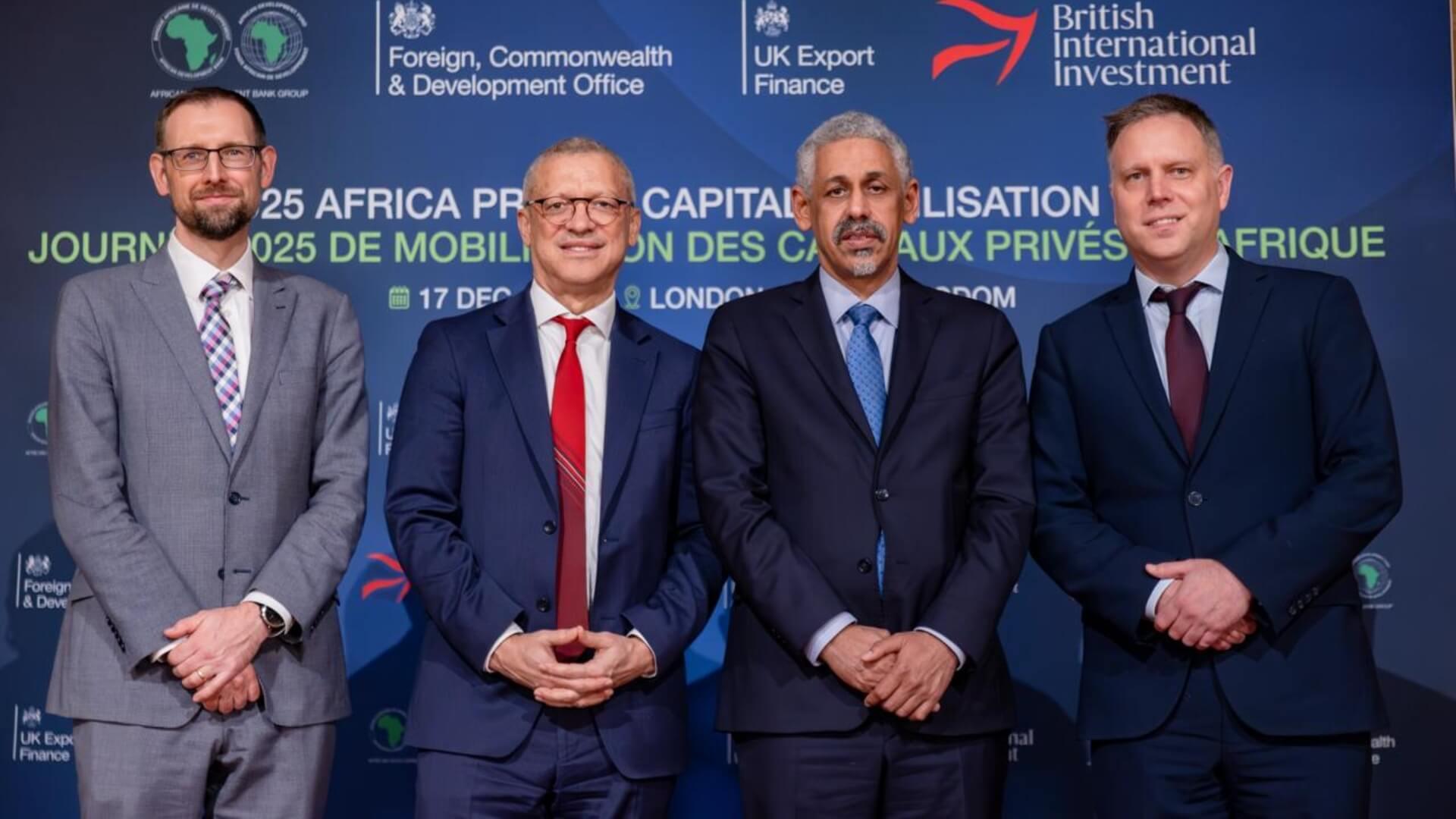
Following the historic success of the 17th replenishment of the African Development Fund which mobilised a record $11 billion, @AfDB_Group President Sidi Ould Tah and Baroness Chapman convened the Africa Private Capital Mobilisation Day in London, bringing public and private… pic.twitter.com/hgpMG9sAqe
— African Development Bank Group (@AfDB_Group) December 18, 2025
The total represents a 23 percent increase over the previous replenishment and includes a landmark shift in Africa’s development financing model: 23 African countries jointly contributed $182.7 million to the Fund, with 19 participating for the first time, the African Development Bank confirmed. The move positions African states not only as recipients of concessional finance but as direct co-investors in the continent’s development agenda.
Senior AfDB officials described the outcome as a structural turning point. According to the Bank, the replenishment will support 37 low-income and fragile countries, focusing on energy access, food security, climate-resilient infrastructure, and cross-border integration—priorities closely aligned with the rollout of the African Continental Free Trade Area (AfCFTA).
International partners echoed that assessment. Development agencies cited by Reuters said the scale of the replenishment reflects growing confidence in the Fund’s governance and impact, particularly at a time when many low-income countries face tightening global credit conditions and climate-related shocks.
African finance officials involved in the negotiations said the decision by African countries to contribute financially carries strategic weight beyond the headline figure. It signals political ownership of development priorities and strengthens Africa’s bargaining position with global partners, particularly in mobilizing blended finance and private capital.
According to AfDB data, every dollar committed to the ADF is expected to leverage more than $2.50 in additional co-financing, including private-sector investment. That multiplier effect is critical as African economies seek to close infrastructure gaps while avoiding unsustainable debt accumulation.
Reactions
Officials and Experts:
AfDB President Akinwumi Adesina said in a statement that the replenishment “redefines Africa’s role in development finance,” noting that African contributions enhance the Fund’s credibility and long-term sustainability. Development economists cited by the BBC said the outcome strengthens the ADF’s ability to cushion fragile states from global economic volatility.
Regional and International Partners:
European and Asian donor governments told Reuters that the increased African participation helped unlock broader commitments, framing the replenishment as a shared investment rather than traditional aid.
Public and Civil Society Voices:
Policy analysts and civil society groups across East and West Africa described the move as overdue, arguing that African financial participation improves accountability and ensures projects better reflect local priorities.
Context & Significance
The African Development Fund has long served as a cornerstone of concessional financing for the continent’s poorest economies, funding roads, power systems, agriculture, and social services. Previous replenishments were dominated by non-African donors. The ADF-17 cycle breaks that pattern, aligning with wider calls for reform of global development finance and greater African agency.
The timing is also critical. Many ADF-eligible countries are grappling with climate-related disasters, food price volatility, and post-pandemic fiscal stress. Analysts say the enlarged funding envelope improves the Bank’s capacity to respond quickly while supporting long-term regional integration under AfCFTA.
What’s Next
The AfDB said implementation of ADF-17 programs will begin in 2026, subject to final approvals by the Bank’s Board of Governors. Priority projects are expected to focus on renewable energy expansion, climate adaptation, trade-enabling infrastructure, and support for fragile and conflict-affected states. Donors and African contributors will jointly monitor outcomes to ensure the expanded funding delivers measurable development impact.
Staff
Contributing writer at Topping Africa.
0 Comments
No comments yet. Be the first to share your thoughts!