
African Cultural Festivals Gaining Global Attention in 2026
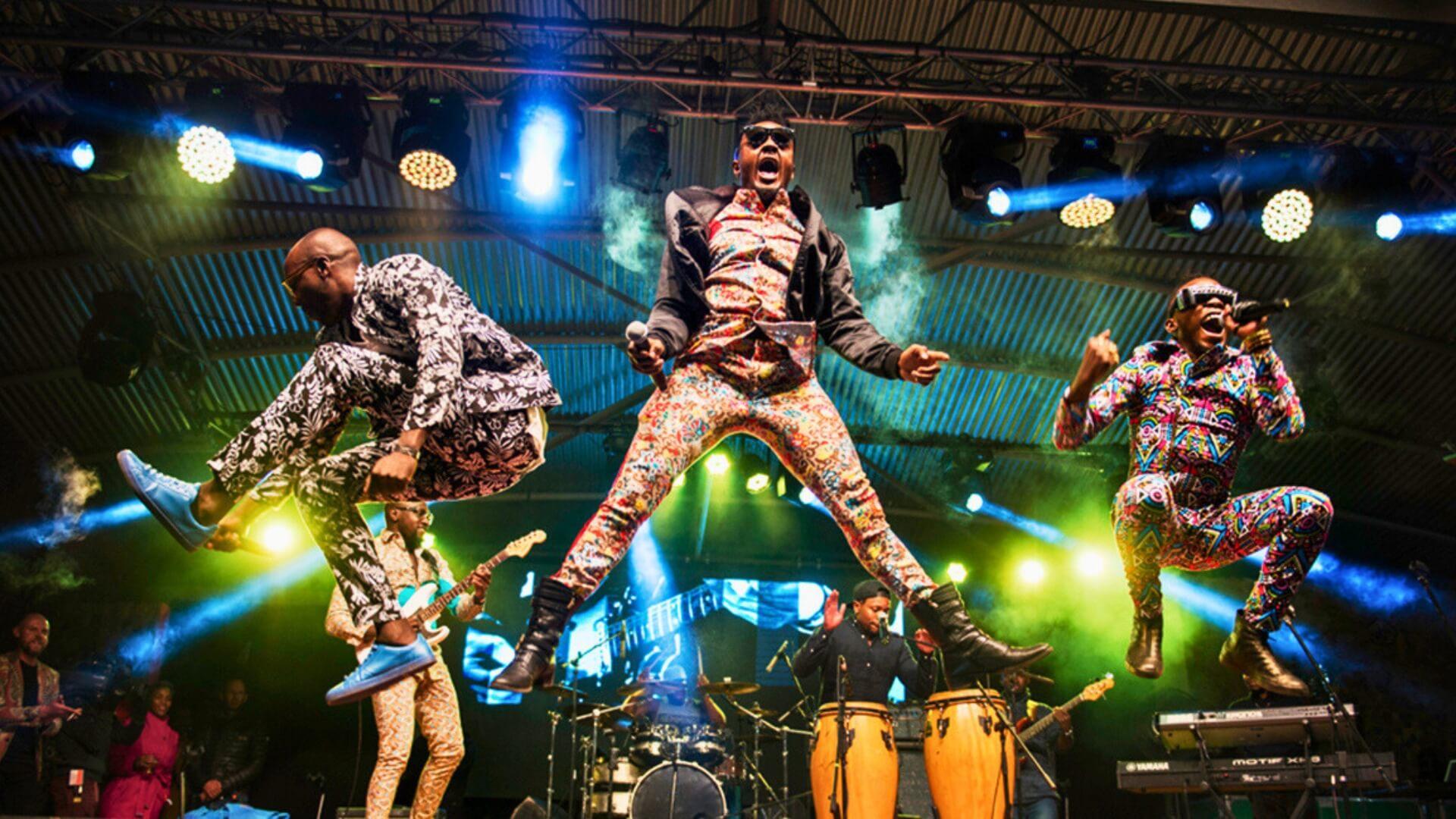
In 2026, Africa’s vibrant cultural festivals are drawing increased global attention, blending heritage and contemporary creativity to elevate the continent’s cultural influence.
From the shores of Lake Malawi to the historic medinas of North Africa, cultural festivals across the continent are drawing increased international visitors, global performers, and expanded media coverage in 2026. These events — rooted in music, film, visual art, and traditional expression — are amplifying Africa’s cultural soft power and boosting heritage tourism.
Cultural festivals in Africa are more than entertainment fixtures; they are engines of economic activity, social exchange, and artistic innovation. Experts and tourism officials note that increased global interest reflects wider recognition of Africa’s creative industries and cultural heritage as key assets in global cultural calendars.
1. Mawazine Festival — Rabat, Morocco

The Mawazine Festival in Morocco continues to stand as one of Africa's preeminent music events, drawing millions of attendees and featuring a diverse array of international headliners alongside local Moroccan talent. Analyzing media coverage and tourism statistics indicates that the festival's 2026 edition is poised to maintain its strong appeal to global audiences, thereby reaffirming its significance as a key player in the international music festival circuit.
2. Ultra South Africa — Cape Town & Johannesburg, South Africa
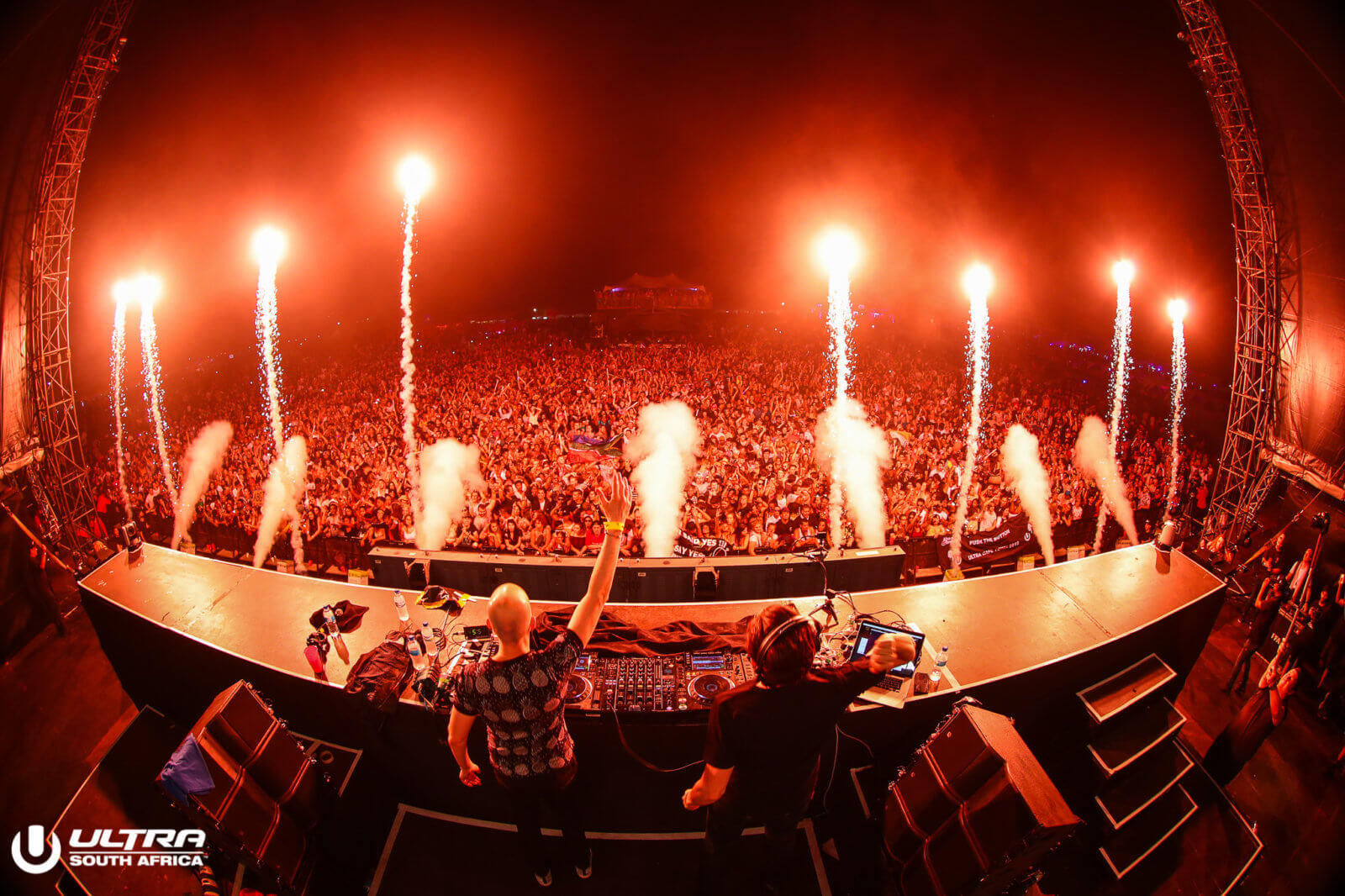
Ultra South Africa, a premier electronic dance music festival on the African continent, consistently attracts leading global DJs and a significant influx of international attendees. The event's extensive scale and high production standards align it with the world's foremost electronic music festivals, thereby enhancing South Africa's profile in the realm of cultural tourism. The festival's meticulous attention to logistical execution and innovative stage design reinforces its reputation and solidifies its position within the global electronic music landscape.
3. Cape Town International Jazz Festival — South Africa

Referred to as “Africa’s Grandest Gathering,” this festival serves as a dynamic platform for fusing indigenous jazz innovation with internationally acclaimed artists. The anticipated 2026 lineup is set to feature a series of cross-cultural collaborations that will underscore the interplay between traditional jazz forms and contemporary expressions, effectively showcasing the evolution of the genre. This event attracts a diverse audience, including significant contingents from Europe and the Americas, thereby facilitating a rich exchange of musical ideas and techniques.
4. Sauti za Busara — Zanzibar, Tanzania

Sauti za Busara, hosted in the historic Old Fort of Stone Town, serves as a pivotal platform for the celebration of African musicianship and cultural heritage. This festival attracts a diverse array of artists and audiences from throughout the African continent and its diaspora, effectively showcasing East African music traditions to an international audience. The event facilitates cross-cultural exchange and enriches the global discourse on African music, providing a significant venue for both established and emerging musicians to demonstrate their artistic prowess and contribute to the ongoing evolution of the genre.
5. Lake of Stars Festival — Malawi

Regarded by travel analysts as a premier cultural event in Africa, the Lake of Stars Festival integrates music, arts, and sustainability within a breathtaking lakeside context near Lake Malawi. This festival has garnered significant attention from international cultural tourists, drawn by its emphasis on authentic local experiences and its commitment to sustainable practices. Its unique positioning not only showcases the rich cultural tapestry of the region but also engages attendees in environmentally conscious initiatives, reinforcing its reputation as a leading example of cultural tourism.
6. Saint-Louis Jazz Festival — Senegal

In the historic city of Saint-Louis, Senegal, the esteemed jazz festival has established itself as a pivotal platform for showcasing both African and international artists. This festival exemplifies the rich legacy of jazz fusion and promotes a nuanced cross-continental musical dialogue. It consistently draws audiences who are not only passionate about cultural heritage but also eager to engage with contemporary musical innovations and experimentation within the genre.
7. Gnaoua World Music Festival — Essaouira, Morocco

The Gnaoua World Music Festival serves as a critical platform for the fusion of diverse spiritual music traditions, exemplifying Morocco's rich cultural syncretism. By incorporating a varied lineup of international artists, the festival not only showcases a broad spectrum of musical influences but also enhances its stature within the world music community. The increasing attendance and engagement from aficionados highlight the festival's significance as a site for global musical interaction and cross-cultural dialogue.
8. FESPACO Film Festival — Ouagadougou, Burkina Faso

FESPACO, as the preeminent film festival in Africa, continues to serve as a critical nexus for African cinema in 2026, emphasizing the emergence of innovative narratives from diverse regions across the continent. The festival attracts filmmakers, critics, and distributors globally, making it an essential launchpad for showcasing African cinematic works and facilitating industry connections. Its platform not only highlights regional storytelling but also fosters dialogue around the technical and thematic evolution of African film within the global cinematic landscape.
9. Ojude Oba Festival — Ijebu-Ode, Nigeria

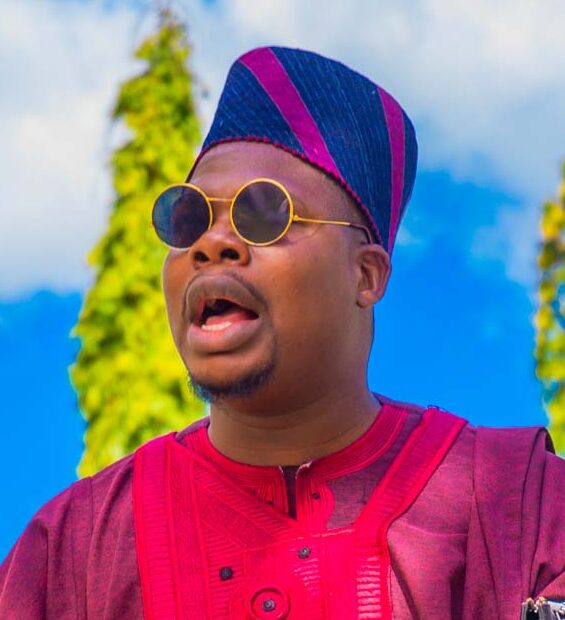
The Ojude Oba Festival has emerged as a prominent global cultural event, exemplifying the richness of Yoruba cultural heritage. This celebration features intricate traditional attire, equestrian displays, and community-centric rituals, attracting a diverse audience of thousands, including cultural tourists and industry fashion commentators. The festival serves as a significant locus for cultural exchange and the commodification of heritage, highlighting the dynamic interplay between tradition and modernity in a globalized context.
10. MTN Bushfire Festival — Malkerns Valley, Eswatini
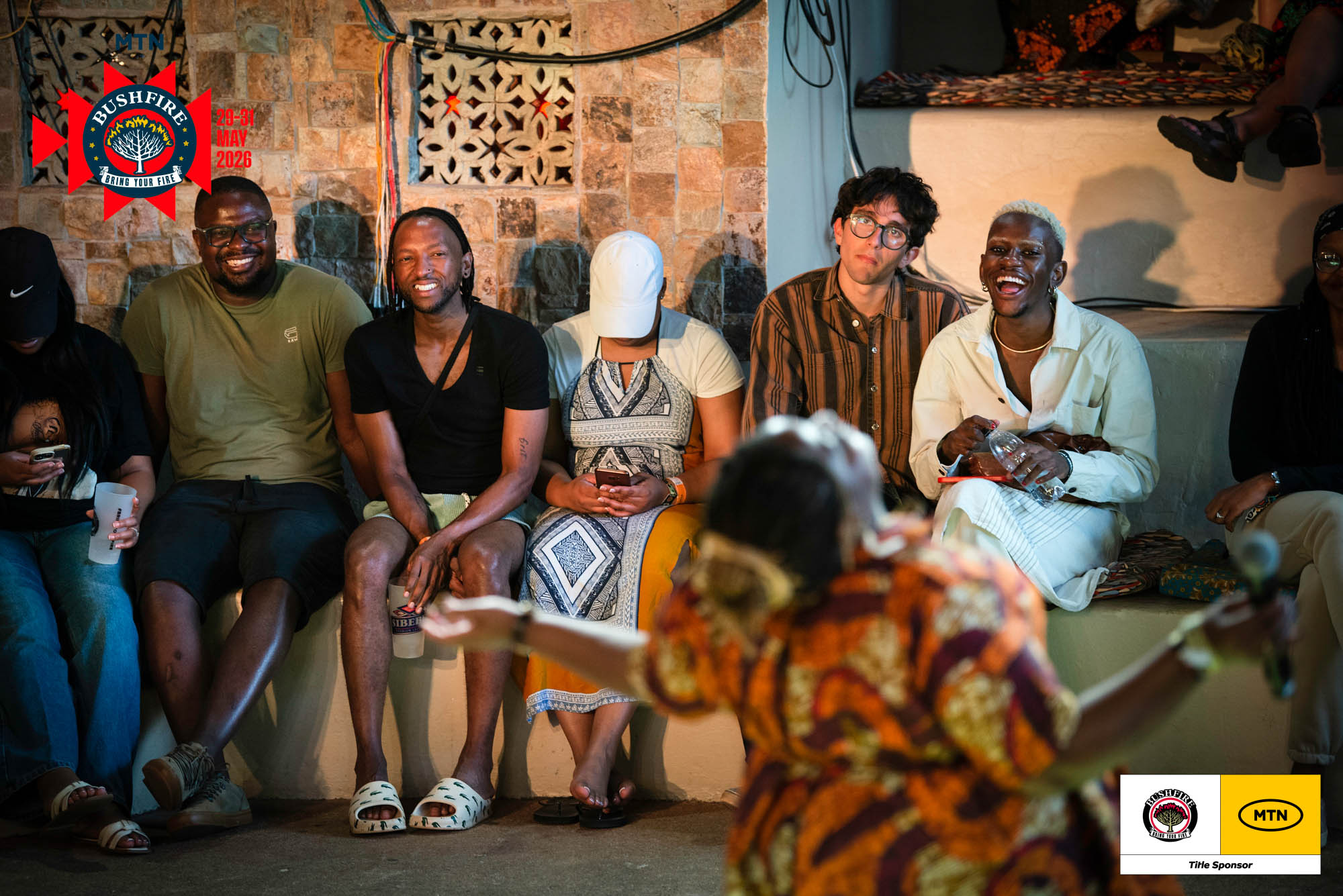
The MTN Bushfire Festival, held in Eswatini, serves as a multifaceted platform integrating music, performance art, and artisanal showcases, while also facilitating cultural dialogue sessions. This event draws a diverse international audience, thereby highlighting and promoting the richness of Southern African creative expression. By fostering interaction among artists and attendees, the festival not only celebrates artistic diversity but also encourages cross-cultural engagement and collaboration within the creative sector.
Reactions and Cultural Impact
Tourism officials and cultural practitioners say the 2026 festival calendar is evidence of Africa’s expanding visibility in global cultural circuits. A curator from West Africa’s creative sector noted that these festivals “not only celebrate our heritage but position African artists and traditions as indispensable to the global cultural conversation,” amplifying both identity and economic opportunity.
Artists and performers echo this momentum, citing increased opportunities for cross-border collaboration and international touring resulting from festival exposure. Community leaders also emphasize the role of festivals in preserving intangible heritage, from traditional music forms to ceremonial practices.
Significance and Tourism Dynamics
According to cultural tourism analysts, festivals have become key drivers of travel demand to African cities outside traditional safari and beach tourism markets. Events such as Mawazine and FESPACO generate significant inbound travel, spurring hotel occupancy, local enterprise sales, and international media coverage.
The UNESCO Creative Cities Network and other cultural development bodies are citing these festival circuits as models for sustainable cultural engagement that bridges heritage and modern aesthetics, amplifying Africa’s creative diplomacy.
Staff
Contributing writer at Topping Africa.
0 Comments
No comments yet. Be the first to share your thoughts!