African Creators Summit vs African Creators Conference: What's the Difference?

Searching for the African Creators Summit and finding results for the African Creators Conference — or the other way around? This guide breaks down the real differences between both event formats, who each one is built for, and how to choose the right one for your goals in 2025.
Two Names, One Question — and Why It Matters for African Creators
If you have searched for the African Creators Summit and landed on results for the African Creators Conference — or vice versa — you are not alone. Thousands of creators, brand managers, and investors across the continent type both phrases into Google every month, often unsure whether they are looking at the same event, two competing events, or an entirely different format. This confusion is real, it costs people time, and it occasionally means missing a registration deadline. This guide cuts through the noise with a clear, honest comparison so you can make the right call for your goals in 2025 and beyond.
What the African Creators Summit Actually Is
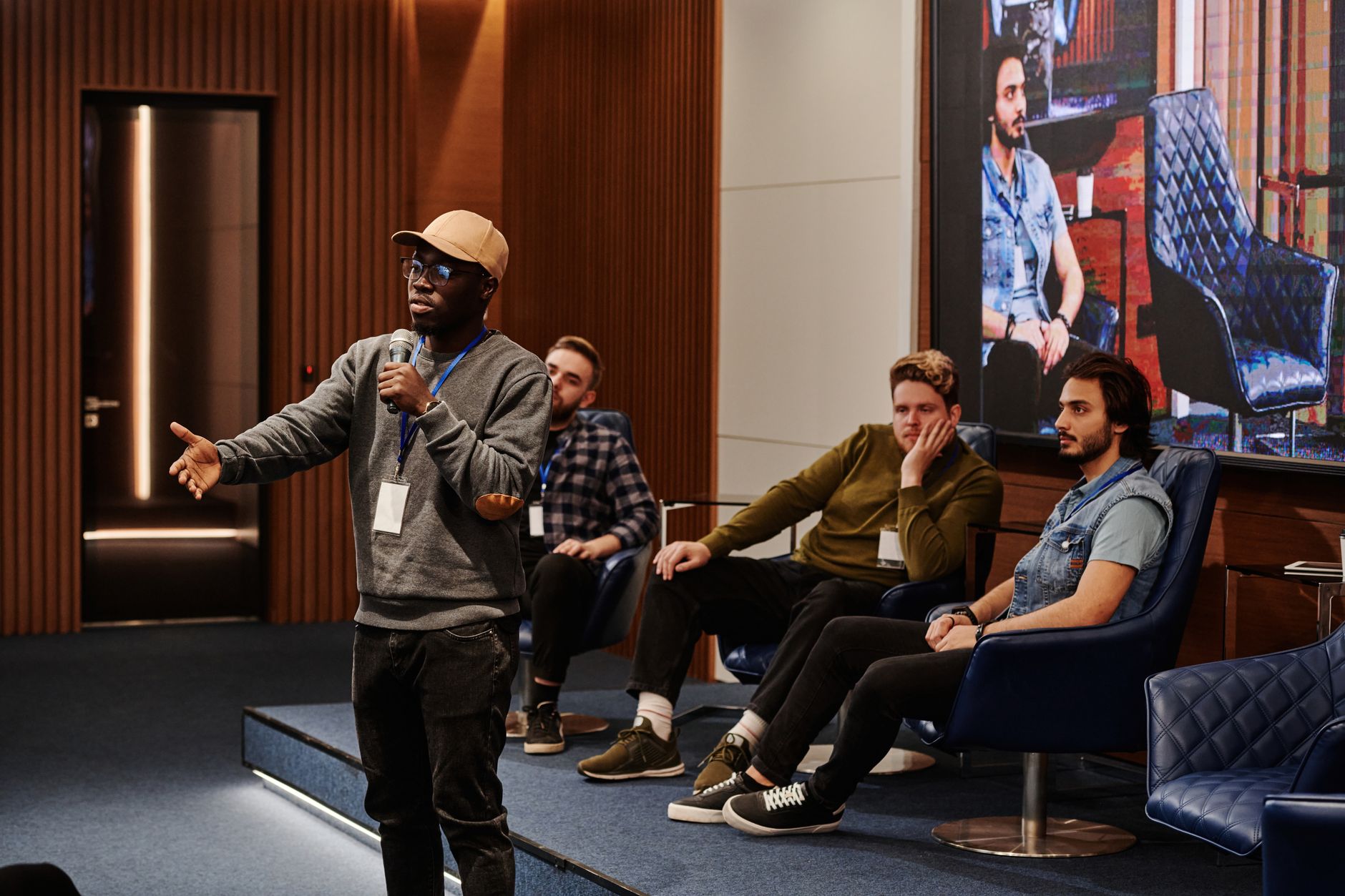
The term African Creators Summit is used by multiple organizers across the continent, which is part of the confusion. There is no single, globally trademarked event that owns this name outright. However, the phrase has come to describe a category of high-level, invitation-weighted gatherings that prioritize networking, deal-making, and strategic conversations between creators, investors, and platform executives.
Think of a summit format as closer to a boardroom than a classroom. Sessions tend to be shorter — typically 20 to 40 minutes — and the agenda is built around keynotes, fireside chats, and curated roundtables. Attendance numbers are deliberately kept smaller, often between 200 and 800 delegates, to maintain the quality of connections. Ticket prices reflect this exclusivity, frequently ranging from $150 to $600 USD depending on the host city and sponsor subsidies.
Recent iterations of creator summits in Africa have taken place in Lagos, Nairobi, Accra, and Johannesburg — cities that double as the continent's main creative and commercial hubs. Some are hosted by media companies; others are organized by creator economy startups or pan-African NGOs. The World Economic Forum has highlighted Africa's creative economy as one of the fastest-growing globally, and summits have emerged partly to serve that momentum.
Who Typically Attends a Summit
- Established creators with 50,000+ followers or a proven revenue stream
- Brand partnership managers from multinational and pan-African companies
- Venture capitalists and angel investors focused on creator economy deals
- Platform representatives from YouTube, TikTok, Meta, and homegrown African apps
- Policy advocates and government officials exploring the creative economy
The summit format rewards those who already have something to bring to the table. If you are early in your creator journey — under 10,000 followers, no brand deals yet — a summit can feel alienating. The conversations assume a baseline of industry experience that newer creators simply have not had time to build.
What the African Creators Conference (ACC) Is — and What ACC 2025 Looks Like
The African Creators Conference, often abbreviated as ACC, operates on a fundamentally different philosophy. Where a summit curates for seniority, a conference curates for learning. The ACC model is built around structured programming: workshops, masterclasses, panel discussions, and exhibition floors where tools, platforms, and service providers set up booths.
ACC 2025, the most searched variant of this event right now, is expected to draw upward of 2,000 attendees based on its previous editions. Ticket pricing is typically tiered — general admission can start as low as $30 to $80 USD, with VIP or workshop bundles pushing into the $200 range. That price gap alone tells you something important about the target audience.

Conference formats also tend to run longer — two to four days versus the one or two days typical of a summit. The extra time allows for deep-dive sessions. A creator can spend a full morning learning about YouTube monetization thresholds for African channels, then spend the afternoon in a hands-on editing workshop, and close the day at a networking mixer. That variety is the conference's core value proposition.
The ACC has historically been strong on content production skills, platform strategy, and brand deal negotiation — practical topics that move the needle for creators at the 1,000-to-100,000 follower stage. For context on how African creators are already winning on global platforms, see this breakdown of the top African content creators dominating TikTok, Instagram, and YouTube in 2026.
Who Typically Attends a Conference
- Emerging creators at any follower count who want structured skill-building
- Aspiring creators who have not yet published consistently but want a roadmap
- Small business owners exploring content marketing for their brands
- Journalism and media students pivoting into independent content creation
- Agencies and talent managers scouting the next wave of African talent
Side-by-Side: Summit vs Conference — The Real Trade-offs
Choosing between the two formats is not about which is better in the abstract. It is about which serves your specific goal right now. Here is where most creators go wrong: they pick the event that sounds more prestigious rather than the one that matches their current stage. Showing up to a summit as a creator with no brand deals and 3,000 followers is not a career accelerator — it is an expensive afternoon of feeling out of place.
Conversely, attending a conference when you are a seasoned creator with 500,000 followers and multiple six-figure brand deals means you will spend most of your time in beginner-level sessions that add no new value. You would have been better served at a summit where the conversations operate at your level.
Below is a direct comparison across the dimensions that matter most:
- Format: Summit = keynotes and roundtables. Conference = workshops and panels.
- Duration: Summit = 1–2 days. Conference = 2–4 days.
- Attendance size: Summit = 200–800. Conference = 1,000–5,000+.
- Ticket cost: Summit = $150–$600. Conference = $30–$200.
- Primary value: Summit = relationships and deals. Conference = skills and knowledge.
- Best for: Summit = established creators. Conference = emerging and mid-level creators.
- Application process: Summit = often curated or application-based. Conference = open registration.
One more trade-off worth naming: follow-up culture differs sharply. Summit attendees often leave with a handful of high-value contacts and an expectation of follow-up calls within days. Conference attendees leave with a stack of business cards and a longer, slower conversion to meaningful relationships. Neither is wrong — they are just different rhythms.
Common Mistakes Creators Make When Choosing Between Events
The single biggest mistake is treating event attendance as a vanity metric. Posting "I attended the African Creators Summit" on Instagram is not a business strategy. The creators who extract real value from these events — whether summit or conference — arrive with a specific goal, a short list of people they want to meet, and a prepared pitch or portfolio.
A second common error is ignoring the hybrid and virtual options. Since 2021, most major African creator events have offered some form of virtual access. If you are in the diaspora or your budget does not stretch to flights and hotels in Lagos or Nairobi, virtual tickets are a legitimate alternative — not a consolation prize. African diaspora creators are increasingly shaping the continent's creative economy from abroad, and event organizers have started designing programming with that audience in mind.
Third mistake: skipping the pre-event community. Both summits and conferences now run WhatsApp groups, Discord servers, or LinkedIn communities for registered attendees weeks before the event. Creators who join these early and start conversations before the doors open consistently report better outcomes than those who show up cold on day one.
What to Do When the Event You Want Is Sold Out
It happens — ACC 2025 early-bird tickets, for instance, sold out within 72 hours of going live in past editions. Here is the practical playbook:
- Get on the waitlist immediately and check it daily — cancellations are common in the final two weeks.
- Follow the event's official social channels; last-minute ticket releases often happen there first.
- Reach out to speakers directly on LinkedIn. Many speakers receive complimentary guest passes they can share.
- Volunteer. Most events offer free or heavily discounted entry to volunteers who help with registration, logistics, or live streaming.
- Attend the satellite events — side parties, brand activations, and unofficial meetups that cluster around major creator events are often free and surprisingly valuable.
How to Find Verified African Creator Events Before You Register
The creator event space in Africa moves fast, and unfortunately, fraudulent "summits" do exist. Fake events have collected registration fees and then gone dark — a real problem that the Interpol Cybercrime division has flagged as part of broader online fraud patterns in the region. Protect yourself with these verification steps:
- Check that the event has a physical venue confirmed with a named hotel or conference center.
- Verify that at least three announced speakers have publicly confirmed their participation on their own channels.
- Look for a company registration number or NGO registration in the event's "About" or "Terms" page.
- Search the event name plus "scam" or "review" before paying — past attendees talk.
- Pay via a method with buyer protection (credit card or PayPal) rather than direct bank transfer.
Staying connected to a trusted platform that tracks African creators and events is one of the best defenses against wasted money. Creator discovery platforms in Africa are increasingly serving as curators of legitimate opportunities — worth bookmarking as a regular resource. You can also explore verified African creators and events on Topping Africa to stay current on who is building what across the continent.
Which Event Should You Attend in 2025?
The honest answer is: it depends on one question — what do you need most right now? If you need knowledge, skills, and a community of peers at a similar stage, go to a conference. If you need a co-founder, a brand deal, or a platform partnership, go to a summit. If your budget only allows one, pick based on that single criterion and commit fully.
For creators who are serious about building a sustainable business, attending both over the course of a year is not overkill — it is strategy. The conference builds your craft; the summit monetizes it. Many of the most successful African creators treat event attendance as a quarterly budget line, not an occasional splurge.
Want to see who is already doing this well? Check out 10 African content creators to watch in 2026 — many of them have spoken at or attended both formats and credit the connections made there as pivotal to their growth.
The African creator economy is not slowing down. McKinsey's research on Africa's business revolution points to the creative sector as a multi-billion dollar opportunity with compounding returns over the next decade. Showing up — at the right event, at the right time, with the right preparation — is how individual creators claim their share of that growth.
Discover more African creators and opportunities on Topping Africa — the platform built to spotlight the people shaping culture, tech, and business across the continent and beyond. Get started today by exploring the full creator directory.
Staff
Contributing writer at Topping Africa.
0 Comments
No comments yet. Be the first to share your thoughts!