
African Civic Influencers Are Quietly Rewriting Governance Online

African civic influencers are turning TikTok, YouTube, and Instagram into civic classrooms. From budgets to elections, they are making governance clearer, faster, and more shareable for young African audiences.
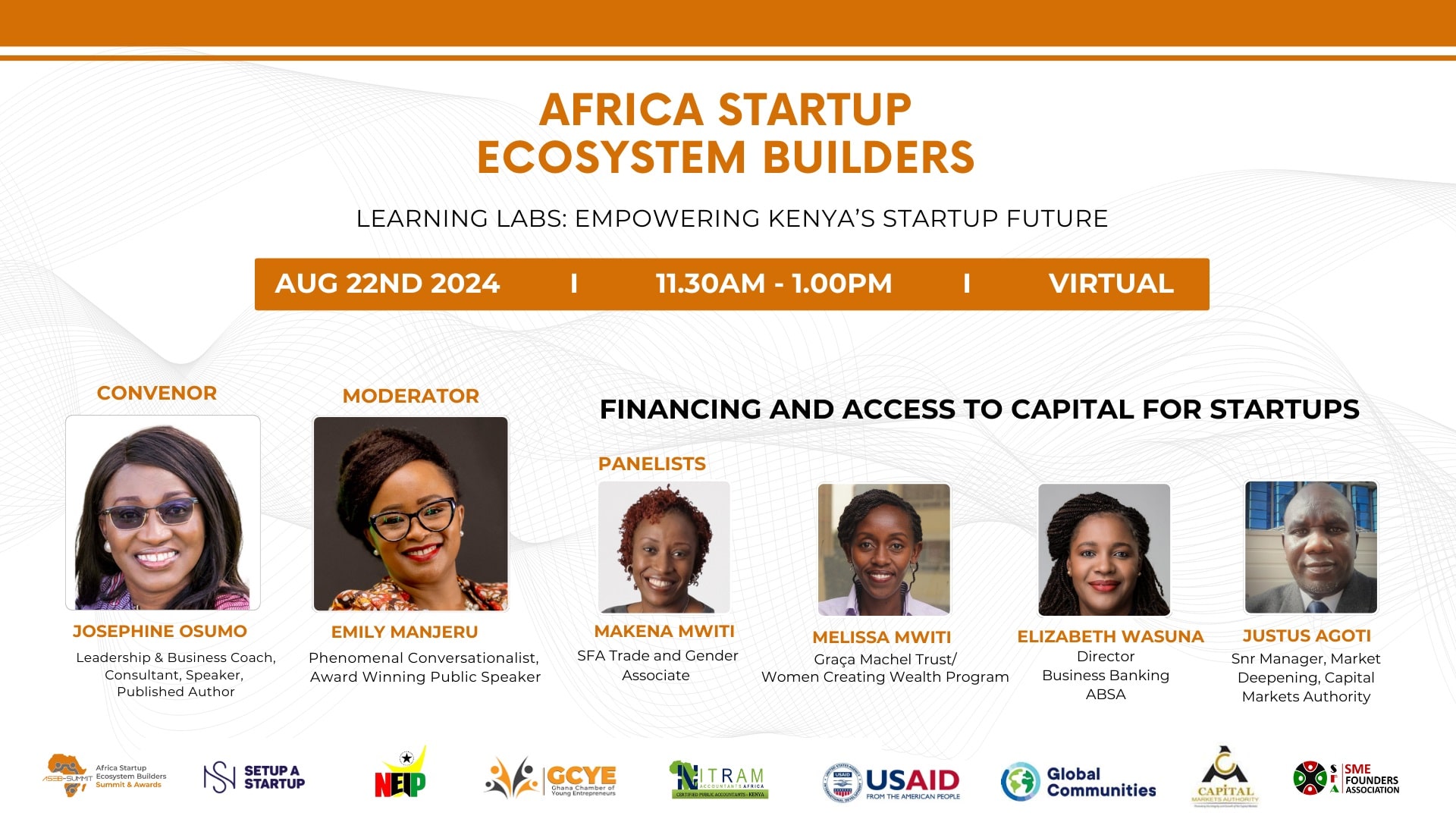
African civic influencers are transforming the way young people learn about budgeting, elections, climate policy, and local governance. On TikTok, YouTube, and Instagram, creators are turning public rules into clear, short, and shareable lessons that feel closer to everyday life.
Furthermore, this shift matters because many young Africans now access civic information on their phones before they ever open a newspaper. The result is a new kind of public voice: one that explains, translates, and sometimes pressures institutions to be clearer.
African civic influencers and the rise of the explainer economy
Creators have become powerful because they meet audiences where attention already lives. Pew Research defines content creators as accounts with at least 5,000 followers whose popularity comes primarily from social media, not offline fame. That definition fits a growing group of African explainers who build trust through consistency, clarity, and direct audience interaction.
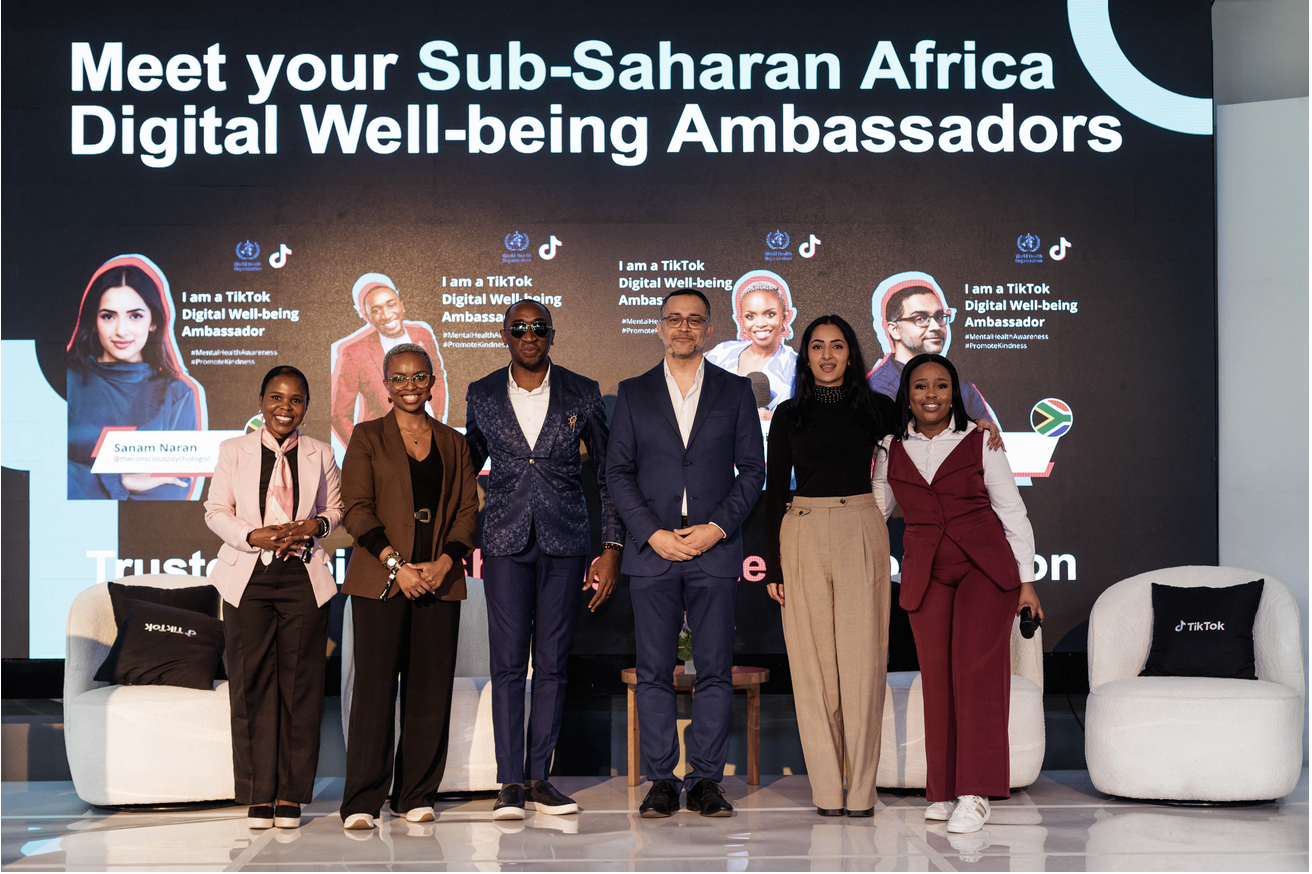
Moreover, civic content works especially well in short videos because it breaks down complex systems into simple examples. Instead of long policy papers, viewers get a quick explanation of how taxes work, why voter registration matters, or what a county budget actually funds.
Additionally, this creator-driven style aligns with a wider shift in media. Researchers and media analysts note that creators now shape political speech, audience trust, and public debate in ways legacy institutions often miss.
Why this format works for African audiences
Firstly, mobile-first audiences want speed without confusion. Short videos let creators explain issues in plain language, then invite comments, stitch responses, and follow-up questions.
Secondly, many public institutions still speak in formal language that ordinary people find hard to use. Therefore, the creator who can turn a budget line into a relatable story often becomes more useful than a press release.
Additionally, this model supports youth engagement. When civic education feels modern, visual, and direct, more young viewers stay with the message and share it with friends.
- Budgets become easier to read.
- Elections become easier to follow.
- Climate policy becomes easier to discuss.
- Local governance becomes easier to question.
How African civic influencers build trust without acting like politicians
Importantly, many of the strongest civic creators do not present themselves as activists first. Instead, they act like translators, using humor, charts, captions, and quick examples to make public life feel understandable.
However, trust does not come from polish alone. It comes from a creator showing their work, naming sources, correcting mistakes, and keeping the tone useful rather than preachy.
Moreover, audiences reward creators who sound human. That is why explainers with a calm voice, clean visuals, and clear examples often outperform loud content that only chases outrage.
Notably, this is also where influencer culture changes governance. A creator who can explain procurement, voter registration, or a city service in under a minute can shape what thousands of young viewers ask their leaders.
The new civic creator toolkit
Creators across the continent use a shared playbook. They post short explainers, use simple graphics, point to official documents, and end with questions that invite public discussion.
Meanwhile, many also mix education with personality. That balance helps their message travel farther because audiences follow the creator first and the topic second.
- Hook fast with a question or bold fact.
- Simplify the policy issue with one example.
- Show evidence using public records or official data.
- Invite action through comments, shares, or civic follow-up.
In addition, this method is highly shareable. A video that explains how a local levy works or why a ballot issue matters can travel far beyond the creator’s original audience.
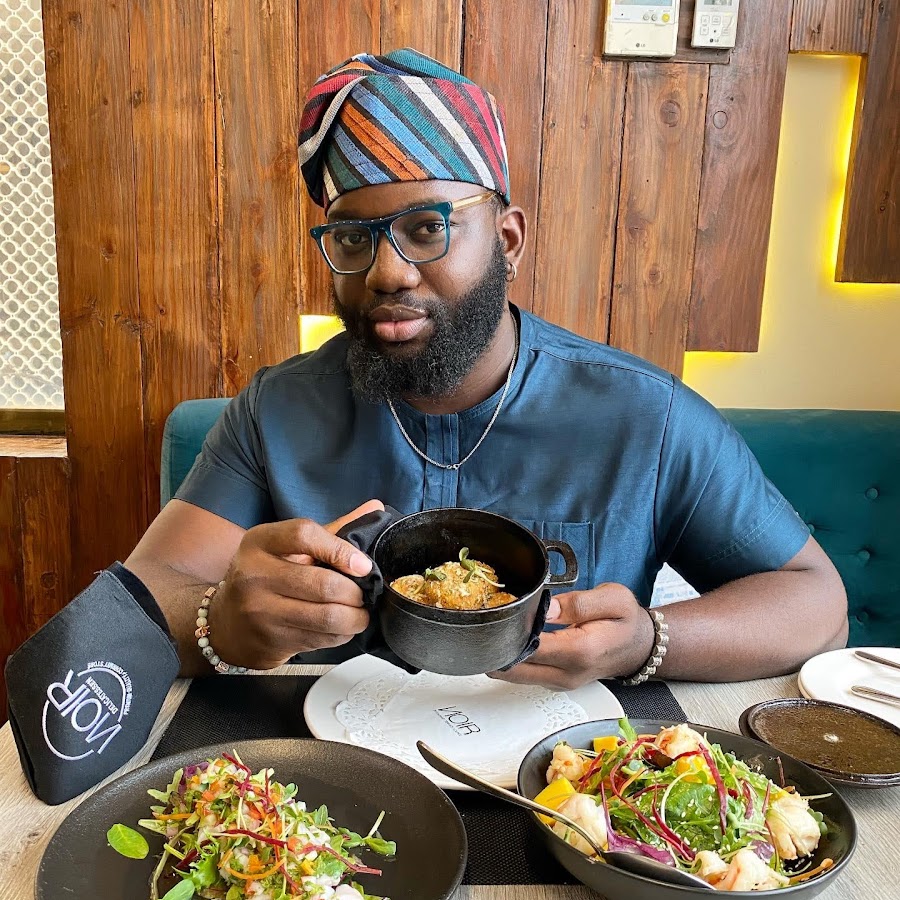
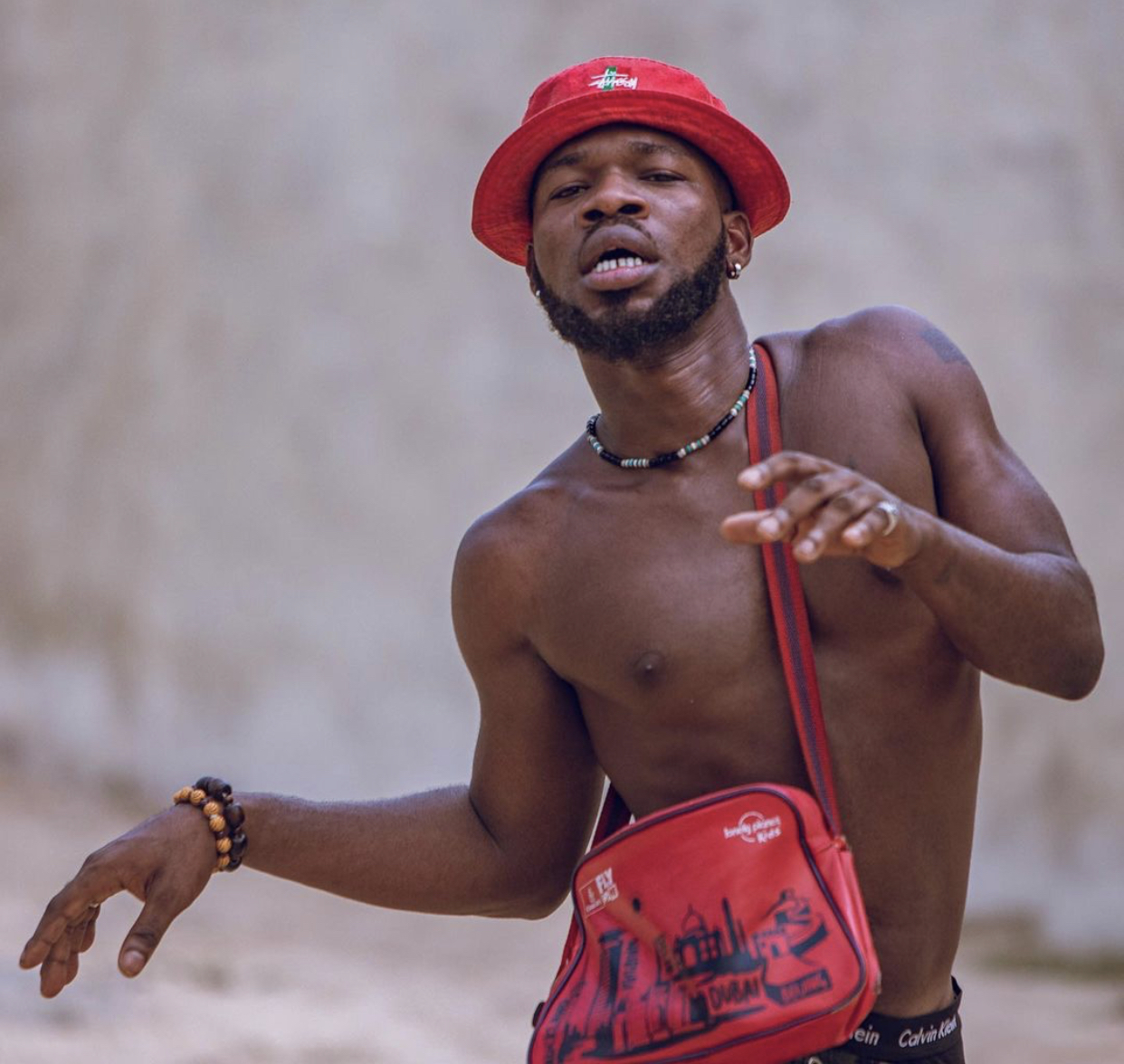
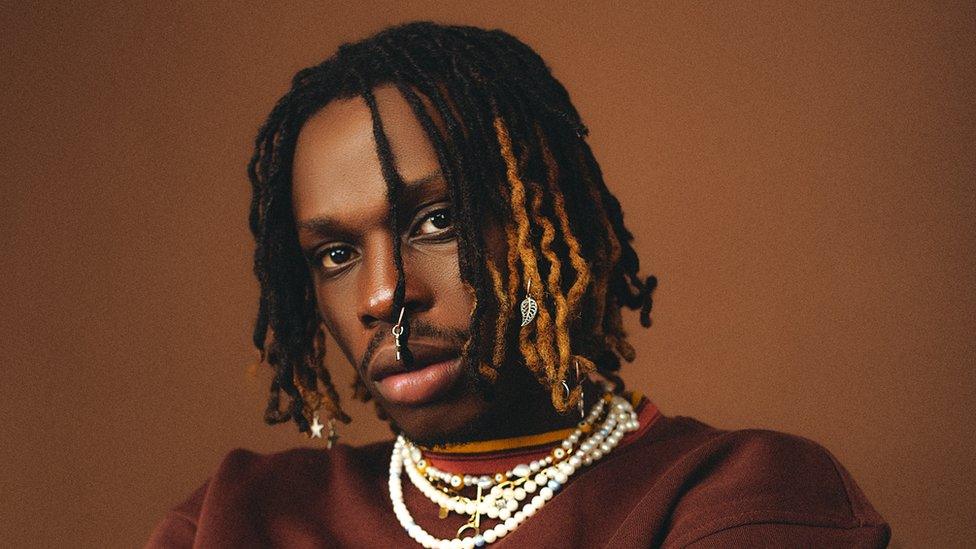
Standout African civic creators to watch in Nigeria, Kenya, Ghana, and South Africa.
Across major African markets, creators are carving out space in civic education, digital rights, policy explainers, and public-interest storytelling. Some focus on governance directly, while others explain systems that shape everyday life, from taxes to tech policy.
Moreover, these creators often bridge a gap between institutions and young people. Their work helps turn public information into something useful, relatable, and easier to act on.
Nigeria: civic explainers meeting a huge youth audience
Nigeria’s creator scene is large, fast-moving, and deeply influential. Consequently, civic explainers there often build big audiences by connecting governance to everyday concerns like transport, schools, and digital access.
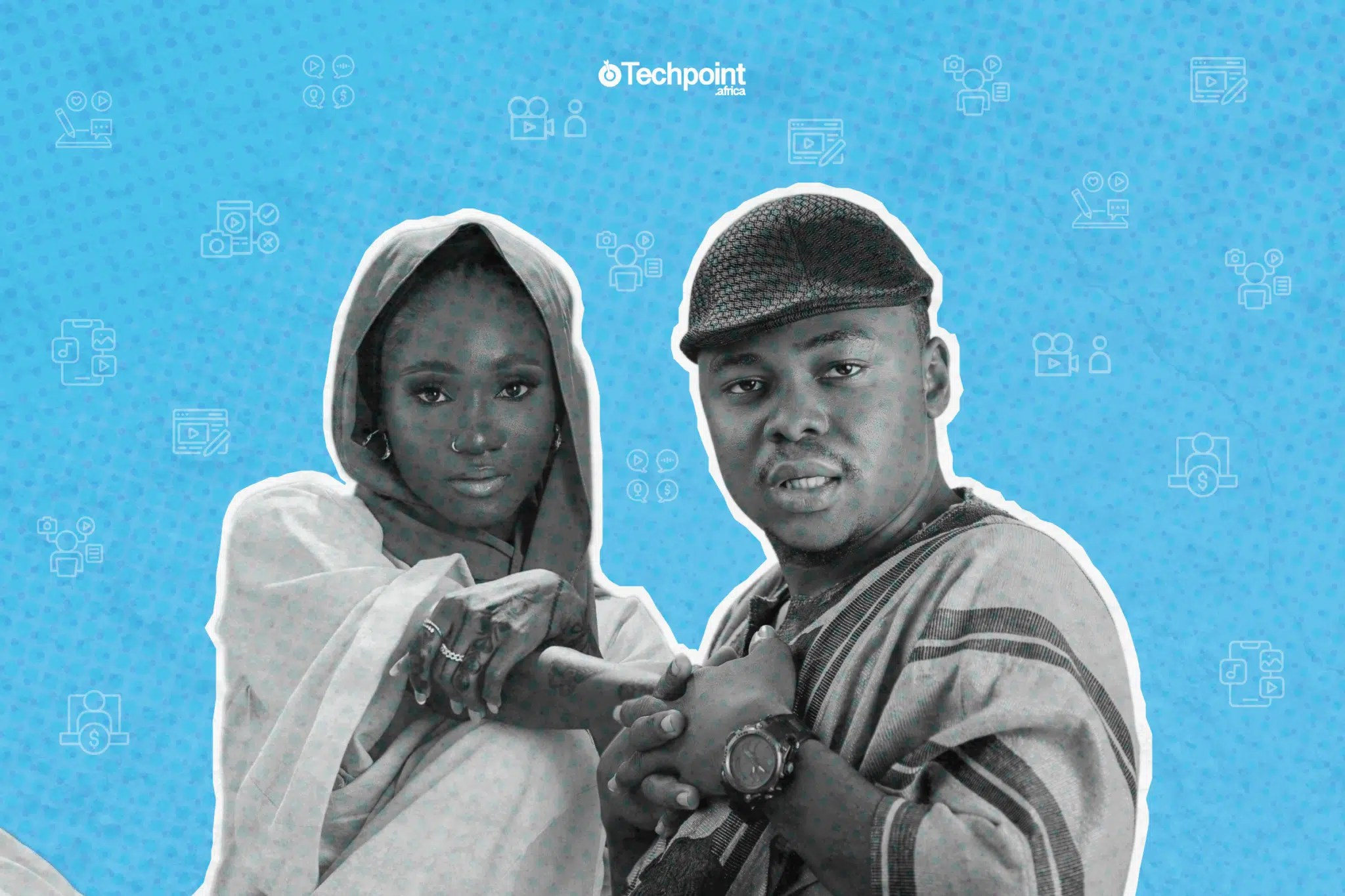
Additionally, Nigerian creators frequently use skits, street-style interviews, and direct-to-camera explainers to keep civic topics lively. That style matters because it makes public affairs feel less distant and more personal.
Furthermore, creators in this space often speak to issues like voter literacy, budget tracking, and public service delivery. Their content can help young viewers ask better questions and demand clearer answers.
Kenya: digital democracy, county politics, and public accountability
Kenyan creators have been especially active in turning policy and county governance into accessible content. Importantly, county systems create many everyday touchpoints, so explainer videos can be useful almost immediately.
Moreover, Kenya’s strong digital culture gives civic creators a ready audience for discussions about service delivery, public spending, and youth participation. Many creators also lean on data visuals and concise narration to hold attention.
Additionally, civic-tech voices in Kenya often connect governance to innovation. That link is powerful because it shows how digital tools can make institutions more transparent, not just more efficient.
Ghana: public literacy with a calm, educational tone
Ghanaian civic creators often take a measured, classroom-like approach that works well for explainer content. Therefore, their videos can feel less like commentary and more like practical civic coaching.
Furthermore, this style is effective for topics such as local government, electoral awareness, and public spending. It gives viewers a simple entry point into subjects that might otherwise seem technical.
In addition, Ghana’s growing digital audience has made room for creators who connect governance with culture and daily life. That crossover helps civic education reach beyond politics alone.
South Africa: policy, transparency, and creator-led public debate
South African creators are increasingly visible in conversations about transparency, institutions, and social inclusion. Notably, the country’s digital public sphere gives civic voices room to dissect policy in a way that feels immediate.
Moreover, creators there often frame governance through lived realities such as service access, public transport, education, and digital rights. That framing makes policy feel less abstract and more relevant.
Additionally, South African influencer culture has helped normalize public commentary from independent voices. As a result, civic explainers can build credibility while still sounding fresh and native to social media.
What these videos are changing in public life
Firstly, these creators improve voter literacy. When viewers understand how systems work, they are better able to judge promises, track performance, and ask stronger questions.
Secondly, they boost transparency. Public agencies and local leaders now operate in a space where citizens can quickly share documents, challenge claims, and compare official statements with what the creator explains.
Moreover, they shape the agenda. A well-made explainer can push a budget issue, school policy, or climate rule into conversations that would otherwise ignore it.
Finally, they make governance feel less distant. That matters because people are more likely to engage when they can understand the rules in plain language.
- Voter literacy rises when content explains the process clearly.
- Accountability improves when viewers can compare claims with documents.
- Youth participation grows when civic topics feel relevant.
- Institutional transparency improves when public actions face fast scrutiny.
African civic influencers, TikTok, and the power of short-form trust
Short-form video is the main engine behind this movement. However, the real power is not just in the format; it is in the repeat relationship between creator and audience.
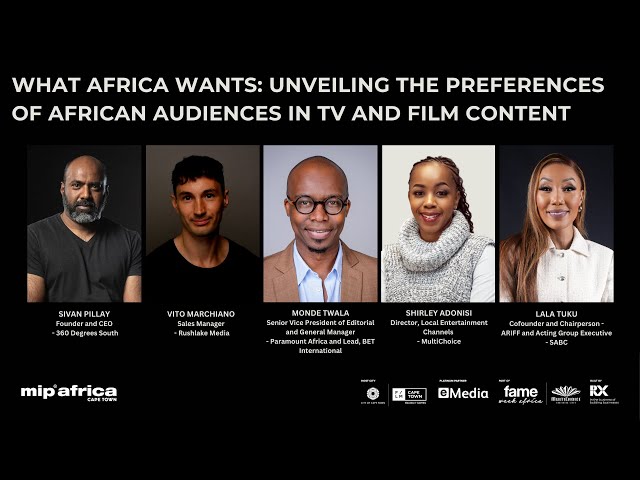
Consequently, a creator who posts regularly about budgets or elections can become a trusted guide. That trust often matters more than a single viral clip.
Additionally, TikTok and similar platforms reward clarity and pace. Creators who can explain a hard subject in the first few seconds are more likely to earn saves, shares, and follow-up views.
Notably, this changes how governance communication works. Institutions once relied on speeches, notices, and formal releases, but creators now translate those messages into language people actually use.
Why brands, NGOs, and public agencies are paying attention
Moreover, civic creators offer a direct channel to young audiences that traditional outreach often misses. That makes them valuable to election groups, advocacy teams, and public-interest campaigns.
However, the best partnerships respect creator independence. Audiences can spot forced messaging quickly, so authenticity remains essential.
In addition, creators who keep their work rooted in public value often build longer careers. They are not just chasing views; they are building a reputation for useful information.
How to spot a strong civic creator
Importantly, not every account that talks about politics is a civic creator. The strongest voices mix entertainment, evidence, and public usefulness.
Moreover, they avoid confusion and sensationalism. Instead, they explain one issue at a time and help viewers understand what it means for daily life.
- They cite official sources or public records.
- They use simple language and short examples.
- They correct errors when needed.
- They keep the focus on public value, not drama.
Therefore, when you follow civic creators, look for consistency, clarity, and a clear connection to community outcomes. That is where real influence lives.
The bigger picture for African media and digital culture
Ultimately, African civic influencers are part of a larger shift in African media. Creators now cover business, technology, elections, and culture with a confidence that once belonged only to big institutions.
Meanwhile, this creator economy is helping young Africans see themselves as participants, not just spectators. That change matters because governance improves when more people understand the system and know how to question it.
Furthermore, the most successful civic creators are not replacing journalists or institutions. Instead, they are filling gaps, translating complexity, and making public life more visible to people who might otherwise tune out.
Read more about how African creators are reshaping public life across Technology & Finance, Politics & Governance, Africa News, Business & Economy, and Culture & Lifestyle.
Explore More on Topping Africa
Discover more stories on Technology & Finance for Africa’s digital changemakers, Politics & Governance for public policy and accountability, and Spotlight for the creators, innovators, and voices shaping culture.
Additionally, explore trusted context from the Pew Research Center, Center for Democracy & Technology, and Nieman Reports.
Share your thoughts and tell us which African civic creators you think are changing the conversation. Subscribe and explore more of the voices making governance easier to understand.

Staff
Contributing writer at Topping Africa.
0 Comments
No comments yet. Be the first to share your thoughts!