
African Airlines and Routes Reshaping Intra-African Travel in 2026
African carriers and new airspace innovations are reshaping intra-African travel in 2026 with expanded routes, efficiency reforms, and rising passenger demand.
In 2026, African aviation is dynamically evolving as carriers and regulators deploy new routes, embrace airspace reforms, and prepare for broader flight connectivity that could transform travel within the continent. After years of constrained intra-African connectivity due to infrastructure, regulatory, and commercial barriers, stakeholders now identify a combination of policy innovation and airline network expansion poised to unlock enhanced mobility, tourism, and trade.
Despite robust passenger growth, connectivity remains uneven. The International Air Transport Association (IATA) estimates that only about 19 percent of African city pairs have direct flights, underscoring the persistent gaps in intra-continental services even as demand expands at an above-global-average pace.
African airlines are gradually extending their footprints through strategic route additions and airspace efficiency improvements:
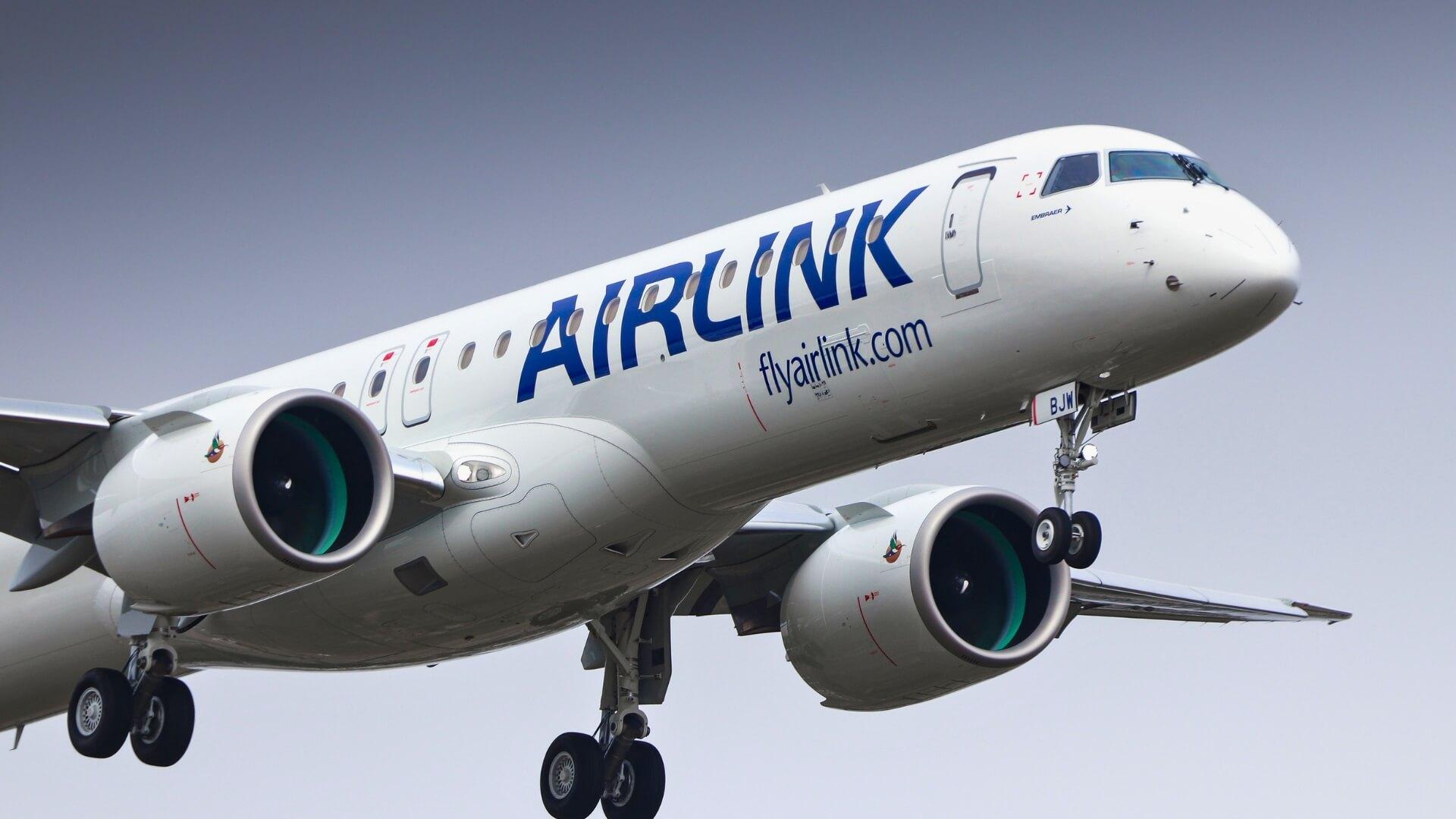
- Airlink (South Africa) has launched twice-weekly Johannesburg–Zanzibar services beginning mid-2026, a development expected to amplify tourism linkages between Southern and East Africa’s coastal hubs.
- South African Airways (SAA) recorded significant capacity growth in late 2025, with a 33.5 percent increase in available seats among top continent carriers, signalling selective expansion on high-demand regional and seasonal routes.
- Malawi Airlines is expanding its regional network with plans for daily flights and new regional linkages, including Lusaka and potential Pemba and Kigali services, diversifying access across Southern and East Africa.
- ASKY Airlines (Togo) continues to operate and grow its network from Lomé, offering direct intra-African connections across West and Central Africa and adding flights to Nairobi in recent schedules.
Industry sources say these incremental route additions — while not yet transformative in scale — demonstrate a shift in airline strategy toward market development and network utility within Africa.
Free Route Airspace: Efficiency and Connectivity
Beyond individual carriers, structural reforms are reshaping how flights traverse African skies. The Free Route Airspace (FRA) initiative — now operational across parts of West and Central Africa — allows airlines to plan direct, fuel-efficient flight paths rather than fixed air corridors, potentially cutting flight times and lowering costs long term. African Airlines Association (AFRAA) leadership and partners, including Afreximbank and the International Civil Aviation Organization (ICAO), describe the rollout as a “game-changer” for efficiency and competitiveness.
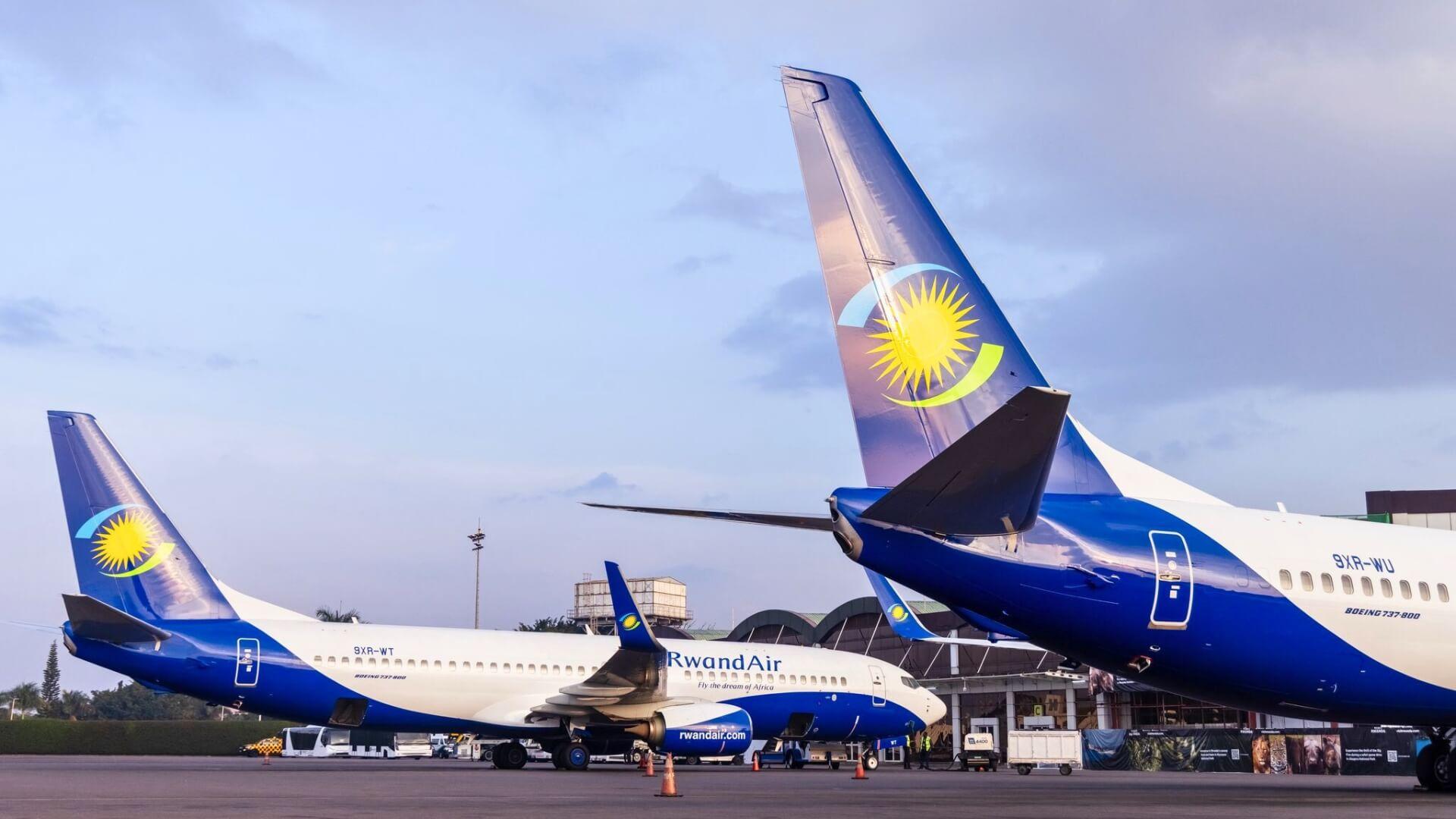
AFRAA reports that at least six African carriers — including Ethiopian Airlines, Kenya Airways, EgyptAir, RwandAir, ASKY Airlines and Royal Air Maroc — are operating User Preferred Routes (UPRs) between major cities, cumulatively saving airline hours, fuel consumption and CO2 emissions.
Afreximbank’s executive leadership says FRA supports broader objectives such as the Single African Air Transport Market (SAATM) and the African Continental Free Trade Area (AfCFTA) by lowering barriers to air mobility and by increasing route frequency and reliability.
Market Forces and Future Opportunities
Wider trends suggest long-term growth ahead. Boeing’s 2025 Commercial Market Outlook projects that Africa’s passenger air traffic will grow at an average annual rate of about 6 percent through 2044, with a doubling of aircraft fleet size — most of it narrow-body jets suited for short- and medium-haul routes critical for intra-African travel.
Despite this potential, airlines face structural challenges. IATA’s forecasts for 2026 note that African carriers will remain among the world’s lowest in profitability margins, hampered by higher operating costs and infrastructure constraints. This situation reinforces calls from airline representatives and policymakers for cost-reduction reforms, air transport liberalisation, and investment in aviation infrastructure and skills development.
Why It Matters
Improved intra-African air connectivity has implications beyond leisure travel. More direct flights reduce travel time and cost for business travellers, facilitate trade and investment flows across urban economic corridors, and enable more cohesive tourism circuits linking multiple countries. As travel barriers ease, new opportunities arise for multinational enterprises, regional trade bodies, and tourism operators seeking to leverage efficient mobility across Africa’s expanding economic landscape.
Staff
Contributing writer at Topping Africa.
0 Comments
No comments yet. Be the first to share your thoughts!