
Why African Countries Are Rushing to Build Digital ID Systems
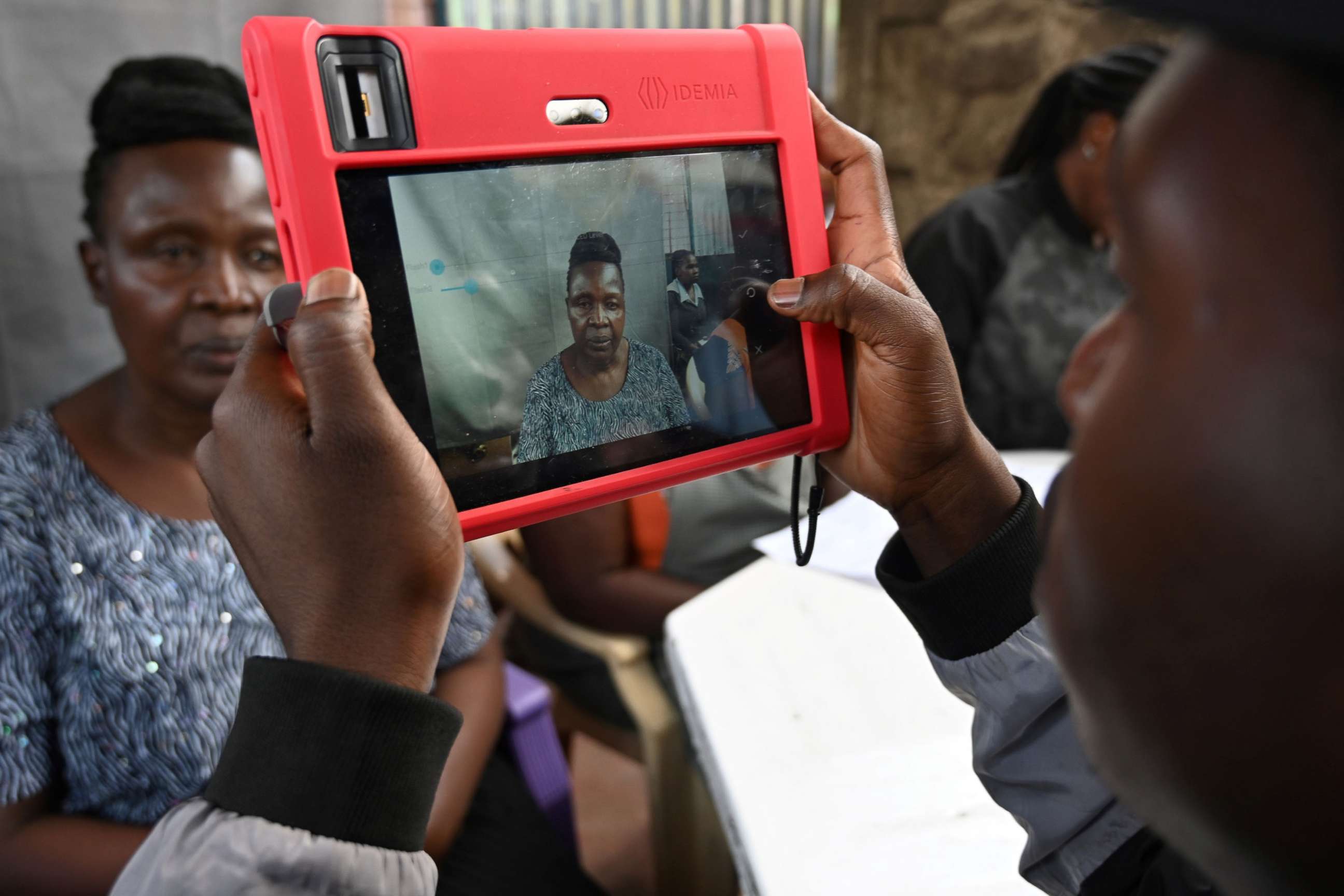
African countries are moving fast on digital ID systems, and the impact is already visible in banking, healthcare, voting, and public services. This explainer breaks down why governments are pushing ahead, what citizens gain, and where the privacy risks begin.
African digital ID systems are moving from policy plans to everyday reality, and you can already see the impact in banking, voting, healthcare, and public services. Across the continent, governments now treat digital identity as a core part of modern state building, not just a tech upgrade.
However, the rush is not only about convenience. It is also about inclusion, trade, security, and the push to give more people a legal identity by 2030 under Africa’s digital transformation goals.
Meanwhile, the debate is growing louder because digital ID can open doors for citizens, but it can also create new risks if systems are poorly designed.
To explore more on this fast-moving issue, read our coverage in Technology, Business & Economy, Politics & Governance, and Africa News.
What African digital ID systems are trying to solve
Across Africa, many citizens still lack formal identification, which makes it harder to open bank accounts, register for services, or access social support. According to the sources reviewed, more than 500 million people in Africa lack any form of legal identification, which helps explain why digital ID has become a top policy priority.[3]
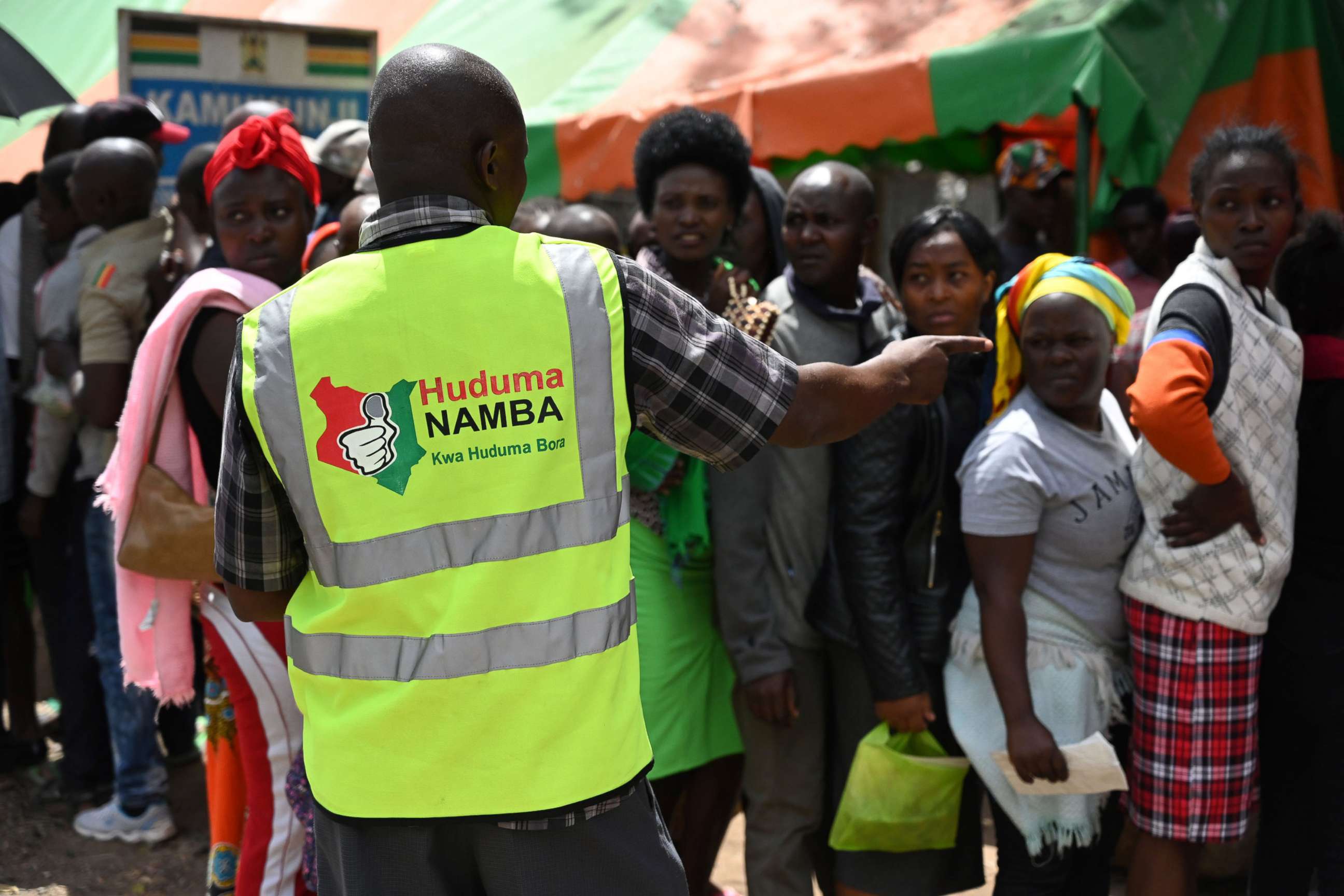
Furthermore, governments see digital identity as a way to reduce paperwork, cut fraud, and make public services faster. The African Union has also placed digital identity inside its wider Digital Transformation Strategy for 2020–2030, with a goal of supporting a unique digital identity for every African by 2030.[1][3]
Importantly, this is not just about government databases. Digital IDs now connect to real life in ways you feel directly, from school enrollment and mobile money to healthcare access and border travel.[1][5]
Why governments are moving so fast
Governments are rushing because digital ID systems promise three big wins: better service delivery, stronger economic inclusion, and improved governance.[1]
Additionally, the business case is strong. The United Nations Economic Commission for Africa has projected that effective digital ID implementation could raise Africa’s GDP by 3 percent to 13 percent by 2030.[1]
Moreover, regional integration matters. Under the African Continental Free Trade Area, a trusted identity layer can help people move, work, and trade more easily across borders.[1][3]
African digital ID systems and everyday life
For citizens, the biggest change is not the technology itself. It is the way identity now shapes access to daily essentials.
In many countries, digital ID programs are now tied to healthcare, education, finance, and social protection.[1][2]
- Healthcare: digital ID can speed up patient registration and reduce duplicate records.[1][5]
- Banking: it can help more people access formal financial services and credit.[1][5]
- Education: schools and exam bodies can verify students more easily.[1][2]
- Government services: citizens can receive benefits with less paperwork and fewer delays.[1][4]
Nevertheless, the change is not always smooth. In some places, people must provide biometric and personal data before they can access services they are already entitled to.[2][6]
Consequently, digital ID can feel like a key to inclusion for some citizens and a new barrier for others.
Country examples showing the shift
Several African countries illustrate how quickly this space is evolving. Kenya’s Maisha Namba and Nigeria’s National Identification Number are among the examples cited in recent reporting.[1]
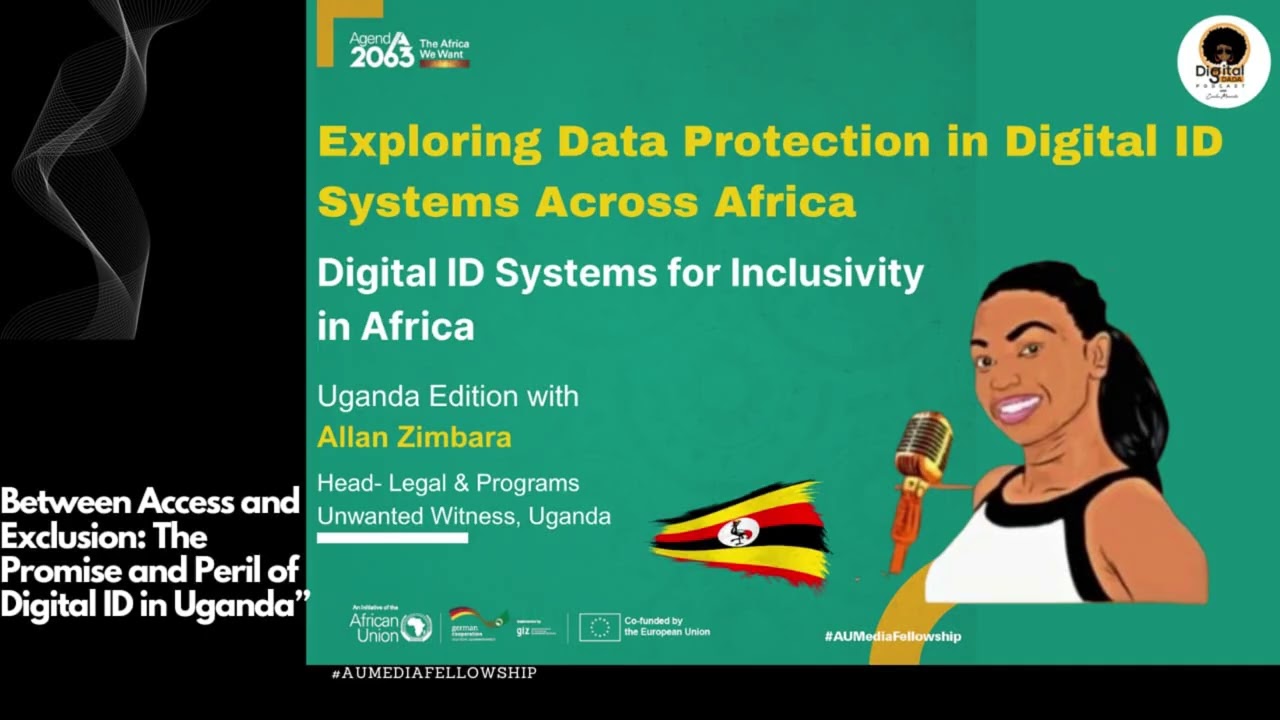
Similarly, Ghana, Rwanda, South Africa, Tanzania, Uganda, Zimbabwe, Senegal, Mauritius, Morocco, Egypt, and others are among countries that have introduced or are developing national IDs with electronic or digital features.[3]
Meanwhile, West Africa has taken a regional approach through the ECOWAS National Biometric Identity Card and the WURI program, which aims to improve access to services across member states.[3]
Therefore, the trend is bigger than any single country. Africa is building a patchwork of national systems that are slowly trying to connect.
Why African digital ID systems matter for business and startups
Digital ID is not only a governance story. It is also a business and innovation story.
Furthermore, fintech startups, banks, telecoms, insurers, and e-commerce platforms all need reliable identity checks to grow safely. Better identity systems can reduce onboarding friction and make it easier to serve first-time users.[1][5]
In addition, digital identity can support new products in mobile money, embedded finance, and cross-border trade tools. That matters in African markets where many businesses still struggle with verification gaps.
Notably, digital ID also supports the wider startup ecosystem by helping companies trust their users faster. For founders, that means lower fraud risk and stronger customer growth.
What this means for African tech startups
Startups in identity verification, regtech, healthtech, and fintech stand to benefit the most. They can build services that plug into national ID rails, provided regulators allow safe access.
Moreover, entrepreneurs should pay attention to interoperability. If a platform works in one country but cannot scale across borders, it will struggle in a continent-wide market.[3]
As a result, the best opportunities may come from products that work with public systems rather than around them.
Discover more innovation stories in Technology, Featured Videos, and Society & Human Rights.
The biggest risks inside African digital ID systems
However, the promise of digital ID comes with real risks. Recent research and policy guidance point to privacy loss, data breaches, exclusion, and weak oversight as the main concerns.[1][2][4]
In particular, biometric systems can fail if data quality is poor or if enrollment is uneven. When that happens, marginalized groups may be locked out of services instead of brought in.[4][6]
Moreover, some systems collect too much data or centralize it in ways that raise surveillance concerns.[4]
- Privacy risk: personal and biometric data can be misused if laws are weak.[1][4]
- Exclusion risk: people without documents, phones, or stable access may be left behind.[2][6]
- Security risk: weak databases can expose sensitive identity data.[4]
- Trust risk: citizens may resist systems they do not understand or control.[1][4]
Consequently, the question is not whether digital ID should exist. The real question is how governments build it.
What good governance looks like
According to open government guidance, states should carry out strong human rights and privacy impact assessments before launching digital ID programs.[4]
Additionally, governments should limit biometric collection when they cannot guarantee secure storage and accurate use.[4]
Importantly, digital ID should not replace older identity routes overnight. Citizens should still have non-digital ways to prove who they are.[4]
That balance matters because Africa’s digital future must include people in rural areas, informal settlements, and low-connectivity regions.
How regional bodies are shaping African digital ID systems
Regional coordination is becoming a major part of the story. The African Union has recognized digital identity as a cross-cutting priority for the continent’s digital ecosystem.[3]
Furthermore, the AU, along with partners such as Smart Africa, the World Bank, GIZ, and the UN Economic Commission for Africa, has supported work on interoperability standards and common requirements.[3]
That push matters because fragmented systems create friction. If every country builds a closed system, cross-border trade and regional mobility become harder, not easier.[1][3]
Meanwhile, regional programs like ECOWAS identity projects show how identity can support free movement and service access across borders.[3]
Why interoperability is the real prize
Interoperability means one system can communicate with another. For citizens, that can mean fewer repeated registrations and smoother access to services when moving within the continent.[3]
Moreover, it can help banks, insurers, and public agencies verify people faster while still following local laws.
Therefore, the future of digital ID in Africa may depend less on who builds the biggest database and more on who builds the most trusted network.
What citizens should watch before embracing digital ID
Before you sign up for any digital ID program, look at five things: purpose, privacy, access, redress, and choice.
- Purpose: ask what the system is meant to do and who can use it.
- Privacy: check what data it collects and how long it keeps that data.
- Access: confirm whether people without smartphones or biometrics can still enroll.
- Redress: find out how errors get fixed when records are wrong.
- Choice: see whether the system is voluntary or required for basic services.[4]
Meanwhile, citizens should demand clear laws, transparent procurement, and public oversight. Those safeguards build trust faster than slogans ever will.[4]
Additionally, civil society, media, and tech communities have a role to play. They can explain how systems work and push for better design.
What this trend means for African audiences now
For African audiences, the digital ID shift touches more than bureaucracy. It affects your ability to bank, travel, study, vote, and receive care.
Furthermore, the upside is real if governments get the design right. Better identity systems can help more people join the formal economy and access services faster.[1][5]
However, poor systems can deepen inequality if they treat identity as a gate instead of a bridge.[2][6]
That is why the current moment matters so much. Africa is not just digitizing IDs; it is deciding who gets to participate in the digital state.
Read more about this issue in Technology, Business & Economy, and Opinion & Editorial.
Explore More on Topping Africa
- Technology — Follow the digital tools shaping African life.
- Business & Economy — Discover the money, fintech, and startup angle.
- Politics & Governance — Read more on policy, public systems, and state reform.
Share your thoughts below: should African digital ID systems be mandatory or voluntary? Subscribe for more clear explainers on the tech changing Africa.
For deeper reading, explore the UNECA Africa Digital Identity Landscape Report, the Open Government Partnership guide, and the Global Voices explainer.
Ultimately, the next phase of African digital ID systems will shape how easily citizens prove who they are, and how safely governments handle that proof.

Staff
Contributing writer at Topping Africa.
0 Comments
No comments yet. Be the first to share your thoughts!