
Uganda’s Museveni Secures Seventh Term as Opposition Rejects Election Outcome
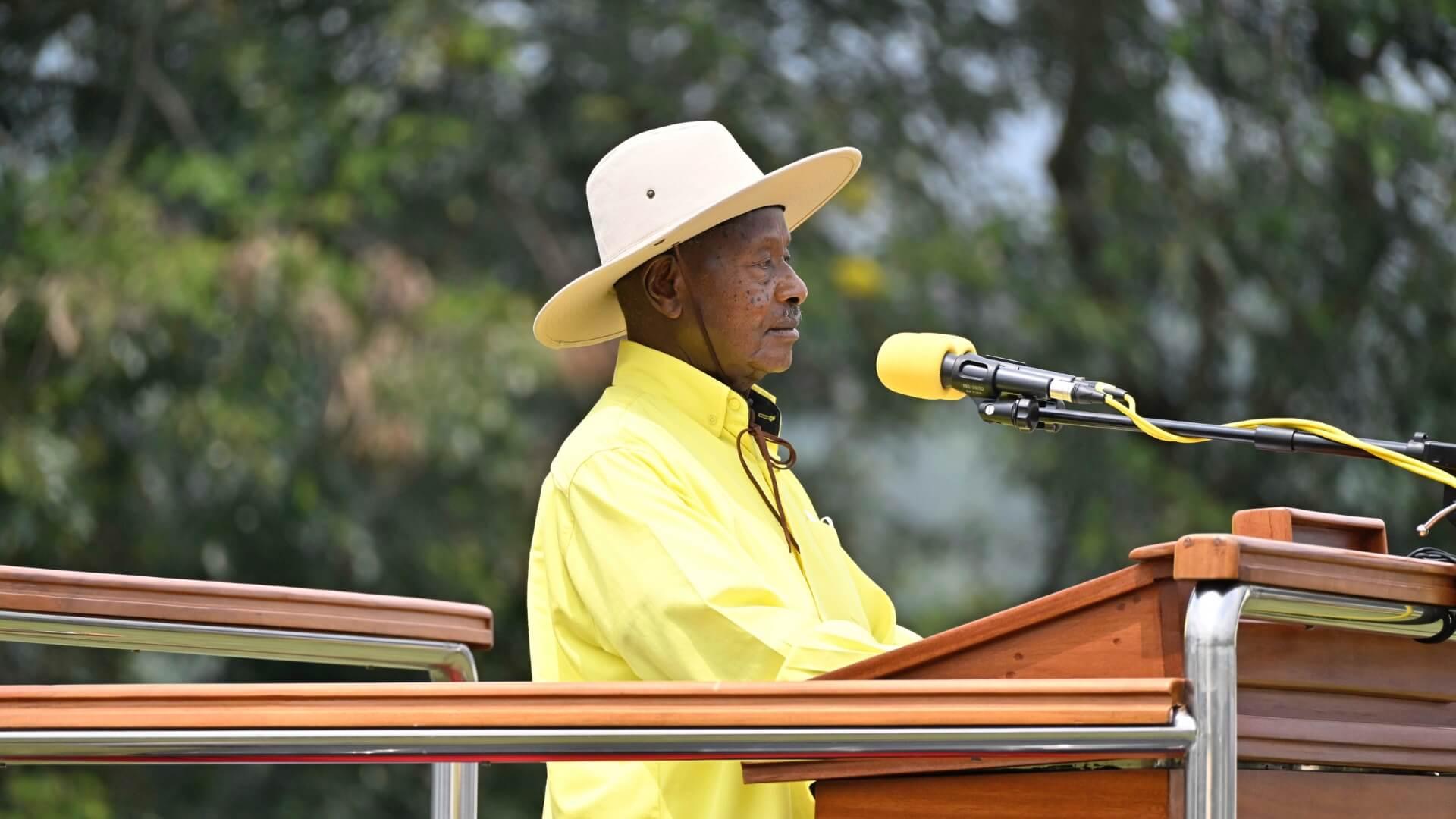
Uganda’s 2026 presidential election has returned Yoweri Museveni to power for a seventh term, with official results placing him above 70% of the vote and turnout just above half of registered voters.
KAMPALA, UGANDA — 2026-01-20
Uganda’s Electoral Commission has declared President Yoweri Museveni the winner of the 15 January presidential election, handing the 81-year-old leader a seventh consecutive term in office, according to official tallies and regional observer briefings. Opposition candidate Bobi Wine and his National Unity Platform have rejected the result as fraudulent and called for peaceful public resistance, according to media interviews and party statements.
Election results and turnout
Uganda’s Electoral Commission said Museveni secured about 71.6% of valid votes, with roughly 7.95 million ballots cast in his favour. Bobi Wine, whose legal name is Robert Kyagulanyi, was announced as the main challenger with about 24–25% of the vote in the final count.
Commission data indicated that approximately 11.37 million votes were cast from a register of about 21.6 million voters, translating into a turnout of roughly 52.5%. Analysts and observers noted that this is the lowest participation rate since Uganda restored multi-party politics, raising concerns about voter apathy and access, especially in opposition strongholds.
Opposition rejection and tensions
Bobi Wine has publicly dismissed the results as “fake” and “fabricated,” alleging ballot stuffing, intimidation, and manipulation of tallies, though he has not released full documentary evidence to the press. Speaking from a concealed location, he told the BBC he would not file a court challenge, citing what he described as a compromised judiciary. Instead, he urged Ugandans to pursue peaceful protest and all lawful avenues to “resist and safeguard their democracy.”
Authorities have continued to detain and charge opposition supporters, with more than 100 members of the largest opposition party facing counts including unlawful assembly linked to alleged election‑related violence, according to court and police reports cited by Reuters. Security agencies have tightened their posture around key opposition figures, while rights groups have raised concerns about the health and detention conditions of veteran opposition leader Kizza Besigye.
Observer and regional reactions
A joint preliminary mission from the African Union, COMESA, and IGAD reported that voting and counting were generally calm and more peaceful than in 2021, praising voter patience and the professionalism of many polling staff. However, the mission and separate AU statements criticised the multi‑day internet shutdown, the heavy role of security forces, arrests of opposition activists, and questions over the independence of the Electoral Commission.
The Uganda Human Rights Commission acknowledged “technical and procedural” problems on polling day but said they did not, in its assessment, undermine the overall integrity of the election. Outside Uganda, supporters of the National Unity Platform have staged demonstrations, including a protest outside the Ugandan High Commission in Pretoria, a rejecting the result and calling for greater international scrutiny.
Context for Africa and the region
Museveni’s latest victory extends a tenure that began when he took power as a rebel leader in 1986, making him one of Africa’s longest‑serving presidents. Uganda has yet to see a peaceful transfer of presidential power since independence, a record that continues to shape debates about term limits, succession, on and democratic consolidation across the continent.
The election opened Africa’s 2026 electoral calendar and has been closely watched by leaders and civil society in East Africa and beyond, as governments balance stability concerns against rising demands for alternation of power. Observer reports highlighting internet shutdowns, security‑force deployments, and restrictions on opposition activities echo patterns seen in other African states, reinforcing regional calls for stronger continental norms on digital rights, electoral transparency, and incumbency advantage.
What’s next
Following the final declaration by the Electoral Commission and the issuance of a certificate of election at Museveni’s country home in Rwakitura, preparations areunderwayy for his inauguration to begin a new term. The AU Peace and Security Council is scheduled to consider a half‑year report on elections in Africa, which includes the Uganda poll, in sessions in late January, offering a forum for member states to review observer findings and recommendations.
Opposition parties have signalled plans to prioritise peaceful mobilisation, targeted legal challenges in specific constituencies, and international advocacy rather than a single national petition, according to their public statements. Human rights organisations and legal groups in Uganda and across Africa are monitoring post‑election arrests, internet governance ,e and security‑force conduct as indicators of how the next phase of Museveni’s rule will shape political space in the region.
Staff
Contributing writer at Topping Africa.
0 Comments
No comments yet. Be the first to share your thoughts!