
Top 10 Rising African Content Creators Turning Clout Into Cash in 2026
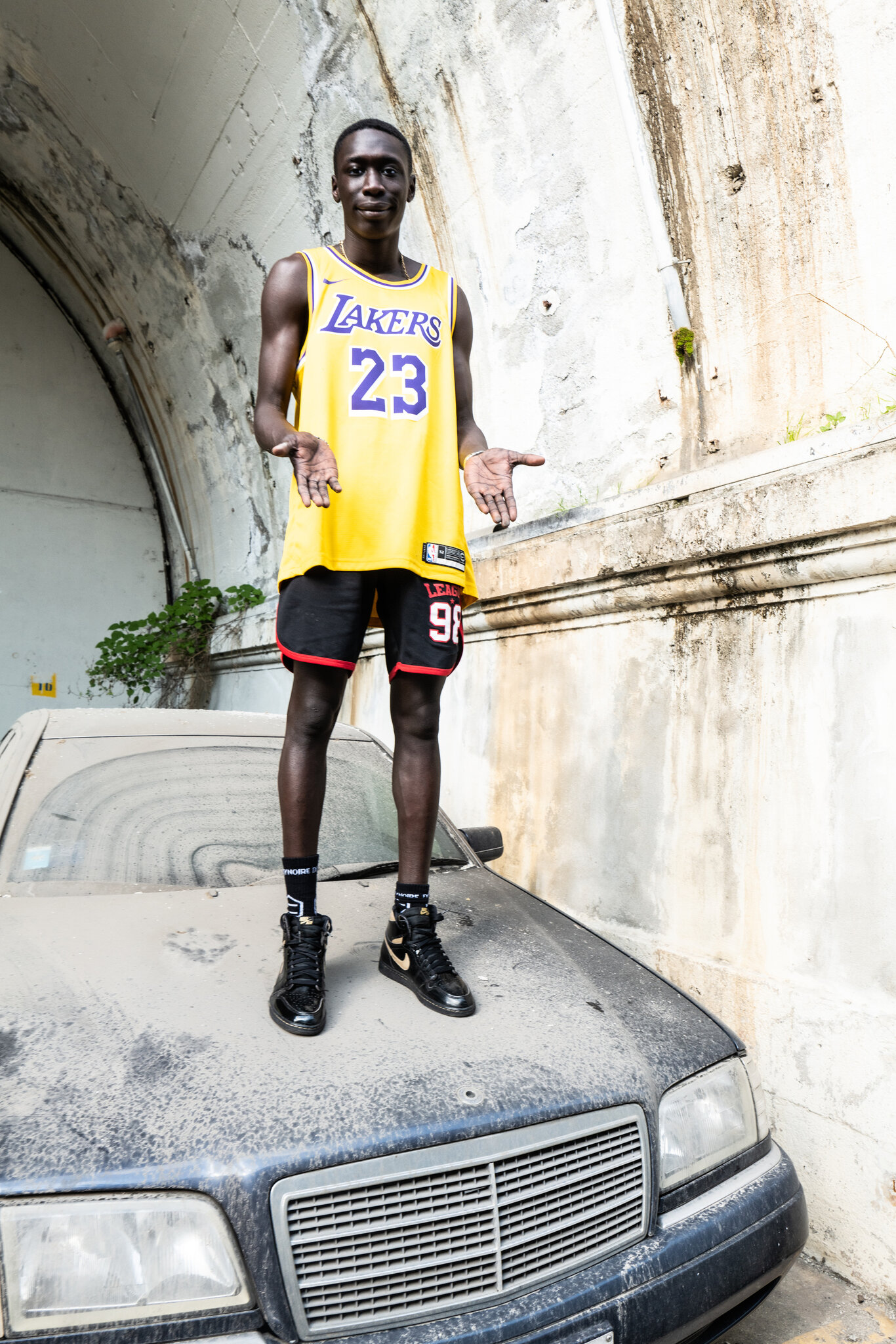
Meet 10 rising African content creators who turned TikTok and Instagram clout into real money in 2026. Discover how they land brand deals, launch products, and shape Africa's fast-growing creator economy.
Meet the rising African content creators defining 2026
The new wave of rising African content creators is not waiting for permission. Instead, they are turning views into real money, building brands on TikTok and Instagram, and signing global deals at record speed. Moreover, they are doing it with a distinctly African voice that blends tech, fashion, music, comedy, and culture. If you want to understand where the creator economy in Africa is heading next, these are the names you need to know.
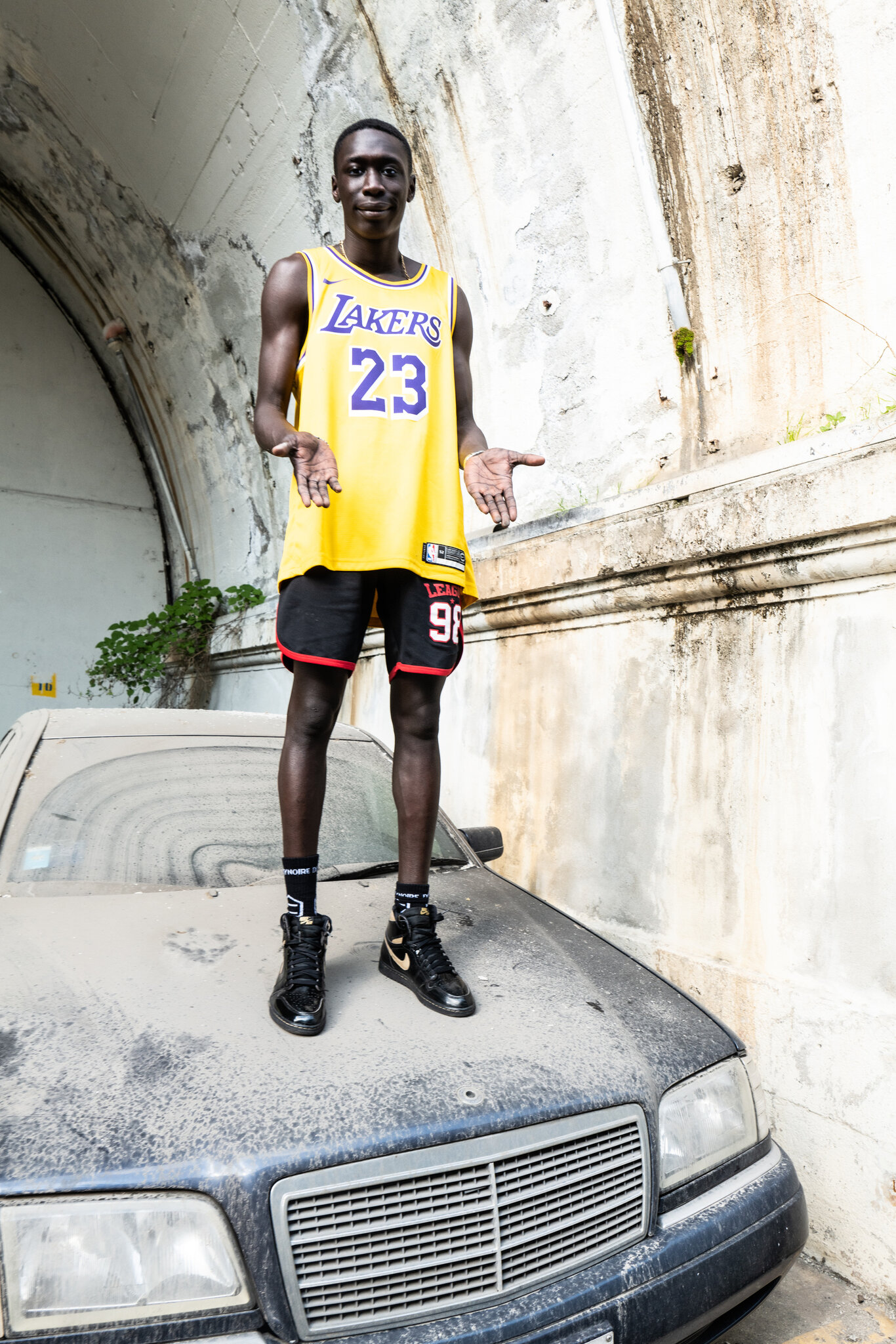
Today, brands and fans both want fresh faces, niche storytelling, and data-backed impact. Consequently, this is the first generation of African creators that scales fast across borders in 12–18 months, then quickly turns clout into cash. In this guide, you will discover 10 fast-rising African TikTok and Instagram stars already landing brand partnerships, launching products, and collaborating with global platforms. Furthermore, you will see how they represent a bigger shift in African innovation, tech, and influencer culture.
Why rising African content creators matter in 2026
Across the continent, creator earnings are finally catching up with attention. According to a 2025 report by Influencer Marketing Hub, global creator economy spending continues to grow, and African creators are a key part of that story. Furthermore, countries like Nigeria, Kenya, and South Africa now rank among TikTok's most engaged markets, opening new revenue paths for local talent. As a result, the next generation of influencers looks less like traditional celebrities and more like entrepreneurs.
Importantly, most of these rising stars are not yet over-exposed. Therefore, they offer brands better engagement, more authentic content, and lower costs than established mega influencers. Many of them also sit at the intersection of technology and innovation, using tools like social commerce, live shopping, and short-form video analytics to grow. Additionally, their audiences are young, urban, and mobile-first, which makes them especially valuable for African tech startups, fashion labels, fintech apps, and streaming platforms.
If you work in Business & Economy, marketing, or entertainment, these creators are a snapshot of where African influence is going. Moreover, they show how Gen Z and young millennials turn side hustles into full-scale media businesses. Ultimately, understanding this list helps you spot the next big partnership, sponsorship, or creative collaborator early.
How we selected these top rising African content creators
This list focuses on TikTok and Instagram creators who have grown quickly during the last 12–18 months and already turned attention into income. Specifically, we looked at creators who:
- Show strong follower or view growth since early 2024.
- Land visible brand deals, product launches, or paid collaborations.
- Tell African stories in fresh ways across tech, fashion, music, comedy, and lifestyle.
- Maintain active, engaged communities rather than only viral one-offs.
Additionally, we considered geographic spread, platform mix, and niche diversity so you can discover talent across West, East, Southern, and North Africa. Whenever possible, we drew on platform metrics, brand announcements, and media coverage from sources like TikTok for Business and creator economy reports. However, numbers change fast, so think of this more as a spotlight than a final ranking. As a result, you should use this as a starting point, then explore each creator’s feed yourself.
Importantly, these are not the usual mega names that appear on every list. Instead, they are creators in that exciting middle space: big enough to move markets, still hungry enough to experiment. If you are looking for who to collaborate with next, this is where you begin. Furthermore, you can keep checking Technology and Entertainment on Topping Africa for future updates and deeper profiles.
Top 10 rising African content creators turning clout into cash
Below, you will find 10 creators from Nigeria, Kenya, South Africa, Ghana, and beyond who show how fast the African creator economy is evolving. Moreover, each one illustrates a different playbook: from comedy and dance to tech explainers, fashion drops, and music-led trends. Use this list to discover new talent, benchmark your own strategy, or plan your next brand brief.
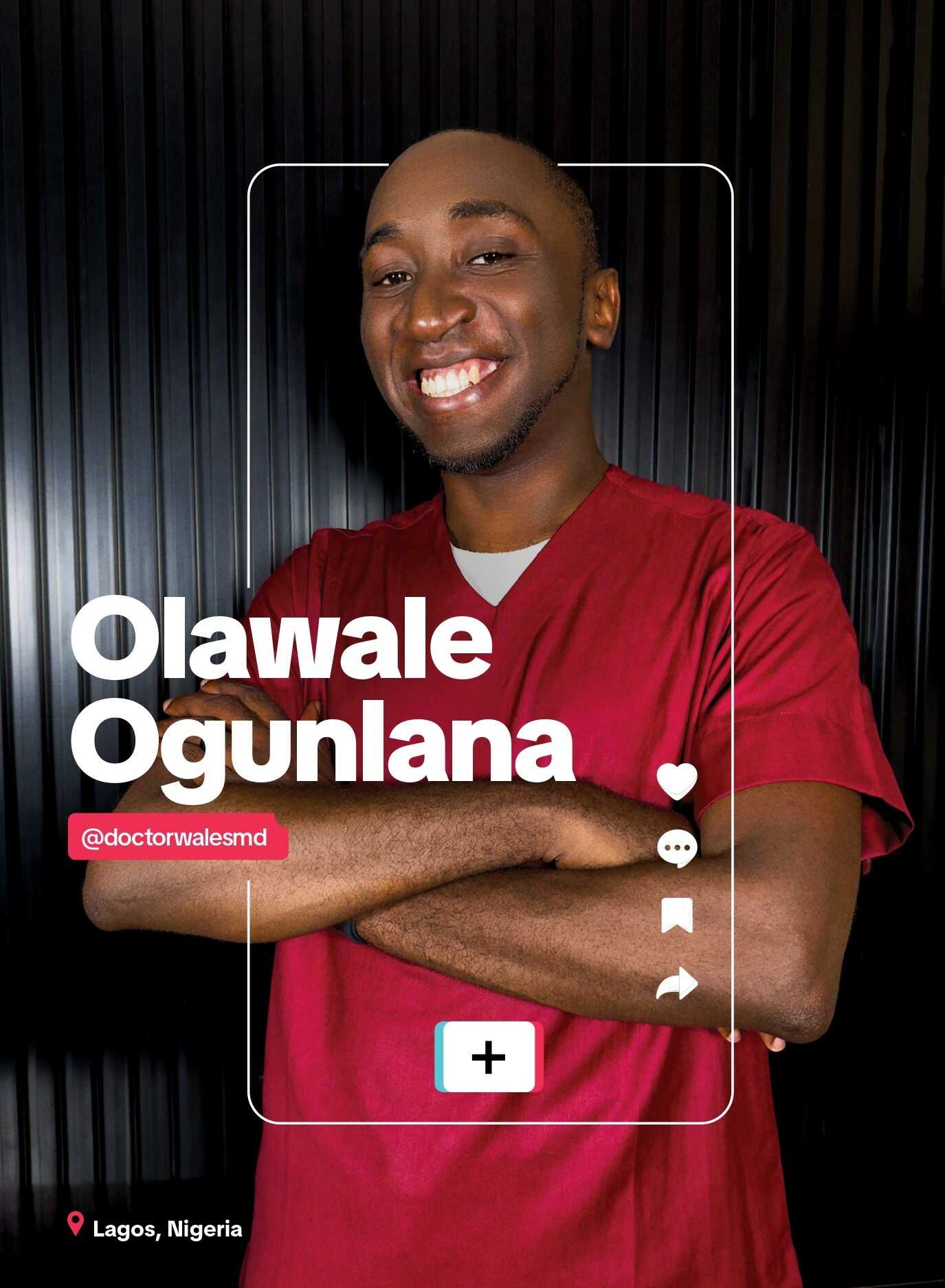
1. Khaby Lame (Senegal/Italy) – The blueprint for silent comedy and global brand deals
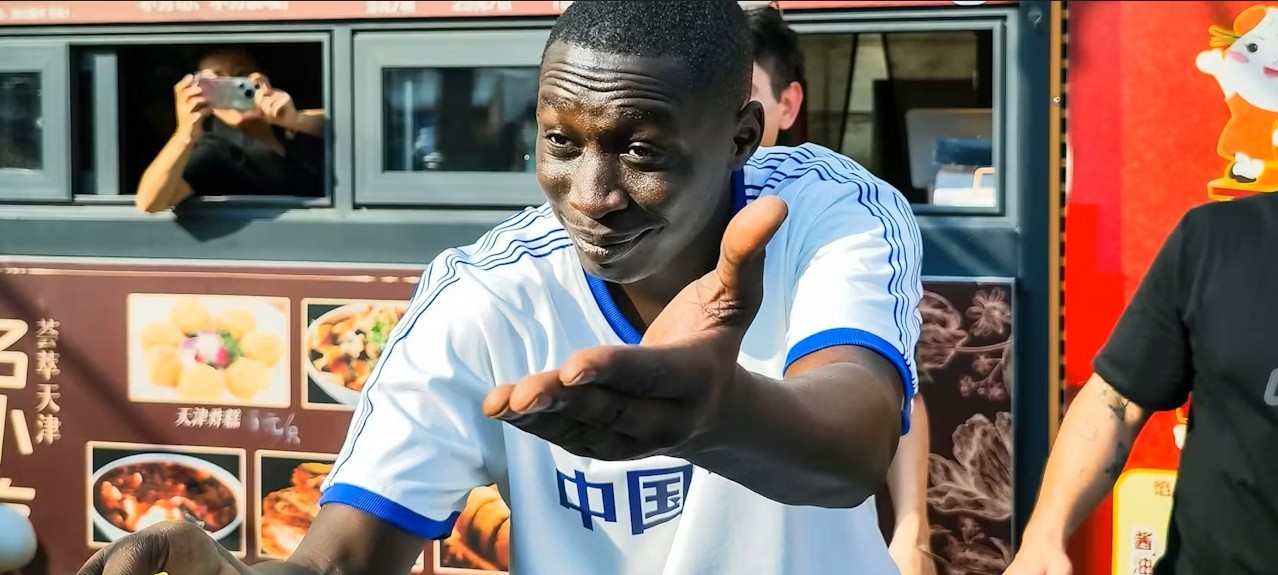
Khaby Lame may live in Italy, but his roots in Senegal and his global TikTok dominance still make him a critical reference point for African creators. In 2025 and 2026, he continues to rank among TikTok's top-followed accounts worldwide, with partnerships ranging from fashion houses to tech brands. Furthermore, his wordless comedy style travels effortlessly across languages, which is exactly why marketers love him.
More recently, Khaby has leaned deeper into long-term collaborations, including clothing lines and gaming partnerships. Consequently, his journey shows rising African creators how to move beyond one-off sponsored posts into equity deals, licensing, and product design. If you want a model for scaling from viral skits to a global entertainment IP, Khaby is still the clearest case study. Additionally, he proves that African heritage can anchor a worldwide brand without being reduced to a stereotype.
For you as a marketer or founder, Khaby’s story is a reminder to look at cross-border African talent, not only creators based on the continent. Moreover, his success nudges platforms and agencies to scout more deeply across West Africa and the Sahel for the next wave of silent comedy geniuses.
2. Bontle Smith (South Africa) – Dance challenges, amapiano, and lifestyle monetisation
South African dancer and performer Bontle Smith has used TikTok and Instagram to amplify the global rise of amapiano. Over the past 18 months, you likely saw her choreography in countless dance challenges, brand campaigns, and tour content. Moreover, she blends professional dance with everyday lifestyle posts, which makes her feed feel both aspirational and relatable.
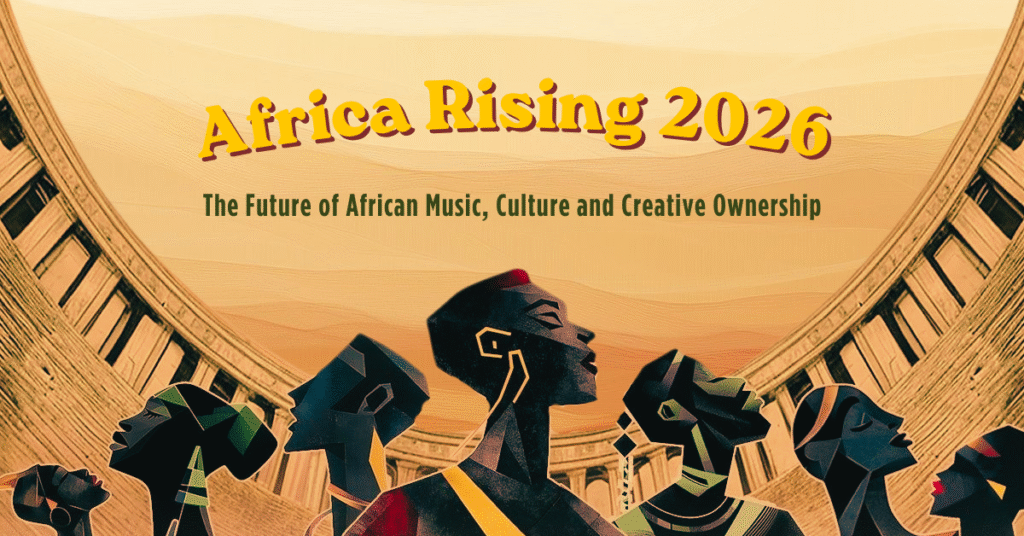
Crucially, Bontle turns that visibility into revenue through tour partnerships, fashion endorsements, and music promotions. Additionally, she often collaborates with DJs and producers, boosting streams while securing performance and campaign fees. Her success reflects how music creators and dancers in South Africa treat TikTok as a core marketing channel rather than a side project. As a result, labels and advertisers now budget specifically for creators like Bontle when they plan amapiano pushes.
If you are a rising dancer or musician in Africa, her playbook is clear. Start tight with a niche, lean into short, catchy formats, then attach those to live events and product collaborations. Furthermore, keep your brand friendly enough for both corporate partners and youth-focused campaigns.
3. Elsa Majimbo (Kenya) – Comedy, fashion, and luxury crossovers
Kenyan comedian Elsa Majimbo exploded during the pandemic, and she spent the last few years turning that fame into strategic luxury and fashion deals. More recently, she has doubled down on Instagram reels, TikTok sketches, and brand content with global houses. Consequently, she shows young African comedians that they can move from homemade videos to blue-chip endorsements without losing their voice.
Elsa’s partnerships with fashion and lifestyle brands demonstrate how African humour can travel into high-end spaces. Additionally, she drives revenue through campaigns, speaking engagements, and IP development around her persona. While she might not post at the same frantic pace as a new TikTok creator, each of her projects tends to be bigger and more curated. Therefore, she represents the path from viral fame to long-term selective influence.
For brands targeting global-minded African Gen Z audiences, Elsa is a strong case for premium creator storytelling. Furthermore, her success helps open doors for other African comedians blending internet humour with fashion, tech, or social commentary.
4. Nigerian tech explainer creators – The new faces of African fintech and crypto
Beyond celebrity-style creators, a powerful wave of Nigerian tech explainers is gaining traction on TikTok and Instagram. These creators break down topics like mobile banking, savings apps, Web3, AI tools, and side-hustle platforms in simple, 30–60 second clips. Moreover, they often focus on real African use cases, from cross-border remittances to SME financing and digital safety.
Many of them now partner directly with fintech startups, crypto exchanges, and savings platforms to create educational series. As a result, they generate revenue from sponsored videos, affiliate links, and sometimes advisory roles. Platforms like TikTok regularly highlight such creators in LearnOnTikTok-style programmes, which further boosts their visibility. Additionally, their content helps young Africans navigate an increasingly complex digital finance landscape.
If you run a fintech, you should already be mapping this cohort and tracking who is trending in your key markets. Furthermore, these creators are ideal for financial literacy campaigns, app launches, and product explainers designed for mobile-first audiences. To explore more tech-driven stories like this, you can read our coverage in Technology and Business & Economy.
5. East African fashion and thrift influencers – Turning style hauls into stores
Across Nairobi, Kampala, and Dar es Salaam, a new class of fashion-forward creators is reshaping how young Africans shop. These rising African content creators focus on thrifting, local designers, and day-in-the-life styling clips that rack up high engagement. Moreover, they often cross-post between TikTok and Instagram to maximise reach and monetisation.
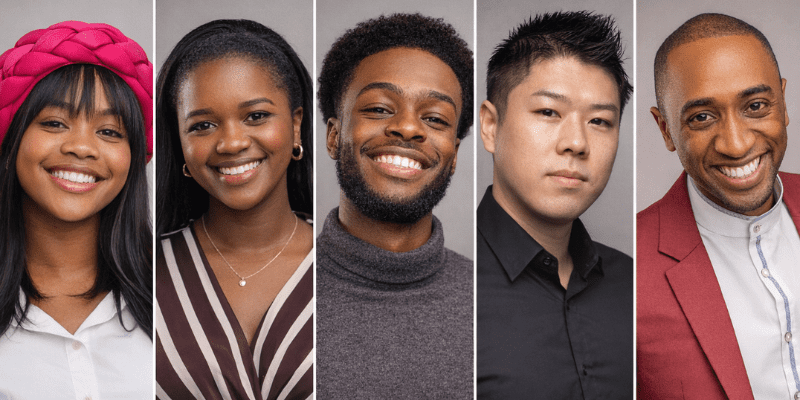
Many of them have already launched online thrift stores, drop collections with local brands, or run Instagram Shops tied to their content. Consequently, a simple “outfit of the day” reel becomes both an inspiration and a direct sales funnel. Partnerships with African beauty brands, hair salons, and smartphone makers further expand their income streams. Additionally, by spotlighting regional markets and local labels, they help grow the broader African fashion ecosystem.
If you are in fashion or beauty, these creators give you instant access to highly targeted, style-conscious communities. Furthermore, their content often performs better than traditional lookbooks or static ads because it feels like a friend sharing honest finds. To discover similar culture and style stories, explore Culture & Lifestyle on Topping Africa.
6. Francophone comedy creators – Skits, characters, and regional brand deals
From Abidjan to Dakar, Francophone comedy creators are quickly scaling on TikTok through character-based skits and relatable everyday stories. These creators often juggle multiple personas, catchphrases, and short running series that keep fans returning daily. Furthermore, they frequently collaborate with each other, which helps them tap into wider West and Central African audiences.
Brands in telecoms, FMCG, and banking are increasingly plugging into this ecosystem with campaigns in French and local languages. As a result, top performers secure recurring brand ambassador roles, event appearances, and regional tour sponsorships. Their quick rise illustrates a broader shift where non-English African creators finally receive more attention from global platforms and advertisers. Additionally, it highlights how much untapped commercial potential still exists in Francophone Africa.
If you are a brand with a pan-African strategy, you can no longer ignore Francophone TikTok and Instagram. Moreover, partnering early with these comedians allows you to shape creative concepts together rather than simply dropping product placements. You can then measure impact using metrics like watch time, comments, and regional sales lifts.
7. South African lifestyle and travel creators – From local getaways to tourism campaigns
South Africa’s stunning landscapes, food scene, and urban culture make it a natural playground for lifestyle creators. Over the last year, multiple TikTok and Instagram accounts focused on local getaways, hidden restaurants, and weekend itineraries have surged in popularity. Moreover, many of these creators film and edit everything on smartphones, proving how lean the production pipeline can be.
Tourism boards, boutique hotels, and airlines have responded by commissioning dedicated content campaigns. Consequently, creators now earn both from sponsored trips and from structured content partnerships that span multiple posts and platforms. Some even package their footage into tourism reels and ad-ready short clips, creating a new revenue stream. Additionally, they sell presets, travel guides, and itineraries through link-in-bio tools.
If you are in travel or hospitality, these storytellers are your best route into young African leisure travellers. Furthermore, they help reposition African destinations as year-round, experience-rich, and safe for solo and group trips. When you are ready to explore more travel and lifestyle trends, make sure you also explore Culture & Lifestyle and Sports for adventure and outdoor stories.
8. Afrobeat and amapiano dance duos – Viral choreography as a business model
Short-form dance duos from Nigeria and South Africa now anchor many afrobeat and amapiano release campaigns. These creators develop choreography, seed it on TikTok, then watch it cascade into user-generated videos worldwide. Furthermore, labels track which choreographies stick, then invest more ad spend and influencer collaborations around those moves.
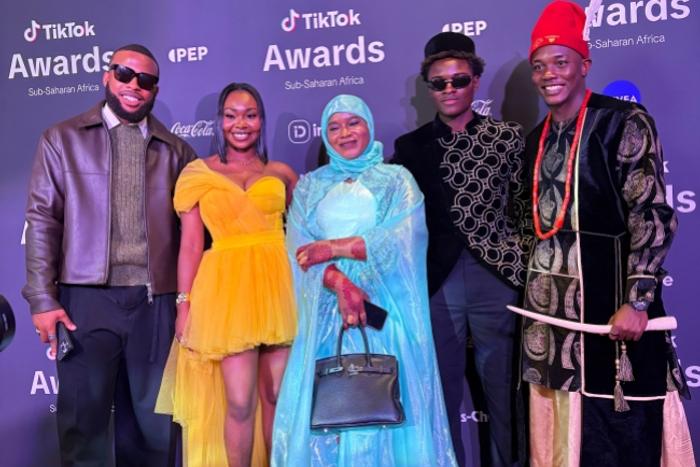
For the creators, this unlocks revenue beyond standard brand deals. They charge for choreo creation, music video appearances, tour support, and even dance tutorials. Additionally, some launch online classes and subscription communities where fans pay to learn routines and behind-the-scenes tips. As a result, dance creators who once depended on in-person gigs now run diversified digital businesses.
If you are an artist, consider budgeting for a choreographer creator as early as you budget for PR. Moreover, involve them before the song drops so they can help shape hooks that translate well into repeatable moves. This kind of collaboration often drives stronger TikTok performance than traditional promo tactics alone.
9. Skincare, hair, and wellness creators – Building trust, then launching products
Beauty and wellness creators across Africa are moving from honest reviews to full-scale product lines. Many start with simple routines, ingredient breakdowns, and “day in my skin” content. Moreover, they focus heavily on conditions common among African audiences, like hyperpigmentation, protective styling, and natural hair maintenance.
Once they earn trust, they collaborate with laboratories and manufacturers to release co-branded or fully owned product lines. Consequently, their TikTok and Instagram accounts become both marketing channels and market research tools. Followers shape product formulations through polls, comments, and direct feedback loops. Additionally, creators often distribute through e-commerce platforms and physical stockists, blending digital and offline reach.
If you are in beauty, these creators are now as important as traditional dermatology campaigns for young consumers. Furthermore, they help local brands compete with imported products by proving efficacy on African skin and hair in real contexts. To read more about health and wellbeing trends, you can also explore Health & Wellness on Topping Africa.
10. Education and career creators – Turning practical advice into scalable courses
Finally, a fast-growing segment of African creators focuses on career growth, exams, scholarships, and skills training. These rising African content creators explain CV tips, visa processes, creator monetisation strategies, coding basics, and content editing tricks in short clips. Moreover, they often pair TikTok and Instagram reach with longer YouTube tutorials and email newsletters.
Monetisation for this group goes beyond ads and sponsorships. Many sell digital products like CV templates, masterclasses, cohort-based courses, and e-books. Consequently, they operate more like small education startups than traditional influencers. Partnerships with edtech platforms and universities also create new revenue layers. Additionally, their impact can be measured not just in views but in real life outcomes like scholarships won or jobs secured.
If you are building an edtech or HR-tech venture, these creators are natural allies. Furthermore, they help you test new markets, refine your messaging, and reach motivated learners where they already spend their time. Their success shows that the African creator economy is not only about entertainment but also about opportunity and skill-building.
Key trends shaping rising African content creators in 2026
When you zoom out from the individual names, several clear trends define the 2026 wave of African creators. These patterns matter if you are a marketer, founder, or aspiring influencer yourself. Moreover, they signal where the next big success stories may emerge.
1. Multi-platform presence is now the baseline
Almost none of the leading rising African content creators rely on a single platform. Instead, they treat TikTok as their top-of-funnel discovery engine and Instagram as a hub for deeper community and brand partnerships. Furthermore, many run YouTube channels, podcasts, or newsletters on the side.
Consequently, their business models are more resilient to algorithm changes and feature shifts. They can negotiate better with brands because they offer bundles across platforms and formats. Additionally, they collect richer data on audience behaviour, which helps them pitch and price effectively. For you, the takeaway is clear: if you want to build a sustainable creator brand, you should think cross-platform from day one.
2. Tech and AI tools quietly power creator growth
Behind the scenes, African creators increasingly use AI tools for captioning, translation, editing, and analytics. Tools like auto-cut video editors, AI thumbnail generators, and scheduling dashboards help lean teams produce more content in less time. Moreover, they rely on social listening platforms to track trending sounds and challenges.

According to reports from platforms such as Later, AI-assisted content creation is now mainstream among serious creators worldwide. African influencers are no exception, especially those in tech and business niches. Consequently, the line between creator and tech founder continues to blur. Additionally, many creators test new SaaS tools built by African startups, effectively acting as early adopters and ambassadors.
If you are a startup building tools for creators, this is your moment. Furthermore, partnering with rising African content creators as design partners or beta users can give you fast feedback and strong case studies.
3. Community and niche depth beat follower counts
Increasingly, brands care less about raw follower numbers and more about fit, engagement, and niche influence. A creator with 80,000 highly engaged followers in Lagos, Nairobi, or Accra can outperform a million-follower generalist for certain campaigns. Moreover, the best rising African content creators treat their audience like a community, not a crowd.
They host live sessions, reply to comments, and co-create with followers. Consequently, they can launch products with strong early sales because people feel personally invested. Additionally, this community depth allows them to survive viral peaks and dips without losing core supporters. For you, the lesson is to prioritise meaningful engagement and clear positioning over chasing every trend.
How brands can partner with rising African content creators
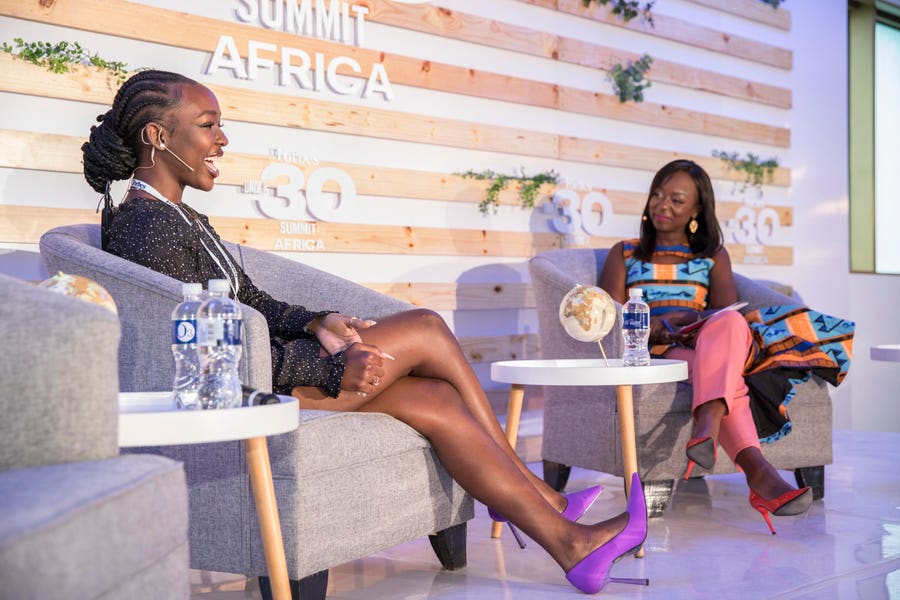
If you work with brands, this is an ideal time to design smarter partnerships with African creators. The ecosystem is still young enough that you can experiment, but mature enough that expectations and rates are clearer. Moreover, you now have a wide mix of niches and geographies to choose from.
Steps to build effective creator collaborations
- Define your goal clearly – Decide whether you want awareness, app installs, sales, or content assets.
- Match creator niche with your product – For fintech, pick tech explainers; for fashion, choose style and lifestyle creators.
- Co-create the concept – Involve creators early so the idea fits their voice and audience expectations.
- Think beyond one-off posts – Plan series, challenges, or live sessions to build momentum.
- Measure what matters – Track saves, shares, comments, and conversions, not only likes and views.
Additionally, consider offering creators value beyond cash. Behind-the-scenes access, equity, co-branded products, and early feature testing can build loyalty and unlock deeper collaboration. Consequently, you may become their long-term strategic partner rather than just another campaign on the calendar. Furthermore, this approach often leads to more genuine, high-performing content.
Explore more on Topping Africa
If this list sparked ideas, you can now dive deeper into Africa’s fast-changing creator and innovation landscape. Moreover, we regularly spotlight new talent, tech startups, and cultural shifts shaping the continent.
- Africa News – Stay updated on the latest shifts that affect creators, platforms, and digital policy.
- Entertainment – Discover more stories about African celebrities, music trends, and viral video culture.
- Technology – Read more about African tech startups building tools for creators and digital businesses.
Additionally, you can explore more features and opinion pieces in our Opinion & Editorial section to see how industry leaders view the future of the creator economy. If you want us to profile a specific creator or scene, share your thoughts and leave a comment on our latest creator story. Furthermore, subscribe to our newsletter so you never miss the next wave of rising African content creators shaping the continent’s digital future.

Staff
Contributing writer at Topping Africa.
0 Comments
No comments yet. Be the first to share your thoughts!