
Top 10 African TikTok and Instagram Political Educators You Should Be Following
A new wave of African political influencers on TikTok and Instagram is making budgets, elections and civic rights easy to understand. Discover 10 powerful educators turning your daily scroll into smart, youth-friendly political insight.
Why African Political Educators on TikTok Matter Right Now
You scroll TikTok and Instagram every day, but how often do you see clear, local political education in your feed? That is where a new wave of African political influencers on TikTok and Instagram step in. They translate budgets, elections, policy jargon and civic rights into sharp, scroll-stopping videos that actually make sense.

Moreover, this new generation of creators turns governance into something you can debate with friends, not just something politicians argue about on TV. Consequently, they help Gen Z and Millennials across Africa understand how power works, why elections matter, and how your voice can shape laws. Additionally, they are building influence the same way lifestyle and comedy creators did, but with a strong civic twist.
In this guide, you will discover 10 standout African political educators using TikTok and Instagram to break down complex issues in simple, creative ways. Furthermore, you will see how they blend influencer culture, smart storytelling and local context to make politics feel close, not distant. If you care about good governance, or you simply want smarter content on your For You Page, these are the creators to watch.
How We Chose These African Political Influencers on TikTok
To build this list, we focused on creators who post consistent, accurate civic content with a clear African lens. Importantly, we looked for educators who explain policies, public budgets, elections, international relations, and everyday rights in short, engaging videos. We also prioritized voices that speak to youth concerns like unemployment, digital rights, student issues and social accountability.
Furthermore, we cross-checked their work against credible media and research sources like Africa Check and International IDEA to see how they talk about facts and misinformation. Additionally, we paid close attention to creators who link civic education to tech, innovation and digital culture, since those themes resonate strongly with young African audiences. For deeper context on youth politics and digital spaces, you can also explore research from Africa Portal.
As a result, this list blends rising TikTokers with more established Instagram educators from across the continent. You will notice a strong presence from South Africa, Nigeria and Kenya, where digital political discourse is especially vibrant. However, we also highlight creators whose content speaks to Pan-African issues, not just one country’s debates.
Top 10 African TikTok and Instagram Political Educators You Should Be Following
Below, you will find 10 creators turning your social feeds into political classrooms without the boring lectures. Notably, this is not a ranking; each educator offers something different, from deep dives on foreign policy to snappy explainers on local elections. Use this as a starting point to curate your own list of must-follow African political influencers on TikTok and Instagram.
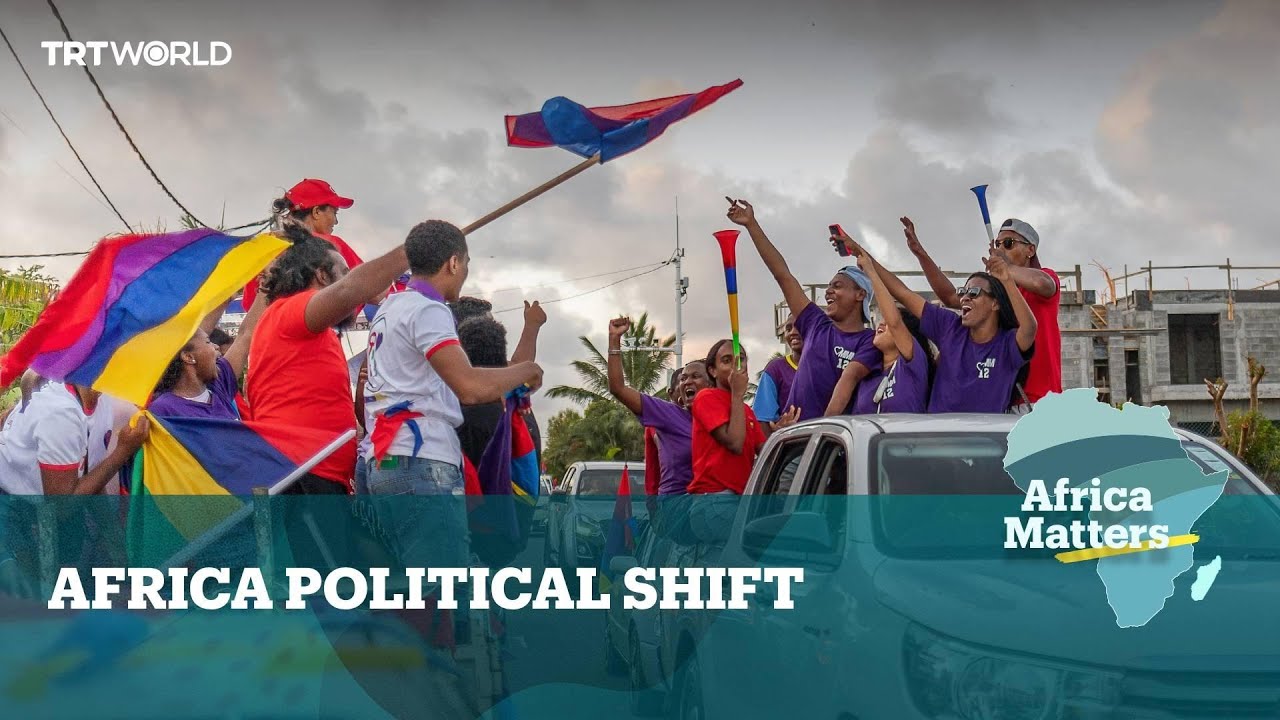
1. Zethu Gqola (@zethugqola, South Africa)
Zethu Gqola is a South African TikTok creator who breaks down politics and international relations in direct, calm and clear language. According to recent profiles of political TikTok educators in South Africa, her content stands out for its focus on credible news and careful sourcing. She tackles everything from gender politics and Parliament updates to shifts in global power that affect African states.
Moreover, Zethu often responds to trending news clips, adding context you do not get from short headlines. Consequently, her account has become a go-to space for young South Africans who want to understand what leaders actually said and why it matters. If you want to upgrade your political vocabulary and gain nuance on heated topics, you should have her on your For You Page.
Why you should follow:
- Clear explanations of South African politics and how global events impact Africa.
- Thoughtful breakdowns of viral videos and news clips, not just hot takes.
- Content that respects your intelligence but still feels easy to follow.
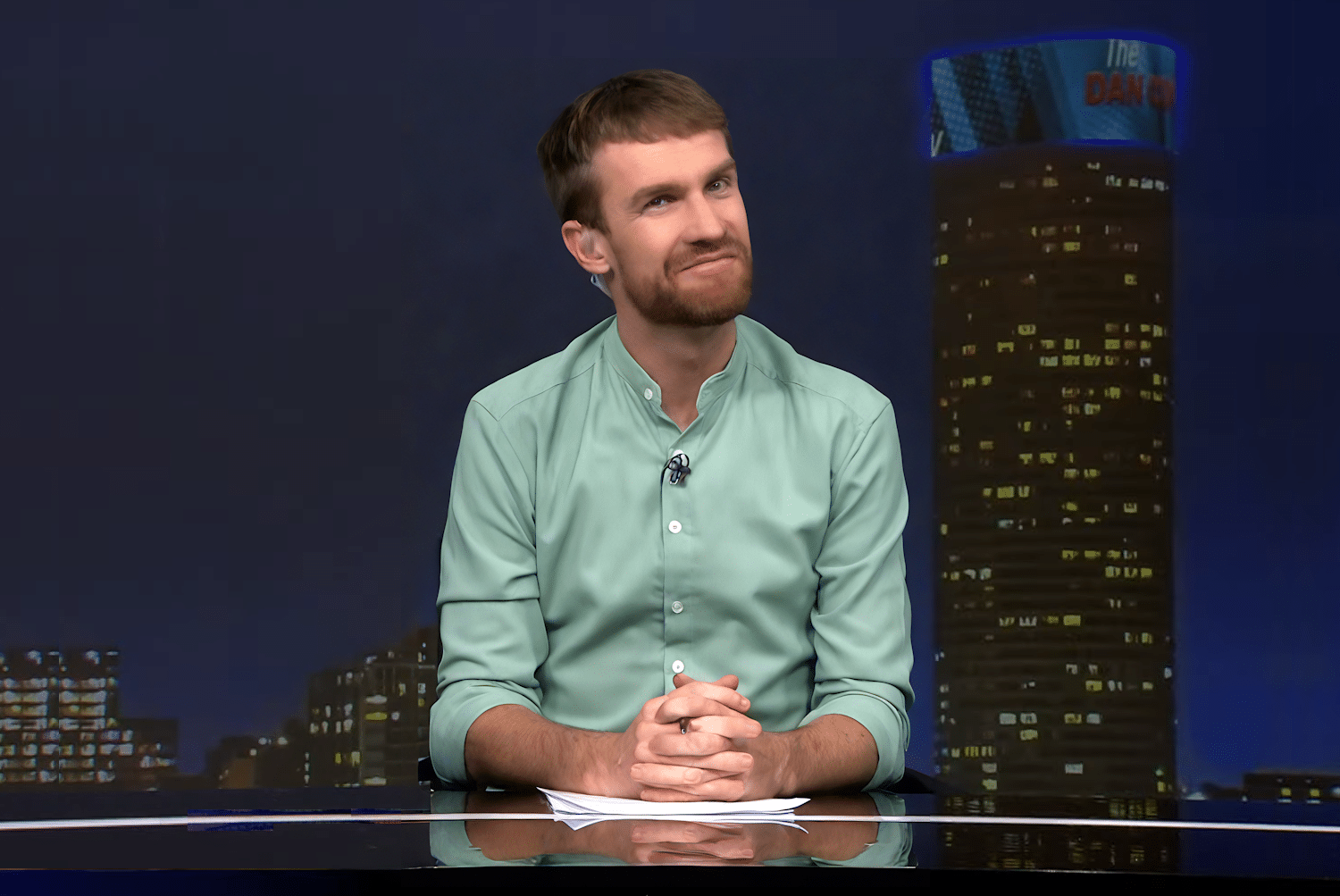
2. Dan Corder (@dancorder, South Africa)
Radio host and digital creator Dan Corder has turned TikTok into a political explainer channel for South African youth. On his account, he simplifies complex political scandals, policy shifts and election issues with quick, well-edited videos. He often uses on-screen text and graphics to guide you through timelines, key actors and what each decision means for ordinary people.
Furthermore, Dan’s style blends news, analysis and entertainment in a way that fits perfectly into short-form video culture. He asks the questions many young viewers think but rarely say out loud, and he explains political processes without talking down to his audience. As a result, he has become one of the most visible digital political educators in South Africa’s youth media scene.
Why you should follow:
- Fast, sharp explainers on breaking political stories in South Africa.
- Strong use of TikTok formats to keep heavy topics light and engaging.
- Great entry point if you are new to political content and want context, not chaos.
3. AfricanLiberal / Young Policy Commentators (Pan-African)
Across TikTok and Instagram, a growing cluster of young African commentators focuses on liberal democracy, human rights and economic policy. Many of these accounts use names like AfricanLiberal, PolicyNerd or AfricanConstitution to signal their focus on ideas rather than personalities. They post threads of short videos that unpack things like separation of powers, checks and balances, and budgeting.
Moreover, they often connect local debates to global frameworks from the African Union or the United Nations. Consequently, you get a strong sense of how domestic decisions fit into wider trends in governance and development. While follower numbers vary, the content quality in this mini-ecosystem is rising fast and deserves more attention.
Why you should follow:
- Consistent civic education content built around rights, institutions and accountability.
- Pan-African lens that compares reforms across different countries.
- Good starting point if you want to get into policy, law or governance careers.
4. Campus Civic Voices (Nigeria, Kenya, Ghana)
On many African university campuses, student leaders and campus journalists now use TikTok and Instagram to explain student politics and national issues. For instance, Nigerian and Kenyan student union reps post videos on fee changes, voting on campus, and how policies in capital cities hit young people. They use street interviews, stitched reactions and duets to show real student reactions, not just official statements.
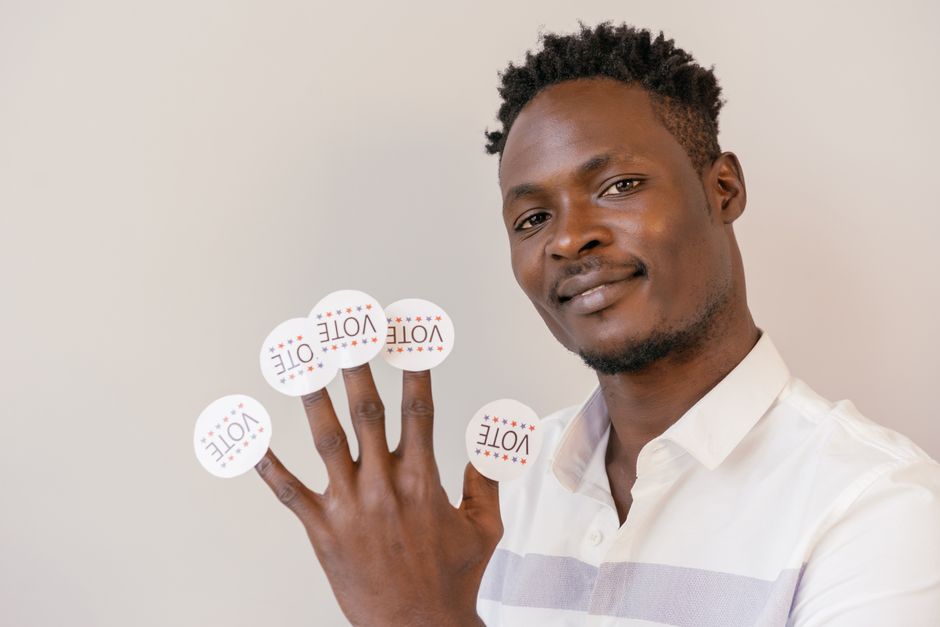
Additionally, these accounts help you understand how national debates about education funding, unemployment and digital policy land in real student lives. They also encourage voter registration, issue-based debates and youth participation in campus governance. If you want to see how political education looks at ground level, campus civic creators are a must-follow.
Why you should follow:
- Relatable, real-world examples of how policy decisions affect students.
- Fresh perspectives from young organizers who live the issues every day.
- Great place to learn how to run campaigns, debates and advocacy on campus.
5. Budget Breakdown Creators (Kenya, Nigeria, South Africa)
Every year, African governments publish national and local budgets that feel impossible to read. However, a new group of TikTok and Instagram creators now turns those long PDF files into easy-to-digest budget breakdown videos. They highlight where money is going, what changed from last year and which sectors benefit or lose out.
For example, during recent budget seasons in Kenya and Nigeria, creators posted side-by-side graphics of allocations to health, education, tech and youth programs. Additionally, they explained how inflation, debt and tax changes show up in your daily life. Consequently, these explainers help you see budgets as a tool you can question, not just elite documents for economists.
Why you should follow:
- Simple visuals that turn complex numbers into clear trends.
- Focus on how budgets affect jobs, startups, schools and basic services.
- Helpful content if you care about entrepreneurship, public spending and accountability.
6. TikTok Fact-Checkers and Myth Busters
As political content explodes on TikTok across Africa, misinformation grows just as fast. In response, some creators have become fact-checkers, using short videos to debunk viral political myths and fake news. They often collaborate with or reference outlets like Africa Check and local fact-check desks in newsrooms.
Moreover, these influencers show you how to verify images, check sources and question out-of-context clips. They walk you through step-by-step checks, from reverse image search to reading full documents instead of just one screenshot. Ultimately, they help build a more digitally savvy audience that can enjoy political content without falling for every rumor.
Why you should follow:
- Regular takedowns of fake political claims and misleading videos.
- Practical skills you can use to verify content yourself.
- Important support if you share political content and want to stay credible.
7. African Policy Explainers Focused on Tech and Innovation
Across the continent, digital policy is now political. Consequently, creators with a focus on tech and innovation have started to explain data protection laws, fintech regulation, AI policy and social media rules on TikTok and Instagram. They speak to founders, developers and creators who want to know how new laws will affect their work.
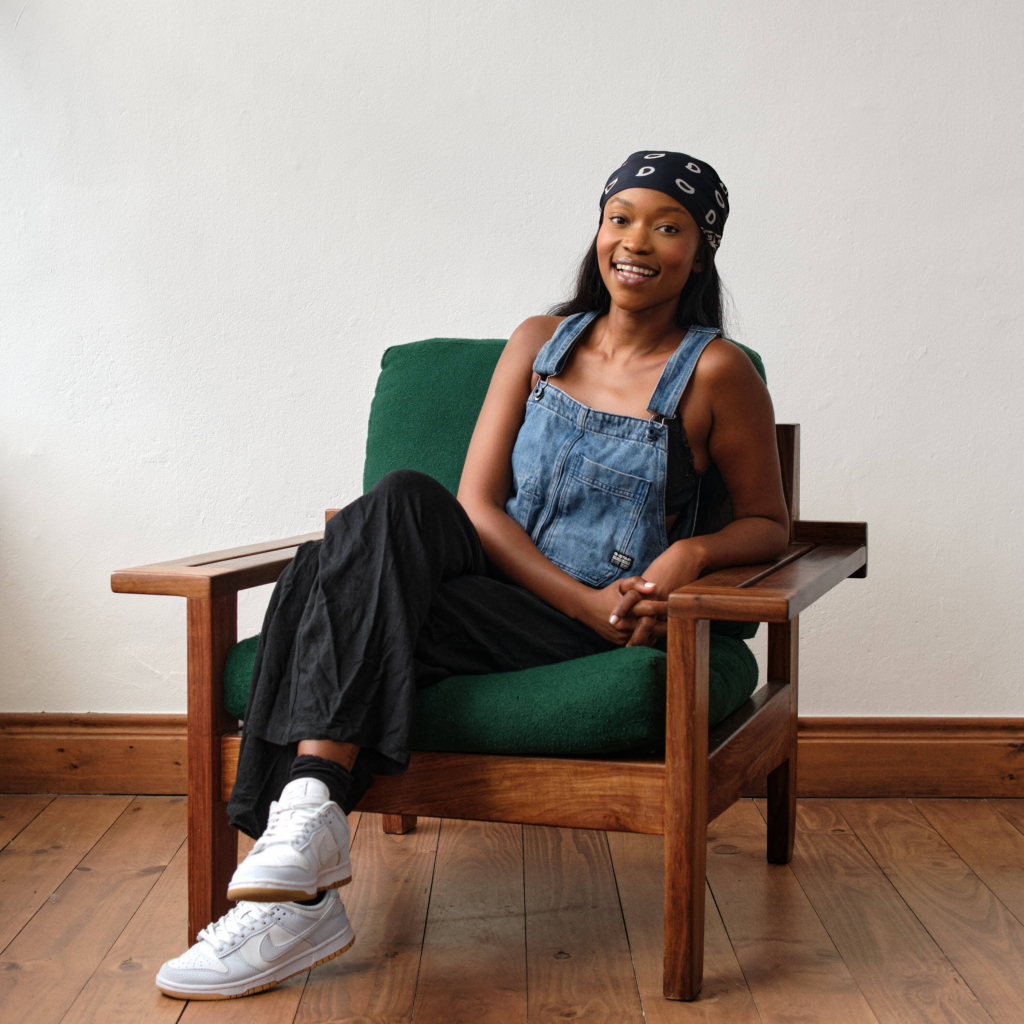
For instance, when governments propose new social media regulations or digital tax rules, these creators quickly post explainers on what could change for influencers or startups. Additionally, they highlight positive innovation stories where policy supports growth in sectors like mobile money, agritech or e-health. If you live at the intersection of politics and tech, these are some of the most valuable accounts to follow.
Why you should follow:
- Up-to-date analysis of policies that shape African tech and creator economies.
- Easy entry into complex debates about AI, data and digital rights.
- Helpful for founders, developers and creators navigating new rules.
8. Civic Rights and Constitution Explainers
Another powerful group of African political educators on TikTok focuses on constitutional rights and daily civic protections. They take sections of national constitutions and translate them into plain language, with real-world examples. For example, they might explain what freedom of expression means for protest, or how due process protections apply if you face arrest.
Furthermore, they often respond to viewers’ questions with short Q&A videos, turning comment sections into live civic classrooms. They draw on resources from constitutional courts, national human rights commissions and legal aid organizations. As a result, they help ordinary people understand not only what rights exist on paper, but how to use them.
Why you should follow:
- Clear, rights-based content that speaks directly to your everyday experiences.
- Useful if you want to engage in activism, journalism or community organizing.
- Provides language you can use in conversations with leaders and institutions.
9. Elections and Voter Education Creators
During election seasons in countries like Nigeria, Kenya, Ghana and South Africa, TikTok and Instagram become intense political spaces. Notably, a set of dedicated voter education creators rises to the top with content that explains how to register, how ballots work and how to spot candidate disinformation. They break down the roles of different elected offices, so you know what each position controls.
Moreover, these influencers often partner with civil society groups and election bodies to share verified information. They use trends, dances, memes and POV skits to make voter education as engaging as comedy or dance content. If you want to move from political talk to informed voting, these are essential creators to add to your feed.
Why you should follow:
- Step-by-step guides to registration and voting processes in simple language.
- Timely information during key election dates and deadlines.
- Fun, relatable tone that makes election content feel less heavy.
10. Diaspora African Political Educators
Finally, do not overlook African political educators based in the diaspora who focus on African affairs. Many of them live in Europe or North America but create content that explains African politics for global audiences. They unpack international media narratives, break down sanctions, aid debates and multilateral decisions that affect African countries.
Additionally, they help African youth abroad stay connected to political developments back home, from election cycles to big economic reforms. They also frequently highlight positive stories about African innovation, tech and culture that global news often ignores. If you want a bridge between African politics and the global stage, these diaspora voices are a great follow.
Why you should follow:
- Balanced explanations of how global politics interacts with African interests.
- Content that speaks to both Africans on the continent and in the diaspora.
- Helpful for those who want to engage in Pan-African advocacy or investment.
How These Creators Are Redefining African Influencer Culture
These TikTok and Instagram educators are changing what it means to be a popular creator in Africa. Instead of only chasing dance trends or comedy sketches, they use the same tools to explain how laws, budgets and institutions work. Consequently, they prove that African political influencers on TikTok can be just as engaging as lifestyle or entertainment stars.
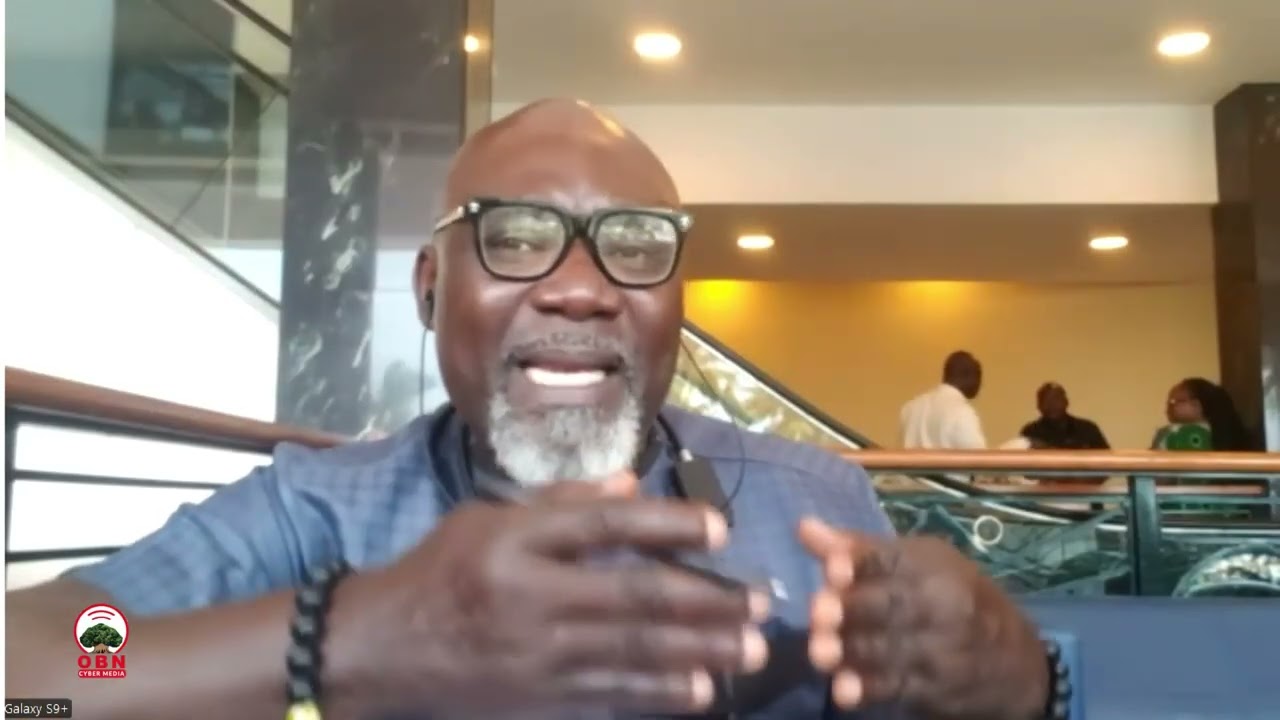
Moreover, their rise connects directly to wider shifts in African digital culture. Young people now expect to learn about careers, startups, design and politics from creators they trust, not just from schools or traditional media. On platforms like Technology and Africa News, you can see this same energy in stories about tech founders, fashion innovators and music stars.
In particular, these political educators stand at the center of three big African trends:
- The growth of youth-led civic movements that use social media to organize and share knowledge.
- The rise of digital-first political conversation, where short videos shape how many people understand issues.
- The blending of entertainment and education, where creators treat learning as part of daily content, not separate from it.
How to Curate Your Own Feed of African Political Influencers on TikTok
You do not need to follow hundreds of accounts to stay informed. Instead, you can build a smart mix of political educators that match your interests and your country. Start with a few creators from this list, then use TikTok and Instagram search to find similar accounts using hashtags linked to your country, constitution or budget debates.
Additionally, pay attention to who your favorite creators collaborate with or stitch. Often, they highlight smaller voices doing amazing work in niche areas like local council oversight, climate policy or youth employment programs. Furthermore, you can follow relevant categories on Topping Africa, such as Politics & Governance and Culture & Lifestyle, to spot rising political and civic creators across the continent.
Here are a few simple steps to improve your civic feed:
- Follow 3–5 political educators from your country and 3–5 from other African regions.
- Engage with their content by liking, saving and commenting, so algorithms show you more similar videos.
- Share helpful explainers with friends and family, so political knowledge spreads in your circle.
- Use "not interested" on low-quality or misleading political videos, to clean up your feed.
Explore More on Topping Africa
If you enjoy discovering the next wave of African digital voices, you will love diving deeper into our other sections. Moreover, you can use them to track how politics connects with music, film, tech and wider culture.
- Africa News – Stay updated on key policy shifts, elections and governance stories shaping the continent.
- Entertainment – Discover how creators, celebrities and influencers blend politics, comedy and culture.
- Business & Economy – Read more about how public budgets, regulation and innovation shape African markets.
Additionally, you can explore our Opinion & Editorial section for deeper takes on youth, democracy and digital culture. If you want more curated lists of African content creators, tech founders and rising stars, make sure you subscribe and check back often.
Turn Your Scroll Time into Civic Power
Ultimately, following the right African political educators on TikTok and Instagram turns your daily scroll into something more powerful. You still get entertainment, humor and trends, but you also gain the tools to understand policies, ask better questions and make informed decisions. In a digital era where misinformation spreads fast, these creators help you stay grounded in facts and context.
Furthermore, you can go beyond watching and start engaging. Ask questions in comments, request explainers on topics you do not understand, and share your own experiences from your community. As you do, you become part of a wider African network of young people who see politics not as drama, but as a space they can shape.
If a particular creator from this list has changed how you see governance, share your thoughts and tell a friend to follow them too. And if you know another TikTok or Instagram educator who deserves a spotlight, leave a comment on our platforms so we can feature them next. Now, explore more, discover new voices and let your feed work for your future, not just your free time.

Staff
Contributing writer at Topping Africa.
0 Comments
No comments yet. Be the first to share your thoughts!