
Sudan’s AFCON Win Inspires Hope as Civil War Fuels Humanitarian Crisis
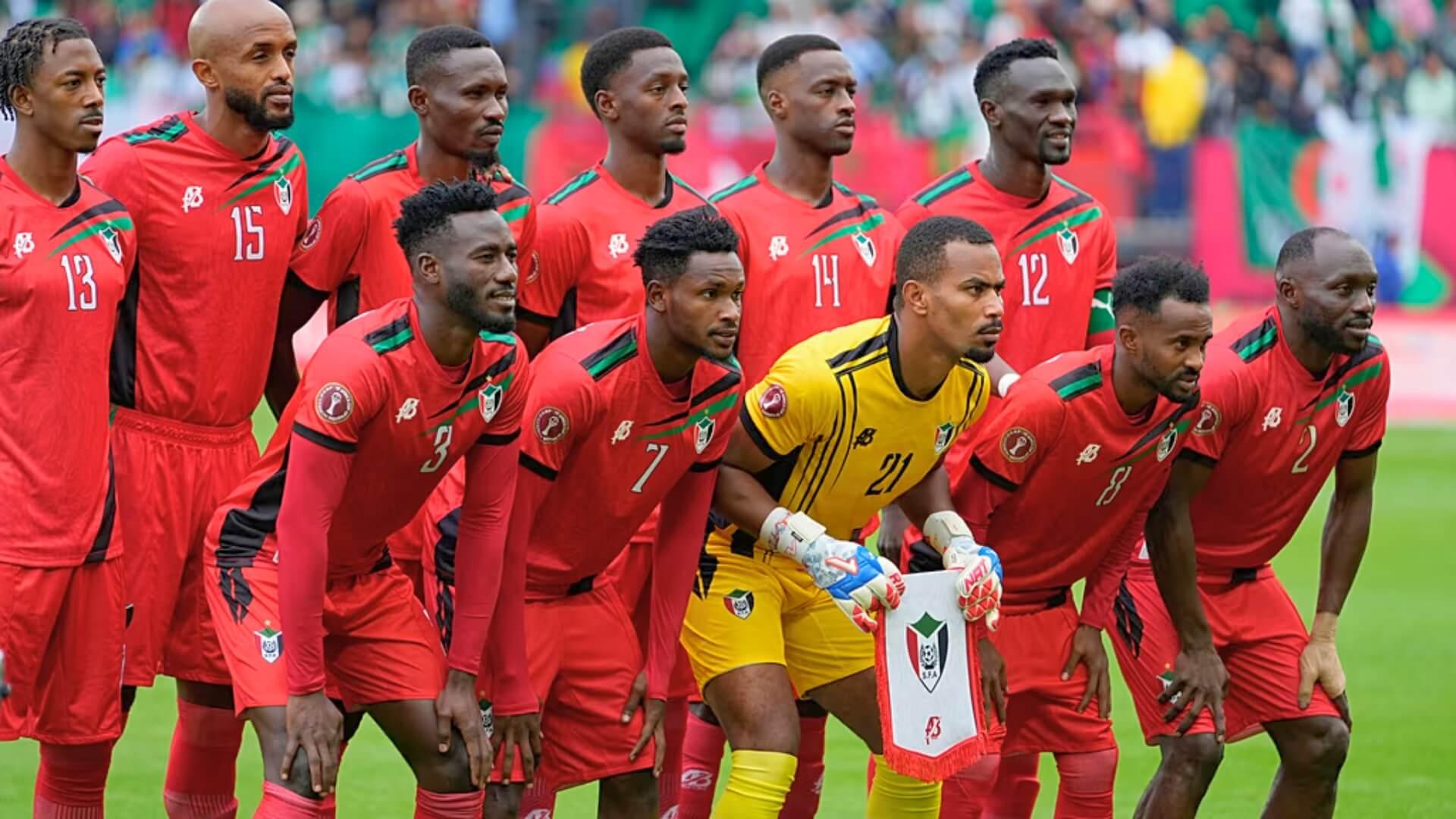
A late AFCON victory has given Sudanese fans a rare moment of joy and unity, from Casablanca to the diaspora. Yet the celebration unfolds alongside a brutal civil war, mass displacement, and urgent humanitarian warnings that football cannot replace peace or protection for civilians.
CASABLANCA, MOROCCO — 2025-01-29 — Sudan’s first victory at the Africa Cup of Nations has delivered a rare moment of celebration for a nation fractured by war, even as humanitarian agencies warn that sport alone cannot offset the scale of Sudan’s political and social collapse.
Updated 11:15 UTC
Sudan edged Equatorial Guinea 1–0 in Casablanca to claim their first AFCON finals win since 2012, a result confirmed by tournament officials and widely reported by continental broadcasters. The decisive moment came late, when a defensive error turned the match, lifting Sudan level on points in Group E and turning their final group fixture into a decisive route to the knockout stage.
For players and coaches, the campaign has been framed as something larger than results. Head coach James Kwesi Appiah said in post-match remarks carried by African media that the team is playing for national pride and resilience. Players echoed that message, describing the squad as a unifying symbol for millions of Sudanese displaced at home and abroad.
That symbolism lands against a stark backdrop. Sudan’s civil war, which erupted in April 2023 between the national army and the Rapid Support Forces, has produced what the United Nations and major aid groups describe as the world’s largest displacement crisis. More than 12 million people have fled their homes, over 30 million require humanitarian assistance, and hospitals, water systems, and transport networks have been badly damaged, according to UN agencies and international NGOs.
Fighting continues in Khartoum, Darfur, and Kordofan, where civilians face bombardment, food shortages, es and disease outbreaks. Diplomats involved in mediation efforts say talks have yet to yield a durable ceasefire, while humanitarian officials warn that funding gaps risk tipping already fragile regions into deeper hunger.
Against that reality, football has offered Sudanese communities a brief release. Fans in Morocco and across the diaspora gathered to watch the match, waving flags and calling for peace, according to eyewitness accounts shared by regional outlets. Forward Abobaker Eisa told broadcasters that the team is conscious that it represents families watching from refugee camps and exile, turning each match into a shared emotional rallying point.
The wider African resonance is hard to miss. Sudan’s AFCON moment recalls periods when national teams have provided visibility and emotional relief during crises elsewhere on the continent, including in Côte d’Ivoire during its civil war and more recently in parts of the Sahel. Analysts say the tournament stage amplifies calls from African institutions for ceasefires, civilian protection, and humanitarian access when formal diplomacy stalls.
Neighbouring countries hosting Sudanese refugees are also watching closely. Aid groups note that the team’s visibility helps counter narratives that reduce displacement to statistics, reinforcing that refugee flows stem from conflict rather than choice.
Whether this sporting lift translates into lasting hope remains uncertain. On the pitch, Sudan’s final group match in Morocco will determine whether their AFCON run extends into the knockouts, further magnifying their story. Off the pitch, UN agencies and NGOs stress that only sustained political engagement, protection of civilians, and scaled-up humanitarian funding can begin to reverse Sudan’s collapse—regardless of how far the Falcons of Jediane progress.
Staff
Contributing writer at Topping Africa.
0 Comments
No comments yet. Be the first to share your thoughts!