

Senegal Parliament Approves Law Doubling Prison Sentence for Same-Sex Relations
Senegal’s legislature has moved to significantly increase penalties tied to same-sex relations, marking a major legal shift that is drawing attention across Africa’s evolving policy landscape.
DAKAR, Senegal — March 12, 2026
Updated: March 12, 2026, 14:00 GMT
Senegal’s National Assembly has approved legislation that doubles the maximum prison sentence for same-sex relations from five years to 10 years and significantly raises related fines, according to reporting by Reuters and the Associated Press.
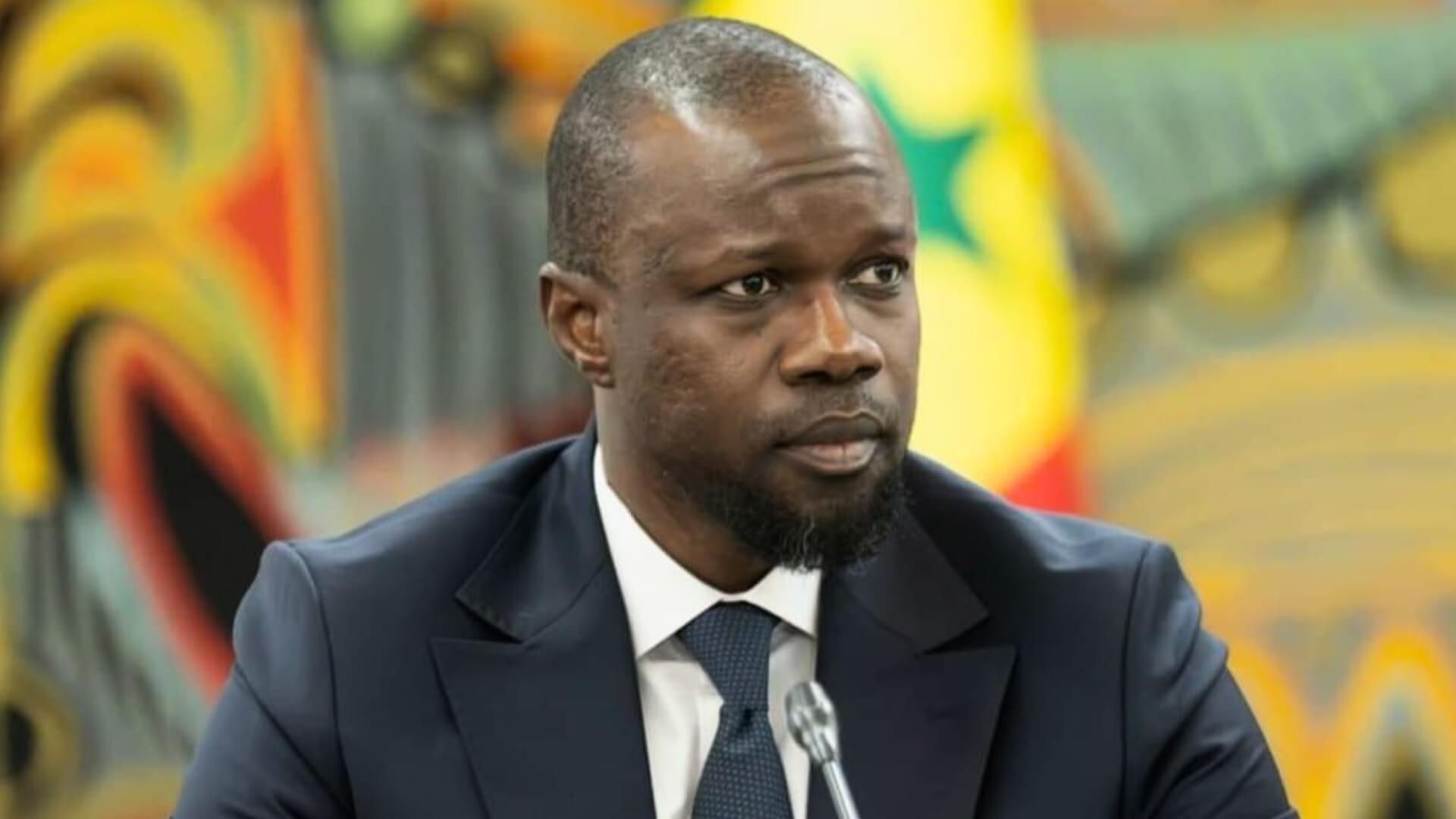
Lawmakers adopted the measure on March 11 with 135 votes in favor, none against, and three abstentions. The legislation was introduced by Prime Minister Ousmane Sonko and now awaits the signature of President Bassirou Diomaye Faye before it becomes law.
Under the new provisions, courts could impose prison sentences of up to 10 years and fines of up to 10 million CFA francs (about $17,000) for same-sex relations, replacing the previous maximum sentence of five years under the country’s penal code.
The legislation also criminalizes activities defined as the promotion or financing of homosexuality and restricts judicial discretion by preventing judges from issuing suspended sentences or reducing penalties below the legal minimum.
Prime Minister Sonko introduced the bill as part of policy commitments following the 2024 elections that brought the current administration to power, according to Reuters.
Senegal has long criminalized same-sex relations under Article 319 of its penal code, which previously allowed prison terms of up to five years for what the law describes as “acts against nature.”
Across Africa, legal approaches to same-sex relations vary widely, but criminalization remains common. More than 30 African countries maintain laws that penalize same-sex activity, according to the Associated Press.
The development places Senegal within a broader regional pattern of legislative debates and legal reforms involving sexual-conduct laws across the continent, a trend that continues to draw international attention and policy discussion in African governance and legal systems.
Staff
Contributing writer at Topping Africa.
0 Comments
No comments yet. Be the first to share your thoughts!