
Cynthia Shange Dies at 76: South Africa Honors Her Legacy as Entertainment Pioneer
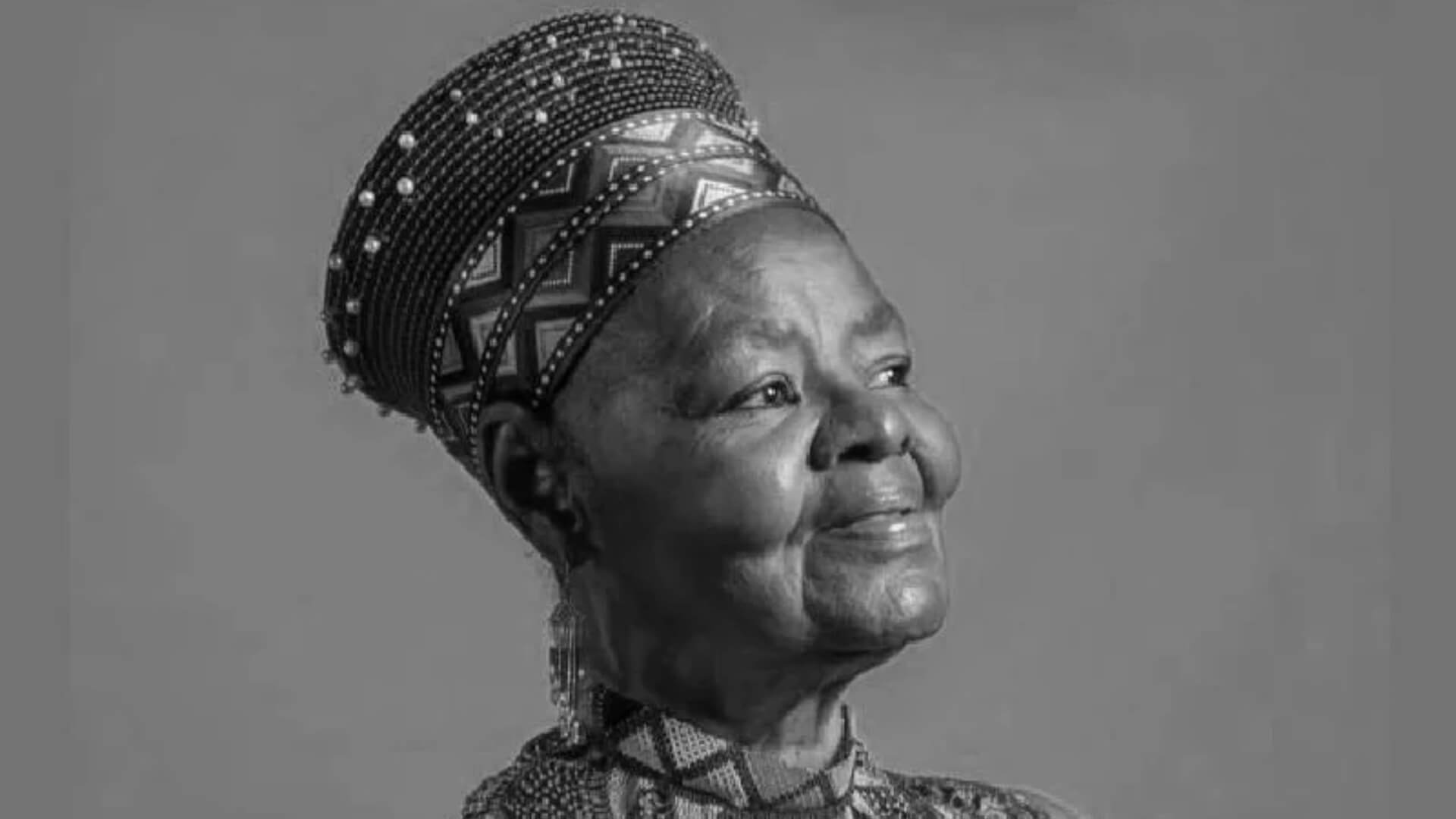
Veteran actress and former beauty queen Cynthia Shange has passed away at age 76, marking the end of an era for South African entertainment. As the first Black woman to represent South Africa at Miss World in 1972 and a SAFTA award-winning performer, Shange's legacy continues to inspire generations of African entertainers.
South Africa is not only mourning an actress. It is mourning a woman whose image, ambition and screen presence helped force Black visibility into spaces built to deny it.
The death of Cynthia Shange at 76 has triggered a rare convergence of tribute from Parliament, the arts ministry, and President Cyril Ramaphosa, with each framing her life as part of a bigger national story about dignity, representation and the long struggle to be seen.
More Than Celebrity
Parliament’s tribute made the stakes plain. Its presiding officers said Shange’s rise was not simply a personal success story, but a direct challenge to an apartheid order that excluded Black South Africans from mainstream recognition and public worth.
That framing matters because it shifts her death out of celebrity remembrance and into political history.
In official language, Shange is being honored as someone whose visibility itself carried force at a time when Black womanhood was systematically pushed to the margins.
The Breakthrough
Government accounts say Shange rose to prominence in the early 1970s and made history in 1972 when she won the Miss Natal title before becoming the first Black woman to represent South Africa at the Miss World pageant.
That moment has become central to the national response because it placed a Black South African woman before a global audience during one of the harshest periods of segregation.
Parliament described that appearance as an assertion of “the beauty, worth, and humanity of Black women” in a society structured to erase them. In that reading, the pageant stage became more than spectacle; it became a site of recognition.
Screen Legacy
Shange’s cultural importance did not end with pageantry. Government tributes credit her with building an acting career that included roles in Udlaliwe, Shaka Zulu, and Muvhango, productions that helped make her familiar across generations of South African audiences.
That transition matters in African cultural history because it showed that a woman first known for beauty could also command narrative space as a performer.
She moved from symbolic breakthrough to durable creative presence, which is one reason the state is remembering her as more than a nostalgic icon.
Women and Memory
Deputy Minister Peace Mabe’s tribute pushed the story beyond race alone, saying Shange’s life reflected possibility to women who saw themselves in her. The government’s mourning has therefore treated her legacy as both racial and gendered, locating her rise inside a society shaped by apartheid and patriarchy at once.
President Ramaphosa widened the frame further by joining national mourning and recognizing Shange as part of a generation whose achievements carried public meaning far beyond entertainment.
His intervention helped confirm that this is being read at the highest level as a national cultural loss, not just an industry obituary.
Why Africa Should Care
For a continental audience, Cynthia Shange belongs to a wider lineage of African women whose visibility changed the argument about who could stand at the center of public life.
Her career reminds the continent that cultural power is not only made in cabinet rooms or liberation movements, but also through artists who altered what audiences could imagine about Black identity, beauty, and authority.
Her death also raises a harder question for African states. Tributes are powerful, but they only become meaningful legacy when institutions also preserve the archives, industries and creative labor that made figures like Shange possible in the first place.
Staff
Contributing writer at Topping Africa.
0 Comments
No comments yet. Be the first to share your thoughts!