

Touadéra Sworn In For Third Term In Central African Republic
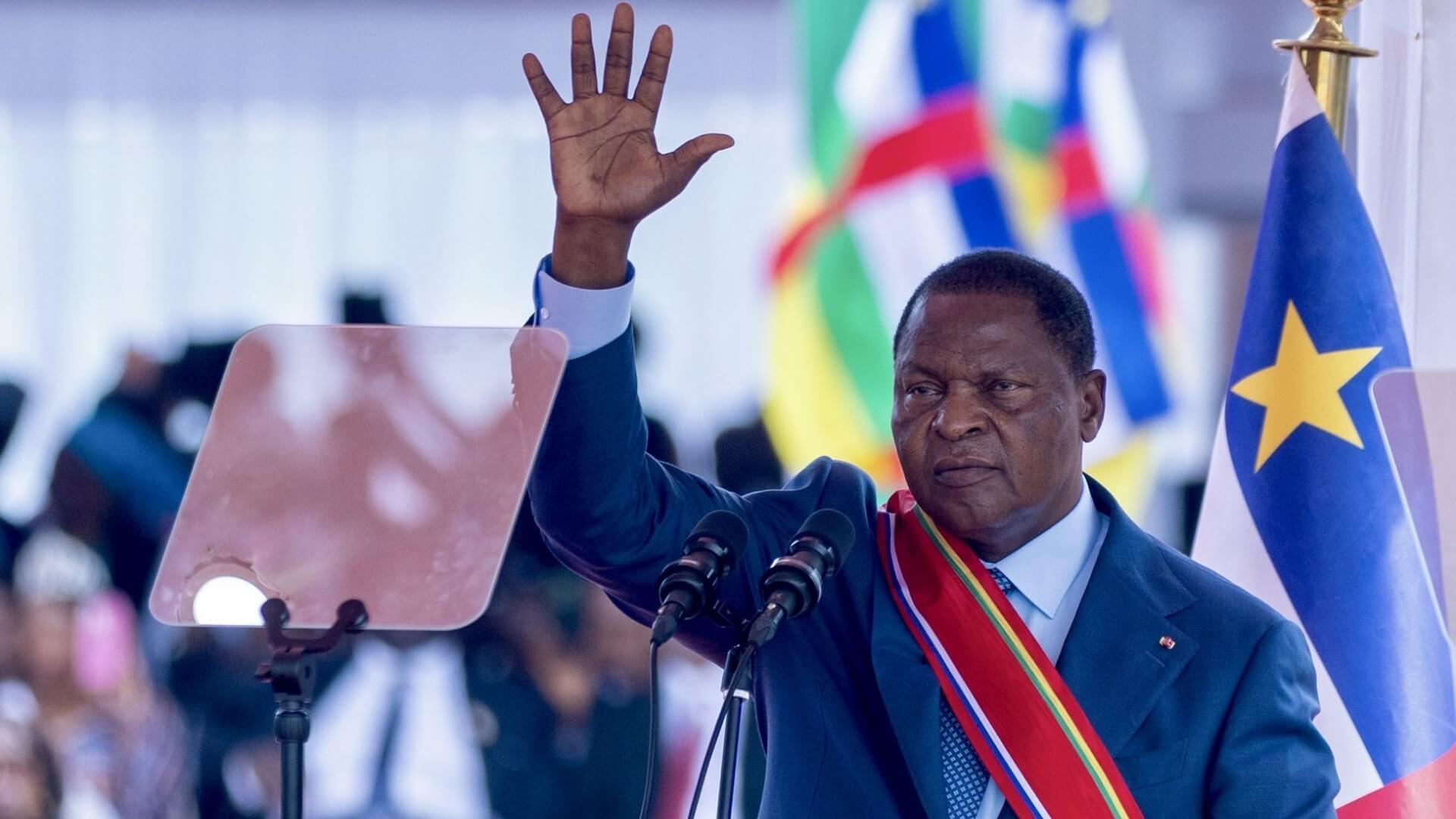
Power, stability, and survival collide in a nation where leadership decisions shape everyday life. For citizens, this moment is less about politics—and more about whether peace, safety, and opportunity will finally become a reality.
BANGUI, Central African Republic — March 30, 2026
Faustin-Archange Touadéra has been sworn in for a third term as president of the Central African Republic, extending his rule after a contested election and controversial constitutional changes.
Touadéra took the oath of office in Bangui following his victory in the December 2025 presidential election, where official results showed he secured 77.9 percent of the vote despite opposition allegations of fraud.
In his inaugural address, the president pledged to prioritize security, national unity, and economic recovery in a country still grappling with instability and armed conflict. He committed to strengthening peace efforts and improving governance, while also promising job creation and anti-corruption measures.
The new term follows a decisive constitutional shift. A 2023 referendum removed presidential term limits and extended mandates from five to seven years, enabling Touadéra to seek and secure a third term.
The political transition has not been without controversy. Opposition groups boycotted the election process and rejected the results, raising concerns over democratic standards and electoral credibility.
Touadéra, in power since 2016, has governed through a period marked by persistent conflict. Despite a 2019 peace agreement with multiple armed groups, insecurity continues across parts of the country, with several factions withdrawing from earlier accords and maintaining control over territory.
His administration has relied heavily on foreign security partnerships to stabilize the state, reflecting the broader geopolitical competition shaping Central Africa. The country remains one of the world’s poorest despite significant natural resources, including gold and diamonds.
Regional leaders attended the inauguration ceremony, signaling continued diplomatic backing from parts of Africa even as international observers remain cautious about the country’s political trajectory.
For Africa, the development reinforces a growing pattern—constitutional reforms extending presidential tenure, often justified by concerns about stability but increasingly debated for their long-term impact on governance.
As Touadéra begins his extended mandate, the key test will be whether promises of peace and reform translate into measurable change in a nation long defined by cycles of conflict and fragile institutions.
Yesterday, 30 March 2026, before the Central African people, I took the oath of office as President of the 7th Republic.
— Faustin-Archange Touadéra (@FA_Touadera) March 31, 2026
I thank you for your trust and renewed confidence. Together, we will build a stronger, united, and more prosperous nation. ??#CAR pic.twitter.com/Htpyb8lHng
Staff
Contributing writer at Topping Africa.
0 Comments
No comments yet. Be the first to share your thoughts!