
Inside South Africa's Digital Creator Boom: Opportunities, Risks and the Support Creators Need
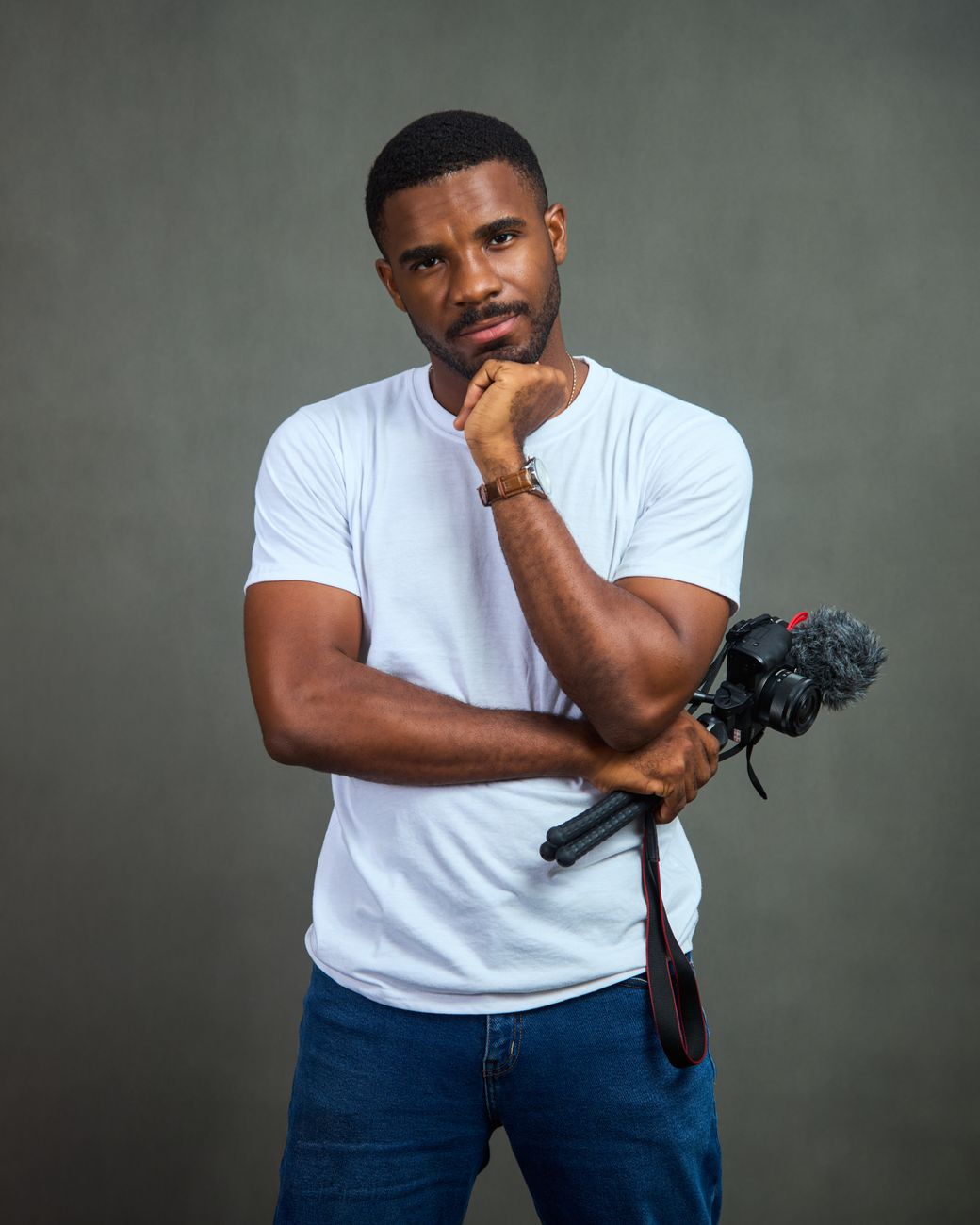
South Africa's digital creator economy is booming — but skills gaps, legal blind spots, and a lack of formal support structures are leaving talented creators exposed. This deep-dive unpacks the real opportunities, the underreported risks, and the concrete steps that creators, brands, and government must take to build a sustainable creator economy.
Content Creators South Africa: A Booming Economy With Real Stakes
South Africa is home to one of Africa's most dynamic and fastest-growing creator economies — and content creators South Africa are no longer a niche subculture. They are a legitimate economic force. From Cape Town lifestyle influencers pulling six-figure brand deals to Johannesburg-based educators building massive YouTube audiences on zero budgets, the scale and diversity of South African digital creators is striking. A Statista report places South Africa's social media penetration at over 26 million active users — a ready-made audience that creators are monetising at an accelerating pace.
But this boom has a shadow side. Behind the follower counts and brand partnership announcements lies a sector riddled with skills gaps, legal blind spots, safety vulnerabilities, and a near-total absence of formal support structures. This article argues something specific: South Africa's creator economy is not failing because of a lack of talent — it is failing creators because the infrastructure around talent has not kept up. That is the gap worth closing.
The Scale of the Opportunity — and Why It Is Bigger Than Most Realise
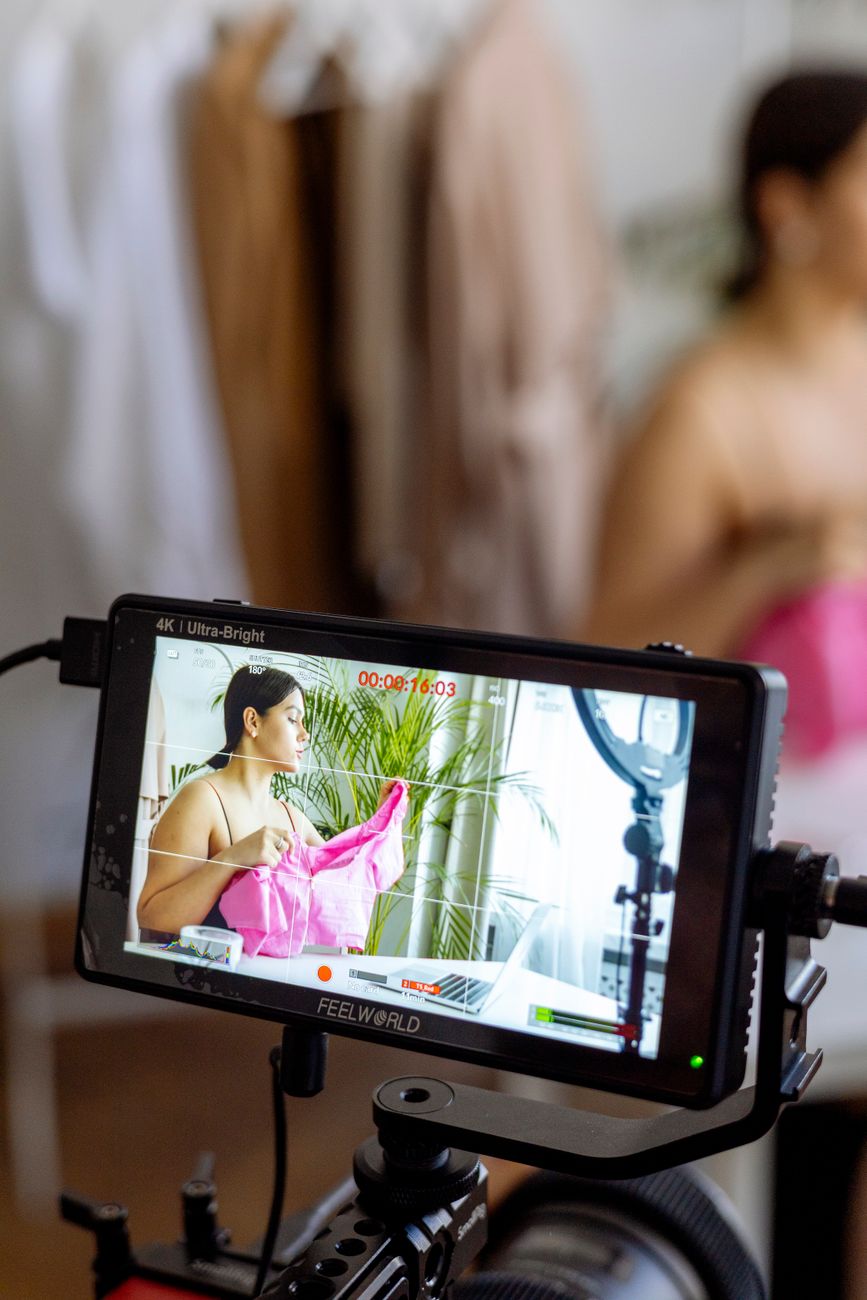
The numbers are hard to ignore. South Africa's influencer marketing industry was valued at approximately R1.2 billion in 2023, with projections pointing toward sustained double-digit growth through 2027. Platforms like TikTok, Instagram, and YouTube are the primary arenas, but podcast audiences are surging too — South Africa ranks among the top five African countries for podcast consumption per capita.
What makes the South African creator market particularly interesting is its structural diversity. You have hyper-local creators producing content in isiZulu, Sotho, or Afrikaans reaching underserved audiences that English-language brands consistently miss. You have tech creators breaking down fintech products for first-time smartphone users. And you have diaspora creators bridging South African culture with global audiences in the UK, US, and Australia. This is not one market — it is several overlapping ones, each with its own monetisation logic.
Platforms are beginning to notice. TikTok's Creator Fund, YouTube's Partner Programme, and Meta's various monetisation tools are all accessible to South African creators, though often with higher thresholds than creators in the US or UK face. South African creators are already dominating these platforms — but the revenue share rarely reflects their audience size or cultural impact.
Where the Real Money Is Moving
Brand deals remain the dominant income stream for most South African creators, accounting for an estimated 60–70% of creator revenue. Affiliate marketing, digital products, and paid communities are growing fast, but they require skills most creators were never taught. The creators earning consistently above R50,000 per month are almost always those who have diversified — combining brand partnerships with a newsletter, a course, or a Patreon-style membership. That diversification is not accidental; it is the result of deliberate business education most creators have to find on their own.
The Skills Gap Nobody Is Talking About Honestly
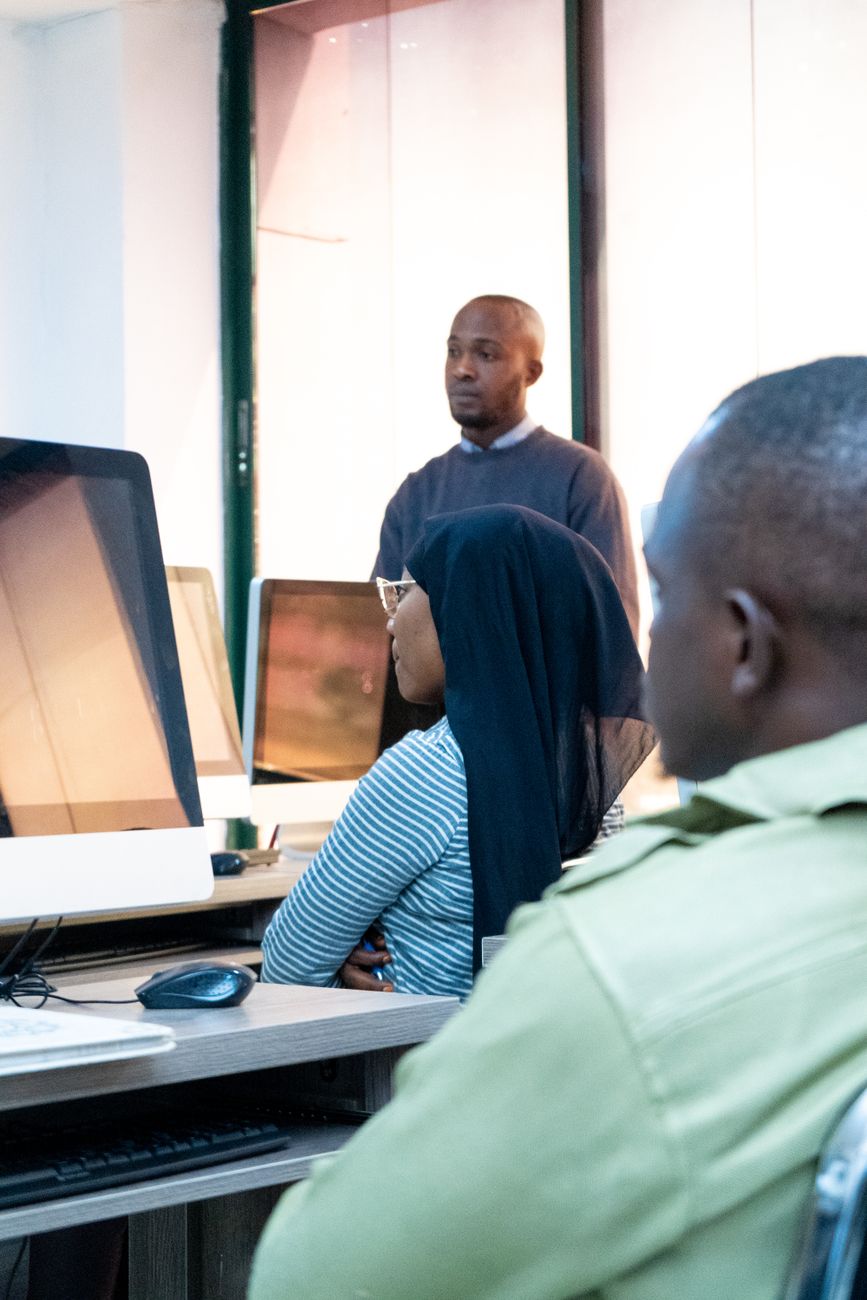
Ask any South African creator what their biggest challenge is, and the honest answer is rarely "algorithm changes." It is the unglamorous stuff: contract negotiation, tax compliance, content strategy, analytics interpretation, and basic financial management. Research by the UCT Graduate School of Business on South Africa's informal creative economy consistently highlights that creative practitioners — including digital creators — lack access to business skills training that matches the pace of their industry.
This is not a motivation problem. South African creators are extraordinarily resourceful. The issue is structural: there is no nationally recognised qualification pathway for content creation, no standardised rate card for brand deals, and no accessible mentorship pipeline connecting emerging creators to established ones. A creator in Lagos or Nairobi faces similar gaps, but the South African market has a unique complication — it operates across multiple languages and income brackets simultaneously, making one-size-fits-all training solutions largely useless.
Specific skills gaps that consistently surface include:
- Contract literacy: Most creators sign brand deal agreements without legal review, often surrendering perpetual usage rights for a once-off fee.
- Tax and VAT compliance: South Africa's SARS (South African Revenue Service) requires freelancers earning above R1 million annually to register for VAT — a threshold more creators are hitting, often without realising it.
- SEO and discoverability: Many creators produce excellent content that never gets found because they have no framework for keyword research, thumbnail optimisation, or cross-platform distribution.
- Audience data interpretation: Knowing your demographics is table stakes; understanding retention curves, drop-off points, and conversion funnels is where creators leave serious money on the table.
- Pitch deck creation: Brands increasingly expect professional media kits. Creators who cannot produce one are invisible to larger advertisers regardless of their audience quality.
The fix is not a single workshop. It requires a sustained, accessible curriculum — ideally delivered in multiple languages and through platforms creators already use. A few South African creator-focused agencies have started offering this informally, but it remains patchy and largely Johannesburg- and Cape Town-centric, leaving creators in Durban, Pretoria, and smaller cities underserved.
Legal Exposure and Safety: The Risks Creators Are Taking Without Knowing It
The legal landscape for South African content creators is a minefield. South Africa's Protection of Personal Information Act (POPIA) has direct implications for any creator who collects audience data — email lists, competition entries, DM-based lead generation — yet most creators have never read a POPIA compliance guide. The penalties for non-compliance are real: fines of up to R10 million or imprisonment up to 10 years for serious breaches.
Beyond data law, defamation risk is chronically underestimated. Creators who produce commentary, reviews, or investigative-style content face the same legal exposure as traditional journalists — without the legal departments that back those journalists up. South Africa's defamation law does not distinguish between a newspaper and a TikTok account with 500,000 followers. One poorly worded video can result in a cease-and-desist, a civil claim, or worse.
Safety is a separate but equally urgent issue. Female creators in particular report significant online harassment, doxxing attempts, and — for those who share location-tagged content — real-world safety concerns. There is currently no dedicated reporting or support mechanism within South Africa's legal system specifically designed for creator-targeted harassment. The existing cybercrime frameworks under the Cybercrimes Act 19 of 2020 provide some recourse, but enforcement is slow and awareness among creators is low.
The practical steps creators can take right now include:
- Register a separate legal entity (PTY Ltd or sole proprietor) to separate personal and business liability.
- Use a lawyer-reviewed contract template for every brand deal — several South African IP attorneys now offer creator-specific templates for under R2,000.
- Add a POPIA-compliant privacy policy to any website or newsletter platform.
- Enable two-factor authentication on all platforms and use a dedicated business email — not a personal one — for all brand communications.
- Document all harassment incidents with screenshots and timestamps before reporting, as this significantly strengthens any legal case.
AI Tools, Ethics, and What South African Creators Actually Need to Know
AI adoption among South African creators is accelerating — but unevenly. Tools like ChatGPT, CapCut's AI features, Canva Magic Studio, and ElevenLabs are being used daily by creators who are ahead of the curve. Meanwhile, a significant portion of the creator community either distrusts AI entirely or lacks the device and connectivity specs to run these tools effectively. Load-shedding — South Africa's persistent electricity rationing — adds a practical barrier that rarely features in global AI adoption discussions.
The ethical dimension is where South African creators face unique pressures. Using AI-generated voiceovers that mimic real people, producing deepfake-adjacent content, or using AI to inflate engagement metrics are all practices that exist in the local ecosystem. South Africa has no specific AI regulation yet, but the existing Consumer Protection Act and the Cybercrimes Act already cover many of these scenarios. African creators building trustworthy AI-powered content are setting the standard — and South African creators should be leading that conversation, not lagging behind it.
The smart approach to AI for South African creators is not wholesale adoption or wholesale rejection. It is strategic integration: use AI for research, scripting drafts, caption generation, and thumbnail testing — but keep the cultural specificity, the language nuance, and the community connection human. That combination is what no algorithm can replicate and what South African audiences reward with loyalty.

The Rise of Creator Unions and Collective Bargaining
Perhaps the most significant structural shift happening in South Africa's creator economy right now is the quiet emergence of creator collectives and proto-union structures. These are not formal trade unions in the traditional sense — yet. But groups of creators are organising around shared rate standards, collective brand deal negotiation, and peer-to-peer legal support. It mirrors what happened in the US with the American Influencer Council and in the UK with the Creator Union, but with a distinctly South African flavour.
The argument for formalising these structures is strong. Individual creators have almost no leverage with major brands or platforms. A collective of 200 creators with a combined reach of 50 million, however, has real negotiating power. Standardised rate floors — something like a "minimum wage" for brand collaborations based on CPM benchmarks — would immediately improve conditions for mid-tier creators who are currently chronically underpaid relative to the value they deliver.
South Africa's existing labour law framework, particularly the Labour Relations Act, theoretically allows for the formation of independent contractors' associations that can bargain collectively. No creator-specific body has yet tested this framework formally, but the legal pathway exists. The first organisation to do so will reshape the power dynamics of South African brand partnerships permanently.
Discover the broader ecosystem of African creators who are already shaping this movement — explore creator profiles on Topping Africa and see the talent driving this shift firsthand.
What Platforms, Brands, and Government Should Actually Do
Responsibility for fixing the creator economy does not sit with creators alone. Platforms operating in South Africa collect significant revenue from South African audiences and creators — and return relatively little in localised support. Practical demands worth making:
- Platforms should lower monetisation thresholds for South African creators, offer local-language creator education, and provide dedicated harassment reporting channels with human review.
- Brands should adopt transparent rate benchmarks, pay creators within 30 days of content delivery (not 90), and stop demanding perpetual rights as a default contract position.
- Government — specifically the Department of Communications and Digital Technologies — should fund creator skills development through existing SETA (Sector Education and Training Authority) frameworks and recognise content creation as a formal occupation with associated NQF-level qualifications.
None of this is utopian. Kenya's government has already begun mapping its creator economy for policy purposes. Nigeria's creative industries have benefited from targeted government investment. South Africa has the infrastructure, the institutions, and the talent to lead — but the policy intent has not yet matched the economic reality on the ground.
For a broader view of how African tech hubs are enabling this kind of creator-economy infrastructure, read our deep-dive into Africa's emerging tech hubs where creators, coders, and culture are already colliding productively.
The Path Forward for South African Creators
South Africa's creator economy is not at a crossroads — it is already moving fast in a specific direction. The question is whether the infrastructure around it moves fast enough to protect and empower the people driving it. The talent is not the variable. The support system is.
Creators who thrive over the next five years will be those who treat content creation as a business from day one: legally protected, financially diversified, skills-invested, and community-connected. The ones who burn out or get exploited will be those who rely on platform goodwill and brand generosity — both of which are structurally unreliable.
South Africa has produced world-class creators across music, comedy, education, fashion, and tech. The next step is building the ecosystem that makes that success replicable, scalable, and sustainable — not just for the top 1% of creators, but for the thousands of talented people currently building audiences with no safety net beneath them.
Ready to discover and support the creators shaping South Africa and the continent? Explore the full range of African creators on Topping Africa and connect with the voices defining the next chapter of African digital culture. Also check out what's trending across the continent right now — the momentum is undeniable.
Staff
Contributing writer at Topping Africa.
0 Comments
No comments yet. Be the first to share your thoughts!