
Inside Africa's Tech Futures Labs: Where the Next Generation of African Creators Are Built
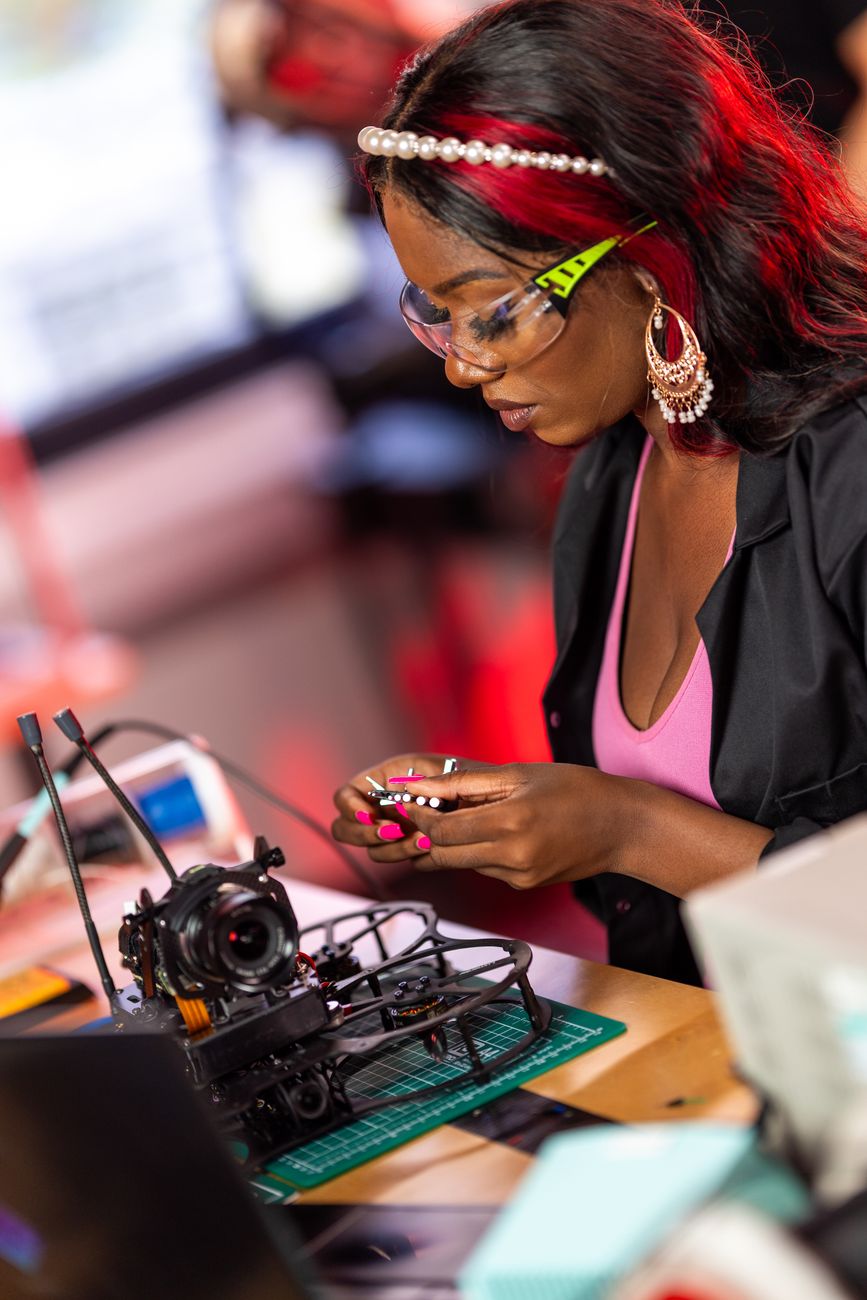
Africa's tech futures labs are no longer just co-working spaces — they are structured creator pipelines producing entrepreneurs, content innovators, and diaspora-connected ventures with real funding outcomes. This deep dive examines what separates the labs that deliver from the ones that disappoint, and what African creators should demand before they commit their time. From CcHUB to MEST Africa, the infrastructure is being built — but the gaps are just as important to understand.
African Tech Futures Labs Are Rewriting the Creator Playbook
The phrase African tech futures lab used to sound like a grant proposal buzzword. Not anymore. Across Lagos, Nairobi, Accra, Kigali, and Cape Town, a new breed of innovation infrastructure is emerging — one that doesn't just incubate startups but actively builds creators, equips entrepreneurs with real tools, and connects the African diaspora to opportunities that were previously locked behind geography and capital. These labs are not co-working spaces with a ping-pong table. They are structured, high-output environments where African innovation is being engineered from the ground up.
This article is not a directory of hubs. It is a critical examination of how the best labs work, what separates the ones that produce real outcomes from the ones that produce press releases, and what African creators and entrepreneurs should actually look for when choosing where to invest their time and energy.

What Makes an African Tech Futures Lab Different From a Generic Hub?
The word "hub" has been diluted. Between 2015 and 2023, the number of tech hubs on the continent grew from roughly 314 to over 1,000, according to GSMA's Ecosystem Accelerator research. The explosion in quantity did not always translate to quality. Many hubs offered a desk, WiFi, and occasional networking events — and little else.
A true African tech futures lab operates on a different logic. The distinguishing features are specific and measurable:
- Structured creator pipelines — not open-door drop-ins, but cohort-based programmes with defined entry criteria, milestones, and exit outcomes.
- Embedded mentorship — industry practitioners who hold office hours weekly, not quarterly keynote speakers flown in for optics.
- Access to capital pathways — direct connections to seed funds, angel networks, and grant programmes, not just pitch competitions with no follow-through.
- Creator-specific tooling — licences for production software, access to recording studios, content distribution platforms, and data analytics tools.
- Diaspora integration — deliberate programming that bridges creators on the continent with African talent and investors abroad.
The difference matters enormously. A creator who spends 12 months in a well-structured lab leaves with a portfolio, a network, and often a first client or investor. One who spends 12 months in a hollow hub leaves with a LinkedIn update.
Five Labs Shaping the African Tech Futures Landscape Right Now
Rather than listing every hub alphabetically, the focus here is on institutions that have produced verifiable creator and entrepreneur outcomes in the last three years. Each one illustrates a distinct model worth understanding.
1. CcHUB (Co-Creation Hub) — Lagos & Nairobi

CcHUB is arguably the most mature African tech futures lab model on the continent. Founded in Lagos in 2011, it has since expanded to Nairobi and has backed over 120 ventures. What makes CcHUB instructive is its deliberate separation of tracks: the Growth Capital arm funds early-stage tech startups, while the Design Lab arm works specifically on civic tech and creative problem-solving. This dual structure means a content creator building a civic engagement platform gets access to both design mentorship and funding infrastructure — not one or the other.
The lab's HNGi programme (Hacker News Ghana/Nigeria internship) has trained over 10,000 developers since 2017, many of whom have gone on to build creator tools, media platforms, and fintech products. The key lesson from CcHUB's model: specialisation within the lab beats trying to serve everyone equally.
2. iHub — Nairobi
iHub was the original. Launched in 2010, it became the proof of concept that African innovation infrastructure could work at scale. After a period of restructuring, iHub relaunched under MEST Africa's management and has refocused on creator economy infrastructure — specifically, building tools and communities for African content creators targeting global audiences. Its current cohort model runs 16-week sprints, with weekly deliverables reviewed by a panel of active practitioners, not just academics.
One underreported aspect of iHub's current model is its diaspora bridge programme, which pairs Nairobi-based creators with mentors in London, Toronto, and Atlanta. This is not a video call series. Mentors are contractually expected to make at least two introductions per mentee per cohort — to publishers, platforms, or investors. That specificity is what makes diaspora programming actually useful instead of performative.
3. MEST Africa — Pan-African with Hubs in Accra, Lagos, Cape Town, Nairobi
MEST (Meltwater Entrepreneurial School of Technology) runs a fully funded, one-year training programme that covers software engineering, entrepreneurship, and communication skills. Graduates receive seed funding of up to $100,000 USD to launch their ventures. Since 2008, MEST has trained over 600 entrepreneurs and invested in more than 60 companies, several of which have reached Series A and beyond.
For African creators specifically, MEST's communication and storytelling curriculum is the hidden gem. Many technical founders on the continent struggle to articulate their value proposition to global investors. MEST's programme directly addresses this gap, treating narrative and pitch craft as engineering disciplines — teachable, measurable, and improvable through iteration.
4. Norrsken Nairobi
Norrsken is a Swedish-origin impact fund and hub that opened its Nairobi campus in 2022. It is one of the few labs on the continent with a physical campus purpose-built for scale — 2,500 square metres of workspace designed to house up to 1,000 entrepreneurs simultaneously. The Nairobi hub focuses on impact ventures, which in practice means healthtech, agritech, edtech, and creator economy companies that can demonstrate social return.
The Norrsken model is worth studying for one specific reason: it has cracked the physical-digital hybrid. Residents get access to Norrsken's global network of investors and partners in Stockholm, New York, and Barcelona — not as a perk, but as a structured part of the programme. For African creators building global brands, this kind of cross-border infrastructure is rare and genuinely valuable.
5. The Baobab Network — East Africa
Baobab focuses on the earliest stage: pre-seed African tech ventures and creators with traction but no formal funding. Its accelerator programme is 12 months long and deliberately small — typically 10 to 15 companies per cohort. This tight cohort size means each founder gets disproportionate attention. Baobab's portfolio companies have collectively raised over $100 million in follow-on funding, a strong signal that the lab's selection and support model works.
For creators, Baobab's most valuable offering is its commercial partnerships team, which actively brokers brand deals and licensing agreements on behalf of portfolio companies. Most labs leave this to the founder. Baobab treats it as a lab function — which is the right call, especially for early-stage creators who lack the network to negotiate enterprise deals independently.
The Funding Gap: What African Tech Futures Labs Are Still Getting Wrong
Even the best labs have blind spots. The most persistent one is the funding cliff between cohort graduation and Series A. Most African tech futures labs are well-equipped to take a creator or founder from zero to a minimum viable product with early traction. What happens next is often a dead zone.
Seed funding in Africa averages between $50,000 and $500,000. Series A rounds typically start at $2 million. The gap between these two figures is where the majority of promising African creator ventures stall. According to Disrupt Africa's annual funding report, fewer than 15% of African startups that raise seed funding go on to raise a Series A within three years. Labs that do not have explicit bridge capital programmes — or warm introductions to bridge investors — are sending graduates off a cliff with a handshake and a certificate.
The practical implication for creators and founders: when evaluating a lab, ask directly about post-graduation capital pathways. Not "do you have investor connections" — ask for the names of the last five companies they introduced to investors, and what happened. If the lab cannot answer that question specifically, the investor network is likely decorative.
A second structural gap is gender and geography. Most labs are concentrated in four or five cities. A creator in Lusaka, Conakry, or Antananarivo has almost no access to the same infrastructure as one in Lagos or Nairobi. Remote and hybrid programme formats are improving this, but slowly. Labs that claim pan-African reach without genuine rural and secondary-city programming are overstating their impact.
How African Creators Can Get the Most From a Tech Futures Lab
Getting accepted into a lab is only the first step. The creators who extract the most value share a few specific behaviours that are worth naming explicitly.
- Show up with a specific problem, not a vague idea. Labs are most useful when you can articulate what you need help solving. "I want to grow my audience" is not a problem statement. "I have 40,000 followers on TikTok but my conversion rate to paid products is under 0.3% and I don't know why" is a problem a lab can actually help with.
- Use the network before you need it. The biggest mistake creators make is waiting until they have a specific ask to connect with mentors and peers. Build relationships during the cohort when there is no pressure. The warm introduction you need six months after graduation depends on goodwill you built during it.
- Document everything publicly. Labs reward creators who build in public. Sharing your process, your failures, and your learnings on LinkedIn or X generates inbound attention from investors, collaborators, and potential clients — often faster than any formal pitch process.
- Push for diaspora connections explicitly. If the lab offers diaspora programming, opt in immediately. The African diaspora controls significant capital and cultural influence. A single introduction to a diaspora investor or platform partner can change a creator's trajectory in ways that months of local networking cannot.
For a broader view of how African creators are building revenue across digital platforms, read this deep dive on how African content creators are monetising on Facebook, TikTok, and X in 2026. The strategies overlap significantly with what the best labs are teaching.
The Diaspora Dimension: Labs as Bridges, Not Just Incubators
One of the most underutilised functions of an African tech futures lab is its potential as a diaspora bridge. The African diaspora remits over $100 billion annually to the continent — more than foreign direct investment and official development aid combined, according to World Bank migration data. A fraction of that capital, redirected into creator economy ventures through lab networks, would be transformative.
The labs that understand this are building explicit diaspora programming: investor days streamed to diaspora audiences, alumni networks that span continents, and creator residencies that bring diaspora talent back to the continent for short-term projects. This is not charity. It is a capital and talent circulation strategy that benefits both sides.
African creators in the diaspora also benefit from engaging with these labs. A creator based in London or Toronto who wants to build a brand with authentic continental roots can use lab networks to find collaborators, access local production infrastructure, and build credibility with African audiences. Explore how African and global creators are already collaborating to shape cultural and governance conversations online — the infrastructure these labs provide is what makes those collaborations scalable.
What the Next Wave of African Tech Futures Labs Needs to Build
The current generation of labs has proven the model. The next generation needs to go further on three fronts.
First, creator-specific IP and legal infrastructure. Most labs offer business registration support. Almost none offer intellectual property education tailored to creators — how to own your music masters, protect your brand name across jurisdictions, or structure a licensing deal with an international platform. This gap costs African creators millions annually in value they never capture.
Second, data infrastructure. African creators are generating enormous amounts of audience data, but most lack the tools or knowledge to use it strategically. Labs that embed data literacy — not just analytics dashboards, but actual audience segmentation, A/B testing frameworks, and attribution modelling — will produce creators who can compete globally, not just locally.
Third, physical production infrastructure. A creator with a great idea and no access to a professional recording studio, a video production suite, or a photography backdrop is permanently disadvantaged against well-resourced competitors. Labs that invest in shared production infrastructure — not just desks and WiFi — give their creators a tangible competitive edge.
The African creator economy is already producing global stars, viral content, and investable ventures. Africa's $705 million startup surge in 2026 is proof that the capital is beginning to follow the talent. The labs that build the right infrastructure now will be the institutions that define the next decade of African innovation.
Ready to discover the creators and innovators already shaping Africa's future? Explore the full creator landscape on Topping Africa and find the voices, brands, and ventures worth watching right now.
Staff
Contributing writer at Topping Africa.
0 Comments
No comments yet. Be the first to share your thoughts!