
Africa’s $705 Million Startup Surge: How 2026 Funding Is Re‑Shaping the Continent’s Digital Economy
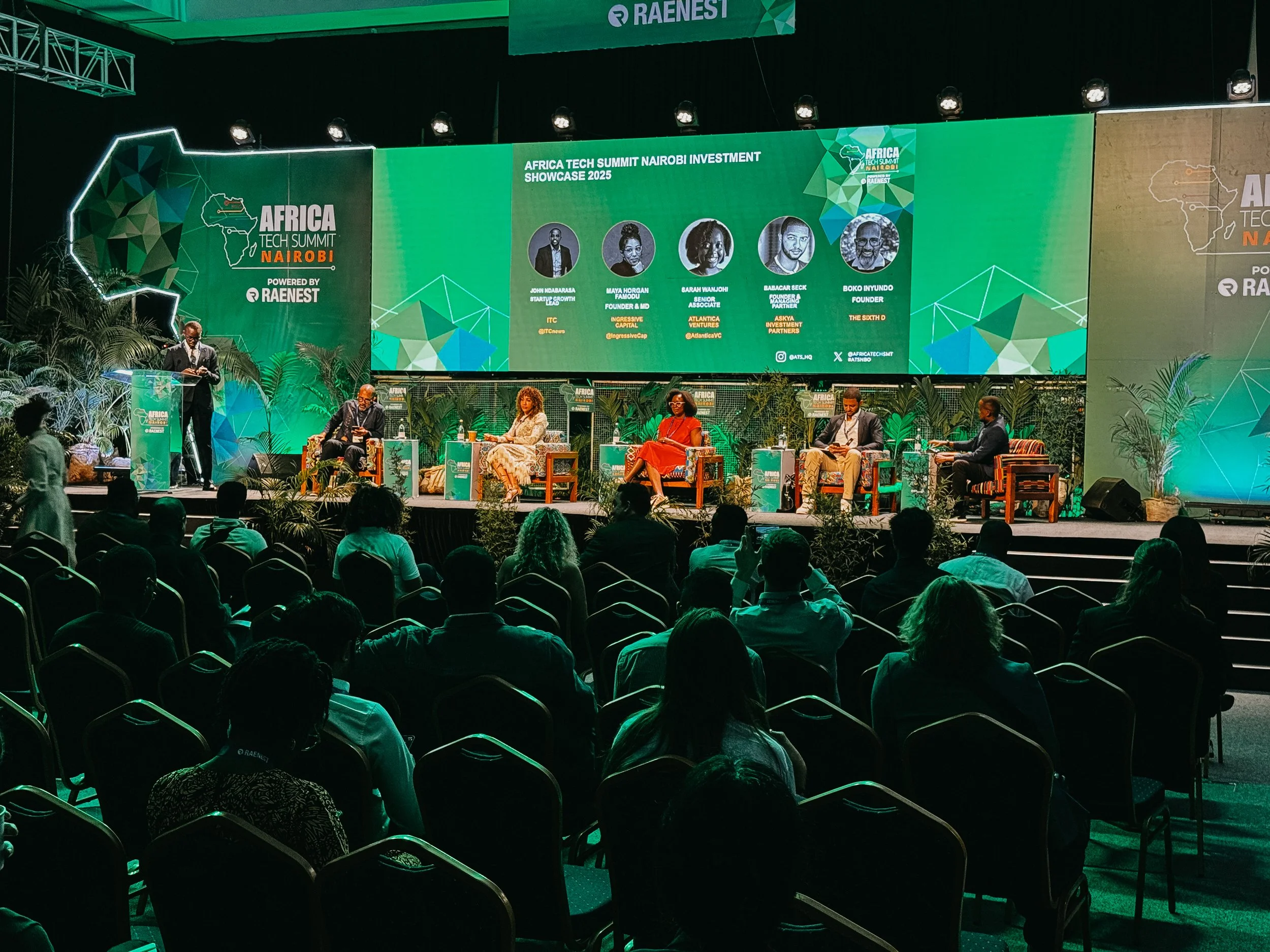
African startups raised $705 million in Q1 2026, signaling a new era for African startup funding 2026. Discover how fintech, energy, logistics, and agritech are reshaping jobs, creator opportunities, and cross-border digital trade—and how you can plug into this surge.
Africa’s $705 Million Q1 Shockwave: Why African Startup Funding 2026 Matters To You
In the first quarter of 2026, African startups pulled in $705 million in fresh capital across 59 deals in 14 countries, signaling a powerful new phase for African startup funding 2026[3]. Moreover, this is a 26.5% jump on the same period in 2025, showing that momentum is back and getting stronger[3]. Consequently, you are watching a continent where digital ideas turn into funded companies, new jobs, and bold creator careers. Ultimately, this surge is not just about big numbers; it is about how you can plug into a maturing ecosystem that finally wants African founders, creators, and innovators at the center.
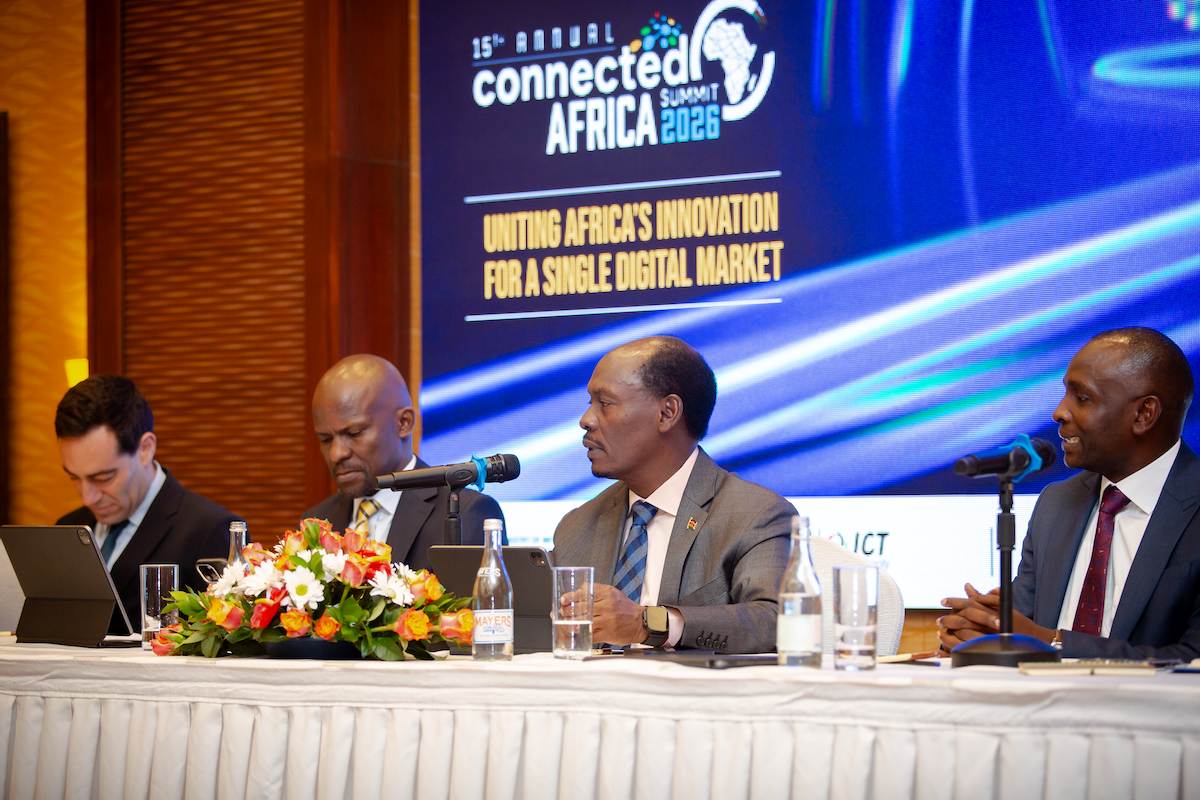
Notably, investors are backing fintech, clean energy, logistics, and agritech at scale, while debt and hybrid instruments rise as smart alternatives to pure equity[4][6]. Furthermore, more African investors are now leading rounds, and Middle Eastern and Japanese funds are quietly reshaping deal flows[6]. As a result, the way you build your startup, monetize your content, or grow your fashion or music brand in Africa is changing fast. Therefore, this is your deep guide to where the money is going, which countries are heating up, and exactly how you can position yourself to benefit.
Breakdown Of The $705 Million: Countries Driving African Startup Funding 2026
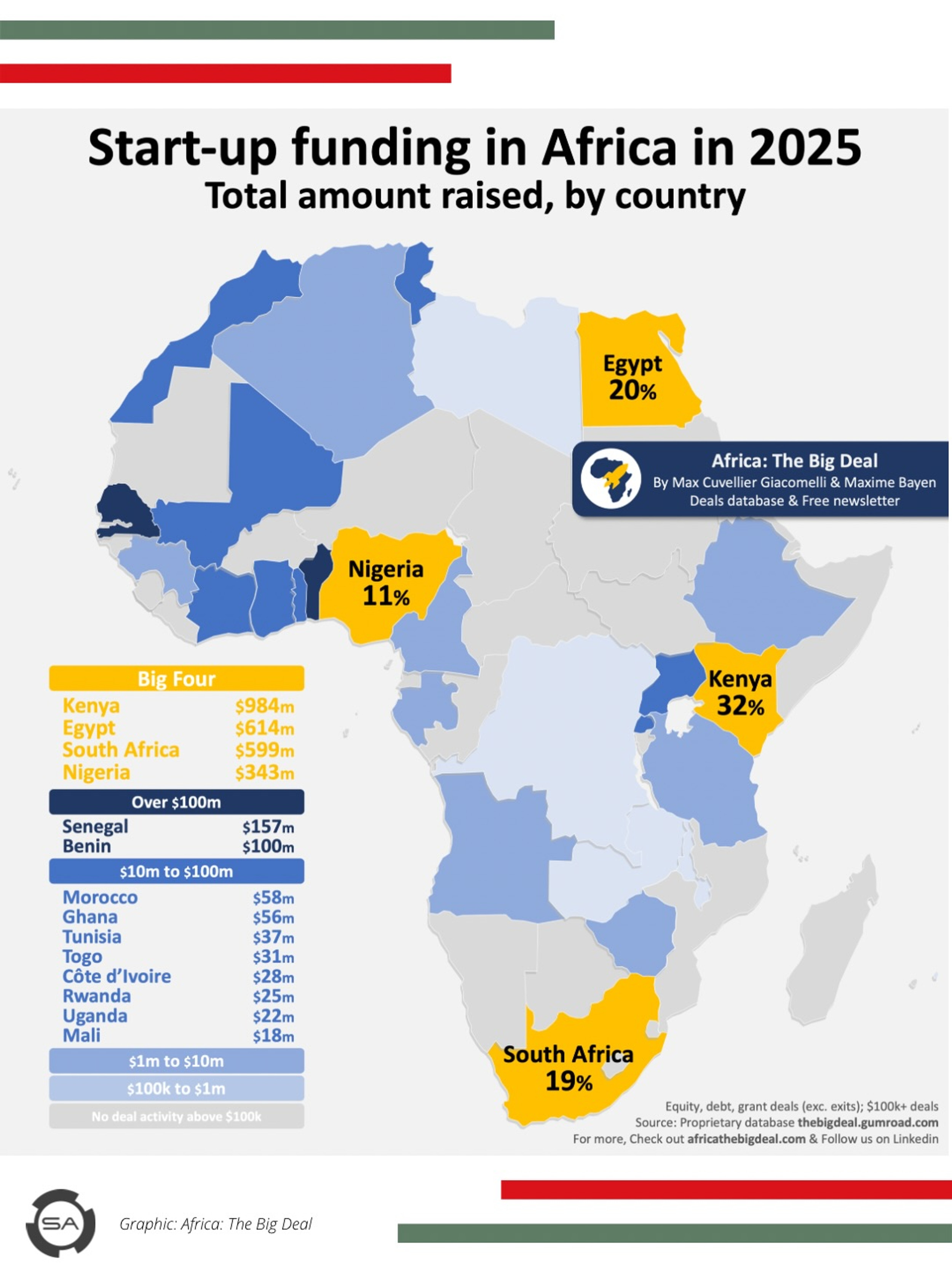
According to African Business, African startups raised $705 million in Q1 2026 across 14 markets, with Egypt, South Africa, Kenya, Nigeria, and Morocco among the leading hubs[3]. Additionally, deal sizes are larger, and the share of growth and later-stage rounds is inching up, reflecting a more mature market. In particular, fintech remains the top sector by dollars raised, but logistics, mobility, and climate-focused energy startups are rapidly closing the gap[3][7]. Consequently, you now see a funding map that no longer revolves around one or two countries, but around a wider belt of digital economies hustling for capital.
However, each ecosystem tells a different story about investor appetite, sector focus, and the mix of equity versus debt. Therefore, when you plan your next venture or partnership, you need to think country-by-country instead of treating Africa as one uniform market. For instance, Kenya and Nigeria still dominate pure tech deal flow, while Egypt and Morocco are winning in e-commerce and energy-linked innovation[3][6]. Ultimately, knowing these nuances helps you decide where to incorporate, where to raise, and where to build your cross-border customer base.
Egypt: Energy, E‑Commerce, And Global Capital Flows
Egypt continues to rank among the top destinations for African startup funding 2026, mixing strong local talent with regional and international capital[3][6]. Moreover, the country benefits from Middle Eastern funds that increasingly see Cairo and Alexandria as launchpads into the wider continent[6]. Specifically, Bloomberg’s coverage highlights Mubadala’s investment into Egyptian e-commerce startup Breadfast, signaling confidence in scalable consumer platforms coming out of Egypt[6]. Consequently, if you are building logistics-heavy e-commerce, food delivery, or energy management solutions, Egypt offers access to both African and Gulf investors.
Additionally, Egypt’s innovation grant ecosystem, including bodies like the Technology Innovation and Entrepreneurship Center (TIEC), gives early-stage founders a path to pilot funding before they approach VCs[2]. Therefore, you can start with grants and incubators, gather traction, and then step into larger seed and Series A rounds as the market warms up. Ultimately, Egypt is showing you how a mix of public innovation support, regional funds, and local angels can create a full pipeline from idea to growth-stage scaling.
South Africa: Fintech, Climate Tech, And Debt Structures
South Africa remains a magnet for fintech, insuretech, and climate tech investors, backed by relatively deeper local capital markets and strong institutional investors[3][6]. Furthermore, South African founders have leaned into debt and hybrid instruments, especially revenue-based financing and venture debt, as equity terms tightened after the 2021 VC bubble burst[4][6]. Consequently, you can now build growth plans that protect your ownership while still unlocking sizable funding for expansion and technology upgrades.
Additionally, agencies like the Technology Innovation Agency (TIA) offer grants and support for early innovation, bridging the gap between lab prototypes and investable companies[2]. Therefore, if you are in fintech, healthtech, or clean energy, South Africa gives you a layered capital stack: grant, debt, and equity. Ultimately, this mix allows you to experiment with AI, data, and creative products without surrendering control too early.
Kenya: Logistics, Mobility, And Creator‑Friendly Platforms
Kenya’s startup story in 2026 is defined by logistics and transport, with sector funding reaching about $119.6 million, led by e-mobility player Spiro, which raised $57 million[7]. Moreover, this reflects a broader shift where Kenyan founders solve real problems around moving goods, people, and payments at continental scale. Consequently, as a creator or influencer, Kenya’s digital platforms around mobility, delivery, and fintech give you new ways to monetize content by plugging into affiliate programs, brand storytelling, and data-driven campaigns.
In addition, support initiatives like Kenya Innovation Bridge and regional accelerators help early-stage startups build and test products before they chase big cheques[1][2]. Therefore, whether you are building a logistics SaaS, an influencer-driven commerce brand, or an agritech marketplace, you can find targeted support. Ultimately, Kenya’s ecosystem shows you how operational excellence plus strong storytelling can turn local solutions into cross-border businesses.
Nigeria: Fintech Powerhouse And Influencer‑Led Growth
Nigeria continues to sit at the center of African fintech and creator culture, attracting investors who want scale across payments, lending, and digital commerce[3][5]. Moreover, Bloomberg’s 2026 list of African startups to watch spotlights Nigerian companies like Moniepoint, a fintech unicorn that proves African products can rival global platforms[4][5]. As a result, if you operate in finance, creator tools, or digital entertainment, Nigeria offers massive market depth and a culture that rewards bold ideas.
Additionally, Nigeria’s influencer and celebrity ecosystem drives adoption for new apps, wallets, and creator monetization tools faster than in many markets. For instance, when Nigerian music stars and lifestyle influencers champion a new fintech or content platform, downloads spike, and investors take notice. Therefore, if you are building a startup there, you must think creator-first: design products that work naturally with music, fashion, and entertainment campaigns. Ultimately, Nigeria shows you how African celebrities and influencers can become co-builders of technology brands, not just paid promoters.
Morocco And North Africa: Renewables, Logistics, And EU‑Adjacent Growth
Morocco and its North African neighbors are quietly rising in 2026, especially around renewable energy, logistics, and cross-border trade infrastructure[3]. Furthermore, their geographic and trade links with Europe make them ideal testing grounds for export-facing African tech. Consequently, investors interested in climate, shipping, and agritech are backing startups that can serve both African and European markets.
Additionally, Morocco’s growing tech scenes in Casablanca and Rabat combine design, hardware, and software talent, giving you an ecosystem that values creativity as much as code. Therefore, if your startup connects African fashion brands, creative studios, or agritech products to EU buyers, Morocco can be a strategic base. Ultimately, North Africa’s rise offers you new options beyond the traditional “big four” hubs.
From Equity To Debt: How Funding Instruments Are Shifting In 2026
Across the continent, one of the most important shifts in African startup funding 2026 is the rise of debt and hybrid structures[4][6]. According to Bloomberg’s analysis, African startups almost doubled their debt fundraising in 2025 even as equity financing declined, and this pattern is extending into 2026[4]. Moreover, venture debt, revenue-based financing, and convertible instruments now help growth-stage companies scale without giving away large chunks of equity at down-round valuations. Consequently, you must understand these tools if you want to keep more control of your company while still unlocking serious capital.
Furthermore, Bloomberg’s Next Africa conversations highlight how founders have had to rewrite their funding playbook as global VC appetite for risk dropped after 2021[6]. As a result, African investors, Middle Eastern funds, and Japanese capital now play a larger role, often blending debt and equity to support long-term growth[6]. Therefore, when you plan your fundraising, you should explore a capital stack that includes grants, angel equity, venture capital, and debt that fits your cash flows. Ultimately, this broader toolkit is good news for disciplined founders who can manage repayment while targeting sustainable margins.
Understanding The New Capital Stack
Importantly, African founders in 2026 rarely rely on a single funding source. Instead, they build layered stacks that move from grants and pre-seed to VC and then to debt. For instance, many early-stage teams tap equity-free grants, accelerators, and angel investment to reach MVP and initial traction[1][2]. Additionally, platforms like Startup Map Africa now catalogue dozens of equity-free grants, accelerators, and seed investors focused on African founders, giving you a clearer path from idea to seed round[1]. Consequently, you can design funding roadmaps that match your sector, stage, and risk appetite.
In addition, LinkedIn curations of more than 40 African startup grants in 2026 highlight opportunities from World Bank’s XL Africa to Google for Startups Black Founders Fund Africa and AfDB’s Boost Africa Program[2]. Therefore, before you pitch a VC, you can stack non-dilutive capital, build your product, and validate your market. Ultimately, this approach lowers the pressure to accept harsh equity terms early and gives you more leverage in later negotiations.
Debt And Hybrid Instruments: What They Mean For You
Debt funding for African startups now includes venture debt, revenue-based financing, and structured loans tied to cash flow[4][6]. Moreover, this trend suits companies with predictable revenue, such as SaaS platforms, fintechs with transaction fees, and logistics startups with long-term contracts. Consequently, if you run a business with strong monthly recurring revenue, debt can become a powerful growth driver.
However, debt requires careful planning. You must track unit economics, margin, and collection cycles so that repayments never strangle your operations. In addition, hybrid instruments such as convertible notes or SAFE-like tools blend aspects of debt and equity, giving you flexibility for future valuation rounds. Therefore, you should work with advisors who understand African market realities, not just Silicon Valley templates. Ultimately, mastering these instruments allows you to scale while staying in control of your cap table.
How The Surge Is Re‑Shaping Jobs, Creator Opportunities, And Digital Trade
The $705 million wave is not only changing company balance sheets; it is reshaping how Africans work, create, and trade digitally[3][6]. Moreover, every funded startup unlocks new job roles around product, growth, content, and community, often designed for digital-native youth. As a result, you now see more roles for content creators, social media strategists, and brand storytellers inside fintech, logistics, and energy startups than ever before.
Additionally, funded platforms make it easier for African fashion labels, musicians, and filmmakers to sell across borders using mobile payments, logistics APIs, and localized marketplaces. For instance, when logistics startups in Kenya or Nigeria integrate with e-commerce platforms, creators can ship merchandise to new countries with lower friction. Therefore, if you are an influencer or creative entrepreneur, you should watch which startups are raising and then build partnerships that let you tap their infrastructure. Ultimately, this is how funding news becomes your opportunity roadmap.
New Kinds Of Jobs In African Tech Startups
Notably, African tech startups now hire for roles that merge tech, culture, and storytelling. You see job titles like Creator Partnerships Lead, Community Manager, Content Strategist, and Brand Collaboration Manager inside fintech and energy startups. Moreover, these roles exist because investors know that customer trust in Africa often starts with culture, music, and lifestyle narratives.
Furthermore, healthtech, agritech, and mobility platforms need creators to explain products in local languages and relatable formats. Consequently, if you are an influencer, podcaster, or YouTube storyteller, you can pitch startups to become their content partner or face of new campaigns. In addition, some startups offer revenue-sharing deals or equity for creators who help drive adoption, turning promotional work into long-term wealth building. Therefore, you should treat job boards, accelerator portfolios, and Bloomberg’s “25 African Startups to Watch” list as discovery tools for your next collaboration[4][5]. Ultimately, the future of work in African tech blends technical skill with creative influence.
Creator Opportunities In Fintech, Fashion, And Music
Fintech might sound dry, but funded African payment and lending brands need creative energy to win crowded markets. Moreover, influencers in fashion, music, and lifestyle can turn fintech apps into culture by linking them to ticket sales, merch drops, and fan clubs. Consequently, you can negotiate deals where you promote secure wallets or BNPL tools while driving fans to your own digital products.
Additionally, African fashion and music ecosystems benefit from better logistics and cross-border payments. Startups building checkout APIs or cross-currency wallets make it easier for you to sell merch to fans in Lagos, Nairobi, Johannesburg, and Casablanca. For instance, when you plug your store into a logistics startup backed with Q1 2026 funding, you can promise faster delivery and better tracking. Therefore, following funding news helps you choose the right tech partners for your creative brand. Ultimately, you are no longer just a content creator; you are a digitally enabled entrepreneur.
Cross‑Border Digital Trade: From Local Sales To Continental Reach
As funding flows into logistics, mobility, and energy, cross-border digital trade across Africa is becoming more practical[3][7]. Moreover, investors back companies that build reliable infrastructure for payments, warehousing, and transport because these are the rails for continental commerce. Consequently, African creators, fashion labels, and indie game studios can sell across borders without needing their own complex operations.
In addition, initiatives like the Indie Games Fund Africa provide cash to digital creators building games and interactive experiences for African audiences[8]. Therefore, if you are a game developer, designer, or storyteller, you can access targeted funding instead of competing directly with pure-play SaaS startups. Similarly, fashion and music brands can join platforms supported by AfDB’s Fashionomics Africa or creative enterprise programs highlighted in funding roundups[2]. Ultimately, your ability to trade across Africa now depends less on geography and more on which funded platforms you choose to partner with.
Actionable Pathways: How Founders And Creators Can Plug Into African Startup Funding 2026
So, how do you move from reading about $705 million to getting a slice of it for your idea or brand? Importantly, you need a clear, practical plan that links your skills, audience, or product to the capital stack emerging in 2026. Moreover, this plan should combine grant hunting, accelerator applications, investor mapping, and creator-focused partnerships.
Additionally, you must stay close to trusted information sources. Platforms like Startup Map Africa list live seed funding, equity-free grants, and accelerators for African startups in 2026[1]. Likewise, curated lists of grants on LinkedIn keep you updated on deadlines and eligibility across sectors like agritech, fashion, and digital innovation[2]. Therefore, you should build a routine of checking these resources weekly and aligning them with your roadmap. Ultimately, consistent information plus disciplined execution beats waiting for “lucky” opportunities.
Step‑By‑Step Guide For Founders
- Map your sector and stage. Additionally, decide whether you are pre-idea, MVP, early revenue, or growth stage. Therefore, you can target the right mix of grants, accelerators, and VC.
- Start with non-dilutive capital. Moreover, apply for grants like XL Africa, Google Black Founders Fund Africa, and AfDB programs highlighted in 2026 grant lists[2]. Consequently, you gain traction before you negotiate equity.
- Join sector-focused accelerators. For instance, consider energy, logistics, or agritech accelerators that offer mentorship and investor intros[1][2]. Additionally, these programs often lead directly to seed or Series A rounds.
- Build relationships with African investors. Furthermore, remember that roughly 45% of funding now comes from African investors, up from 20% previously[6]. Therefore, attend local demo days, ecosystem events, and online meetups to pitch.
- Plan for debt or hybrid instruments. Ultimately, once revenue stabilizes, explore venture debt or revenue-based financing so you can scale without losing too much equity[4][6].
Step‑By‑Step Guide For Creators And Influencers
- Identify funded startups aligned with your niche. Moreover, track fintech, fashion, and music-adjacent startups in Bloomberg’s “25 African Startups to Watch” and regional news[4][5]. Consequently, you can pick companies that match your audience.
- Pitch collaboration packages. Additionally, design offers that include content production, campaign strategy, and performance-based fees or equity options. Therefore, you present yourself as a growth partner, not a one-off ad buy.
- Leverage cross-border platforms. For instance, use funded logistics and payment startups to sell merch, tickets, or digital products in multiple African markets. Furthermore, highlight to investors how your reach drives adoption.
- Co-create digital products. Ultimately, collaborate with startups on branded fintech cards, creator wallets, or exclusive drops that merge their tech with your culture. As a result, you both gain new revenue streams.
Where To Learn More And Stay Ahead
To keep your edge, you need ongoing context, not just one-time headlines. Additionally, you should track platforms that specialize in African business and startup funding analysis. For example, African Business offers deep coverage of deals, sectors, and trends, including the $705 million Q1 2026 surge[3]. Moreover, Bloomberg spotlights key startups to watch and explains how debt fundraising is changing the landscape[4].
In addition, podcasts like Bloomberg’s Next Africa break down investor sentiment, regional money flows, and the rise of African investors with clear data and examples[6]. Therefore, if you listen while you build or commute, you can turn spare time into strategic insight. Ultimately, staying informed helps you ask better questions, pitch smarter, and design products that match where the capital is going.
Positive African Innovation: Spotlight On Founders And Creators You Should Watch
Beyond pure funding metrics, African startup ecosystems shine because of the people driving them. Moreover, 2026’s lists of startups to watch are full of founders and teams connecting tech with health, logistics, and creator empowerment. For instance, Bloomberg’s coverage highlights companies building solutions for accessing doctors in Chad, moving goods in Kenya, and securing loans in South Africa[4]. Consequently, every breakthrough in these sectors opens new lanes for creative collaboration.
Additionally, African content creators, musicians, and fashion innovators use these platforms as launchpads. They host live commerce shows, build shoppable content, and craft narratives that make tech feel human and local. Therefore, as you explore the next wave of African celebrities and influencers, pay special attention to those who treat startups as partners, not just sponsors. Ultimately, this is where sustainable careers and generational businesses get built together.
Explore More On Topping Africa
Importantly, if you want to dive deeper into the stories behind the funding numbers, you can explore curated coverage across Topping Africa. Moreover, each section offers a different lens on how money, culture, and technology are reshaping the continent.
- Business & Economy – Additionally, track African startup deals, funding breakdowns, and practical business insights for founders.
- Technology – Discover new apps, platforms, and African tech startups changing daily life and creator opportunities.
- Culture & Lifestyle – Furthermore, follow how fashion, music, and influencer culture turn tech into mainstream trends.
For broader context, you can also read more about regional developments in Africa News and track how sports, health, and entertainment intersect with digital innovation through Entertainment. Consequently, you stay ahead of the curve and spot new collaboration angles early.
Practical CTAs: Your Next Moves In Africa’s Digital Economy
Now that you understand how African startup funding 2026 is reshaping the digital economy, your next step is action. Additionally, start by mapping your skills, networks, and ideas against the sectors attracting the most capital: fintech, energy, logistics, agritech, and creative tech. Moreover, choose one or two ecosystems where you can realistically add value, either as a founder or creator.
Furthermore, explore more stories, founder interviews, and funding breakdowns on Topping Africa to sharpen your strategy. Then, subscribe to the platforms and newsletters that keep you updated on grants, accelerators, and startup watchlists. Therefore, do not just read about the $705 million surge; use it as a signal to refine your pitch, upgrade your brand, and reach out to potential collaborators. Ultimately, share your thoughts, leave a comment, and keep the conversation going so that Africa’s next funding wave includes your name.

Staff
Contributing writer at Topping Africa.
0 Comments
No comments yet. Be the first to share your thoughts!