Inside Africa’s Creator Economy Boom: The Influencers and Tools Changing How Content Is Made
Africa’s creator economy is exploding, with African content creators turning viral clips into serious businesses. Explore the influencers, tools, and trends reshaping how content is made, monetized, and shared across the continent.
Inside Africa’s Creator Economy Boom
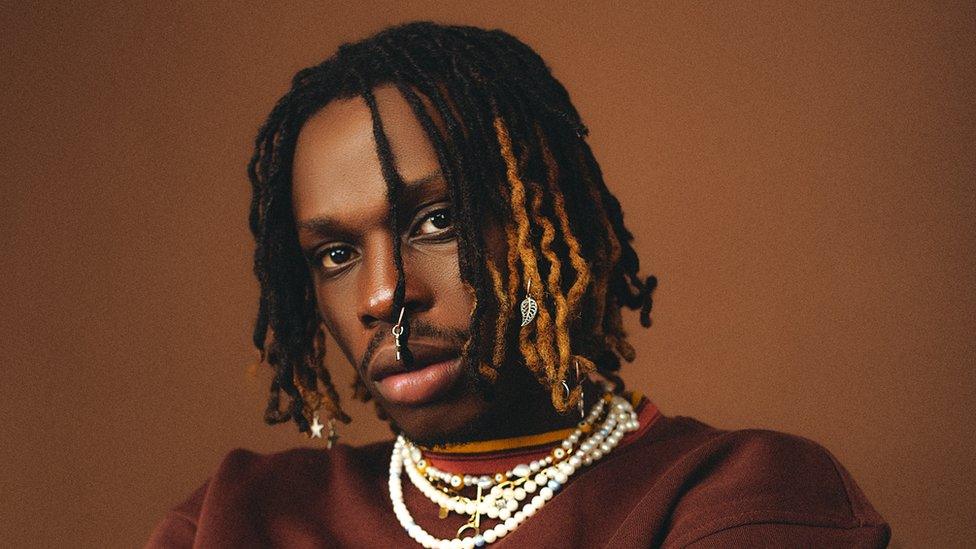
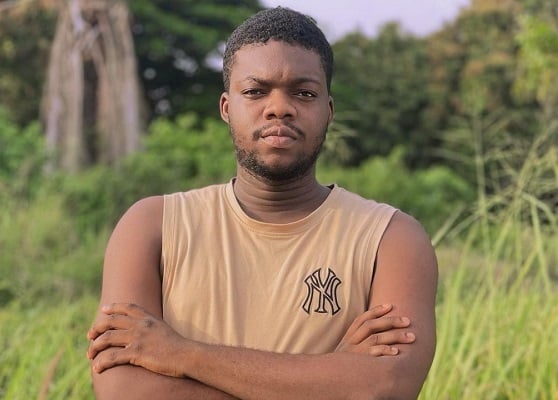
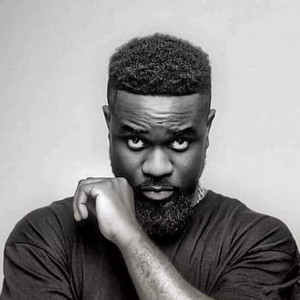
The rise of African content creators is rewriting how culture, media, and money move across the continent. Today, you are not just scrolling past viral clips; you are watching a new creative industry take shape in real time. Moreover, this shift is unlocking fresh careers, new tech startups, and cross-border brands that did not exist a decade ago.[6]
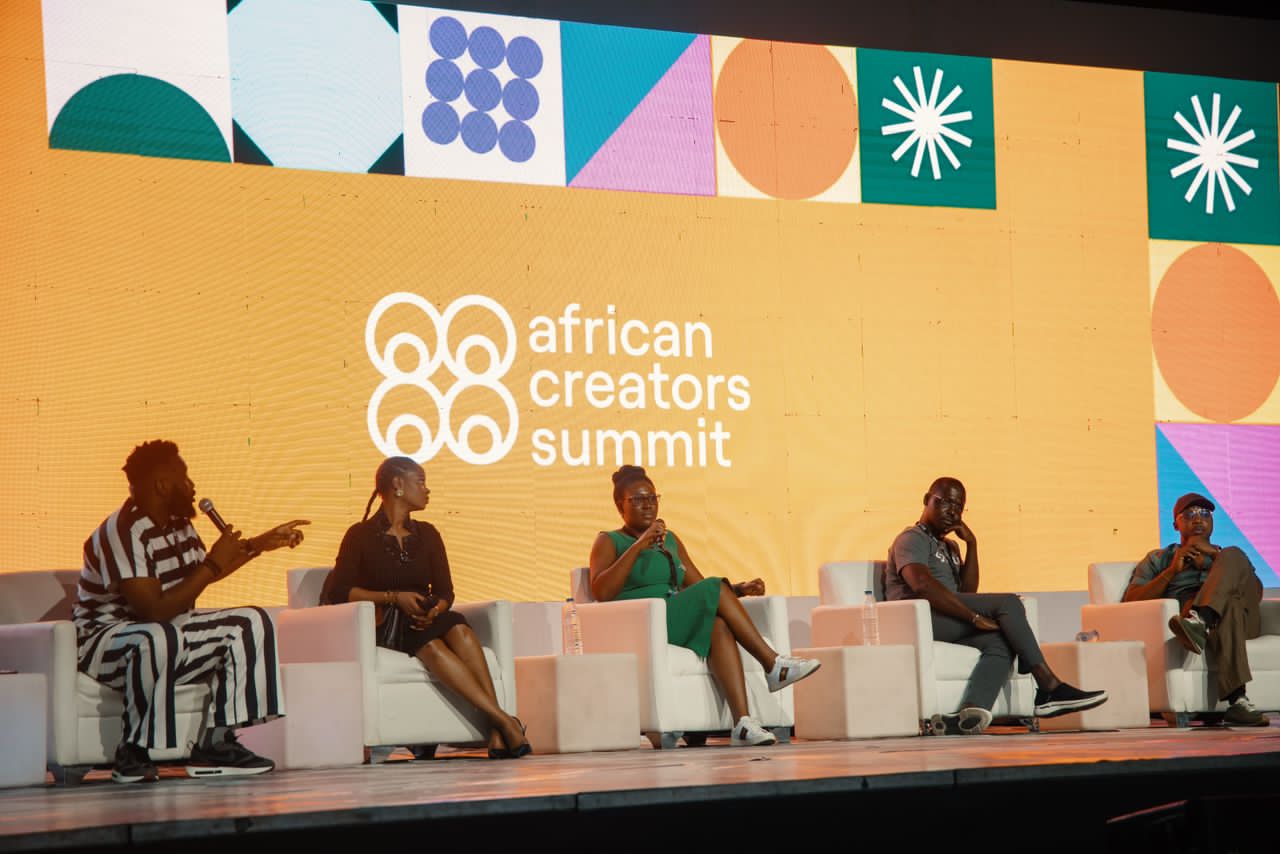
According to recent reports, Africa’s creator economy already sits around $3.4 billion and grows at roughly 35% each year.[6] Additionally, projections suggest it could reach almost $17.84 billion by 2030, as more creators monetize through platforms, brands, and their own products.[5][6] Consequently, if you are serious about building in the digital space, the creator boom is no longer a side story; it is the main stage.
Furthermore, from Lagos to Nairobi and Johannesburg, creators now influence everything from music charts to fashion trends and fintech marketing.[1][3] In this guide, you will step inside that boom, meet some of the key African content creators, and discover the tools, platforms, and strategies transforming how content gets made and paid for.
The New Power of African Content Creators
Across the continent, African content creators are moving from “influencers” to full-scale media brands. They shape how people discover music, fashion, food, travel, and even digital banking apps.[3][6] Additionally, they carry deep community trust and cultural insight that big brands cannot match on their own.[7]
Reports on the African creator economy highlight three major growth drivers: social commerce, short-form video, and niche communities.[3][6] As a result, creators who understand their audience and leverage these trends are earning from multiple income streams, not just one platform. Ultimately, this power shift explains why global and African companies now build campaigns around creators first, not traditional ads.[7]
Importantly, this momentum is not limited to big-name celebrities. Many mid-tier and micro-creators in Kenya, Ghana, South Africa, and francophone Africa now drive higher engagement and conversion than mainstream stars, especially in local languages and community-focused niches.[3][6]
From Viral Clips to Creator-Led Businesses
Today’s strongest African content creators do more than chase viral views. Instead, they build layered businesses around their content.[6] Furthermore, they combine platform monetization, brand partnerships, product drops, and live experiences into one ecosystem.
For instance, many creators now launch their own fashion capsules, digital products, paid communities, and training programs.[3][6] Additionally, creator-friendly startups across fintech, logistics, and SaaS help them manage invoices, subscriptions, and cross-border payouts. Therefore, when you look beneath the surface of a “funny skit” or a “dance challenge,” you often find a smart, multi-channel business engine.
Short-Form Video: The Front Door of the Creator Economy
Short-form video is the main entry point into the modern creator economy across Africa. Platforms like TikTok, Instagram Reels, and YouTube Shorts have lowered the barrier to global reach.[3][6] Consequently, a single 15-second clip can push a creator from unknown to regional star in days.
As we head deeper into 2026, social commerce and short-form video are tightly linked.[3] Furthermore, audiences increasingly discover products, music, and experiences inside these clips, then click straight through to buy. In particular, this unlocks huge upside for African fashion designers, beauty brands, and music artists looking to reach young, mobile-first consumers.
Rising Short-Form Stars You Should Watch
Across the continent, several creators show how powerful short-form video can be for culture and business: [9]
- Khaby Lame, the Senegalese-born, Italy-based creator, turned silent reaction videos into one of TikTok’s biggest followings globally, proving how African humor travels worldwide.[9]
- Elsa Majimbo from Kenya used simple, low-fi comedy clips to land international brand deals and global media coverage.[9]
- Charity Ekezie from Nigeria blends storytelling, journalism, and viral formats to challenge stereotypes about Africa on platforms like Facebook and TikTok.[8][9]
Additionally, many regional stars now dominate specific niches, from food TikTok in Ghana to amapiano dance creators in South Africa.[3][9] If you are building your own content brand, studying their consistency, storytelling, and audience engagement gives you a strong blueprint.
Tools Changing How African Content Gets Made
Behind the viral clips and polished feeds, a wave of tools and startups is transforming how creators plan, shoot, edit, and monetize content. Moreover, many of these tools are mobile-first and data-light, designed for African realities like patchy internet and mid-range phones.[3][6]
According to recent ecosystem overviews, creators increasingly rely on AI editing tools, automation platforms, and fintech apps to streamline their workflow and payments.[2][6] Additionally, these tools help you move from “posting for fun” to running a serious creative business with analytics, contracts, and global payouts.
AI Editing and Content Automation
AI is no longer a buzzword for African content creators; it is part of the daily workflow. Today, creators use mobile and web-based AI tools for script generation, captioning, translation, and video editing.[2][3] Furthermore, this shift helps small teams produce studio-level content from their bedrooms or shared workspaces.
For example, AI editing apps can auto-cut long footage into short clips, add subtitles in multiple languages, and suggest hooks for higher retention. Additionally, voice cloning and text-to-speech tools help creators localize content into Swahili, Hausa, or French without new voice-over sessions.[2][3] Consequently, you can reach wider audiences and test more ideas without burning out.
Notably, global platforms are also building AI tools directly into their products. YouTube’s “Dream Screen,” TikTok’s editing suite, and Meta’s creator tools all reduce production friction and help you ship content faster.[3] If you are not exploring these features, you may be working harder than you need to.
Fintech, Payouts, and the Money Layer
One of the biggest shifts in Africa’s creator economy is the rise of fintech tools that actually pay creators reliably. Historically, many African creators struggled with platform payouts due to limited access to international banking.[6][7] However, new startups and payment providers now bridge that gap.
Platforms and tools that support virtual dollar cards, cross-border wallets, and local mobile money payouts make it easier for you to receive income from YouTube, Patreon, digital stores, and brand gigs.[6] Additionally, some African neobanks and SaaS tools now tailor features specifically for creators, including invoice templates, contract storage, and tax guidance.[6][7] As a result, you can manage your creative hustle like a proper business, not just a side hobby.
Monetization: How African Creators Actually Earn
Monetization is the question every creator asks first. According to recent reports, the most successful African content creators combine multiple revenue streams rather than relying on one platform.[2][3][6] Furthermore, this diversification protects you when algorithm changes or ad rates drop.
Studies of the African creator economy highlight several primary income channels: brand partnerships, platform payouts, fan-based monetization, and product sales.[2][6] Additionally, creators increasingly earn from speaking gigs, consulting, live events, and collaborations with African tech startups.[3][6] Therefore, it is useful to think of your content as a funnel into a broader business, not just a single revenue line.
Key Revenue Streams for African Content Creators
- Brand partnerships and influencer campaigns with local and global brands looking for cultural authenticity and trust.[7]
- Platform monetization such as YouTube Partner Program, TikTok Creator rewards, Instagram bonuses (where available), and Facebook in-stream ads.[2][6]
- Social commerce through in-video product tags, affiliate links, and direct sales via WhatsApp, Instagram Shops, or dedicated storefronts.[3]
- Fan monetization using memberships, Patreon-style support, exclusive content, and live-stream gifting.[2][6]
- Own products including fashion lines, digital courses, presets, e-books, and branded merchandise.[3][6]
Additionally, social commerce is rapidly becoming a main sales channel in Africa, allowing creators to sell products directly inside content.[3] Consequently, if you are only relying on one platform for income, you leave serious money on the table.
Brand Partnerships and Cross-Border Deals
Global brands increasingly recognize the value of African audiences and creators. Reports on brand deals show that companies now prioritize cultural authenticity, community trust, and real engagement over simple follower counts.[7] Furthermore, African creators often outperform global peers when they tell honest, localized stories that resonate deeply with communities.
Cross-border deals are also on the rise. African fashion, music, gaming, and tech brands now partner with creators in multiple countries at once to reach pan-African and diaspora markets.[3][7] Additionally, events like the African Creators Summit and other regional festivals help connect creators with brand managers and agencies in person.[1][10] If you want serious brand work, building a clear media kit and learning to negotiate fair value is just as important as creating content.
Inside Africa’s Creator Summits and Communities
Creator communities and summits across Africa play a major role in this boom. Recent gatherings like the African Creators Summit (ACS), the African Social Media & Influence Summit (ASMIS), and similar festivals bring together hundreds of creators, brands, and tech players.[1][4][10] Additionally, these events provide hands-on training, networking, and visibility for rising stars.
At ACS 3.0, organizers spotlight “cultural commerce” and show how music, fashion, food, and movement creators can turn attention into scalable businesses.[10] Moreover, over 200 African content creators gathered at ASMIS 2026 to discuss how they shape Africa’s future narratives, both online and offline.[4] Consequently, you do not need to grow alone; community-driven learning is now a core part of the ecosystem.
If you attend these summits, you also meet African tech startups building tools for creators, from analytics dashboards to music distribution platforms.[1][10] As a result, you gain early access to features, pilot programs, and partnerships that can accelerate your growth.
Online Communities and Knowledge Sharing
Beyond physical events, online creator communities across Telegram, Discord, and private membership platforms support peer learning. Many creators share rate cards, deal templates, and algorithm insights inside these spaces.[2][3] Additionally, some African incubators and accelerators now include “creator programs” that teach business skills, storytelling, and financial literacy for digital talent.[6]
Therefore, if you are serious about growing, you should not treat other creators as competition only. Instead, you can join niche communities by country, language, or industry and trade knowledge. Ultimately, collaboration often leads to better reach, richer content, and stronger bargaining power with brands.
Spotlight: Rising African Content Creators to Learn From
To understand how this boom looks in practice, it helps to watch specific creators across fashion, tech, music, and lifestyle. Moreover, these creators blend authentic storytelling with smart monetization and cross-border strategies.[3][9] As you study them, focus on how they package their personality, culture, and niche expertise.
Fashion and Lifestyle Trailblazers
Fashion and lifestyle remain core pillars of Africa’s creator scene. Additionally, creators in this space often influence shopping decisions directly, making them ideal partners for social commerce campaigns.[3][6]
- Sarah Langa (South Africa) has built a premium fashion and lifestyle brand that blends high-end style with accessible storytelling, often working with luxury and local brands.
- Mihlali Ndamase (South Africa) is a beauty and lifestyle creator known for high-quality tutorials and brand campaigns across makeup, skincare, and travel.
- Dimma Umeh (Nigeria) combines beauty content with honest conversations about growth, work, and life, building a loyal community that trusts her recommendations.
Furthermore, many fashion creators now launch their own labels and capsule collections, or collaborate with African designers for limited drops.[3] Consequently, they transition from “influencing” style to actually designing and selling it.
Music, Dance, and Entertainment Creators
African music and dance drive some of the most powerful trends on social platforms. Hit songs often break first through creator-led challenges, not radio.[3] Additionally, artists now design release strategies that center viral content and creator partnerships from day one.
- Focalistic (South Africa) leverages amapiano-fueled social media trends and dance content to push songs across borders.
- Uncle Waffles (Eswatini/South Africa) blends DJ performances, dance, and strong visual storytelling, turning sets into shareable content moments.
- Ayra Starr (Nigeria) consistently activates fans and creators around new releases, using challenges and aesthetic trends across TikTok and Instagram.
Moreover, creators who specialize purely in dance or performance, even without releasing music, now land brand campaigns and tour opportunities.[3][9] Therefore, if you love music and movement, you can treat your feed as a stage and a business channel.
Tech, Education, and Business Creators
Beyond lifestyle and entertainment, a new wave of creators focus on tech, business, and personal growth. As African tech startups expand, they need storytellers who can explain products in simple, engaging ways.[3][6] Additionally, many young professionals now learn skills from short tutorials on coding, design, finance, and career growth.
- Iyinoluwa Aboyeji (Nigeria) often shares insights on startups, venture capital, and innovation, offering founders a window into Africa’s tech future.
- Fisayo Fosudo (Nigeria) has built a respected tech review channel, helping Africans make better decisions on phones, gadgets, and fintech apps.
- Miss Trudy (Kenya) mixes travel, lifestyle, and business insights as she explores African cities and documents local entrepreneurship.
Furthermore, educational creators often monetize through courses, paid communities, and partnerships with edtech or fintech brands.[3][6] Consequently, if you are skilled in any topic, from photography to coding, you can package that expertise for audiences hungry to learn.
Practical Playbook: How to Grow as an African Content Creator
If you want to ride this wave, you need more than inspiration; you need a clear plan. Additionally, while every journey is different, certain principles consistently drive growth in Africa’s creator economy.[3][6] The steps below give you a practical starting point.
1. Define Your Niche and Audience
Firstly, you should define who you serve and what value you bring. Are you about fashion for students, fintech for small businesses, or comedy skits in pidgin? Furthermore, the more specific your niche, the easier it is to stand out and attract brands that fit your vibe.
Additionally, think about language, location, and platform. For instance, you may focus on Swahili TikTok, francophone YouTube, or English Instagram Reels. Ultimately, clarity on your niche speeds up every decision you make afterward.
2. Build a Consistent Content System
Secondly, you should build a content system, not only random posts. Plan weekly themes, record in batches, and schedule uploads.[3] Furthermore, use AI tools for idea generation, captions, and basic edits to reduce friction.[2][3]
Additionally, track simple metrics like watch time, saves, shares, and comments. These numbers show what your audience loves most. Consequently, you can double down on what works and cut formats that do not perform.
3. Prioritize Community, Not Just Virality
Virality helps, but community keeps you here long term. Therefore, reply to comments, ask questions, and feature your viewers in content.[3] Additionally, use tools like polls, Q&A, and live sessions to turn followers into fans.
Furthermore, you can create simple rituals like weekly live chats, monthly giveaways, or fan shout-outs. As a result, your audience feels seen, and your engagement becomes more resilient to algorithm changes.
4. Design Your Monetization Early
Many creators wait too long to think about money. However, if you map out potential revenue streams early, you create content that supports them.[2][6] For example, if you aim to launch a fashion line, you should showcase styling, behind-the-scenes designs, and fabric stories from day one.
Additionally, explore brand collaborations that align with your values, not just any paycheck. Use guidance from resources like the Influencer Marketing Hub and the UNCTAD digital economy insights to understand global standards and best practices. Ultimately, a strong money strategy supports both your creativity and your lifestyle.
5. Collaborate Across Borders
Cross-border collaboration is one of the most powerful growth hacks in Africa’s creator space. When a Nigerian creator partners with a Kenyan or South African peer, both tap into new audiences.[3][9] Additionally, brands love this approach because it extends campaign reach and tells bigger stories about African culture.
Therefore, you should pitch collabs around shared values or themes: food, fashion, fintech, or football. Furthermore, use regional festivals, creator summits, and online communities to meet potential partners.[1][4][10] As a result, your audience grows faster, and your content feels richer and more diverse.
Where African Media, Tech, and Creator Culture Meet
The boom in African content creators is not happening in isolation. It connects directly to the rise of African tech startups, the global success of Afrobeats and amapiano, and a new wave of digital entrepreneurship.[3][6] Additionally, as you watch this space, you will see more tools, platforms, and business models tailored to African realities.
For deeper context on how this shift shapes culture and business, you can explore categories like Technology, Entertainment, and Business & Economy on Topping Africa. Furthermore, global resources such as the Africa Creator Economy Report provide detailed data on revenue, platform usage, and growth trends.[2][6] Ultimately, the intersection of media and tech is where many of the next big African brands will emerge.
Explore More on Topping Africa
If you are inspired to build your own creator journey, you will find even more stories, guides, and interviews across Topping Africa. Additionally, these sections help you stay ahead of trends and discover new talent to follow.
- Africa News – Stay updated on the latest developments shaping business, tech, and creative culture across the continent.
- Culture & Lifestyle – Discover how creators influence fashion, food, travel, and everyday life in African cities.
- Music – Read more about the artists and scenes powering viral sounds, from Afrobeats to amapiano.
Furthermore, you can explore more creator spotlights, trend explainers, and tools breakdowns to sharpen your own strategy. Share your thoughts, leave a comment on related stories, and subscribe to stay plugged into Africa’s most exciting creative voices.
Final Thoughts: Your Role in Africa’s Creator Future
Africa’s creator economy is not just a global trend; it is a structural shift in how culture and value move. Moreover, African content creators are turning smartphones into studios, communities into markets, and personal stories into scalable brands.[3][6] If you are reading this, you are already close to the action.
Additionally, whether you are a rising creator, a brand manager, a startup founder, or an avid fan, you have a role to play. You can support creators you love, invest in the tools they need, or build platforms that make their work easier. Ultimately, the next wave of African celebrities, CEOs, and cultural leaders may emerge from today’s creator feeds.
If you are ready to go deeper, explore more stories on Topping Africa, discover new voices from across the continent, and share your thoughts with the community. The creator boom is here; the question now is how you will take part.

Staff
Contributing writer at Topping Africa.
0 Comments
No comments yet. Be the first to share your thoughts!