
Inside Africa’s AI Creative Boom: The Tech Behind Viral Filters, Skits and Short Videos
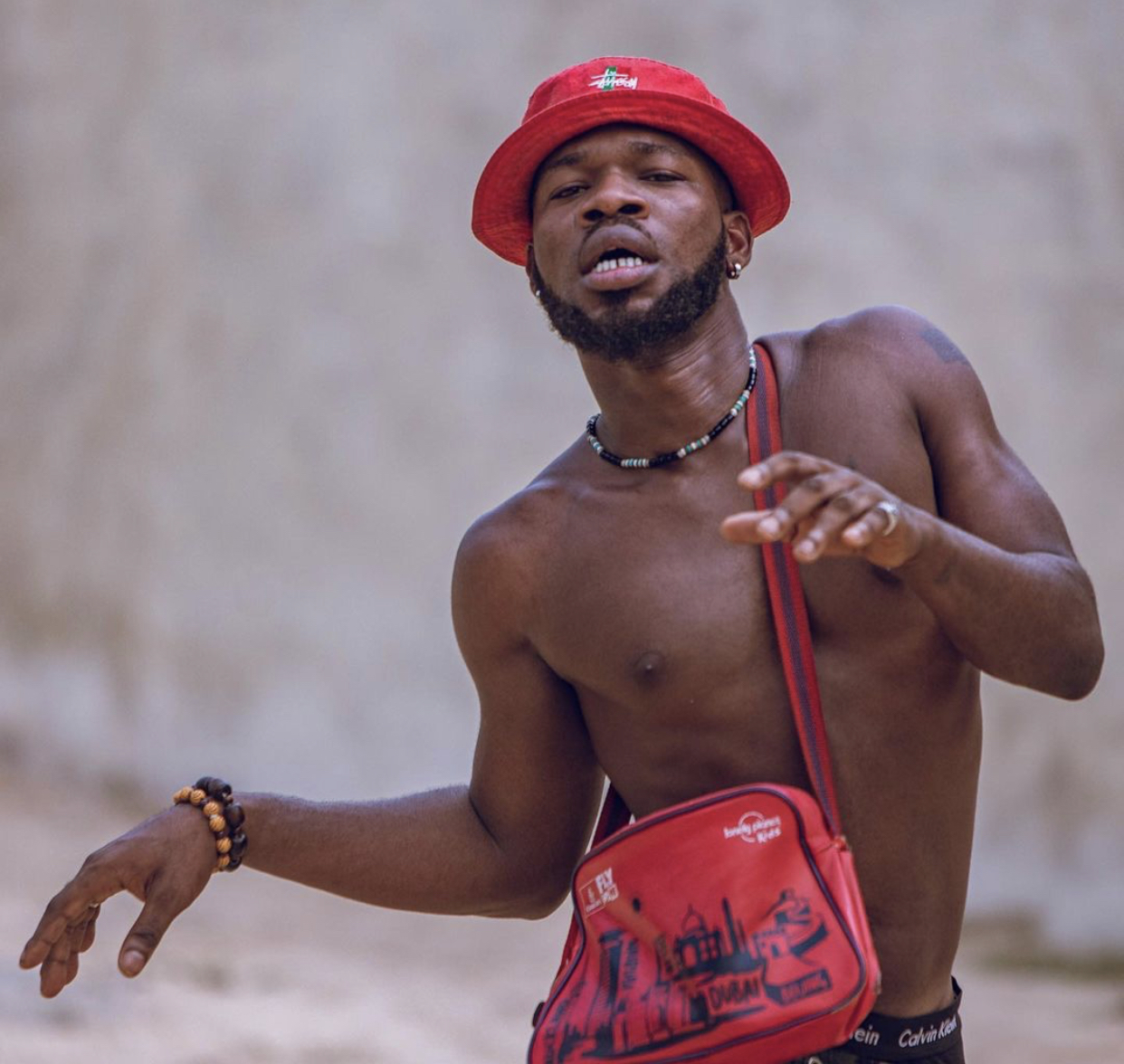
Africa’s creator economy is entering a new phase as AI tools speed up editing, voice work, and video production. This guide breaks down the tech behind viral filters, skits, and short videos, with a sharp focus on creators and startups shaping the future.
AI tools for African content creators are changing how viral filters, skits, and short videos get made across the continent. From Lagos to Nairobi, Cape Town to Dakar, creators now use AI to edit faster, clone voices, generate hooks, and publish more often.
Furthermore, this shift is not just about hype. It is about speed, low budgets, and the need to keep up with TikTok, Instagram Reels, and YouTube Shorts audiences that reward constant output.
Additionally, African startups are building tools that fit local needs, while creators are turning those tools into growth engines. That mix of local innovation and creator ambition is driving a real boom.
AI tools for African content creators are powering a new production style
Creators no longer need a full studio to look polished. According to Tech in Africa, text-to-video tools can turn a script, product brief, or explainer into a platform-ready video with visuals, pacing, text overlays, and audio.[1]
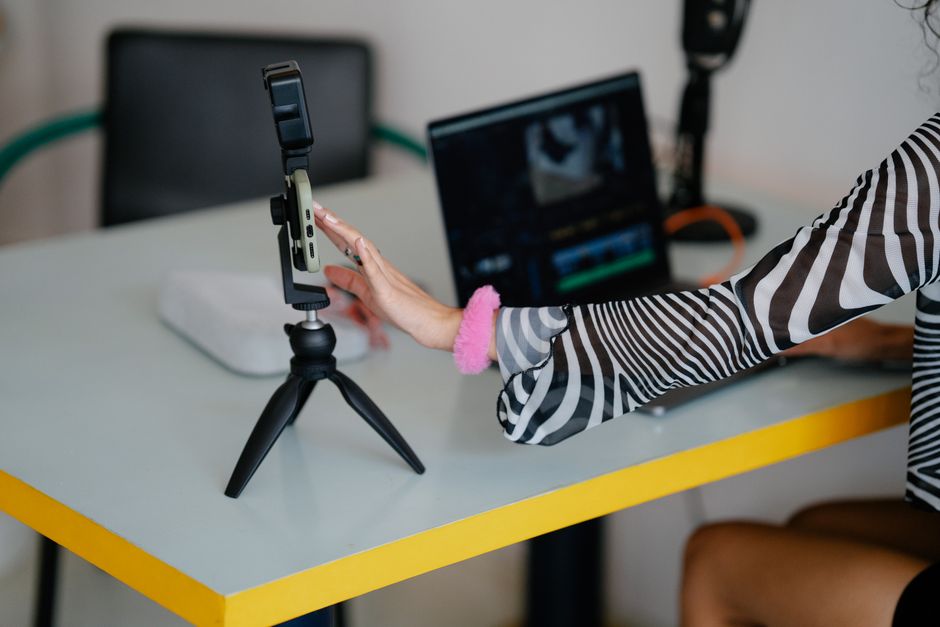
Moreover, that workflow removes three major barriers at once: camera time, editing time, and long production timelines.[1] For many African creators, that matters because the winning content style is now fast, frequent, and highly responsive to trends.
Consequently, AI sits inside the creative process at almost every stage. You can use it to brainstorm a skit, build a caption, clean up sound, add subtitles, or generate a thumbnail idea.
Where the biggest gains happen
- Idea generation for skits, hooks, and trend responses.
- Editing speed for cuts, captions, and aspect-ratio changes.
- Voice tools for dubbing, narration, and multilingual reach.
- Filter and effect design for more engaging short-form clips.
- Repurposing one video into many formats for different platforms.
Importantly, this is why the phrase AI tools for African content creators now covers far more than writing assistants. It includes video generation, image tools, lip-sync software, and creator workflows that help one person act like a small studio.
Meanwhile, the best creators still add their own voice and timing. AI speeds the process, but the joke, personality, and local flavour still make the content feel African and shareable.
How viral filters and short videos are being made with AI
Short-form video success often starts with a strong visual hook. In many African markets, that hook now comes from AI-powered filters, quick effects, and smart edits that make a clip feel fresh within seconds.
Furthermore, AI helps creators move from raw footage to polished content without expensive software. Some tools can auto-cut silence, match edits to music beats, generate subtitles, and recommend the best crop for vertical video.
As a result, creators can test more ideas in less time. That matters on TikTok and Reels, where a post may have only a few seconds to win attention.
The tech stack behind a typical viral clip
- Script or prompt: the creator writes a skit idea, a hook, or a talking point.
- AI draft: a tool suggests structure, captions, or a scene sequence.
- Voice or audio layer: the creator records, clones, or enhances narration.
- Visual assembly: AI helps trim footage, add effects, and format for mobile.
- Distribution: the creator repurposes the clip for TikTok, Reels, Shorts, and WhatsApp.
Notably, this workflow suits creators who post often and work alone. It also suits brands and influencers who need localised campaigns without full production crews.
Additionally, the rise of AI filters is pushing more creators to think like product designers. They are no longer only making videos; they are building repeatable formats that audiences can recognize instantly.
AI tools for African content creators in Nigeria, Kenya, South Africa and Francophone Africa
Nigeria remains one of the most visible markets for AI-led creator work because its entertainment scene already rewards speed and personality. Consequently, skit makers and lifestyle creators can test many formats quickly and turn one funny premise into a dozen clips.
In Kenya, creators often combine AI editing with fast commentary formats, especially for tech, business, and culture content. Meanwhile, South African creators tend to lean into polished visuals, music-driven edits, and brand-ready storytelling.
Francophone Africa is also moving fast, especially where creators need dubbing, subtitles, and cross-border reach. In addition, AI translation and voice tools help a clip travel from one language market to another with far less friction.
According to GAiF, AI can now automate posts, hashtags, scheduling, and even DM replies, which makes creator operations more efficient.[8] That operational layer matters because African creators increasingly run personal media businesses, not just social pages.
Why local context matters
- Language diversity makes dubbing and translation highly valuable.
- Mobile-first audiences reward vertical, lightweight content.
- Budget pressure makes automation attractive for solo creators.
- Regional humour works better when creators can produce quickly.
However, the best results still come from local insight. A tool can edit a clip, but it cannot replace street humour, cultural timing, or a creator’s bond with their audience.

Fast-rising African creators showing what AI can do
Several African creators have shown how digital tools can scale personality-driven content. Not every one of them uses AI publicly in the same way, but their content styles reflect the new creator economy that AI supports.
Moreover, these names matter because they show what audiences now expect: speed, consistency, and format mastery. You can learn a lot by studying how they package ideas for short video platforms.
- Khaby Lame from Senegal has shown the power of simple, universal short-form storytelling.
- Broda Shaggi from Nigeria remains a reference point for skit-driven audience growth.
- Taaooma from Nigeria continues to shape family and character comedy online.
- MohBad-era creator communities and music-led pages have helped push fast meme-ready editing across Nigeria’s youth culture, though not as a single creator profile.
- Wanjiru Njoroge from Kenya represents the rising class of lifestyle and digital-first storytellers built for mobile audiences.
Importantly, the real lesson is not just fame. It is workflow. These creators show how repeatable characters, quick turnaround, and strong editing rhythms can turn social media into a reliable growth machine.
Meanwhile, many emerging creators across Francophone Africa are using AI to localise captions and audio, which widens their audience reach. That makes language less of a barrier and more of a growth opportunity.
The startups building the tools behind the boom
African creators do not only depend on global platforms. They also benefit from regional startups and local toolmakers that understand the continent’s storytelling problems better than generic software companies do.
Furthermore, one of the clearest examples is the Africa Bias Buster, launched by The AI Shop in partnership with Africa No Filter. The tool analyses text for bias and gives real-time feedback, which matters for writers, marketers, and creators who want better Africa-first storytelling.[3]
Additionally, this type of tool shows that the creator economy is not only about flashy video effects. It also includes better language, better framing, and better representation.
Tech in Africa also highlights how accessible text-to-video systems can help creators and entrepreneurs turn written ideas into ready-made video content without a production team.[1] That points to a wider shift: African startups are helping creators move from text to platform-ready media in minutes, not days.
What creators should watch for in local AI tools
- Low data use for mobile networks.
- Simple interfaces that work on phones first.
- Local language support for regional reach.
- Fast export options for TikTok, Reels, and Shorts.
- Affordable pricing for solo creators and small teams.
Consequently, the strongest African tools will be the ones that save time and fit everyday workflow. A creator in Accra or Abidjan needs software that works fast, even on a busy mobile schedule.
AI voice clones, dubbing, and the next creator wave
Voice tools are becoming one of the most important parts of the AI creator stack. They help creators narrate faster, dub videos into new languages, and build a consistent sound across many clips.
Moreover, voice cloning can help one creator turn a single performance into multiple versions. That is especially useful for educational content, comedy recaps, and brand explainers that need to travel across markets.
However, the growth of voice AI also raises serious trust and rights questions. OpenDemocracy reports that African creators are already facing exploitation risks as AI companies train models on copyrighted work without permission.[2]
Therefore, creators should protect their own voice and image rights carefully. They should also read platform policies, keep proof of ownership, and avoid tools that misuse their content.
Smart use cases for voice AI
- Subtitles and dubbing for multilingual African audiences.
- Character voices for skits and comedy series.
- Faster narration for explainers and news commentary.
- Brand consistency across repeated short videos.
Additionally, creators can use voice AI to test multiple tones before recording. That makes content planning easier and helps teams move faster during campaign season.
What this means for African brands, influencers, and media teams
The AI creator boom is not only for solo influencers. Brands, record labels, fashion houses, and media teams now use the same tools to stay visible and culturally relevant.
Furthermore, the best campaigns now look native to the platform. They feel like creator content, not old-school ads, because AI makes it easier to produce many variations quickly.
In fashion, for example, a brand can turn one shoot into many short clips with different captions, sounds, and effects. In music, a label can package a teaser, lyric snippet, and behind-the-scenes cut from the same raw footage.
Additionally, that workflow gives African teams a real edge. They can stay close to culture, move faster than slower global competitors, and speak directly to young audiences who live on their phones.
Explore More on Topping Africa
Discover more stories on the platforms and people shaping the continent’s digital future.
- Technology — updates on tools, startups, and digital innovation.
- Entertainment — creator trends, skits, music, and celebrity culture.
- Business & Economy — the money behind Africa’s growing creator economy.
- Culture & Lifestyle — the trends shaping how African audiences consume content.
For a wider view, read more about how creators are changing African media, and share your thoughts on the tools you use most.
What creators should do next
If you create content in Africa, AI is now part of your competitive edge. It can help you publish more, edit faster, and reach new audiences without building a large team.
Moreover, the smartest path is to use AI as an assistant, not a replacement. Keep your voice, your humour, and your cultural instinct at the center of every clip.
- Test one AI tool for editing, captions, or scripting this week.
- Repurpose one video into three formats for different platforms.
- Track what performs so you can build repeatable content systems.
- Protect your voice and image rights before using clone tools.
- Stay local in language, humour, and references, even when the tech is global.
Ultimately, the creators who win will not just use AI. They will shape it around African stories, African audiences, and African style. Subscribe for more creator-first coverage, and leave a comment below with the AI tool that saves you the most time.
For readers who want the practical angle, explore more on how African creators are building faster workflows, stronger brands, and bigger audiences with technology.
Explore Technology | Explore Entertainment | Explore Business & Economy
Africa Bias Buster and Tech in Africa show how local and global tools are reshaping the creator workflow.[3][1]

Staff
Contributing writer at Topping Africa.
0 Comments
No comments yet. Be the first to share your thoughts!