

IMF Approves $266 Million Liberia Funding Deal With Climate Focus
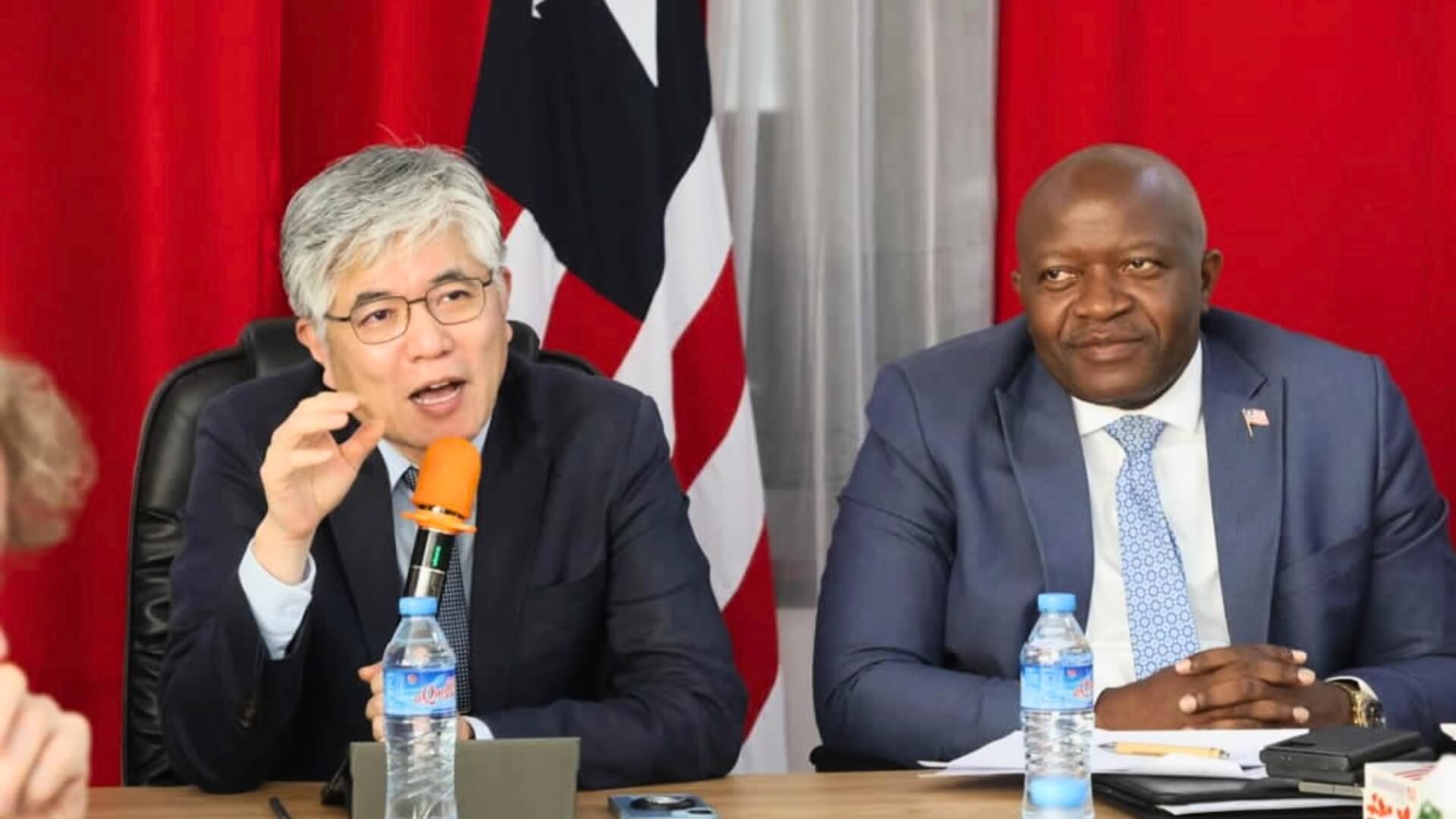
Liberia’s new IMF package puts climate resilience, fiscal reform, and public accountability on the same track — raising the stakes for what recovery must now deliver.
MONROVIA, Liberia — April 28, 2026: The International Monetary Fund has approved a 21-month financing package for Liberia worth about $266 million under its Resilience and Sustainability Facility (RSF), while completing the third review of the country’s Extended Credit Facility (ECF) program and releasing an immediate $26.49 million disbursement.
Understanding the IMF's Liberia Package
This decision aims to expand Liberia’s financial buffer amid increasing fiscal pressures and climate challenges. The IMF approves $266 million to enhance resilience against climate and health risks. Similarly, the ECF review completion unlocks a $26.49 million disbursement, pushing total funds under this program to about $105.96 million.
The Distinction Between RSF and ECF
The distinction is pivotal. RSF funds focus on climate adaptation and pandemic preparations. On the other hand, ECF disbursements target macroeconomic stability and reaching structural goals. Therefore, these tailored approaches aim to bolster sustainable growth.
Economic Growth and Future Prospects
Liberia’s economy grew by 5.1% in 2025, projecting similar growth in 2026. With sustained reforms, medium-term growth could hit 5.6%. However, risks like global economic shifts, high oil prices, and reduced external support remain significant threats to this progress.
- Mining activities drive Liberia's current economic expansion.
- The IMF highlights the importance of mitigating external and fiscal risks.
- Authorities must bolster revenue by preparing for VAT implementation.
A New Era of African Financing
The IMF's package places Liberia at the forefront of Africa's financial evolution. Resilience is now a macroeconomic priority. Climate vulnerability is linked directly to fiscal stability and public investment efficiency. This represents a shift towards more comprehensive financial governance.
Program Expectations and Measures
Authorities are expected to strengthen domestic revenue generation, overhaul mining taxation, and curb tax exemptions. Additionally, reforms will target improved public investment management, stricter banking regulations, and closing governance gaps.
The RSF supports parallel reforms focused on disaster risk management, pandemic readiness, climate finance governance, and food and water security. Consequently, these initiatives broaden the economic reform scope beyond basic fiscal stability.
Lessons and Forward Vision
Liberia addresses external shocks with domestic measures. For instance, the government introduced transport subsidies and adopted a supplementary budget to enhance social spending despite limited resources. Additionally, the IMF praised Liberia's achievement of fiscal sustainability under its ARREST Agenda for Inclusive Development, bolstering the nation’s relationship with external partners but raising expectations for execution.
Liberia's endeavors echo a broader African trend in which external financing increasingly depends on governance quality and climate resilience. The financing is now secured. The true task lies in effective implementation.
Conclusion and Call to Action
The IMF’s engagement with Liberia underscores the importance of strategic economic planning in Africa. As efforts focus on resilient and sustainable development, the continent's future looks brighter. Discover more about how this funding impacts Africa and how nations can leverage support for lasting change. Share your insights and join the conversation about Africa’s economic future.
Read more about the IMF's decision on Liberia.
Explore Liberia's economic outlook.
Related Articles
Staff
Contributing writer at Topping Africa.
0 Comments
No comments yet. Be the first to share your thoughts!