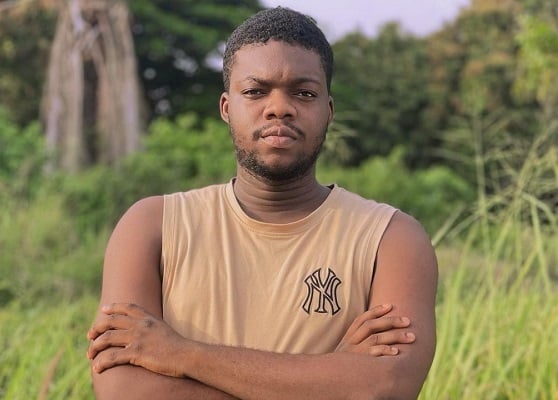

How Liberian Singer Mon Rovîa Went From Civil War Refugee to Global Folk Sensation
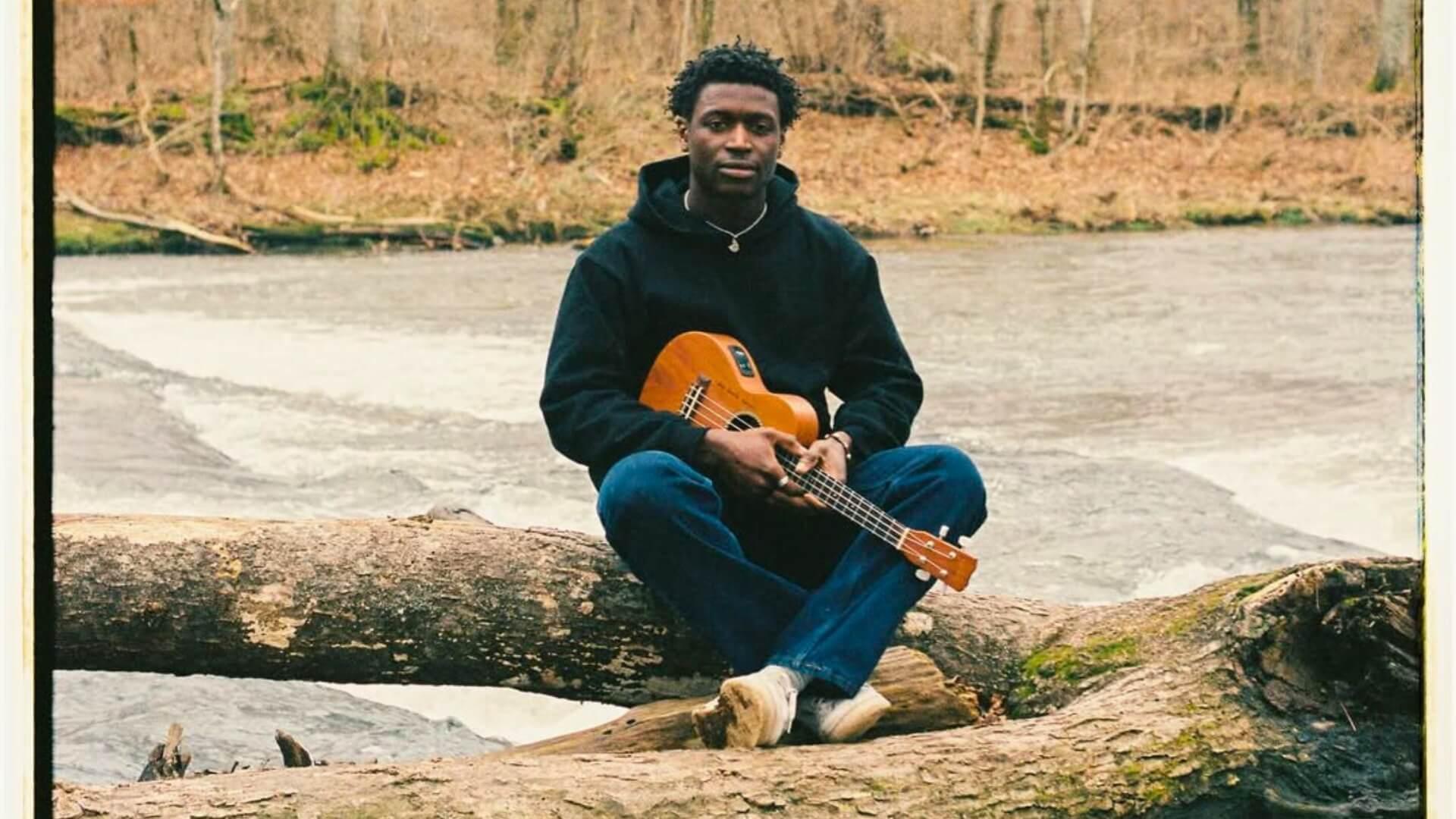
Born in Monrovia during Liberia’s turbulent years and raised in the United States after adoption, Mon Rovîa has transformed a life shaped by displacement into music that resonates across continents. His growing global recognition reflects a deeper conversation about African identity, diaspora history, and cultural belonging.
Across global music platforms and international news outlets, a new name is emerging from the African diaspora conversation: Mon Rovîa. The Liberian-born singer-songwriter has become a rising figure in the global folk music scene, drawing attention from international media, including CNN, for a story that merges personal history, cultural identity, and musical innovation.
Born Janjay Lowe in Monrovia, Liberia, Mon Rovîa’s life began during one of the most turbulent periods in the country’s history. As Liberia’s civil conflict intensified in the early years of his childhood, he was eventually adopted by American missionaries and relocated to the United States. Growing up far from his birthplace, he spent much of his early life navigating the complex emotional terrain of displacement and identity.
That experience would later become the foundation of his music.
Today, Mon Rovîa’s artistry stands out because it reconnects those early experiences with a deeper exploration of African heritage. His stage name itself is a deliberate tribute to his birthplace, derived from “Monrovia,” the capital of Liberia. In interviews and performances, he frequently reflects on how reclaiming that connection shaped his creative direction.
International media attention has accelerated in recent years as his music began reaching wider audiences through streaming platforms and social media. On TikTok and Spotify, his acoustic storytelling and reflective songwriting have attracted millions of listeners. His music blends folk instrumentation, gospel influence, and subtle African rhythmic traditions, creating a style he describes as “Afro-Appalachian.”
The concept behind this genre is rooted in history. Instruments commonly associated with American folk music, particularly the banjo, trace their origins to West Africa. By highlighting those connections, Mon Rovîa’s music reframes folk traditions through the lens of African diaspora heritage.
For many listeners, that narrative is as powerful as the music itself.
Global media outlets have increasingly highlighted the cultural significance of his work, emphasizing how his songs address themes of belonging, migration, and identity. In a media landscape where diaspora storytelling is gaining prominence, Mon Rovîa’s journey from Liberia to international stages resonates deeply with audiences searching for stories that bridge continents.
His career has gained momentum through major milestones in the American music industry. In 2024, he appeared on Spotify’s list of artists to watch, a recognition that helped introduce his music to broader audiences. Festival appearances followed, including a debut performance at Bonnaroo, one of the largest music festivals in the United States. In 2025, he reached another milestone when he performed at the Grand Ole Opry, a venue widely regarded as a cornerstone of American folk and country music.
For an artist born in Liberia and shaped by the diaspora experience, the moment symbolized more than personal success. It represented a cultural full circle—African heritage returning to influence the very traditions it helped create centuries earlier.
His recent projects continue to explore those themes. A series of conceptual EPs released between 2023 and 2025 chart a narrative arc inspired by the classic “hero’s journey,” examining identity, struggle, transformation, and reconciliation. His latest album, Bloodline, expands that exploration, confronting questions about ancestry, race, and belonging.
For Liberia, his rise carries symbolic significance. While the country’s music industry has historically been dominated by Afro-pop, hip-hop, and gospel genres, Mon Rovîa represents a different kind of international presence. His success demonstrates how Liberian artists can contribute to global music conversations beyond conventional genre boundaries.
The international attention surrounding his story reflects more than just a rising music career. It highlights a broader cultural moment in which artists from the African diaspora are reclaiming narratives long separated by history, migration, and colonial legacy.
In Mon Rovîa’s case, music becomes the bridge.
From Monrovia to international stages, his journey is now part of a growing cultural dialogue about identity, history, and the enduring influence of Africa on global music traditions. As his audience continues to expand, so too does the recognition of Liberia as part of that story.
Staff
Contributing writer at Topping Africa.
0 Comments
No comments yet. Be the first to share your thoughts!