How AI Startups in Africa Are Transforming Health, Lending and Small Business
AI startups in Africa are transforming everyday life, from healthcare access to smart lending and small business tools. This in-depth guide shows how African founders, creators and influencers use AI to solve local problems and create new opportunities you can tap into.
How AI startups in Africa are changing your daily life
Across the continent, AI startups in Africa are no longer just a buzzword. They are building real tools that shape how you access healthcare, borrow money, and run your business. Moreover, these ventures sit at the heart of Africa's vibrant tech, creator, and influencer culture.

Today, you can book a telemedicine visit, get a micro-loan decision in seconds, or design marketing content for your shop using AI-powered platforms. Additionally, many of these products are built by African founders who understand local languages, informal markets, and cultural trends. Consequently, you are seeing innovation that feels tailored to your reality, not imported from somewhere else.
Furthermore, this rapid growth means Africa is becoming a serious player in global AI. According to recent ecosystem mapping, more than 200 dedicated AI startups operate across the continent, with Nigeria, South Africa and Kenya leading the charge. As a result, if you care about tech, influencers, or small business, you are already part of this story.
AI startups in Africa in numbers: where the momentum is building
To understand where you fit in, it helps to see the big picture. Recent analysis of Africa's AI ecosystem shows a sharp rise in specialised ventures between 2022 and 2025, with the number of tracked AI startups almost doubling in that period. Moreover, around three quarters of those early companies are still alive, proving that AI is not just a passing trend.
Importantly, the key hubs will sound familiar to you. Nigeria, South Africa and Kenya account for well over half of the continent's AI companies, thanks to strong developer communities, active investors and thriving startup media. Additionally, cities like Accra, Kigali, Dakar and Cairo are steadily joining the conversation with healthtech, fintech and creator-focused tools.
However, what matters most for you is the mix of sectors. While software and data platforms dominate, health, lending and small business tools are among the fastest growing categories. Consequently, everyday problems like clinic queues, cash flow gaps and marketing content now have AI-powered answers built in Africa for Africans.
Health: how African AI startups are reimagining care access
Healthcare is one of the most exciting spaces where you can already feel AI's impact. Across the continent, innovators are using machine learning, chatbots and decision-support tools to bring medical help closer to people who need it most. Additionally, they are doing this with mobile-first designs that work even when networks are patchy or budgets are tight.
For instance, Ivorian digital health platform Zencey blends AI with telemedicine to give patients affordable, remote access to clinicians while supporting frontline workers with smart triage and follow-up tools. Furthermore, AI models help flag urgent cases faster and coordinate care across urban and rural facilities. As a result, you see more efficient workflows and shorter waiting times.
Similarly, Nigerian startup Ubenwa has built technology that analyses the sound of a newborn's cry to detect birth asphyxia early, a condition that can lead to brain damage or death if missed. Moreover, this kind of innovation responds directly to African realities, where specialised neonatal equipment and staff are often limited. Therefore, AI becomes a life-saving diagnostic partner rather than a distant science experiment.
Practical AI health tools you might already be using
Even if you do not realise it, there is a good chance you have interacted with AI in health. Many clinics and insurers now rely on AI-enabled systems for appointment scheduling, records, or messaging. Additionally, public health programmes test chatbots to answer common questions about maternal health, HIV, or vaccines in local languages.
Here are some practical ways AI health tools are entering your world:
- Symptom-checker chatbots that help you decide whether to visit a clinic or opt for telemedicine.
- Diagnostic support tools that analyse X-rays, eye scans or audio signals to assist doctors and nurses.
- Medication and follow-up reminders that use AI to personalise messages so you do not miss doses or appointments.
- Analytics platforms that help hospital managers forecast staffing needs and patient flows more accurately.
Moreover, incubators like Villgro Africa in Kenya focus on guiding health innovators from idea to scale with funding, mentorship and research support. Consequently, you can expect more home-grown AI tools in pharmacies, clinics and health apps every year.
How this connects with African creators and influencers
Health AI might sound technical, but it is also a content and culture story. African health creators on TikTok, Instagram and YouTube increasingly rely on AI tools to script explainer videos, design infographics, and translate content into multiple languages. Additionally, telemedicine brands partner with influencers to normalise digital health among young audiences.
For instance, when a health startup launches a new symptom-checker chatbot, it often collaborates with local wellness influencers or nurses with strong social media followings. Moreover, these creators use AI editing tools for short videos, making complex topics easy to understand and share. As a result, you see healthtech and creator culture growing side by side.
Ultimately, if you are a content creator in health or wellness, AI gives you superpowers. You can craft better scripts, analyse audience engagement and adapt content for different regions, all without hiring a big team.
Smart lending: AI-powered credit decisions for African borrowers
On the financial side, AI startups in Africa are reshaping how you access loans, savings products and buy-now-pay-later options. Historically, many African consumers and small businesses struggled to obtain credit due to thin files or lack of formal collateral. However, AI-driven lending platforms now use alternative data to build real-time risk profiles.
Moreover, these tools look beyond traditional bank statements. They analyse mobile money histories, airtime purchases, e-commerce activity, and even behaviour on apps to estimate your ability and willingness to repay. Consequently, you can qualify for short-term loans or working capital even if you have never walked into a bank branch.
Additionally, this is happening across various markets. In Nigeria, Kenya, Ghana and South Africa, fintechs deploy machine learning models to score borrowers quickly and offer customised products. As a result, you receive faster decisions, smarter interest rates and more flexible repayment options that match seasonal incomes or side-hustle realities.
How AI lending works for you as a consumer or founder
To make this concrete, imagine you run a small fashion brand selling through Instagram and WhatsApp. Traditionally, proving your revenue to a lender would be tough. However, an AI-based credit platform can connect to your mobile money, online store and social commerce tools to see how much you really sell.
Furthermore, the algorithm can identify weekly trends, repeat customers and peak seasons. Therefore, it tailors a micro-loan so you can purchase stock ahead of festive periods or influencer campaigns. Additionally, when you repay on time, the model updates your profile and unlocks better terms next time.
For individual consumers, the experience feels simple. You apply via app or USSD, share limited data, and receive an instant decision. Meanwhile, behind the scenes, machine learning models compare your profile with thousands of similar users and adjust risk scores in real time. Consequently, you benefit from credit that feels both fair and fast.
Responsible AI lending and financial inclusion
Importantly, African regulators and industry groups are beginning to push for ethical AI lending. Excessive interest, opaque scoring and aggressive collections can harm trust if not managed well. Therefore, many leading fintechs now advertise clear scoring logic, human oversight and data protection practices.
Moreover, you will find collaboration between banks, mobile operators, and AI solution providers to deliver inclusive financial products. This means farmers, gig workers, students and small shop owners can access tailored credit. As a result, AI becomes a bridge into the formal economy, not a barrier.
Consequently, if you lead a startup, you must think carefully about transparent models, explainable decisions and user education. Ethical design will define which AI lenders build long-term brands and which fade away.
AI tools for African small businesses: your new digital co-founder
Beyond health and lending, one of the most powerful AI stories is unfolding in small business. Whether you run a salon, a restaurant, a fashion label or a content studio, AI tools now function like an affordable digital co-founder. Additionally, they help you design, plan, talk to customers, and even manage finances.
According to beginner-friendly guides focused on Africa, simple AI tools can already support marketing, customer service, financial planning and operations for micro and small enterprises. Moreover, many of these tools offer free or low-cost tiers, making them accessible even if you are just starting out. Consequently, you can modernise your business without hiring a large staff.
Furthermore, these tools blend well with Africa's strong social commerce culture. If you already sell through WhatsApp, Instagram or TikTok, AI can automate replies, suggest captions and analyse which posts drive sales. Therefore, you spend more time shipping orders and less time fighting with spreadsheets.
Everyday AI use cases for your business
Here are practical ways you can use AI right now, even if your business feels small:
- Marketing content: Use AI copy tools to draft product descriptions, ad copy, and social media captions in seconds.
- Design support: Generate posters, fliers and simple logos using AI image and layout tools.
- Customer service: Set up basic chatbots to answer common questions about prices, delivery or booking times.
- Finance insights: Let AI tools categorise expenses, visualise cash flow and flag when money might run short.
- Planning and scenarios: Simulate what happens if you hire one more staff member or increase marketing spend.
Additionally, if you work in agriculture, AI weather and advisory tools can help you plan planting dates, choose crops and optimise sales. Similarly, online store owners can use recommender systems to suggest related products and increase basket sizes. As a result, you can compete with much larger brands using smart, data-driven tactics.
AI and Africa's booming influencer and creator economy
Small business in Africa increasingly includes content creators, influencers and digital-first brands. If you shoot fashion reels, run a YouTube talk show or drop weekly comedy skits, you are already an entrepreneur. Moreover, AI tools now simplify content planning, editing and audience analysis for you.
For example, many African influencers use AI to generate script outlines, translate subtitles into multiple languages, and auto-edit short vertical clips. Additionally, they rely on AI analytics dashboards to spot which topics or collaborators drive the strongest engagement. Consequently, they fine-tune their brand strategy faster.
Importantly, this shift is not limited to mega stars. Mid-tier and emerging creators across Lagos, Nairobi, Johannesburg and Accra use AI to keep up with intense posting schedules. Therefore, AI quietly powers the consistency you admire in your favourite creators' feeds.
Success stories: African AI builders shaping global conversations
While many AI tools work behind the scenes, some African founders and innovators already stand out globally. Their work offers you inspiration if you are thinking about building your own solution or collaborating as a creator.
In Ghana, ventures such as Chestify AI Labs use advanced algorithms to support chest X-ray diagnosis, showing how AI can slot into existing clinical workflows. Additionally, in Nigeria, startups like Ubenwa prove that specialised models can solve pressing neonatal challenges with mobile-friendly tools. Moreover, East African hubs host multiple AI companies focused on agriculture, logistics and retail as part of a broader digital transformation.
Furthermore, ecosystem builders play a key role. Incubators, accelerators, and challenge programmes focused on "AI for health" and "AI for inclusion" provide funding and mentorship to early-stage ventures. Consequently, if you look for opportunities, you will find grants, accelerators and regional competitions built specifically for African AI innovators.
Creators and celebrities as AI ambassadors
Positive African innovation rarely spreads without strong voices. Celebrities, tech YouTubers and niche creators now serve as AI ambassadors, breaking down complex concepts in catchy, relatable formats. Additionally, startups often sponsor content or co-create series that explain how AI tools really work.
For instance, you might watch a popular musician share behind-the-scenes footage of using AI to test setlists or visual art ideas for a tour. Similarly, a fashion influencer could run a mini-series about using AI to pick colour palettes, forecast trends or design capsule collections. Moreover, these collaborations help normalise AI as a creative partner rather than a threat.
Consequently, if you build an AI product, you should view creators and celebrities as strategic allies. Their reach and authenticity can translate technical value into everyday stories that your audience instantly understands.
Challenges and opportunities: what you should watch out for
Despite the excitement, AI in Africa still faces real hurdles. Infrastructure gaps, data quality issues and limited specialised skills can slow deployment. However, these challenges also create a clear roadmap for where you and your peers can add value.
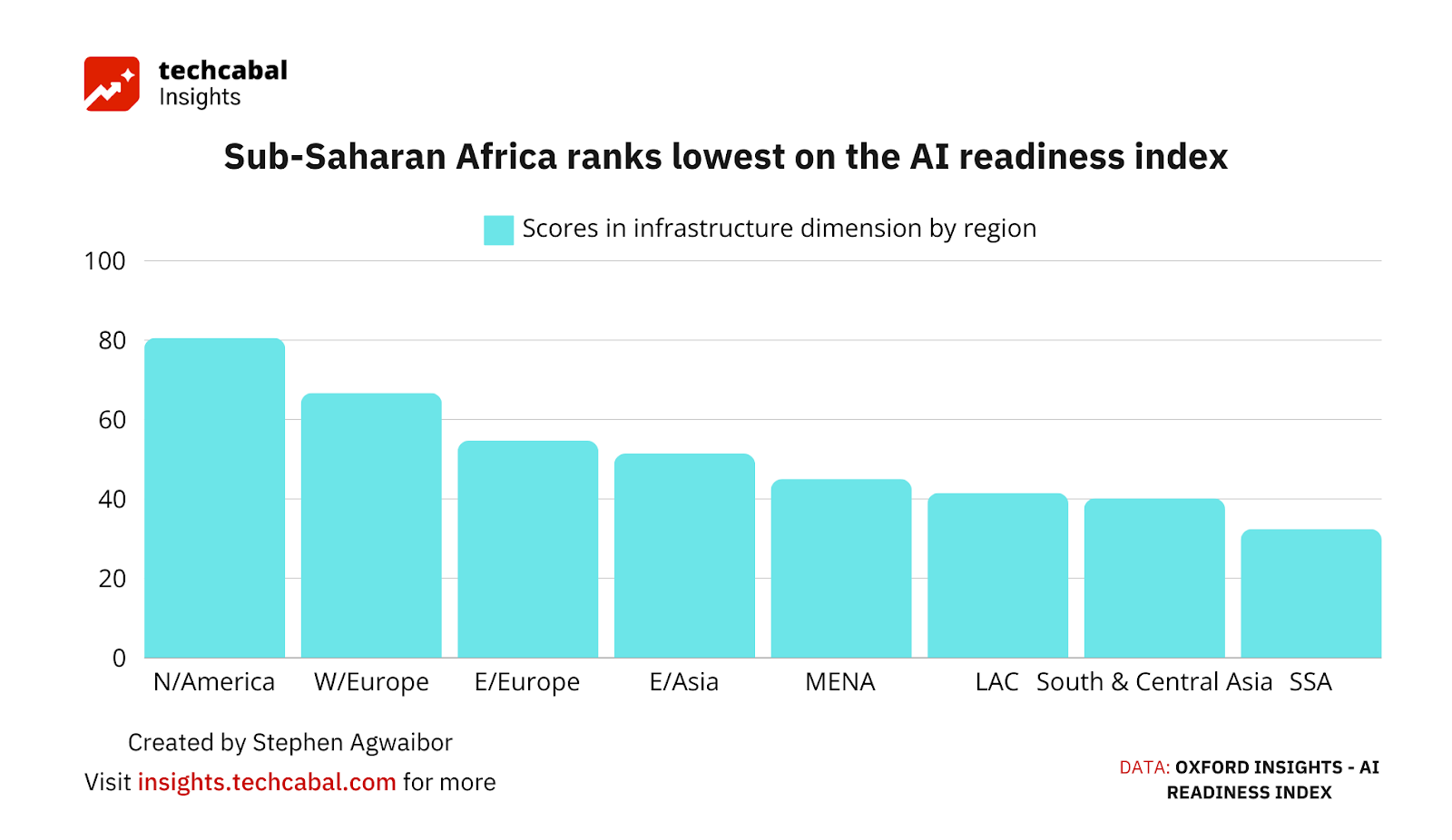
Firstly, connectivity and devices remain uneven across regions. While urban centres enjoy 4G and growing 5G coverage, many rural communities rely on basic feature phones. Consequently, successful AI startups design for low-bandwidth environments and simple interfaces. Additionally, they explore USSD, SMS and voice as channels, not just smartphone apps.
Secondly, trusted data is key. AI models depend on high-quality, representative datasets. Yet African health, financial and business data is often fragmented or under-documented. Therefore, you will see more efforts to build shared data platforms, anonymised data lakes and cross-sector partnerships that improve data access while protecting privacy.
Skills, talent and collaboration
On the talent side, African universities, bootcamps and online communities are rapidly building AI skills. Data science meetups in Lagos, Nairobi and Cape Town attract students, engineers and creators who want to learn or share experiments. Additionally, remote work platforms make it easier for African AI specialists to contribute to global projects while staying rooted locally.
However, specialised expertise in areas like medical AI regulation, explainable models and AI ethics remains limited. As a result, there is space for you to develop niche skills and position yourself as a regional expert. Moreover, collaborations between engineers, doctors, financiers and creatives will shape the most impactful solutions.
Ultimately, the biggest opportunity lies in building AI that understands African languages, cultural norms and business realities. If you focus on that, you will create products that feel natural to local users and attractive to global investors.
How you can plug into Africa's AI wave today
If you are wondering where to start, the good news is you do not need to be a machine learning engineer. You can join the AI movement as a founder, small business owner, creator, or curious professional. Additionally, you can experiment with tools before deciding whether to build your own product.
Here are concrete steps you can take:
- Test AI tools in your work: Pick one copy tool and one design tool and use them for a month.
- Automate one business task: Set up a simple chatbot for FAQs or a cash flow visualisation dashboard.
- Collaborate with AI-focused startups: Partner with health or fintech platforms to co-create content or pilot features.
- Learn the basics: Join online courses or community meetups focused on AI fundamentals and ethics.
- Tell your story: Share how you use AI through blogs, short videos or panel talks to inspire others.
Moreover, as you explore, stay informed through trusted African tech and business news platforms. They highlight new launches, funding rounds and policy debates that shape your options. Consequently, you can make smarter decisions about which tools to adopt or avoid.
Explore more on Topping Africa
To go deeper into the world of African innovation, you can explore key sections on Topping Africa. Additionally, these curated categories help you track stories that link AI, startups, creators and culture.
- Technology: Discover the latest updates on African tech startups, AI tools and digital infrastructure.
- Business & Economy: Read more about funding trends, fintech innovation and small business strategies.
- Culture & Lifestyle: Explore how influencers, artists and everyday creators use tech to shape African culture.
Furthermore, if you care about health, wellness and inclusive growth, you should also follow insights from our Health & Wellness and Africa News sections. Ultimately, these stories show you how AI intersects with real lives, not just code.
Your role in shaping the future of AI startups in Africa
As AI spreads through health, lending and small business tools, your choices matter. When you adopt responsible products, support ethical founders and share clear feedback, you help guide the ecosystem. Moreover, by telling positive stories about African innovation, you counter outdated narratives and attract more talent into the field.
Additionally, if you are a creator or influencer, you hold a unique position. You can explain AI in simple language, showcase real use cases, and highlight under-the-radar founders building in your city. Consequently, your content can push AI conversations beyond hype into practical impact.
Therefore, do not stay on the sidelines. Try out new tools, ask hard questions, and share your thoughts with your community. Read more about emerging AI ventures, subscribe to tech newsletters, and comment on features that resonate with your experience. Ultimately, the story of AI in Africa is the story of people like you choosing to build, experiment and collaborate.
Keep exploring and sharing
If this overview sparked ideas, take your next step today. Explore more case studies, discover new startups, or reach out to founders and creators whose work inspires you. Additionally, consider how AI might amplify your own project, whether it is a small shop, a media channel or a health initiative.
Moreover, when you find tools or ventures that work well, share them with friends, colleagues and followers. As a result, you contribute to a continental learning loop where Africans help each other navigate AI confidently. Ultimately, that collective curiosity and generosity will define how far AI startups in Africa can go.
Helpful resources to continue your AI journey
To stay updated and deepen your understanding, you can follow a mix of African and global resources. Additionally, these platforms provide case studies, research and practical guides that complement the stories you see on Topping Africa.
For detailed overviews of Africa's AI startup ecosystem, you can track analytical reports and newsletters from regional tech media. Moreover, health-specific organisations and incubators publish insights on medical AI use cases and ethical frameworks tailored to African contexts.
Here are a few useful starting points you can check:
- ImpactAlpha: African startups are building AI for Africa for investor and ecosystem perspectives.
- Aipreneurs: AI tools for small businesses in Africa for clear, step-by-step guidance.
- XUND: AI transforming healthcare in Africa for health-focused case studies and examples.
Additionally, keep an eye on challenge programmes and accelerators dedicated to AI in health and inclusion. They often publish open calls, webinars and success stories that you can learn from or join. Consequently, you might spot your next partnership, grant opportunity or content series idea.
Finally, remember that AI is a tool, not a destination. When you use it to solve real problems, uplift your audience and celebrate African creativity, you help build a future where innovation feels both powerful and human.

Staff
Contributing writer at Topping Africa.
0 Comments
No comments yet. Be the first to share your thoughts!