
How African Health Tech Startups Are Using AI and Apps to Redefine Preventive Healthcare
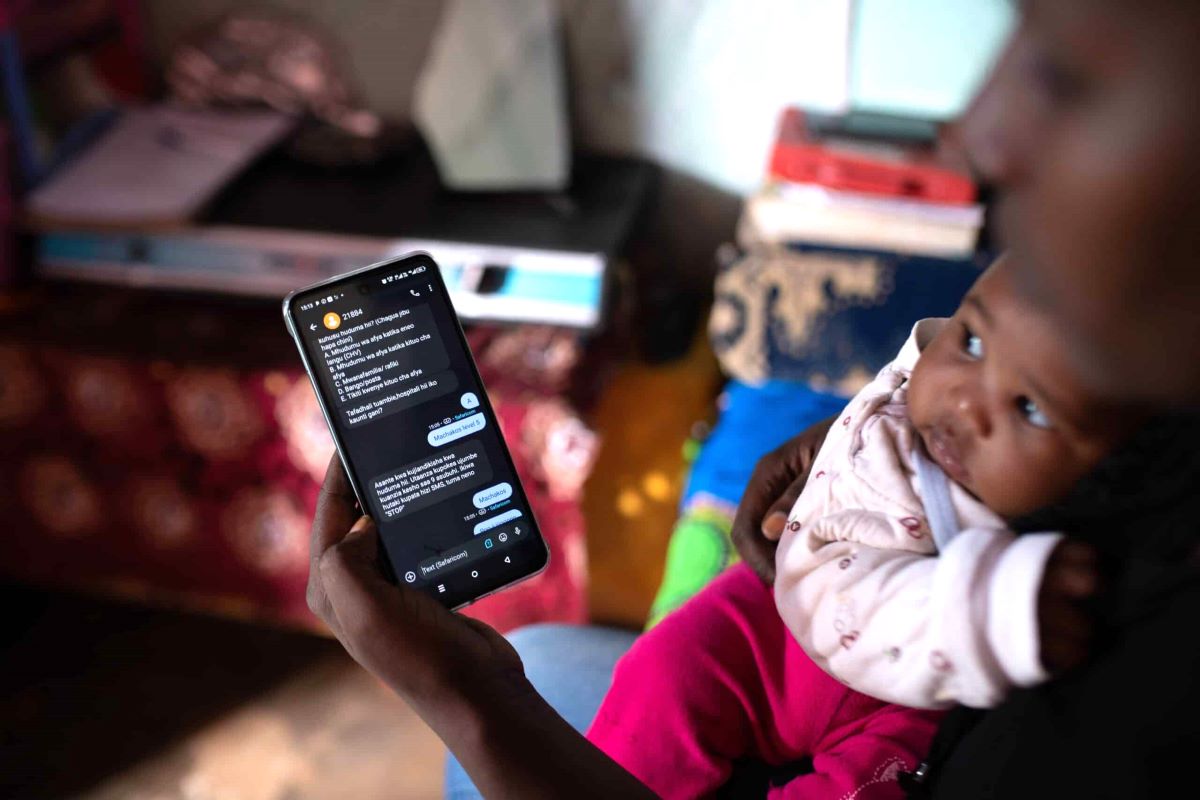
African health tech startups are using AI and mobile apps to make preventive healthcare faster, cheaper, and more personal. From chronic disease monitoring to women’s health and mental wellness, these innovators are redesigning care for young Africans.
African health tech startups are changing preventive care fast. Across the continent, founders are using AI, mobile apps, and smart data tools to help people spot risks earlier, track symptoms, and act before illness gets serious. That shift matters because many young Africans want care that is affordable, mobile-first, and easy to trust.
Moreover, this new wave of startups is not only about hospitals or doctors. It is also about women’s health, mental wellness, chronic disease support, and everyday health habits that fit real life in African cities and towns. As a result, preventive healthcare is becoming more personal, more digital, and more culturally relevant.
African health tech startups and the rise of preventive care
Preventive healthcare focuses on stopping illness early, before it becomes expensive or dangerous. In Africa, that idea fits a real need because many health systems still struggle with limited staff, distance, cost, and late diagnosis. Therefore, apps and AI tools are filling gaps by helping users check symptoms, book care, monitor conditions, and receive reminders.
Additionally, research on AI in African healthcare highlights the value of smartphone-friendly tools, reliable internet, and stronger digital records for better care delivery. The same research argues that AI can reduce costs, improve access, and support low-resource settings when solutions are built for local realities.NIH PMC
Meanwhile, accelerator and innovation programs across Africa are now backing health tech founders who can show traction and impact in public health settings. That support is helping more startups move from ideas to real tools that people can use at home and on the move.HealthTech Hub AfricaAfrica Health Tech
How AI is powering African health tech startups
AI is making preventive healthcare smarter. For example, startups can use machine learning to sort health data, flag risk patterns, and guide users toward the right next step. Consequently, people can get support earlier, even before they visit a clinic.
Furthermore, AI works well when paired with mobile apps. In many African markets, smartphones are more common than laptops, and that makes mobile delivery the best route for scale. Research on AI in Africa also stresses that developers should prioritize smartphone deployment, not desktop-only systems.NIH PMC
In practice, this means startups can use AI for symptom triage, care reminders, lab interpretation, chat-based guidance, and population health insight. However, the strongest products do more than automate tasks. They also build trust, keep language simple, and match local care paths.
What users want from these tools
- Early alerts for health risks
- Simple app design that works on low-end phones
- Low-cost access to guidance and care
- Local language support and culturally familiar advice
- Privacy and trust in sensitive health data
7 African health tech startups redefining preventive healthcare
Several fast-rising ventures are showing what the future can look like. Moreover, they cover different parts of the care journey, from lab checks and virtual visits to logistics and data tools.
1. Healthtracka
Healthtracka has become one of the most visible names in African digital health. The startup makes it easier for people to access health checks and lab testing through a digital-first model, which supports earlier detection and better routine monitoring. Additionally, its approach fits busy urban users who want convenience without long clinic waits.
As preventive care grows, tools like Healthtracka help users act before symptoms become major problems. That matters in a region where many people delay checkups until illness already affects work, school, or family life.
2. Zuri Health
Zuri Health offers virtual care that helps users speak to medical professionals without the usual barriers of distance and time. Furthermore, the startup has been listed among emerging health tech companies to watch in Africa’s digital health space.HolonIQ
Its model supports preventive care by making consultation easier and faster. In addition, a virtual approach works well for young people who prefer discreet, mobile-first health support.
3. Waspito
Waspito focuses on low-cost telehealth and is widely discussed as part of Africa’s new digital care wave.HolonIQ Moreover, low-cost access is especially important in markets where out-of-pocket spending still shapes health decisions.
By helping users connect to care earlier, Waspito can support prevention before conditions worsen. That includes basic check-ins, doctor access, and better guidance for next steps.
4. Afya Rekod
Afya Rekod is known for helping users manage and store health records digitally.HolonIQ Consequently, people can carry their health history more easily across clinics and providers.
This matters for preventive healthcare because better records improve continuity of care. Moreover, digital records can support chronic disease monitoring, follow-up visits, and clearer decisions over time.
5. LifeBank
LifeBank uses technology to move critical medical products, including blood and oxygen, to hospitals and care providers.Revista IDEESTEFConnect While it is not a consumer wellness app in the usual sense, it still supports prevention by improving access to life-saving supplies when time matters.
Additionally, its logistics model shows how digital tools can solve real African health system problems. In a preventive care ecosystem, faster delivery can reduce risk and save lives.
6. Babylon Health in Rwanda
Babylon Health has provided remote access to care in Rwanda through mobile phones, according to reporting on AI and health technologies in Africa.Revista IDEES Moreover, that kind of service matters where many users need a first point of contact before visiting a facility.
Its model shows how telehealth can support prevention by reducing friction. As a result, users can seek advice earlier and avoid waiting until symptoms become severe.
7. Healthcent
Healthcent provides a communication and predictive analytics platform for patient engagement and care coordination.Revista IDEES Furthermore, predictive tools are valuable when health teams need to track risk and follow up with patients over time.
This kind of startup is important because preventive care is not only about the user. It is also about helping care teams respond at the right moment with the right message.
Why these African health tech startups matter for young Africans
Young Africans often want health services that feel fast, private, and easy to use. However, traditional systems can still feel slow, crowded, and expensive. That gap is exactly where mobile health tools thrive.

Moreover, these startups speak the language of modern life. They fit into the same phone that users already use for banking, work, content, and social media. As a result, health becomes part of daily routine instead of a last-minute emergency.
In addition, preventive care helps young adults manage the health issues that matter most in city life. Those include stress, reproductive health, weight changes, sleep, and chronic conditions such as hypertension or diabetes risk. Therefore, the best startups do not just offer access; they offer continuity.
- Women’s health tools help users track cycles, fertility, and reproductive care.
- Mental wellness platforms make support more private and less intimidating.
- Chronic disease monitoring helps users stay on top of long-term conditions.
- Symptom checkers help users decide when to seek care.
What makes a strong African health app
Not every health app succeeds, even with strong funding. Furthermore, the best products usually share a few clear traits that match African market needs.
- Mobile-first design that works well on basic smartphones
- Simple language that users can understand quickly
- Trust signals such as licensed professionals or verified partners
- Affordable pricing with clear value for users
- Local relevance in culture, payment methods, and care pathways
Moreover, evidence from African AI health research suggests that tools should be built for available infrastructure, not ideal conditions.NIH PMC That means offline support, low data use, and strong performance on modest devices.
Challenges African health tech startups still face
Despite the progress, the sector still faces real barriers. However, these barriers also point to where the next wave of innovation must focus.
For instance, many health apps still struggle with patchy internet, limited digital records, and user trust. Additionally, startup growth can slow when payment systems, regulation, and care partnerships do not move at the same speed as product development.
Meanwhile, data privacy remains a major issue because health information is sensitive. Consequently, founders must design secure systems and explain data use in plain language. That transparency can help build long-term trust.
Furthermore, AI tools need good data to work well. If the data is incomplete, outdated, or biased, the product can miss key health risks. Therefore, startups that invest in quality data and strong clinical review often build more reliable solutions.
What investors and health systems are looking for
Today’s health tech funding is not just chasing ideas. Instead, it is rewarding startups that show real use, strong outcomes, and room to scale. As a result, founders need proof that their tools improve access, cut costs, or help clinics work better.
Moreover, programs like AI4Health are pushing solutions that can support underserved groups and public health systems.HealthTech Hub Africa That signals a clear shift toward practical impact rather than hype.
For African health tech startups, the best pitch is simple: solve one painful problem well, keep the experience easy, and show measurable results. In addition, products that can partner with hospitals, insurers, employers, or governments often have a stronger path to scale.
How African health tech startups are shaping the future of prevention
The future of preventive care in Africa will likely be built on three things: smartphones, trust, and better data. Furthermore, AI will keep improving the speed and quality of screening, reminders, and care coordination.
Meanwhile, apps will keep making care feel more local and more personal. That matters because healthcare works best when it fits people’s daily habits, language, and budgets. Consequently, the strongest startups will behave less like tech tools and more like trusted health companions.
For readers tracking the space, this is a category worth watching closely. African health tech startups are not just digitizing healthcare; they are reshaping how prevention works for a generation that lives on mobile.
Explore more on Topping Africa, and share your thoughts on which startups you think could lead the next health wave across the continent.
Explore More on Topping Africa
Discover more stories that connect innovation, business, and culture across the continent.
- Technology — startup trends, digital tools, and innovation stories from Africa.
- Health & Wellness — practical care guides, wellness news, and African health insights.
- Business & Economy — funding, founders, and market shifts shaping African growth.
Read more about how African founders are building the next wave of impact-driven products.
Subscribe for more smart coverage of African innovation, wellness, and the people building the future.

Staff
Contributing writer at Topping Africa.
0 Comments
No comments yet. Be the first to share your thoughts!
Related Articles

Inside Chouaib Reviews’ Rise as North Africa’s Go-To Tech Reviewer
Inside Africa’s $330 Billion SME Financing Gap: 15 African SME Fintech Startups Changing Access to Capital