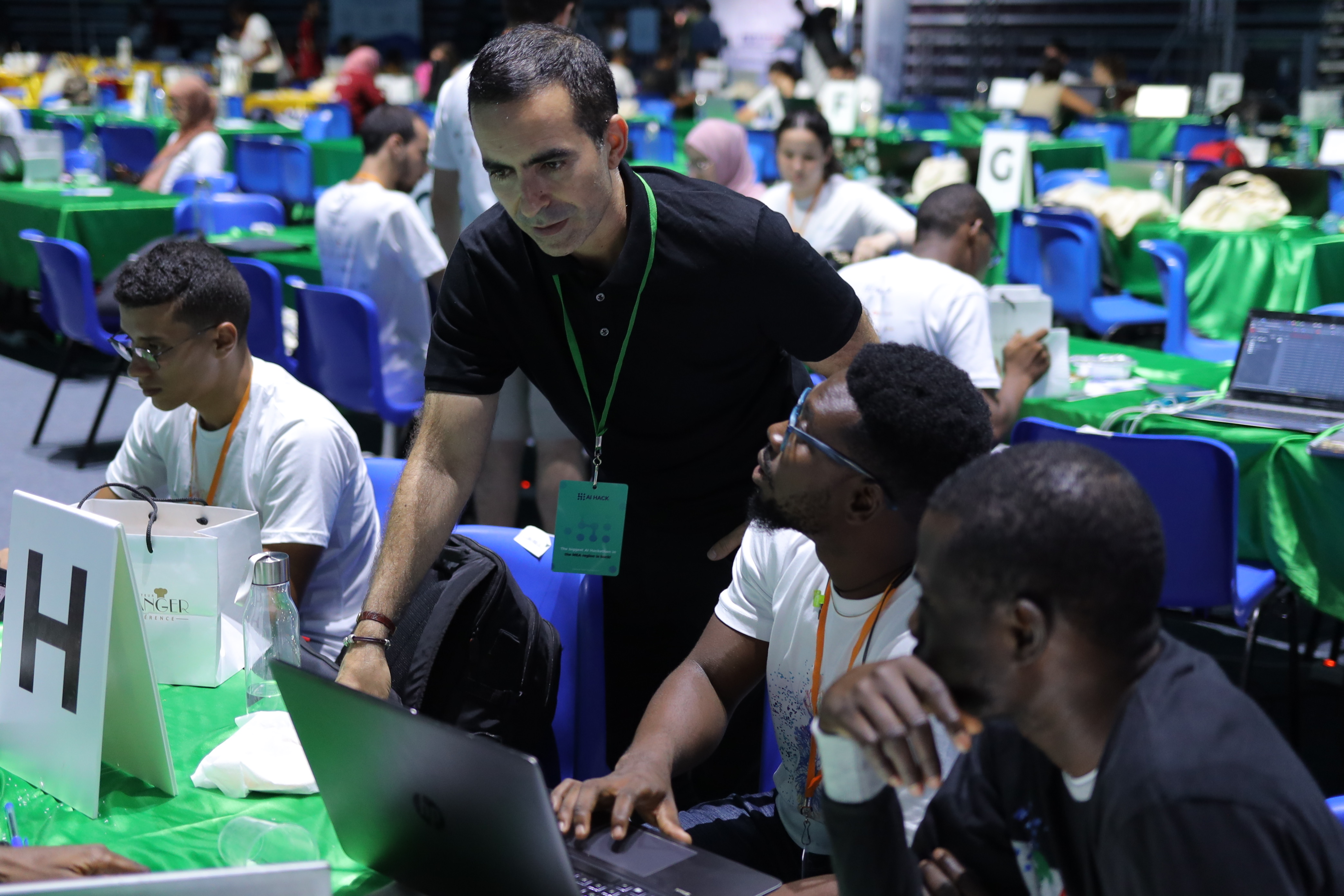
How African EdTech Startups Are Reinventing Learning Data: Inside Nigeria’s New Digital Education Push

African EdTech startups are turning real-time learning data into powerful tools for schools, with Nigeria’s DNEMIS leading the charge. Discover how education data transformation in Africa is reshaping classrooms, funding, and youth opportunity across the continent.
Inside Africa's Education Data Transformation: Why Nigeria Is Grabbing Global Attention
You are living through a powerful wave of education data transformation in Africa, and Nigeria is right at the centre of it.[1] Moreover, this shift is not just about apps and gadgets; it is about re‑imagining how schools track learning, funding, and teacher performance in real time.[1] Consequently, when Nigeria unveiled its Digital National Education Management Information System (DNEMIS) at the 2026 DHIS2 Annual Conference in Oslo, the world finally saw how serious Africa is about data‑driven education.[1] Additionally, for African EdTech founders, influencers, and creators, this new data backbone is opening fresh space for dashboards, AI tools, and content‑rich platforms built for African classrooms.[1] Ultimately, if you care about the future of learning, you cannot ignore how digital education data is quietly reshaping decisions from Lagos to Nairobi.[2]

Importantly, DNEMIS gives Nigeria a national platform for near real‑time education data, supporting policy, performance monitoring, and service delivery across the country.[1] Furthermore, this backbone now lets EdTech startups plug in, layer analytics, and build specialised tools for teachers, school owners, and parents.[1] As a result, you are seeing a new class of founders who treat data as a design material, not just a reporting requirement.[2] In addition, these builders are part of a broader African movement where stronger data pipelines and better evidence are redefining what "quality education" looks like.[2][3] Therefore, understanding this movement helps you see why the next big EdTech stories from Africa will be data‑powered, not just content‑driven.
How Education Data Transformation in Africa Is Rewriting the Rules of Learning
Notably, education data transformation in Africa is about more than digitising school registers; it is about building trust in numbers so that data finally drives change.[2] Specifically, initiatives across the continent are creating central repositories and open data systems that connect school records, assessments, and financing into one evidence base.[2] Consequently, governments and innovators can spot gaps faster, from teacher shortages to learning loss, and act with more precision.[2][4] Furthermore, organisations like UNESCO are pushing for inclusive, equitable education, and data is becoming the backbone for that vision.[3] Ultimately, when data is reliable, you can fund better, teach smarter, and hold systems accountable without falling into negative stereotypes.[2]
Additionally, African education data advocates stress the need for strong policies on data sharing, privacy, and archiving so schools and startups can collaborate in a safe way.[2] As a result, central data repositories and clear rules help create a single source of truth for learning outcomes, infrastructure, and teacher deployment.[2] Moreover, this shared foundation allows EdTech startups to design dashboards and analytics products that reflect real conditions, not just assumptions.[1][2] In particular, for you as a founder or investor, this means data products have a ready market: ministries, districts, private school chains, and even parents hungry for insight.[4] Therefore, the transformation is both technical and cultural, bringing a new respect for evidence into everyday education decisions.[2]
From Paper Records to Real‑Time Dashboards
For decades, many African schools relied on paper records and annual surveys that arrived too late to guide smart decisions.[4][6] However, digital systems like Nigeria's DNEMIS and district‑level dashboards in countries like Kenya and Rwanda are changing that picture.[1][2] Consequently, school data can now flow in near real time, revealing enrolment trends, dropout hotspots, and infrastructure gaps as they emerge.[1][2] Moreover, EdTech startups are stepping in to turn these streams into friendly visual dashboards for principals and school owners who want quick answers.[1] Ultimately, when you switch from annual reports to live dashboards, you give teachers and administrators the chance to react while it still matters.
Additionally, Africa's new data culture is encouraging schools to track more than just attendance; they now follow learning outcomes, classroom engagement, and even digital content usage.[2][4] As a result, EdTech platforms can measure which lessons work, which classes struggle, and where to tweak teaching strategies.[2] Similarly, investors and donors can move away from generic funding models toward performance‑based support tied to real metrics.[4] Importantly, this feedback loop is exactly what many African learners have missed: timely interventions grounded in facts, not guesswork.[2] Therefore, the data revolution is not abstract; it is visible in the way schools plan, hire, and support teachers day‑to‑day.
Nigeria’s Digital Education Push: DNEMIS and the New Wave of EdTech Builders
Notably, Nigeria's Digital National Education Management Information System is a milestone that shows how seriously the country takes data‑driven schooling.[1] Furthermore, DNEMIS modernises data collection, management, and reporting while supporting planning and decision‑making across every level of the sector.[1] As a result, the platform provides near real‑time education data that ministries, states, and local actors can use to track performance and improve service delivery.[1] Additionally, this national push sends a strong signal to EdTech founders: if your product helps schools use DNEMIS data better, you are part of a priority ecosystem.[1] Ultimately, for Nigerian startups, this is the perfect moment to build analytics‑first solutions rather than one‑off tools.
In addition, Nigeria's broader digital transformation agenda is creating space for AI‑powered tools, mobile‑first platforms, and creator‑led learning experiences.[6] Consequently, EdTech apps now sit alongside entertainment, influencer content, and fintech in the daily digital habits of young Nigerians.[5] Moreover, when you combine this digital fluency with fresh access to structured data, you get a generation of builders comfortable blending code, content, and analytics.[2] Importantly, many of these founders see themselves as part of a pan‑African story, trading ideas with peers in Ghana, Kenya, Rwanda, and South Africa.[2][4] Therefore, Nigeria's DNEMIS is more than a national project; it is a blueprint that other African markets can adapt.
Frontline Nigerian EdTech Startups Turning Data Into Daily Decisions
For you as a reader plugged into African tech, names like uLesson, Edukoya, and Gradely are already part of the EdTech conversation.[5] However, their next chapter will rely even more on structured data, adaptive analytics, and personalised insights for learners and schools.[5] Moreover, uLesson, founded by Nigerian entrepreneur Sim Shagaya, has built a rich digital content platform for West African learners that increasingly uses performance data to suggest lessons and practice.[5] Consequently, as national systems like DNEMIS mature, platforms like uLesson can plug into trusted datasets to deepen their analytics and reporting for schools and parents.[1][2] Ultimately, the vision is clear: combine high‑quality African content with high‑quality African data.
Additionally, startups like Edukoya focus on exam preparation and live tutoring, and they rely on detailed learner performance data to personalise practice questions.[5] As a result, these platforms naturally evolve into data engines, tracking how students engage, which topics cause trouble, and where teachers need support.[2] Similarly, Gradely uses continuous assessment data to help parents and schools track learner progress and intervene early.[5] Importantly, when these companies can align their metrics with national data systems, they become powerful partners for ministries and donors.[2][4] Therefore, the line between "learning app" and "education analytics platform" is fading fast in Nigeria's EdTech scene.
Pan‑African Data‑Driven EdTech Innovators to Watch
Beyond Nigeria, African EdTech startups from Kenya, Rwanda, South Africa, and Ghana are also building the engines for education data transformation in Africa.[2][4] Notably, companies like Kenya's Eneza Education and Rwanda's SPARK‑style school networks use data to track learning outcomes and refine instruction at scale.[4] Furthermore, South African platforms such as Adaptemy‑powered tools and analytics‑heavy school networks rely on continuous assessment data to adapt content in real time.[4] As a result, you see a pan‑African ecosystem where startups treat dashboards, data pipelines, and AI models as core products, not side features.[2] Ultimately, these builders anchor Africa's new reputation as a continent of positive innovation, not just challenges.
Moreover, pan‑African initiatives documented by projects like Unlocking Data show how governments, researchers, and civil society work together to bridge the gap between data generation and use.[2] Additionally, this collaboration creates fertile ground for startups that specialise in interfaces, visualisation, and data storytelling for education stakeholders.[2] Consequently, as founders build tools to help teachers read, trust, and use data, they also turn themselves into influencers and educators in their own right.[5] Importantly, this blend of tech and storytelling is exactly what Africa's creator economy loves, giving EdTech builders a natural audience on TikTok, Instagram, and YouTube.[5] Therefore, expect more data‑savvy founders to emerge as public voices on the future of African education.
AI, Analytics, and the Rise of Data‑Smart Classrooms
Today, AI‑powered tools are moving fast into African classrooms, and they thrive on solid data.[6] Moreover, when you layer machine learning on top of national systems like DNEMIS, you can predict dropout risks, identify learning gaps, and personalise support at scale.[1][6] Consequently, African EdTech startups are experimenting with recommendation engines that serve tailored exercises, exam prep, and revision plans based on each learner's performance data.[5] Additionally, teachers are starting to use analytics dashboards to track which lessons work and which need a rethink.[2] Ultimately, AI in African classrooms is only as strong as the data pipelines behind it, which is why this transformation matters so much.
Furthermore, the global conversation on skills‑based education and competency‑based learning is also shaping African EdTech design.[5] As a result, startups now track skills, not just scores, mapping how learners progress in problem‑solving, collaboration, and digital literacy.[4][5] Similarly, analytics platforms feed this data back to schools and parents, helping them understand strengths and gaps beyond exam marks.[2] Importantly, this shift aligns with the call from researchers and institutions for a systemic transformation of African education.[4] Therefore, when you hear about AI in EdTech, remember that the real win is turning data into better skills and opportunities for young Africans.
Influencer Culture Meets Learning Data
In Africa's creator economy, influencers already shape what young people watch, buy, and aspire to every day.[5] However, a fresh trend is emerging where EdTech founders and education advocates become influencers themselves, using data stories to drive engagement.[2] Moreover, Nigerian and Kenyan creators now share short videos that break down exam performance trends, school funding gaps, or digital learning tips using clear charts and dashboards.[2][5] Consequently, you get a generation that sees data not as dry statistics but as content to explore and share.[5] Ultimately, this blend of analytics and influencer culture helps normalise evidence‑based thinking among students and parents.
Additionally, some African celebrities and content creators are partnering with EdTech platforms to promote data‑driven learning habits.[5] For instance, when a popular musician or YouTuber backs a study‑tracking app or a performance analytics tool, they turn data into part of youth lifestyle.[5] Furthermore, this creates space for branded challenges, gamified dashboards, and social‑sharing features that reward consistent learning behaviour.[5] As a result, you see the lines between entertainment, education, and data blur in exciting ways.[5] Therefore, if you build EdTech today, you should think about creators and influencers as core allies, not just marketing add‑ons.
Funding, Policy, and the Business Case for Data‑First EdTech in Africa
Across the continent, investors increasingly want clear metrics before they back education ventures.[4] Moreover, strong data systems now let EdTech startups show learning gains, retention rates, and engagement patterns with confidence.[2] Consequently, the business case for data‑first EdTech is getting easier to make, whether you pitch to local VCs, impact funds, or global donors.[4] Additionally, performance‑driven funding models, where support depends on measurable learning outcomes, are slowly entering African markets.[4] Ultimately, founders who master data will be better positioned to win capital and scale.
Furthermore, policy makers are starting to see startups as partners in building and using education data.[2] As a result, collaboration between ministries and tech builders is becoming more common, from shared dashboards to open APIs and joint analytics labs.[1][2] Similarly, cross‑country networks supported by organisations like Brookings Institution help African leaders learn from each other's data strategies.[4] Importantly, these partnerships keep the focus on positive innovation rather than conflict or crisis headlines.[4] Therefore, if you work in policy, engaging EdTech startups early can help turn raw data into actionable insights.
Why This Matters for African Development and Youth Opportunity
Ultimately, education data is not only about numbers; it is about futures.[4] Moreover, when African systems capture and use reliable data, they can design interventions that keep more children in school, improve teaching quality, and close gender or location gaps.[2][3] Consequently, you get better chances for young Africans to build careers in tech, creative industries, sports, and beyond.[4] Additionally, a strong education data culture supports other sectors, from health to business, because it trains people to think with evidence.[2] Therefore, the data revolution in classrooms becomes a foundation for wider African innovation.
In addition, this transformation aligns with Africa's broader digital agenda, including fintech, e‑commerce, and creative platforms that already rely on data.[5][6] Similarly, EdTech startups that master analytics can collaborate with companies in entertainment, fashion, and sports to create cross‑sector learning and mentorship experiences.[5] Importantly, that means your favourite African content creators and celebrities can play a role in promoting data‑smart studying and skill‑building.[5] As a result, education stops feeling isolated and starts to sit naturally inside the digital lifestyle that young people already enjoy.[5]
How You Can Plug Into Africa's Education Data Transformation
Now that you see the landscape, you might ask how you fit into education data transformation in Africa yourself.[2] Moreover, whether you are a founder, teacher, creator, or policymaker, there are practical steps you can take.[2] Consequently, this is your chance to help turn data from a buzzword into a daily tool in African schools.[2] Additionally, you can use the continent's growing EdTech ecosystem to build, partner, and share insights across borders.[4] Ultimately, the transformation is wide open for people who are ready to act.
Practical Ways to Get Involved
- Build or support data‑first EdTech tools
Furthermore, if you are a developer or entrepreneur, focus on dashboards, analytics engines, and AI‑powered tools that use school data responsibly.[1][2] Additionally, design products that help teachers and school owners make decisions quickly, not just collect reports.[2] Consequently, your startup can sit on top of national systems like DNEMIS and turn them into daily value for classrooms.[1] Ultimately, this approach makes your venture more useful, more fundable, and more scalable.
- Collaborate with creators and influencers
Moreover, if you are part of the creator economy, partner with EdTech platforms to turn data into engaging content.[5] Additionally, share dashboards, study streak charts, or school performance maps in fun, visual ways that speak to your audience.[5] As a result, you can help normalise evidence‑based learning while growing your own brand.[5] Therefore, consider education analytics as a new niche for your next series or campaign.
- Advocate for data‑driven policy
Furthermore, if you work in government or civil society, push for open, secure data systems and policies that enable collaboration.[2] Additionally, support partnerships between ministries, researchers, and startups so data flows smoothly and safely.[2][3] Consequently, you can help make sure data informs real change in foundational learning.[2] Ultimately, this is how you ensure the data revolution benefits every learner, not just those in big cities.
Explore More on Topping Africa
Moreover, if you want to dive deeper into Africa's tech and creator stories, you can explore more on Topping Africa. Additionally, our coverage connects EdTech, influencer culture, and positive innovation across the continent.
- Technology
Consequently, discover fresh stories on African tech startups, digital disruption, and data‑driven innovation shaping the future.
- Business & Economy
Moreover, read more about how investors, founders, and policymakers are building new markets from EdTech to fintech.
- Africa News
Additionally, stay updated on major announcements like Nigeria's DNEMIS launch and other big moves in education and technology.
In addition, if you are passionate about culture and lifestyle, you can also visit Culture & Lifestyle to see how education, fashion, and music collide in Africa's digital age. Furthermore, these stories highlight the creators and celebrities who turn innovation into everyday culture.
Call to Action: Share, Comment, and Join the Data‑Smart Future
Importantly, Africa's education data story is still being written, and your voice matters. Moreover, whether you are experimenting with AI in your classroom or building an EdTech startup in Lagos, your experience can inspire others.[2][4] Consequently, share your thoughts, leave a comment below, and tell us how data is changing learning in your corner of Africa. Additionally, subscribe, explore more, and stay tuned as we spotlight rising African content creators and tech pioneers shaping the classroom of tomorrow.

Staff
Contributing writer at Topping Africa.
0 Comments
No comments yet. Be the first to share your thoughts!