
Global Collabs: How African Designers Win With International Celebrities
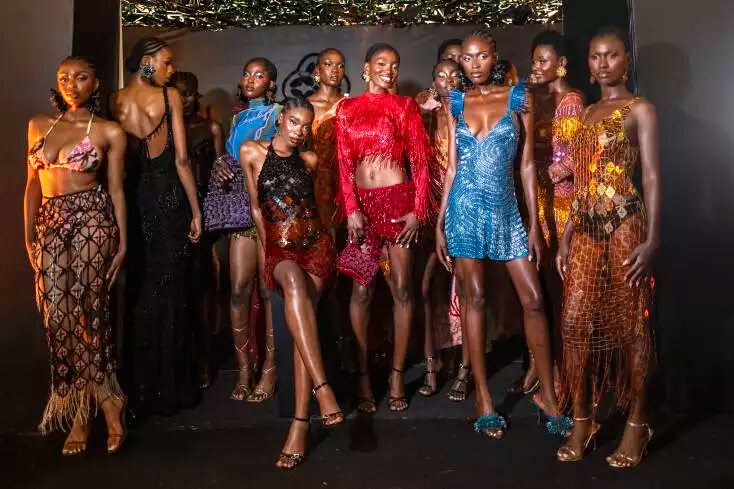
African fashion designer collaborations with global celebrities are redefining luxury, visibility, and influence. Discover how these powerful partnerships boost African brands, open new markets, and shape global style trends you cannot ignore.
Global Collabs: Why african fashion designer collaborations Matter Right Now
You are living through a powerful shift in style. Today, african fashion designer collaborations with global celebrities sit at the center of pop culture, luxury, and influencer marketing. These partnerships do more than create viral looks. They open new markets, shape trends, and position African brands as leaders in global fashion.
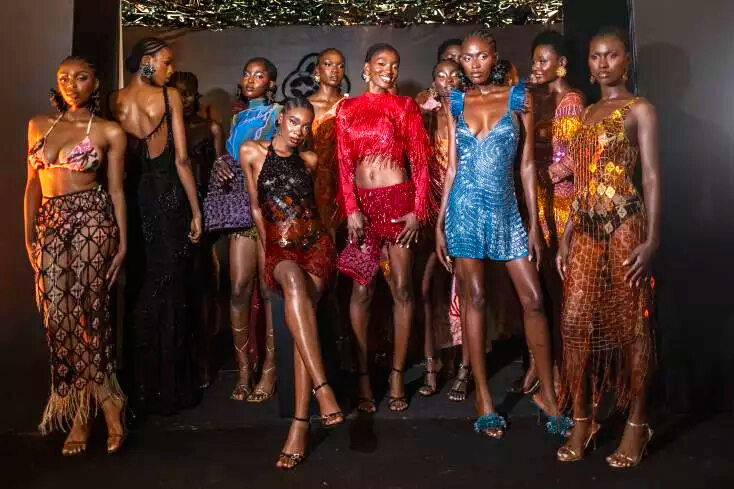
Moreover, African designers now show up on red carpets, in music videos, and on elite runways from Lagos to Paris. International stars are not just wearing African pieces. They are co-creating capsule collections, fronting campaigns, and investing in African-led labels. As a result, this is the perfect moment for you to study how these global collabs work—and how they can grow Africa’s creative economy.
Furthermore, collaborations link fashion with tech, content creation, and entertainment. When an African brand lands on a global stage, TikTok creators, stylists, and music fans all help amplify the story. If you care about African innovation, celebrity culture, and digital-first brands, these cross-border collabs are your playbook for what comes next.
The Rise of African Fashion on the Global Stage
For years, African designers pushed for a seat at the global fashion table. Now, that seat is reserved and highly visible. According to recent coverage, African brands are increasingly present at major fashion weeks in New York, London, and Paris, where they show bold prints, modern silhouettes, and reworked traditional textiles.[2][3] These appearances help position African fashion as part of modern luxury, not just cultural costume.[3]
Additionally, collaborations with international celebrities, fashion houses, and influencers have helped drive this shift.[1] When a global name posts an African look on Instagram or steps on a red carpet in a Lagos-made piece, perception changes. African design moves from niche to must-watch. Consequently, buyers, stylists, and editors begin to scout African labels more actively.[1][2]
Notably, this new era is about partnership, not tokenism. African designers lead the creative vision, while celebrities bring visibility, distribution, and access to new audiences. This balance matters, because it lets African brands protect their stories, aesthetics, and values—even as they scale globally.
How Global Collabs Supercharge African Fashion Brands
To understand why african fashion designer collaborations are so powerful, you need to look beyond the outfits. These deals reshape how brands operate, market, and grow. They also influence tech, e-commerce, and content creation across the continent.
Furthermore, collaborations unlock value at multiple levels—cultural, commercial, and digital. Below are four major ways these partnerships change the game for African designers and their communities.
1. Explosive Brand Visibility and Social Proof
When a global celebrity wears an African brand, visibility jumps overnight. A single Instagram post, tour outfit, or award-show moment can expose the label to millions. African designers have used these viral moments to push their brands into mainstream media and secure global stockists.[1][2]
For instance, multiple reports show that African brands gain increased press coverage, media interviews, and fashion editorial placements after key celebrity endorsements.[1][2] Moreover, this visibility often extends beyond fashion magazines. You see African looks on music channels, entertainment news, and lifestyle platforms from Lagos to Los Angeles.
As a result, social proof kicks in. Fans trust what their favorite celebrities wear. Influencers and micro-creators then follow, styling similar pieces on TikTok and Instagram Reels. If you are building a brand, this chain reaction—star to influencer to everyday consumer—is priceless.
2. New Markets, New Buyers, New Money
Visibility alone is not enough. However, the best global collaborations translate attention into real sales, new markets, and long-term customers. African designers now target global buyers and international collaborations as a core strategy, turning local labels into export-ready businesses.[3]
Additionally, celebrity partnerships often lead to pop-ups, capsule collections, and multi-city retail activations. These events let designers test international demand, learn about sizing and fit for different regions, and build direct relationships with buyers. African brands then refine their logistics, pricing, and e-commerce to serve customers worldwide.
On the other hand, global collaborations also attract investors who want in on Africa’s creative economy. When a brand proves it can move product in London, Paris, or New York, investors gain confidence that the label can scale.
3. Cultural Storytelling and Soft Power
Beyond sales figures, African fashion carries deep stories about identity, history, and community. African designers use collaborations to share these narratives with wider audiences. Many incorporate indigenous textiles, local techniques, and regional symbols into contemporary designs.[2][3]
Furthermore, designers across the continent use fashion to challenge stereotypes and expand how people see Africa.[4] When an international celebrity embraces that vision, it sends a strong message. The partnership says African creativity is not just a trend. It is a source of style, innovation, and cultural leadership.
Consequently, these collabs function as soft power. They shape how people talk about African cities, cultures, and communities. They also inspire young Africans to pursue careers in design, styling, tech, and content creation.
4. Digital-First Growth: Influencers, Tech & E-Commerce
Today, many of the most effective african fashion designer collaborations are built for the internet first. Brands launch drops on Instagram Live, reveal looks on TikTok, and integrate QR codes for direct shopping. African tech startups in payments, logistics, and e-commerce help make cross-border sales smoother.
Moreover, influencer culture sits at the center of this movement. African stylists, photographers, and content creators document these collabs in real time. Fans in Nairobi, Accra, and Johannesburg can shop in a few taps, thanks to mobile money and regional delivery solutions.
If you are mapping Africa’s innovation story, you cannot separate fashion from tech. The same digital rails that power fintech and creator platforms also fuel fashion’s global rise. To dive deeper into this link, you can explore Technology and Business & Economy coverage on Topping Africa.
Mini Case Studies: Global Collabs You Should Know
To bring these ideas to life, it helps to zoom in on specific brands and partnerships. While the landscape shifts fast, a few standout case studies reveal how African designers collaborate with non-African celebrities and influencers.
Additionally, these examples show how creators use social media, press, and community to scale their impact. You can use them as inspiration if you are building your own brand or working with creatives across fashion and entertainment.
Case Study 1: Lagos Luxury Brand Meets Global Pop Icons
Imagine a Lagos-based luxury label whose structured silhouettes and bold prints catch the eye of an international pop star. The star wears a custom look on tour, tags the brand, and posts behind-the-scenes clips with the designer. Overnight, search interest for the label spikes.
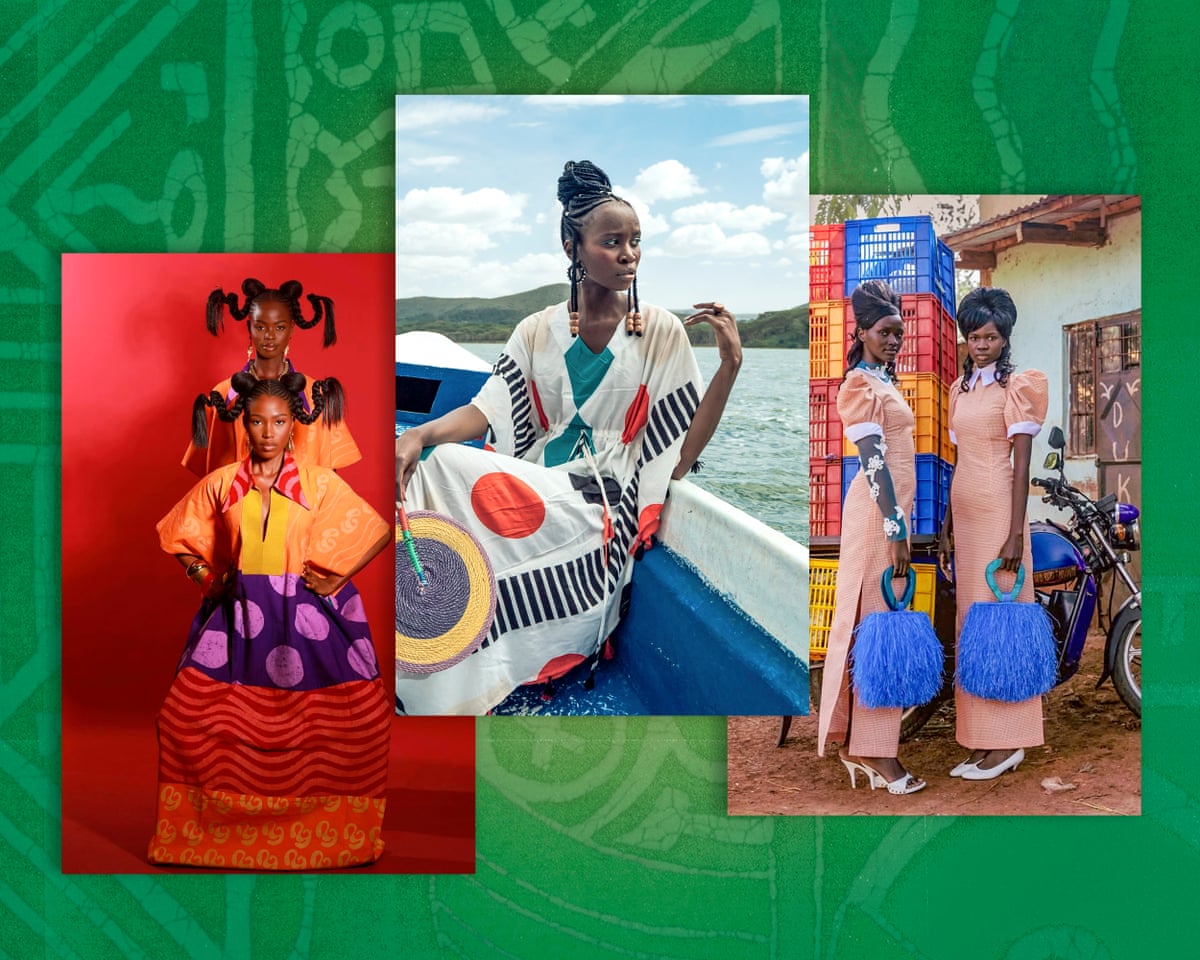
Furthermore, fashion editors request samples for editorial shoots, and stylists pitch the brand to other artists. The designer then negotiates a limited capsule collection tied to the tour, featuring stage-inspired pieces and ready-to-wear items. Fans around the world can buy through a dedicated online store with global shipping.
As a result, the brand moves from a primarily Nigerian customer base to a global one. It also builds a data-rich audience: email lists, social followers, and repeat buyers. If you track fashion-tech trends, this type of collab shows how brand equity, data, and storytelling intersect.
Case Study 2: South African Streetwear and European Influencers
Now picture a Johannesburg streetwear label known for gender-fluid silhouettes and bold graphics. The brand partners with a group of European fashion influencers known for documenting street style and underground culture. Together, they shoot a campaign across Johannesburg and Berlin.
Moreover, the collab plays out mostly online. Influencers post styling videos, city diaries, and “get ready with me” clips featuring the South African pieces. Fans ask questions about sizing, shipping, and pricing in the comments, and the brand responds in real time.
Consequently, this collaboration opens the door to concept-store placements in Berlin and Amsterdam, plus a pop-up during fashion week season. It also exposes the brand’s audience to fresh visual stories about South African youth culture, music, and art. To follow similar stories, you can explore Culture & Lifestyle and Entertainment sections on Topping Africa.
Case Study 3: East African Resort Wear and Travel Creators
Consider an East African resort-wear designer who specializes in coastal-inspired prints and flowing silhouettes. The label partners with non-African travel and lifestyle creators who document trips across Zanzibar, Lamu, and Seychelles. The creators wear the pieces in every vlog and outfit post.
Additionally, they share discount codes and behind-the-scenes content from the designer’s studio. Followers not only discover the clothes, but also gain insight into regional craftsmanship and coastal culture. This type of storytelling adds depth and authenticity to the collab.
Ultimately, these partnerships drive bookings for local resorts, tours, and restaurants, while also growing the fashion brand’s international orders. Fashion becomes an entry point for tourism, hospitality, and wider economic growth across the region.
Why Celebrities Love African Designers
So why are international celebrities drawn to African designers right now? The answer blends aesthetics, values, and timing. Celebrities increasingly want to wear pieces that feel unique, story-rich, and visually striking. African fashion offers all three in abundance.[2][3]
Furthermore, many African designers center sustainability, upcycling, and ethical production. This aligns with a growing global push for more responsible fashion, especially among younger fans.[4] When a celebrity chooses such a brand, they can signal both style and social awareness.
In addition, African designers often experiment with silhouettes, textures, and color combinations that break away from Western norms. Celebrities, especially in music and film, need standout looks that photograph well, move on stage, and trigger online conversation. African fashion hits that sweet spot.
What Celebrities Gain From These Collabs
- Fresh visual identity: African designs offer vibrant prints and unexpected cuts that stand out on red carpets and stages.
- Cultural credibility: Working with African creatives signals that an artist is plugged into global style conversations.
- Access to new fan bases: African audiences often rally behind international stars who genuinely celebrate African talent.
- Meaningful storytelling: Many designers connect their collections to deeper themes like community, heritage, or social impact.[4]
Moreover, celebrities now understand that fans expect more than surface-level fashion choices. They want to see real collaboration, fair credit, and long-term engagement with the communities behind the clothes. When done well, these partnerships create a win-win dynamic.
How African Creators and Influencers Amplify Global Collabs
Behind every headline-making collaboration, there is a network of African content creators, stylists, photographers, and influencers. These creatives document fittings, shoots, runway shows, and behind-the-scenes moments. They translate a single collab into a full digital story.
Furthermore, rising African TikTok and Instagram creators often remix these moments into trends—styling challenges, sound bites, and short-form fashion edits. Their content helps global audiences discover new designers, hairstyles, and styling tricks drawn from African cities. If you love influencer culture, these creators are the ones you should be following.
To discover more rising talents and celebrity-driven trends, you can explore Topping Africa’s Africa News and Music categories. Read more about how music, fashion, and digital media intersect across the continent.
Key Roles African Creators Play
- Stylists who pitch African designers to international clients and curate looks for tours, videos, and shoots.
- Photographers and filmmakers who capture campaigns, lookbooks, and documentary-style content about collaborations.
- Influencers who style the pieces for everyday wear and show fans how to translate high fashion into daily looks.
- Fashion commentators who break down looks, explain cultural references, and celebrate African wins online.
Additionally, many of these creators run their own brands, podcasts, or newsletters. They are not just promoting trends; they are building platforms. If you work in fashion, tech, or media, these are powerful partners for your next campaign.
Best Practices for Successful African Fashion Designer Collaborations
If you are an African designer, content creator, or entrepreneur, you may be asking how to design winning global collabs of your own. While every partnership is unique, certain principles show up again and again in success stories.
Moreover, these principles help protect your brand’s integrity, ensure fair value exchange, and build healthy long-term relationships. You can adapt them whether you are working with a superstar, a mid-tier influencer, or a niche community leader.
1. Lead With Your Story and Values
Your story is your edge. International partners often come to African designers because they want a fresh perspective, not a copy of Western trends. Therefore, you should clearly define your design DNA, cultural references, and values before you start negotiating.
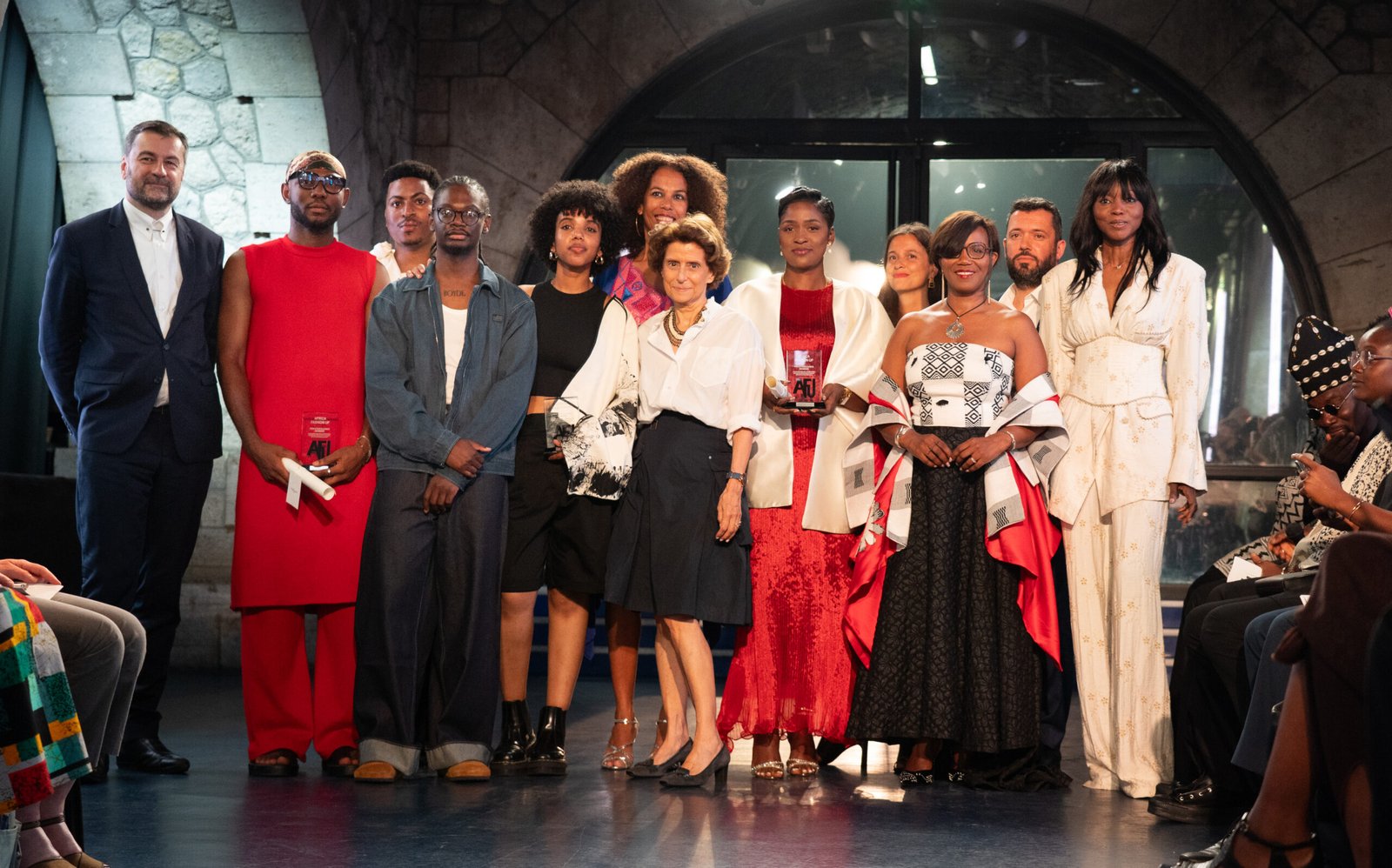
Furthermore, you can share your story through lookbooks, studio videos, and short documentaries. Consider collaborating with African filmmakers or photographers to capture this content. Then, when a celebrity or brand approaches you, they already understand what makes your work unique.
Ultimately, a strong story also protects you from being reduced to a “trend.” It encourages partners to respect your point of view, honor your heritage, and keep your brand central to the narrative.
2. Choose Partners Who Respect Your Vision
Not every collaboration is right for your brand. As a result, you should vet potential partners as carefully as they evaluate you. Look at their past partnerships, how they credit collaborators, and how they speak about culture and creativity.
Additionally, seek partners who are willing to co-create—listening to your ideas on silhouettes, fabrics, casting, and storytelling. The most powerful collabs feel like a dialogue, not a one-sided endorsement. Both sides gain, both sides learn, and both sides show up for the launch.
Moreover, you should be clear on non-negotiables: proper credit, fair payment, transparent timelines, and respectful representation of your culture. Setting these terms early prevents conflict down the line.
3. Build Digital Infrastructure Before the Hype Hits
When a global celebrity posts your design, traffic can spike instantly. Therefore, your website, payment systems, and logistics must be ready in advance. Work with African tech startups or global platforms to ensure your e-commerce, inventory, and delivery systems can scale.
Furthermore, you can test your systems with smaller influencer campaigns or limited drops before a major collab. This approach lets you fix bottlenecks, refine packaging, and improve customer communication.
In addition, make sure your brand has a consistent presence across Instagram, TikTok, and possibly YouTube. When people discover you from a viral post, they should find a clear, cohesive identity, not an empty feed.
4. Negotiate Smartly: Equity, Royalties, and Credit
Great collaborations include strong contracts. You need to protect your IP, define revenue splits, and set clear credit guidelines. Consider consulting a lawyer or industry mentor experienced in international fashion deals, even for smaller partnerships.
Moreover, think beyond one-time fees. In many cases, royalty structures, revenue shares, or co-owned products can yield more value over time. You can also explore creative models like limited NFT drops or digital fashion collabs if they align with your brand.
Ultimately, the goal is to ensure that the visibility you gain converts into long-term brand strength, not just a temporary spike.
Staying Ahead: Tracking Trends in Global African Fashion Collabs
The world of african fashion designer collaborations moves quickly. New partnerships drop every season, often linked to music releases, film projects, or major events like fashion weeks. If you want to stay ahead, you need a system for tracking these shifts.
Additionally, authoritative fashion and culture platforms often highlight standout African designers and their global moves. You can follow resources like Business of Fashion or Vogue for high-level coverage of global fashion trends. For Africa-focused insights, platforms devoted to African style and culture offer richer context.
To explore more about how African creativity shapes global culture, you can regularly visit Topping Africa’s Culture & Lifestyle and Fashion stories. Discover emerging designers, rising influencers, and the next wave of cross-border collaborations.
Practical Ways You Can Engage
- Follow African designers, stylists, and content creators on social media and share their work.
- Support brands directly through their official stores instead of only buying from resellers.
- Attend pop-ups, trunk shows, and fashion events in your city that feature African labels.
- Collaborate across borders if you are a creator, photographer, or marketer yourself.
Moreover, your choices as a consumer, fan, or collaborator help decide which brands grow and which stories spread. Every share, comment, and purchase can amplify African creativity on a global stage.
Explore More on Topping Africa
If this world of global collabs excites you, you do not need to stop here. Explore more stories across Topping Africa that spotlight designers, musicians, tech founders, and content creators who are reshaping Africa’s image worldwide.
- Fashion – Deep dives into African designers, trends, runway moments, and style innovators you should know.
- Entertainment – Coverage of African celebrities, films, and music scenes that drive global culture.
- Business & Economy – Insights into how creative industries fuel startups, jobs, and investment across the continent.
Additionally, subscribe to stay ahead of the next wave of African designer collaborations, celebrity partnerships, and tech-powered fashion stories. Share your thoughts, leave a comment, and tell us which African brands you think will land the next global collab.
Final Thoughts: Your Front-Row Seat to Africa’s Fashion Future
African designers are not waiting for permission anymore. They are building global collaborations on their own terms—grounded in cultural pride, business savvy, and digital fluency.[1][2][3] International celebrities, influencers, and investors are paying attention because the creativity is undeniable.
Furthermore, as african fashion designer collaborations grow, they will keep shaping how the world sees Africa: confident, innovative, and style-obsessed. You have a front-row seat to that shift, whether you are a fan, a creator, or a founder. Explore more, support the brands you love, and be part of the story.
Ultimately, the question is not whether African fashion will stay on the global stage. The real question is how far you will go with it—collaborating, creating, and celebrating every step of the way.

Staff
Contributing writer at Topping Africa.
0 Comments
No comments yet. Be the first to share your thoughts!