
From Startups to Superfoods: African Health Tech Making Wellness Accessible
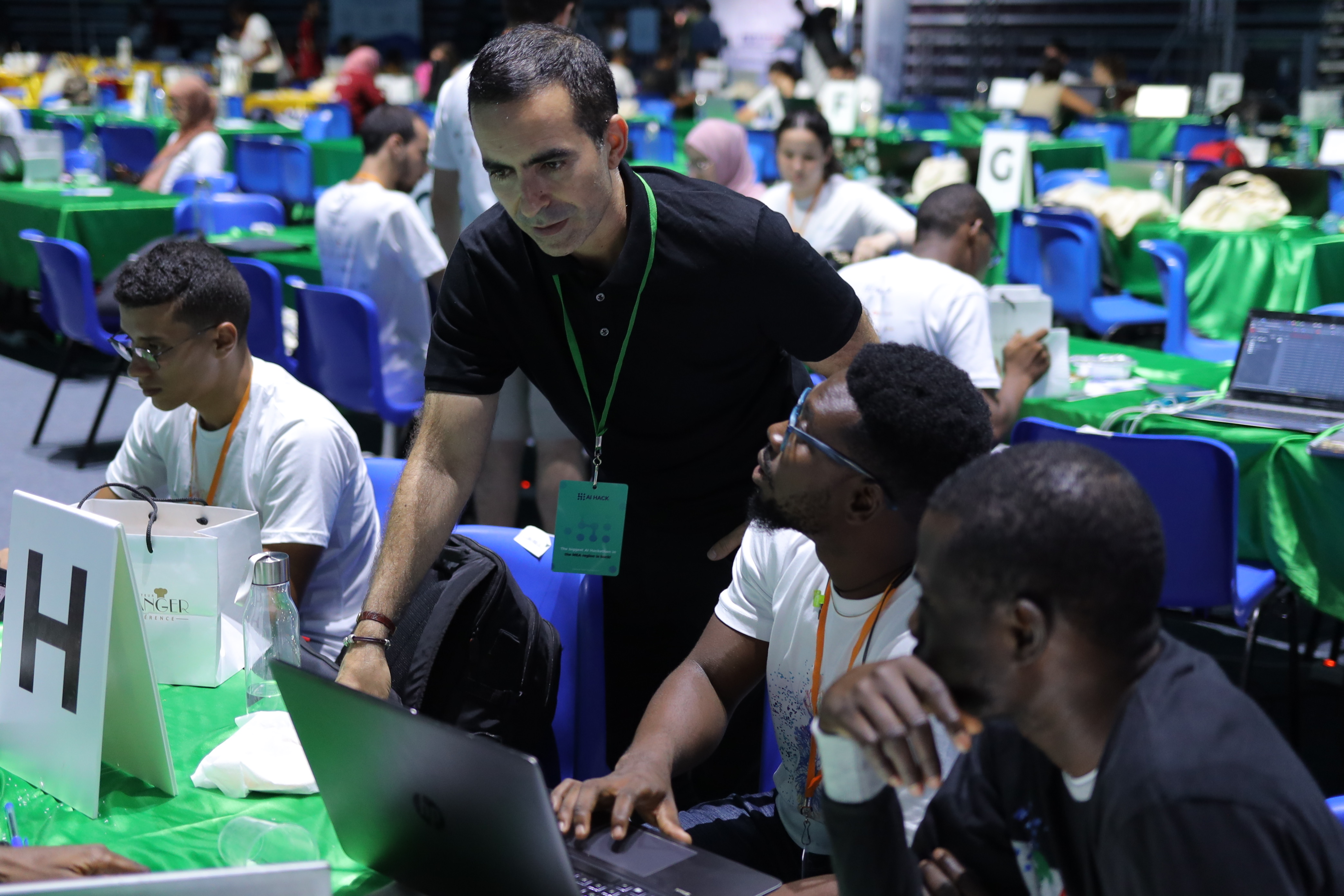
African health tech wellness startups are transforming everyday phones into powerful wellness companions, tailored to African lifestyles and languages. From virtual hospitals and at-home diagnostics to superfoods and influencer-led content, a new wellness ecosystem is making preventive care more accessible and culturally authentic across the continent.
From Startups to Superfoods: Why African Health Tech Wellness Startups Matter Now
Moreover, you are living through a historic shift in African wellness. Across the continent, African health tech wellness startups are turning everyday phones into powerful health companions.[1][2] Furthermore, these innovators blend apps, coaching, superfoods, and preventive care designed for real African lifestyles.[1][2] Consequently, you no longer need to choose between modern medicine and traditional wisdom, or between city hospitals and village clinics.[1] In addition, the new wave of health tech is making trusted wellness support more affordable, more local, and more personal than ever before.[1][5]
Importantly, this change is not just about fancy apps. Instead, it is about access: local-language health education, at-home diagnostics, and subscription-based wellness services you can actually use.[1][2] Moreover, Africa’s booming tech ecosystem is now targeting everyday health challenges, from maternal care and chronic disease to stress, nutrition, and fitness.[5][6] As a result, founders, content creators, and even celebrities are pushing health into the mainstream of African culture. Ultimately, that means you can engage with wellness through platforms you already love, from WhatsApp communities to Instagram Reels.[2][6]
The New Face of Care: Inside African Health Tech Wellness Startups
Specifically, when you hear about African health tech wellness startups, you should think beyond hospitals. These companies build tools that fit your daily routine: chat-based doctors, home test kits, fitness content, and nutrition support.[1][2] Moreover, they often use simple mobile interfaces and low data designs to reach users across urban and rural areas.[1][5] Consequently, even if you live far from a major health facility, you can still access guidance, screening, and follow-up care.[1][4]
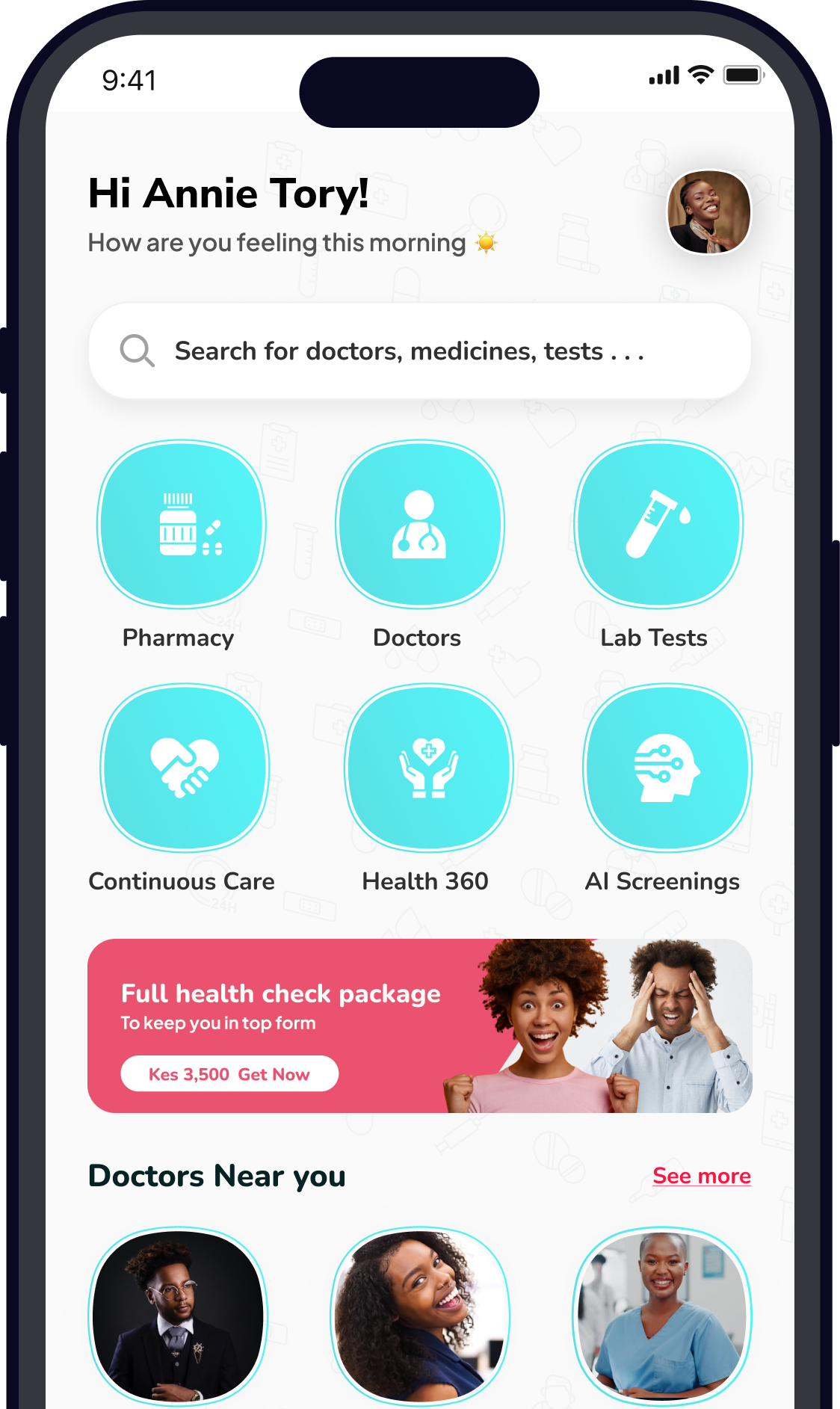
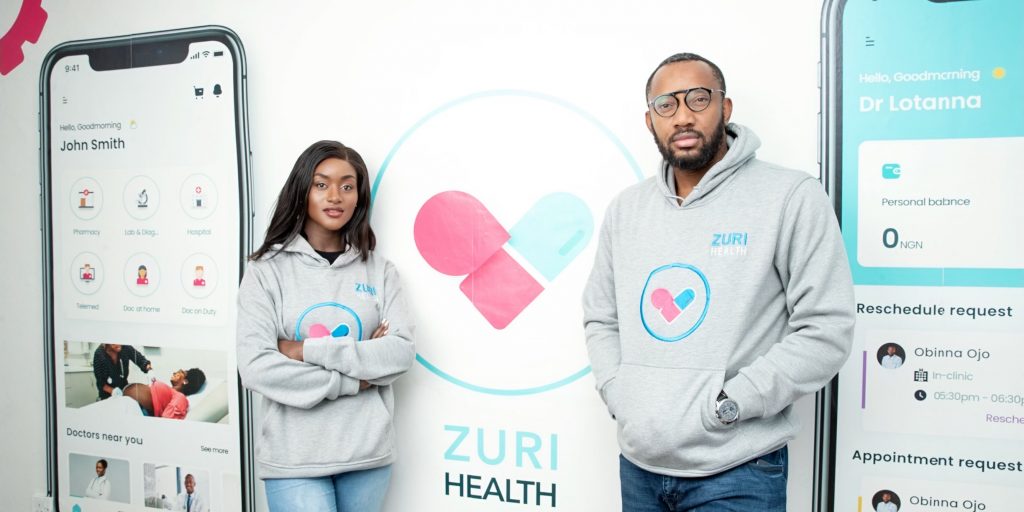
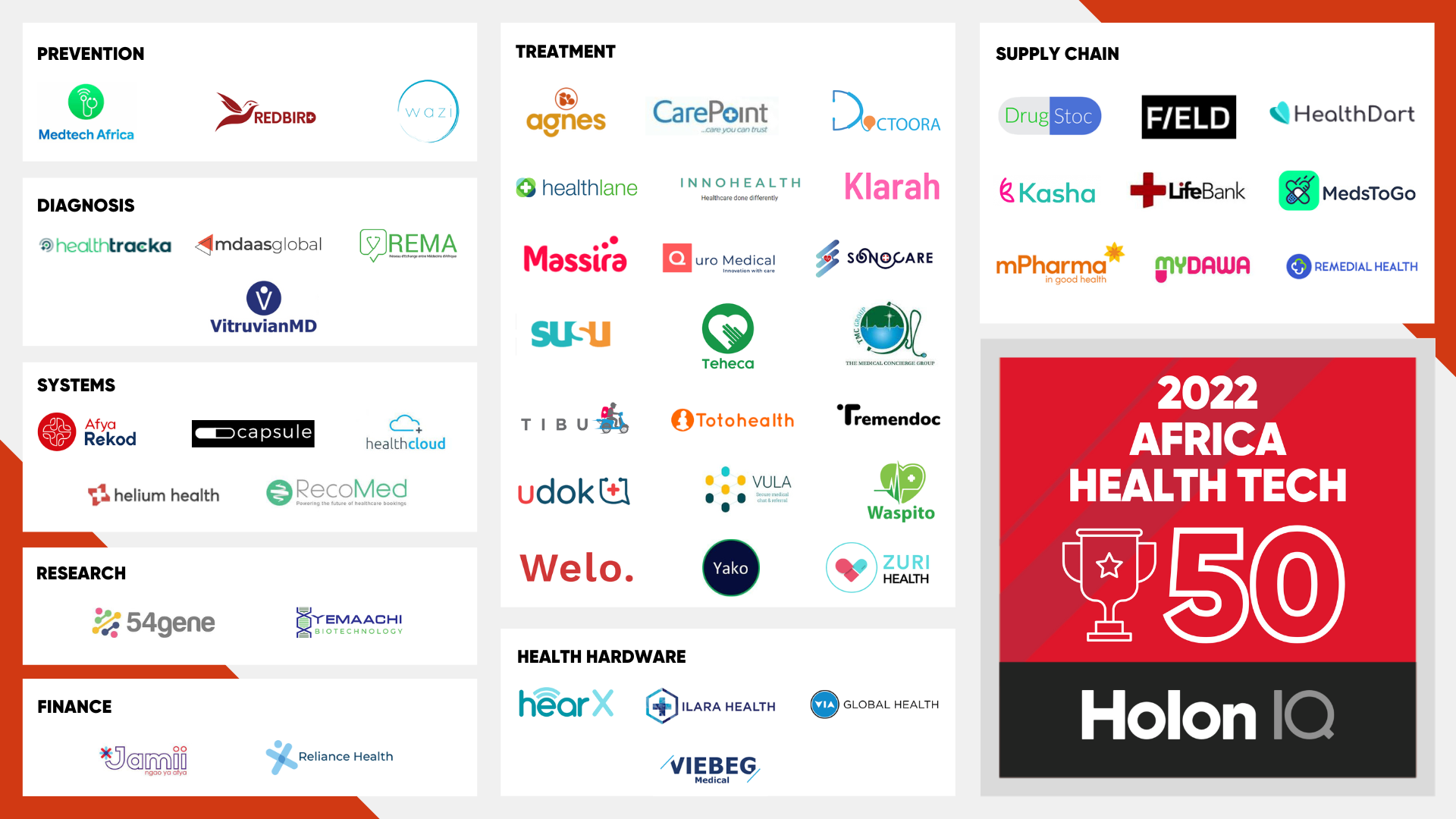
For instance, platforms like Zuri Health, described as a "virtual hospital", allow patients in Kenya, Nigeria and other markets to chat with doctors, order labs, and access pharmacy services from their phones.[1][4] Additionally, Zuri Health integrates SMS and WhatsApp so people without smartphones or constant internet can still connect with care providers.[1] Similarly, Kenyan startup Ilara Health brings affordable diagnostics to small clinics by financing and connecting point-of-care devices.[2] Therefore, your local clinic can offer tests that were once only available in large hospitals.[2]
In addition, startups like Helium Health and mPharma digitize hospital workflows and pharmacy supply chains, making prescriptions more reliable and data more useful.[5] Moreover, Nigeria’s 54gene focuses on genomics and precision medicine, ensuring Africans are represented in global health research.[2] Notably, while these companies focus on clinical care, their impact reaches wellness too: better records, safer medicines, and more personalized treatment.[2][5]
From Hospitals to Home: Preventive and Everyday Wellness Solutions
Meanwhile, a fast-growing layer of African startups is owning the preventive and everyday wellness space. These ventures mix coaching, content, and tech to keep you healthy before you ever need emergency care.[6] For instance, some HealthTech Hub Africa 2024 ventures focus on digital mental health, community fitness, and lifestyle coaching tailored to African cultures.[6] Moreover, they understand that stress, food choices, sleep, and community support are just as critical as hospital visits.[6]
Additionally, a wave of consumer-facing apps offers local-language health education, myth-busting content, and simple trackers for blood pressure, glucose, or fertility.[1][2] Consequently, you can learn about hypertension, diabetes, or pregnancy risks in Swahili, Yoruba, Amharic, or isiZulu, rather than only in English or French.[1][4] In particular, this local content approach makes health information stick, because it respects how you speak and live.[1]
Moreover, subscription-based wellness platforms are emerging, offering bundles that combine teleconsultations, vetted supplements, fitness plans, and follow-up reminders. Some partner with gyms, nutrition brands, and wellness coaches to deliver integrated experiences.[6][9] Therefore, instead of random YouTube workouts and unproven diet trends, you can follow structured plans built around African foods, lifestyles, and budgets.
Superfoods, Culture, and the Wellness Content Creator Wave
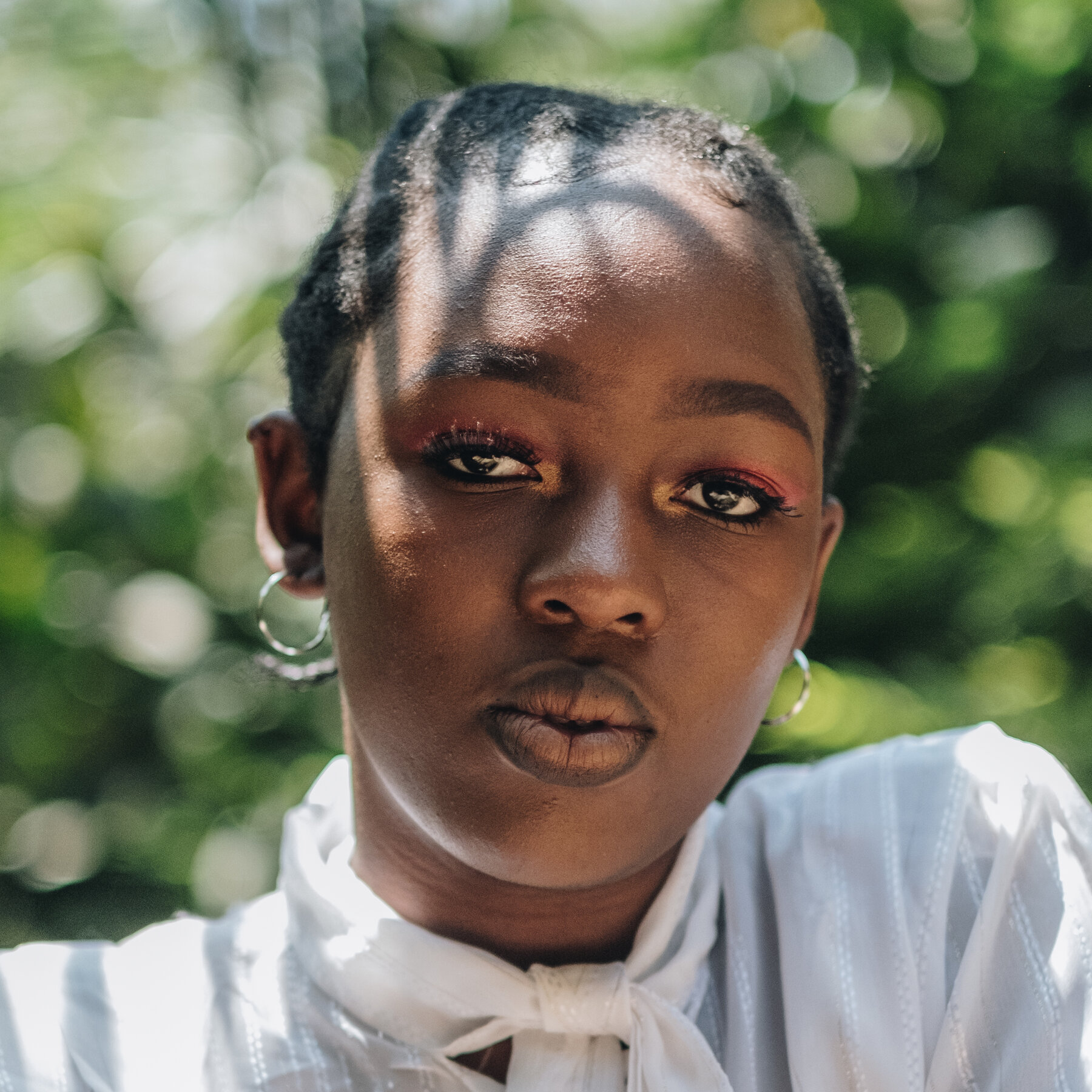
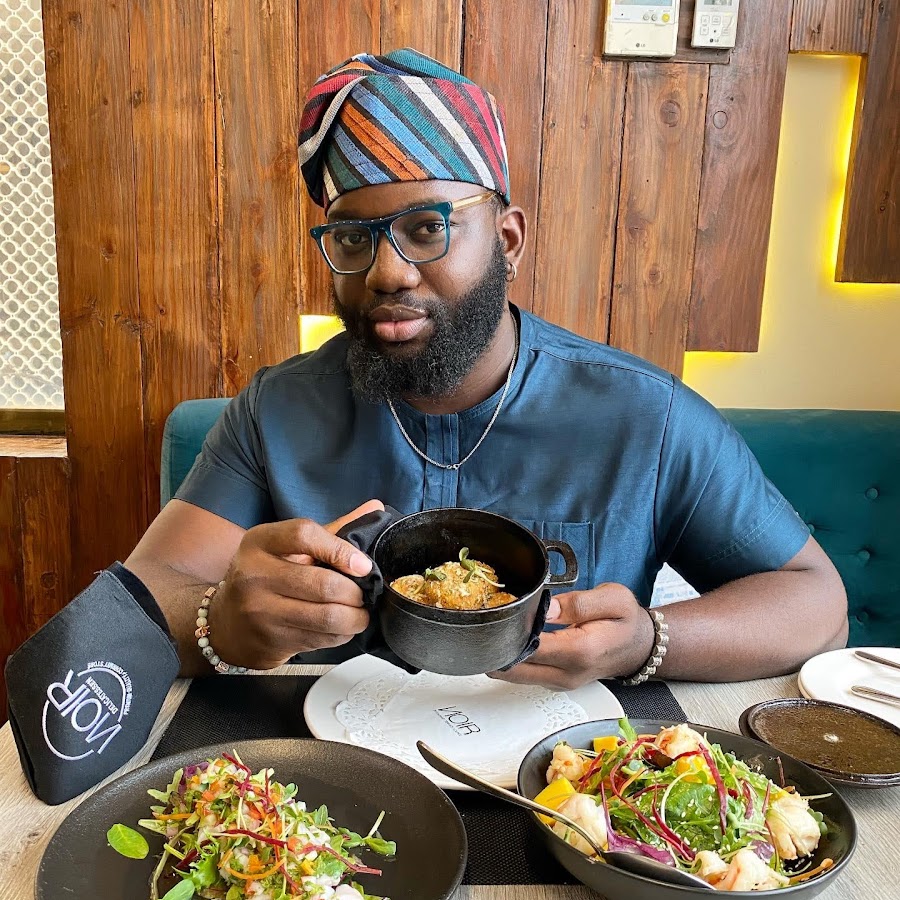
Notably, African wellness is not only driven by health facilities and startups. You also see a rising class of health and lifestyle content creators who turn wellness into culture and conversation. On Instagram, TikTok, and YouTube, African nutritionists, fitness coaches, and wellness influencers break down complex topics into short, engaging clips. Moreover, they highlight African superfoods such as moringa, baobab, teff, fonio, and hibiscus as daily heroes, not exotic trends.
For instance, many Kenyan and Nigerian fitness creators now share practical home workout routines that use basic equipment and local music. Additionally, Ghanaian nutrition coaches showcase balanced plates built from plantain, beans, leafy greens, and grilled fish rather than imported diets.[6] Consequently, you can follow wellness advice that respects your culture, your pantry, and your schedule.
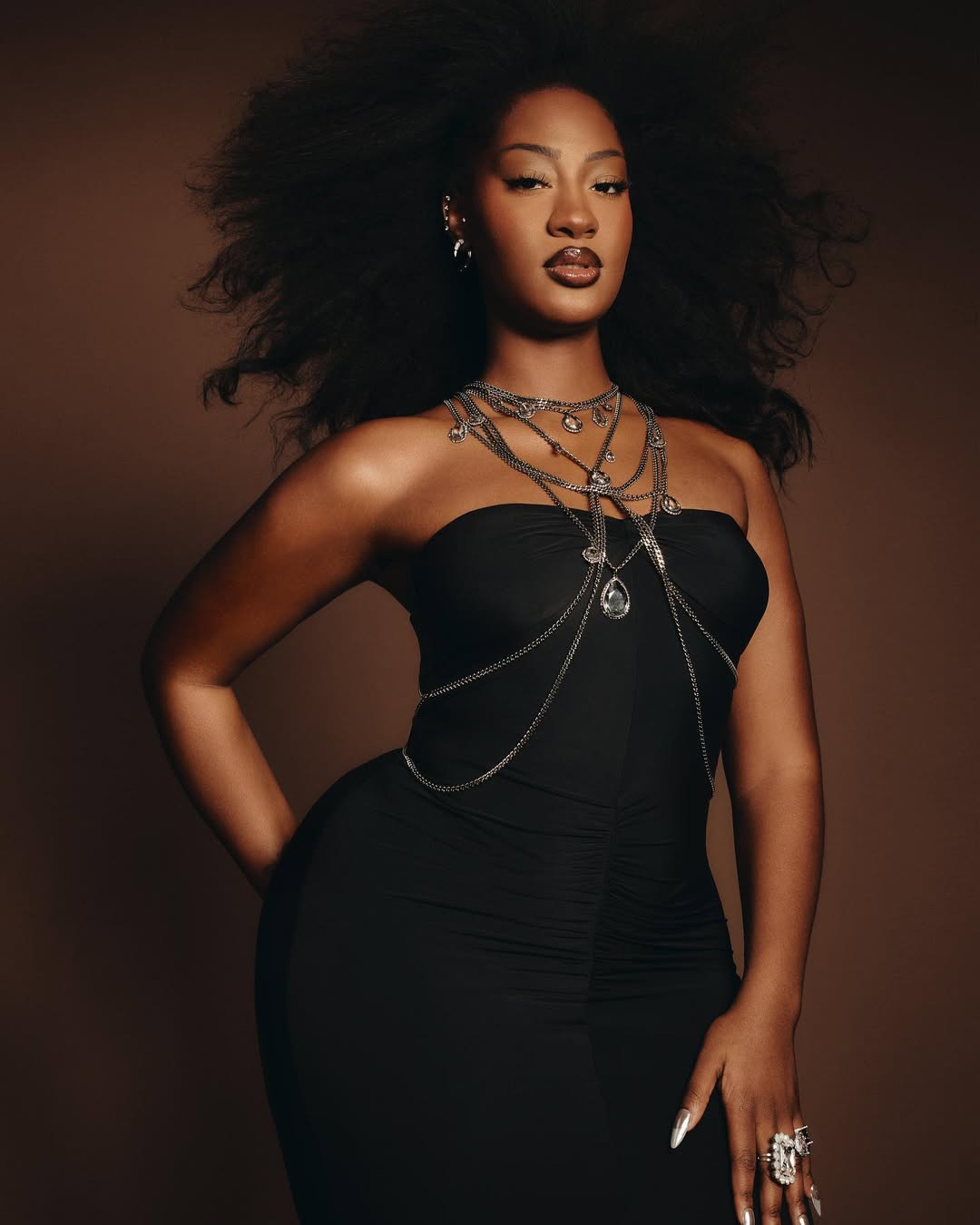
Furthermore, African celebrities are beginning to partner with health tech brands and wellness campaigns. Some musicians and actors lend their influence to mental health awareness, fitness challenges, and nutrition programs. As a result, health becomes part of mainstream entertainment and influencer culture, not a niche medical topic. If you follow these stars, you are more likely to see wellness tips and app recommendations in your feed.
How Health Tech and Influencer Culture Work Together
Moreover, smart African health tech wellness startups actively collaborate with creators. They offer ambassador programs, discount codes, and co-created content in local languages. Consequently, you see real people using these apps, sharing their journeys, and answering questions in comments.
Additionally, creators help startups design features that fit real users. They know which content formats perform best on Reels or Shorts, and which topics resonate with youth in Nairobi, Lagos, Accra, or Johannesburg. Therefore, when a health app launches a new preventive care feature, it can test messaging through influencers before scaling.
In addition, this collaboration improves trust. Health topics can feel sensitive, but when your favorite creator explains a mental health check-in app or a female health tracking tool, you are more likely to try it. Ultimately, it is this mix of tech, culture, and storytelling that makes African wellness innovation uniquely powerful.
Key Trends Shaping African Health Tech Wellness Startups
Importantly, several major trends now shape the next wave of African wellness innovation. If you care about your health, your family, or your community, these trends show what is coming next.
1. Local-Language Health Education at Scale
Firstly, more African startups deliver health education in local languages through SMS, voice, and chat apps.[1][4] Praekelt.org in South Africa pioneered youth-focused and maternal health messaging via mobile channels, reaching millions with simple, trusted content.[2] Moreover, similar models now power health campaigns for HIV, maternal care, vaccinations, and COVID-19 response.[2]
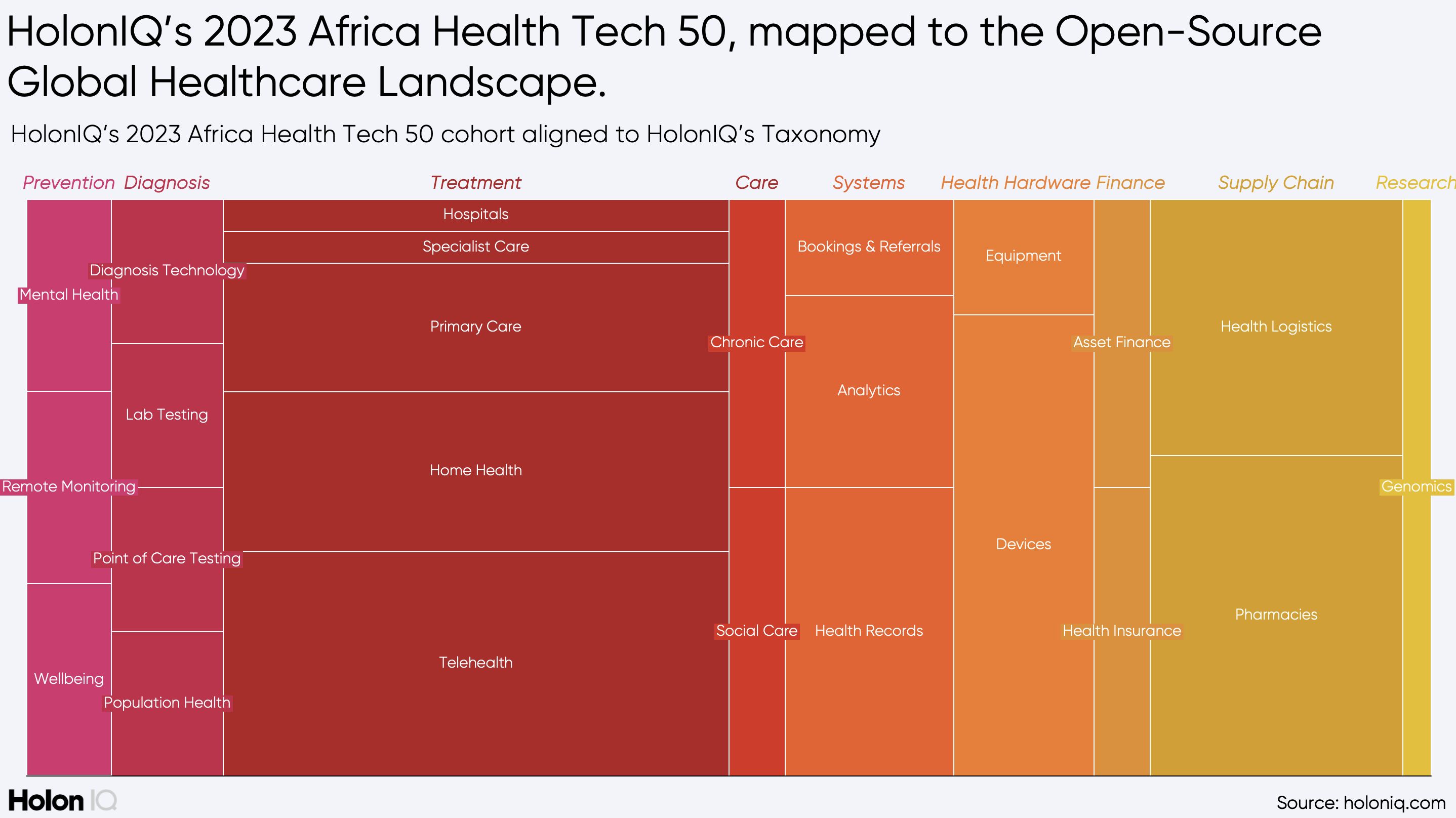
Additionally, UNDP-backed initiatives such as Medtech Africa, Zuri Health, and Mobihealth support solutions that include local-language communication, especially for rural and low-income communities.[4] Consequently, you can receive reminders, health tips, and follow-up messages that feel familiar and clear.[4] As a result, preventive care moves from hospital walls to your everyday conversations.
2. At-Home Diagnostics and Remote Monitoring
Secondly, African health tech startups are breaking the gap between labs and living rooms. Ilara Health equips small clinics with diagnostics that can catch conditions earlier, often at lower cost.[2] Moreover, some ventures explore home-based test kits for conditions like malaria, HIV, or chronic disease monitoring, paired with digital interpretation tools.[2][6]
Additionally, remote monitoring through simple wearables and phone-based trackers is gaining ground. Startups now explore low-cost devices that track blood pressure, glucose, or heart rate, then send data to clinicians or coaches.[6] Consequently, if you live with hypertension or diabetes, your follow-up can shift from sporadic visits to ongoing, digital care.
3. Wellness Subscriptions and Bundled Services
Thirdly, wellness subscriptions are becoming a core business model. Startups and insurers explore packages that combine telemedicine, pharmacy discounts, mental health sessions, fitness plans, and nutrition support.[6][9] Moreover, some link to mobile money for easy payments, or offer tiered plans for students, gig workers, and families.
In addition, bundling services helps you see wellness as a regular habit, not a one-off crisis response. Monthly or quarterly plans encourage check-ins, goal setting, and lifestyle changes. Therefore, African health tech wellness startups move from selling single consults to building long-term relationships with users.
4. Data-Driven Preventive Care and Genomics
Fourthly, data is unlocking smarter preventive care. 54gene’s genomics work helps identify disease risks and treatment responses for African populations, improving precision medicine.[2] Moreover, digital health records from platforms like Helium Health allow better tracking of trends, outbreaks, and chronic conditions across regions.[5]
Additionally, startups analyze anonymized data to design targeted wellness programs—for example, focused campaigns around hypertension in West Africa or diabetes in urban centers. Consequently, your wellness plan can slowly move from generic advice to personalized recommendations based on your age, gender, location, and lifestyle.
Superfoods and Smart Choices: Wellness Tailored to African Lifestyles
Meanwhile, African wellness innovation is redefining what healthy living looks like on the continent. Instead of copying Western diets, startups and creators embrace local ingredients and habits. You see more focus on plant-rich traditional dishes, moderate portions, and community-based activity.
For instance, some platforms promote superfoods like moringa leaves for iron and antioxidants, baobab pulp for vitamin C, and teff or fonio as nutrient-rich grains.[6] Moreover, these ingredients fit naturally into local cuisines, from stews and porridges to smoothies and teas. In addition, wellness apps and coaches teach you how to build balanced plates using foods you already know, not imported trends.
Additionally, physical activity advice often centers around walking, dancing, home workouts, and affordable sports rather than only gym memberships. Consequently, wellness becomes more inclusive, accessible, and culturally resonant. Ultimately, you see health as part of your daily rhythm, not as a separate, expensive project.
Practical Ways You Can Plug Into African Health Tech Wellness
Importantly, you do not need to be a founder or a doctor to join this movement. You can start with a few simple steps today.
- Download a trusted health app that offers teleconsultations or local health tips from African providers.
- Follow African wellness creators who share fitness routines, mental health check-ins, and nutrition advice.
- Join a digital community on WhatsApp or Telegram focused on healthy living and accountability.
- Explore wellness subscriptions that bundle preventive check-ups, mental health support, and nutrition coaching.
- Share your journey on social media to inspire friends and family to prioritize health.
Why This Boom Matters for African Youth, Creators, and Founders
Moreover, Africa’s youth population and creator economy make wellness innovation especially impactful. With a median age under 20 in many countries, preventive health for young people is critical.[5] Furthermore, many health tech founders and wellness influencers are under 35, building solutions for their own generation.[5][6]
Additionally, the rise of African content creators means health messages now travel faster and feel more relatable. When a fitness coach in Nairobi or a nutrition influencer in Lagos posts a short, practical tip, it can reach thousands within hours. Consequently, you see health not only as a clinical topic but as part of lifestyle, fashion, and self-expression.
In addition, accelerators such as the Africa Health-Tech Accelerator and HealthTech Hub Africa support these startups with funding, mentorship, and partnerships.[3][6] Therefore, more founders can turn ideas into live products, scale across borders, and secure impact investment. As the ecosystem matures, expect more cross-country platforms and regional wellness brands that serve East, West, North, and Southern Africa together.[3][6][9]
How African Health Tech Wellness Startups Are Funded and Supported
Notably, African health tech wellness startups now attract attention from investors, development agencies, and corporates. Firms like Africa Health Ventures focus on early-stage health innovations with scale potential.[9] Moreover, programs by UNDP and partners such as Startupbootcamp identify promising ventures and guide them through acceleration phases.[4]
Additionally, impact investors and foundations support digital health pilots in areas like maternal health, community diagnostics, and mental health.[2][4] As a result, founders can test business models, improve user experience, and measure outcomes before full-scale launches. Furthermore, some insurers and telecoms collaborate with health tech startups, integrating wellness offerings into data bundles or insurance plans.
Ultimately, this support environment reduces risk and speeds up innovation, meaning new wellness tools reach you sooner.
Actionable Insights: Building Your Own African Wellness Journey
Importantly, you can use this ecosystem to design a wellness journey that feels realistic and sustainable. You do not need perfection; you need small, consistent upgrades.
Firstly, start by auditing your current habits. Moreover, ask yourself simple questions: How often do you move? How balanced is your diet? How do you manage stress? Additionally, think about access: Do you have a nearby clinic? Reliable information? A support network?
Secondly, choose one or two health tech tools that match your biggest needs. For instance, if you struggle with follow-ups, pick an app that sends reminders and tracks metrics. If you feel isolated, join an online wellness group or follow creators who encourage regular check-ins.
Thirdly, integrate African superfoods and traditional practices into your routine. Moreover, swap one processed snack per day with fruits, nuts, or local grains. Additionally, use music and dance from your culture as enjoyable exercise. Therefore, your wellness journey will feel like an extension of who you are, not a foreign program.
Explore More on Topping Africa
Furthermore, if you want to go deeper into African innovation and lifestyle, you can explore more on Topping Africa. Notably, our coverage spans startups, entertainment, culture, and wellness, all through an African lens.
- Technology – Discover African tech startups transforming health, finance, and everyday life.
- Health & Wellness – Read more about preventive care, nutrition, and mental health across the continent.
- Culture & Lifestyle – Explore how fashion, music, and influencer culture shape wellness trends.
Additionally, you can follow Africa-focused business stories in Business & Economy and stay inspired by new voices in Entertainment. Ultimately, we invite you to share your thoughts, leave a comment, and subscribe to stay ahead of Africa’s wellness revolution.
Global Context: How African Wellness Innovation Fits the Bigger Picture
Moreover, Africa’s health tech and wellness boom fits into a wider global trend. Around the world, consumer health platforms and digital therapeutics are changing how people access care. Reports by organizations such as the World Health Organization and GSMA Mobile for Development highlight mobile health as a key driver of inclusion.[2][5]
Additionally, Africa stands out because mobile-first adoption is already mainstream. Many users leapfrog desktop and traditional infrastructure straight into smartphone-based solutions.[5] Consequently, African health tech wellness startups can test bold ideas quickly, then refine them based on real user data.
In addition, global research platforms like PubMed increasingly feature studies on digital health interventions in African settings. Therefore, your use of these tools contributes to a growing evidence base that can shape future policies and products.
Where Next: The Future of African Health Tech Wellness
Ultimately, the future of African wellness looks collaborative, data-driven, and deeply cultural. Startups will continue blending clinical care with coaching, content, and community support. Influencers and celebrities will keep nudging health into mainstream conversation. Moreover, everyday users like you will demand services that are both tech-savvy and culturally grounded.
Additionally, expect more cross-sector partnerships between health tech ventures, food brands, fitness communities, and media platforms. As these collaborations grow, wellness will feel less like a separate industry and more like part of daily African life. Therefore, now is the best time to discover new apps, join healthy communities, and invest in your own wellbeing.
Importantly, your choices—downloading a local health app, subscribing to a wellness service, or amplifying a creator’s message—help shape this ecosystem. If you are ready to be part of Africa’s wellness revolution, start today. Explore, experiment, and share what works for you. The continent’s health tech innovators are building the tools; you bring them to life.

Staff
Contributing writer at Topping Africa.
0 Comments
No comments yet. Be the first to share your thoughts!