From Lagos to Cairo: The New Wave of African Healthtech Startups You Should Know

From Lagos to Cairo, a new wave of African healthtech startups is transforming access to care with digital-first clinics, telemedicine, AI, and on-demand pharmacies. Discover the founders, funding trends, and cultural forces driving this health revolution across the continent.
From Lagos to Cairo: Why African Healthtech Startups Matter Right Now
You are living through a moment where African healthtech startups are reshaping what healthcare looks like from Lagos to Cairo. Across the continent, founders are building digital-first clinics, telemedicine platforms, AI diagnostics, and last-mile delivery systems that put patients, not paperwork, at the center. Moreover, these startups are not just chasing funding announcements; they are solving real problems in crowded cities and remote villages.

Furthermore, rising accelerator programs like the Africa Health-Tech Accelerator and HealthTech Hub Africa now give founders funding, mentorship, and direct links to ministries of health.[1][3][4] Consequently, you now see a new class of health innovators scaling faster than ever across Nigeria, Kenya, Egypt, South Africa, Rwanda, and beyond. In this guide, you will discover the most exciting companies and trends driving this new wave of African healthtech, and how they are changing your experience of care.
The Rise of African Healthtech Startups: A Quiet Revolution
Across Africa, healthcare has long struggled with low doctor-to-patient ratios, distance, and cost barriers. However, a new generation of African healthtech startups is closing these gaps with smartphones, cloud tools, and data-driven platforms.[4][5] In many markets, you can now book a doctor, order lab tests, or get prescriptions delivered, all from your phone.
Moreover, investors and development partners have noticed this momentum. Recent mapping efforts show hundreds of healthcare and digital health startups operating across the continent, with many in growth or later stages.[5] Additionally, specialized accelerators, from Villgro Africa’s health incubator to AI-for-health programs, now focus on helping digital health founders reach scale.[2][4] As a result, healthtech has become one of the fastest-growing categories at innovation summits and startup lists spotlighting top African ventures.[4][7]
For you as a patient, this means more choice, more transparency, and more affordable options. For founders, it means a richer support system and more ways to plug into regional ecosystems, from Technology trends to broader Business & Economy stories.
Digital Clinics and On-Demand Care: Tibu Health and Its Peers
When you think about digital-first healthcare in Africa, Kenya stands out as a powerful test bed. In Nairobi and other Kenyan cities, startups like Tibu Health are building networks of affordable, tech-enabled clinics that combine physical sites with strong digital tools. Additionally, these models help reduce waiting times, increase transparency on pricing, and deliver data that improves quality of care over time.
Similarly, in West Africa and North Africa, young companies are shaping on-demand care in their own ways. Some focus on at-home consultations and home-based lab services, while others build virtual-first clinics that you access from your phone. Consequently, your experience of “going to the hospital” is slowly shifting toward smart, hybrid care that meets you where you are.
For African creators and influencers, these digital clinics also open new lanes for health content. Moreover, health-focused YouTube channels, TikTok doctors, and wellness influencers now partner with startups to drive awareness and reduce stigma. If you love tracking trends across Culture & Lifestyle and Health & Wellness, you will see this crossover more often.
Key Features of the New Digital Clinic Model
- Hybrid care: Physical hubs plus telemedicine, chat, and remote follow-up.
- Transparent pricing: Clear packages for consultations, tests, and follow-ups.
- Data-driven operations: Electronic medical records and dashboards to track outcomes.
- Patient-centric design: Shorter queues and app-based bookings instead of paper forms.
Ultimately, these models signal where African healthtech is going: closer to your daily life, with less friction and more human-centered design.
Telemedicine, E-Pharmacies, and AI: The Broader Healthtech Wave
Beyond clinics, the most visible growth in African healthtech startups sits in telemedicine, e-pharmacies, and AI-powered diagnostics. Across multiple markets, you can now chat with a doctor through an app, send lab results digitally, and receive treatment plans without leaving home. Furthermore, AI triage tools and decision-support systems help clinicians manage high patient volumes with better accuracy.
According to recent analysis of African healthtech funding, innovators are focusing on three big themes: access to primary care, supply-chain efficiency, and better data for public health.[4] Additionally, new programs like the Artificial Intelligence for Health in Africa initiative support startups using AI to improve diagnostics, remote monitoring, and prediction models.[4] Therefore, you should expect more AI-powered tools built specifically for African languages, clinical guidelines, and disease patterns.
E-pharmacies and last-mile delivery platforms also play a key role. Moreover, they reduce the risk of stock-outs, counterfeit drugs, and long travel times for basic medicines. For many urban millennials, ordering meds from a phone feels as normal as ordering food or fashion.
What Makes African Healthtech Unique?
- Mobile-first design: Startups build for cheap Android devices and low bandwidth from day one.
- Cash and digital payments: Platforms often support cash-on-delivery, mobile money, and cards at once.
- Multi-country ambition: Many founders expand across regions early to reach scale.[1][3]
- Public-sector links: Innovators often co-design with ministries of health and public hospitals.[4]
In particular, this blend of public and private innovation sets African healthtech apart from many other regions. Consequently, your healthcare journey may soon mix government hospitals, private startups, and digital tools in one seamless flow.
From Lagos to Cairo: City-by-City Snapshot of Healthtech Momentum
To understand the new wave of African healthtech startups, you need to zoom into key hubs. From Lagos to Cairo, each city builds its own style of digital health innovation, shaped by local culture, policy, and talent. Furthermore, influencers, content creators, and celebrities in these cities help amplify health messages and normalize digital care.
Lagos: The Pulse of West African Digital Health
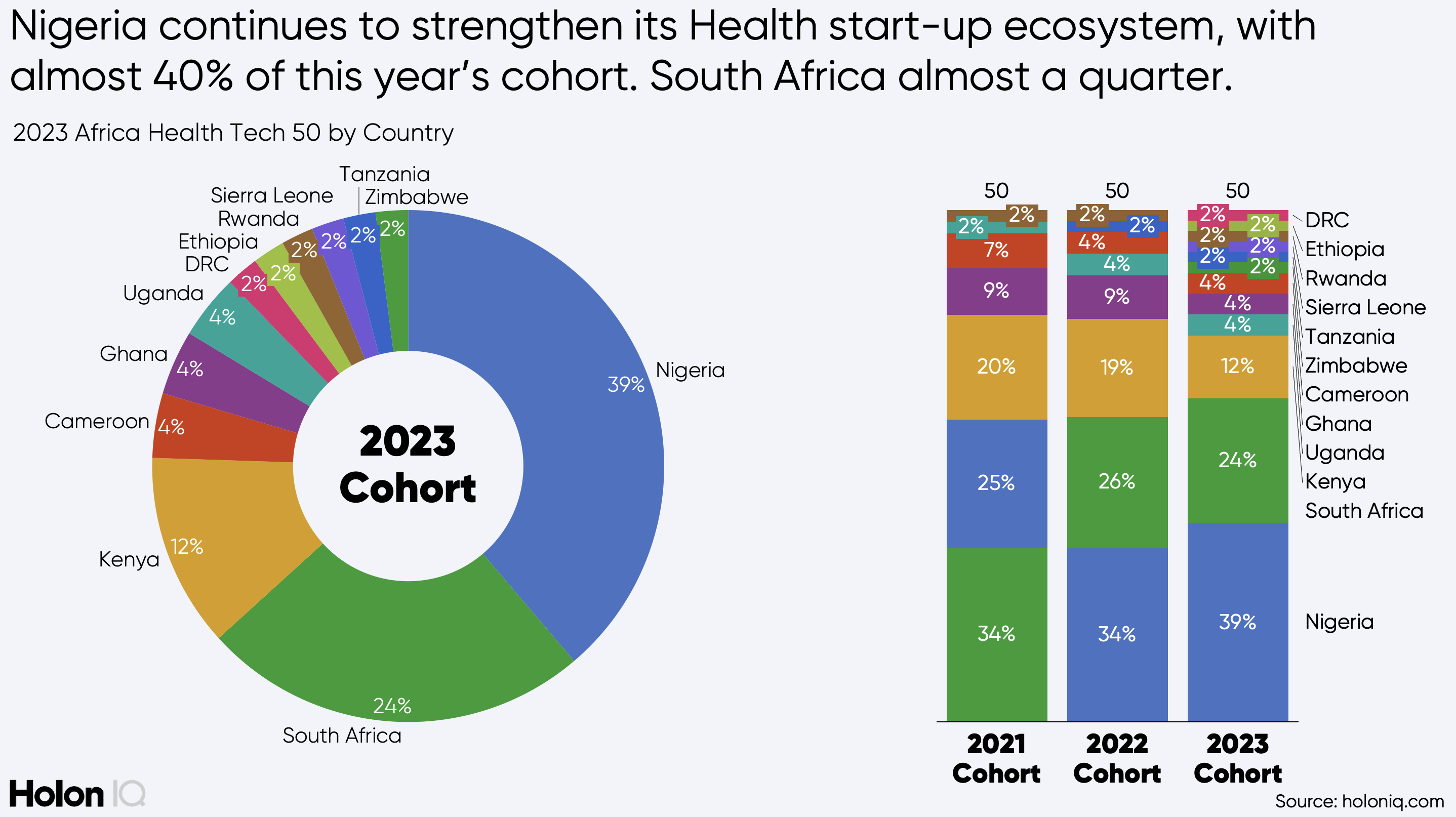
Lagos is one of Africa’s loudest startup hubs, and healthtech rides that same wave of energy. In Nigeria, digital health programs supported by partners like the WFP Innovation Accelerator push founders to build pandemic-ready solutions, telemedicine tools, and data platforms.[4] Moreover, private startups layer on top with online doctor visits, pharmacy delivery, and wellness apps targeting young professionals.
Additionally, Lagos-based creators often partner with health brands to run campaigns on preventive care, mental health, and fitness. If you follow Nigerian influencer culture closely, you will see more partnerships where doctors, nurses, and health founders join livestreams to answer real questions. As healthtech scales, these collaborations will likely become more structured ambassador roles and long-term brand deals.
Nairobi: East Africa’s Living Lab for Health Innovation
Nairobi combines strong mobile money adoption and a robust startup ecosystem, making it ideal for testing new health models. Startups like Tibu Health illustrate how you can merge physical clinics with digital tools to reach middle- and lower-income patients. Furthermore, regional programs such as Villgro Africa’s incubation support Kenyan and East African founders with funding and mentorship to refine their models.[2][4]
Moreover, Nairobi’s tech-savvy population embraces health apps as part of everyday urban life. For content creators, this opens space for “day in the life” health vlogs, maternity care series, and fitness challenges tied to digital health platforms. If you create content yourself, you can tap this trend to build niche audiences around women’s health, mental wellness, or chronic disease management.
Cairo: Healthtech at the Crossroads of Africa and the Middle East
Cairo sits at a unique crossroads, bridging African and Middle Eastern markets. In Egypt, healthtech founders are building platforms for online consultations, electronic records, and hospital management tools, often serving both public and private sectors. Additionally, large events like Africa Health ExCon bring together innovators from across the continent to showcase new health technologies and partnerships.[1][3]
Consequently, if you are a founder looking to scale from sub-Saharan Africa into North Africa, Cairo is increasingly part of that roadmap. Moreover, government-linked accelerators and regional funds now view healthtech as a strategic sector for both local and export markets. As more Cairo-based startups grow, you should expect cross-border collaborations with Lagos, Nairobi, and Kigali players.
Rising Hubs: Kigali, Cape Town, Accra, and Beyond
Beyond the big three cities, smaller but fast-growing hubs are also shaping the story. Kigali’s smart city agenda and focus on digital public services give healthtech startups a test ground for national-scale pilots. Similarly, Cape Town and Johannesburg host advanced healthtech ventures in imaging, AI, and hospital software, anchored by strong research institutions.
Accra and other West African capitals are also seeing more digital health pilots and community-based platforms. Furthermore, regional innovation challenges and startup lists regularly spotlight healthcare innovators among top African startups to watch.[4][7] Therefore, wherever you are on the continent, you likely have a healthtech story unfolding closer than you think.
Follow the Money: Funding, Accelerators, and What Comes Next
To understand where African healthtech startups are heading, you should track the money and support systems behind them. Over the past few years, analysts have mapped dozens of healthtech-specific accelerators, grants, and venture funds focused on African innovators.[4] Additionally, programs like the Africa Health-Tech Accelerator now run structured, six-month cohorts that help early-stage startups move from idea to investment-ready business.[1][3]
According to updated funding trackers, startups across Africa have raised significant rounds in healthtech, even as global VC slowed.[4][7] Furthermore, many of these deals focus on solutions that improve access for underserved communities, not just premium urban services. As a result, you now see more equity, debt, and blended finance products tailored to digital health ventures.
Key Support Platforms Powering the Ecosystem
- Africa Health-Tech Accelerator: A pan-African, equity-free program helping early-stage healthtech ventures scale across borders.[1][3]
- Villgro Africa: An impact investor and incubator backing early-stage health and life sciences startups with funding and advisory.[2][4]
- HealthTech Hub Africa: A platform focused on high-impact, business-to-government digital health solutions with potential for population-level impact.[4]
- AI for Health in Africa: A specialized program supporting AI-enabled health startups with funding and technical support.[4]
If you are a founder, you should closely watch calls for applications from these platforms and similar initiatives. Moreover, following ecosystem reports from groups like Salient Advisory and startup databases such as StartupMap Africa helps you spot new funding trends.[4][5] For deeper global context, you can also explore global digital health analysis from sources like World Health Organization.
Influencer Culture Meets Healthtech: Storytelling, Trust, and Reach
Healthtech cannot scale on code alone; it needs culture, trust, and storytelling. Across Africa, influencers and content creators now play a growing role in how people learn about digital health tools. Furthermore, African celebrities and public figures regularly partner with wellness brands, hospitals, and digital health platforms to promote checkups, mental health, and healthy living.
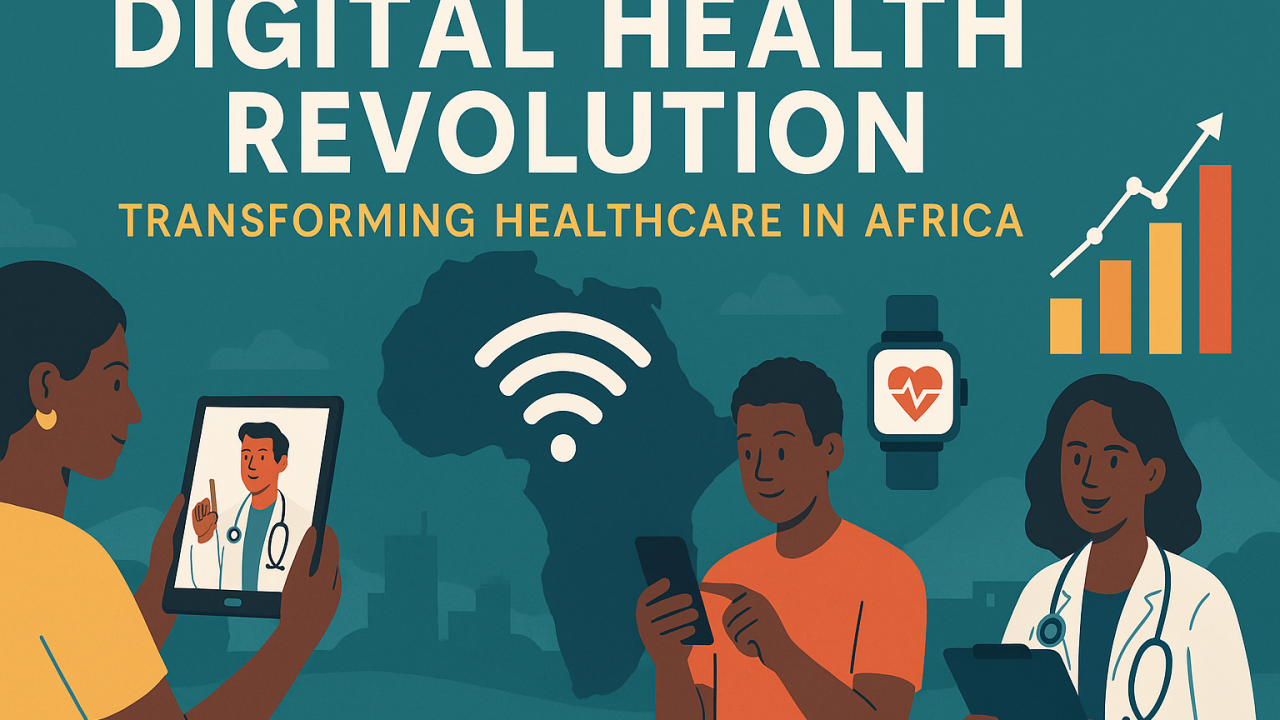
Moreover, TikTok doctors, Instagram nurses, and YouTube health educators turn complex topics into quick, shareable content. If you are building a healthtech product, you should see these creators as strategic partners. Consequently, their reach and authenticity can help you explain features, address rumors, and build trust with communities that might otherwise hesitate to try digital care.
In addition, this shift connects naturally with broader content across Entertainment and Opinion & Editorial on Topping Africa. You can read more about how African influencers shape trends in fashion, music, and now health, and discover voices you might want to collaborate with next.
How You Can Leverage Influencer Culture for Healthtech
- Co-create content with health-savvy creators for explainer videos, Q&A sessions, and Instagram Lives.
- Use local languages and humor to make complex topics feel friendly and relatable.
- Highlight patient stories to show real impact, not just app screenshots.
- Engage communities by inviting followers to share questions, experiences, and feedback.
Ultimately, this blend of tech and culture is one of Africa’s biggest advantages. When you combine sharp product design, bold storytelling, and strong community roots, healthtech can move from niche to mainstream.
Opportunities for Founders: Where You Can Build Next
If you are thinking about launching or joining a healthtech startup, this is a strong moment to move. The new wave of African healthtech startups has proved that digital health can be both impactful and sustainable. Additionally, there are still many gaps waiting for the next wave of founders to fill.
Furthermore, you do not need to reinvent the wheel. Instead, you can focus on niche problems in your city or country and partner with existing platforms, hospitals, or NGOs. As you explore, think about how your skills connect with one of these opportunity spaces.
High-Potential Areas for New African Healthtech Ventures
- Mental health and wellness: Apps, chat-based support, and content platforms tailored to African youth and working adults.
- Maternal and child health: Pregnancy tracking, remote monitoring, and education in local languages.
- Chronic disease management: Tools for diabetes, hypertension, and HIV that support long-term adherence and lifestyle changes.
- Health logistics and supply chain: Software and delivery solutions that keep clinics stocked and reduce counterfeit risk.
- Health data platforms: Systems that help governments and providers use data for planning and resource allocation.
In particular, if you are already active in fintech, logistics, or creator economy spaces, you may find powerful crossovers with healthtech. Moreover, by reading more across our Africa News and Technology sections, you can spot trends early and build ahead of the curve.
Explore More on Topping Africa
If this journey from Lagos to Cairo has sparked ideas, you should not stop here. Explore more stories, interviews, and deep dives across Topping Africa to stay ahead of the next big healthtech and innovation wave. Additionally, you can share your thoughts, recommend startups to watch, or comment with your own founder journey.
- Technology – Discover African startups transforming health, finance, mobility, and more.
- Health & Wellness – Read more about wellness trends, digital care, and inspiring health journeys.
- Business & Economy – Explore funding stories, founder profiles, and market insights across the continent.
Moreover, if you enjoyed this piece, subscribe to stay updated on the next wave of founders shaping Africa’s future. Ultimately, your clicks, shares, and comments help spotlight the innovators building a healthier, more connected continent.
Final Thoughts: Your Role in Africa’s Healthtech Future
From Lagos to Cairo, the story of African healthtech startups is still being written, and you have a role in it. Whether you are a patient, creator, investor, or founder, your choices influence which products grow and which ideas fade. Furthermore, every time you try a telemedicine app, join a wellness challenge, or back a health founder, you push the ecosystem forward.
Additionally, this is not just a tech story; it is a culture story about how Africans care for one another in a digital age. If you want to be part of that, start by exploring more, asking better questions, and supporting positive innovation when you see it. Finally, leave a comment, share this article with a friend building in health, and stay tuned for more spotlights on the people and products reshaping African life.

Staff
Contributing writer at Topping Africa.
0 Comments
No comments yet. Be the first to share your thoughts!