
Digital Learning Gaps in Africa: What’s Working in Rural and Urban Schools Right Now
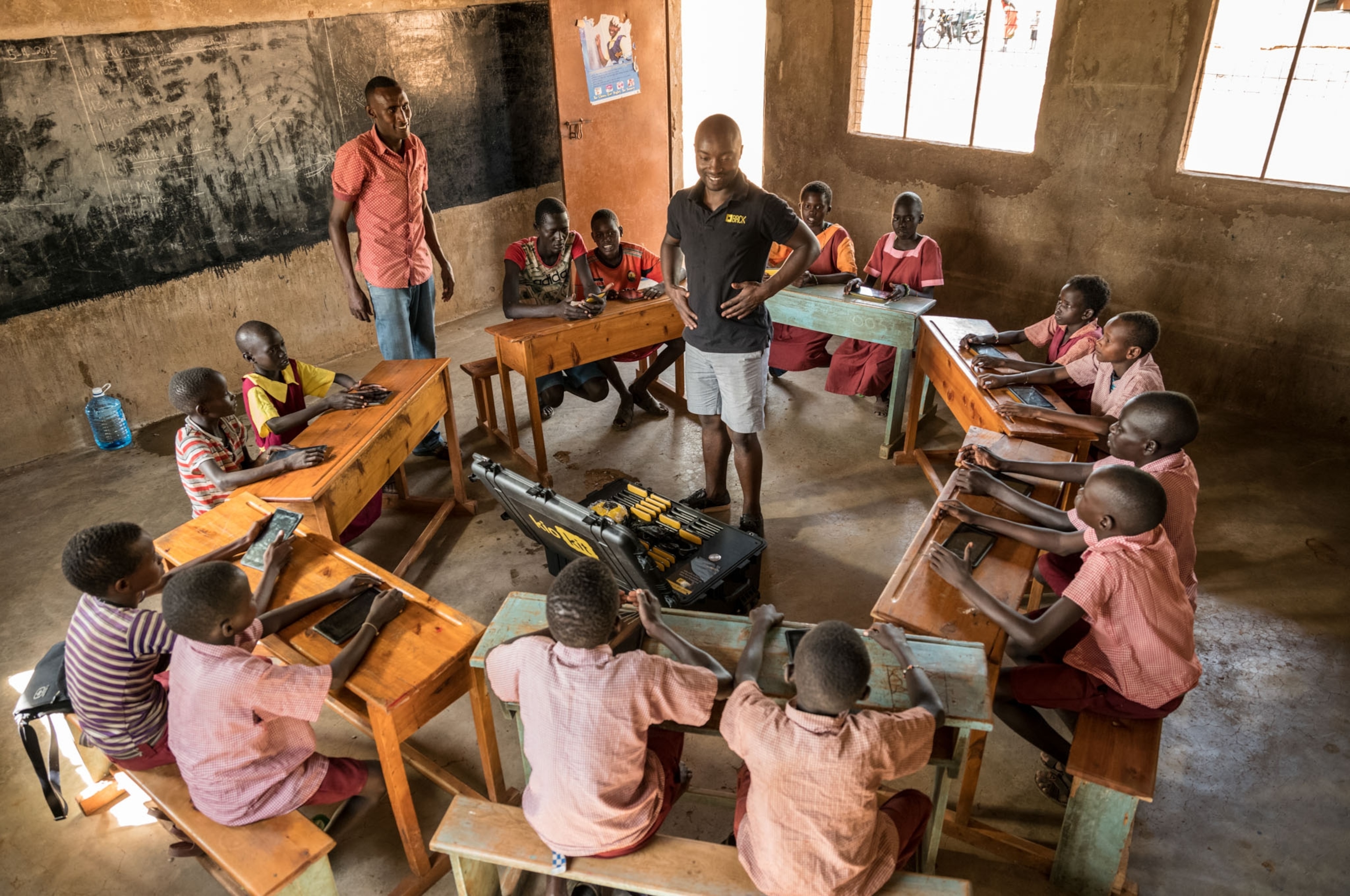
Digital learning Africa is moving beyond the digital divide narrative. From offline-first tools in rural schools to blended learning in cities, African-led solutions are already closing gaps. This practical guide shows what is working right now and how you can help scale it.
Digital Learning Africa: Why the Conversation Must Shift to What Is Working
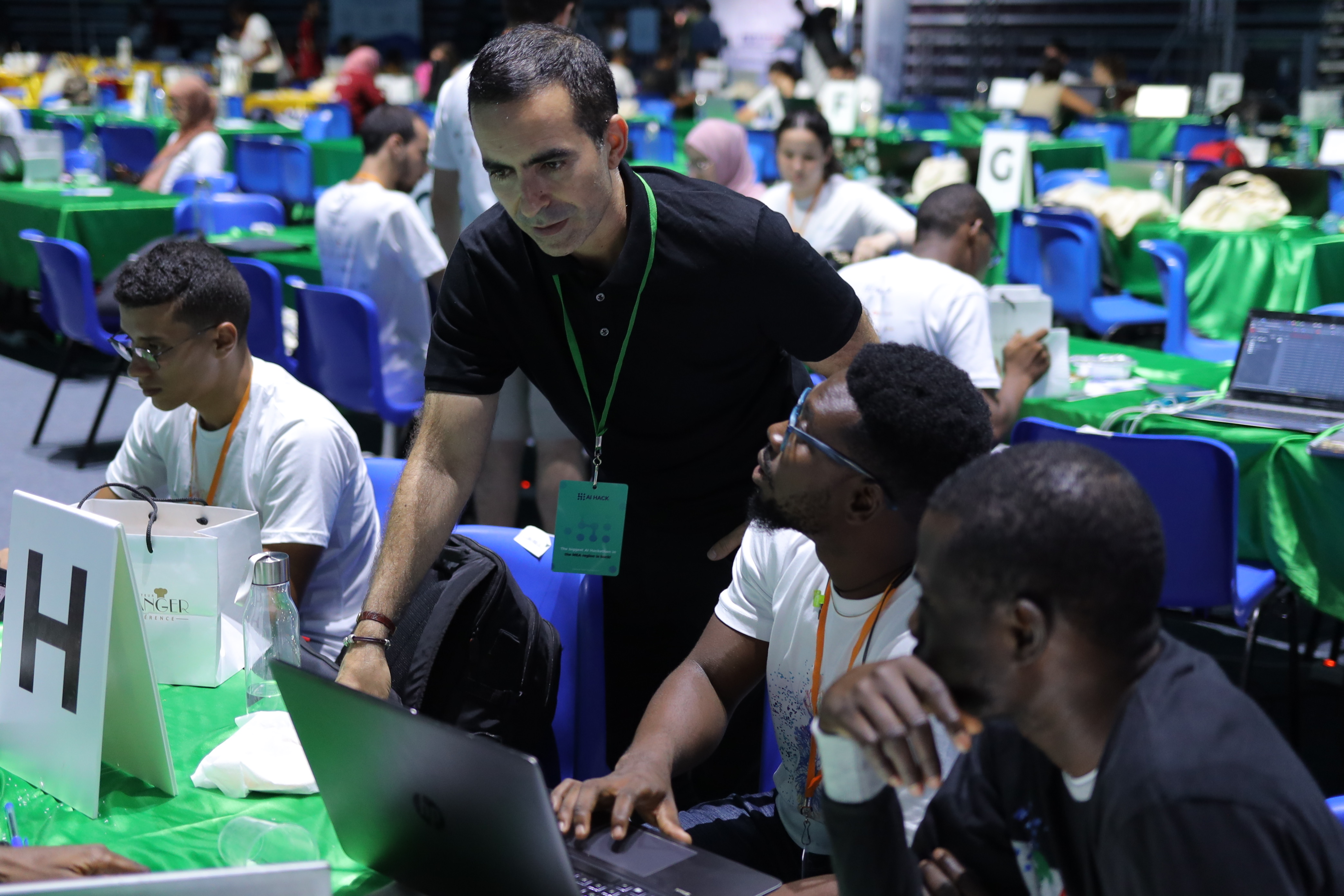
If you care about education, you cannot ignore digital learning Africa right now. Across the continent, you see rural and urban schools testing bold new models to close learning gaps with smart, simple tools. However, most global stories still focus on problems, not on the African-led solutions you and your community can build on today.
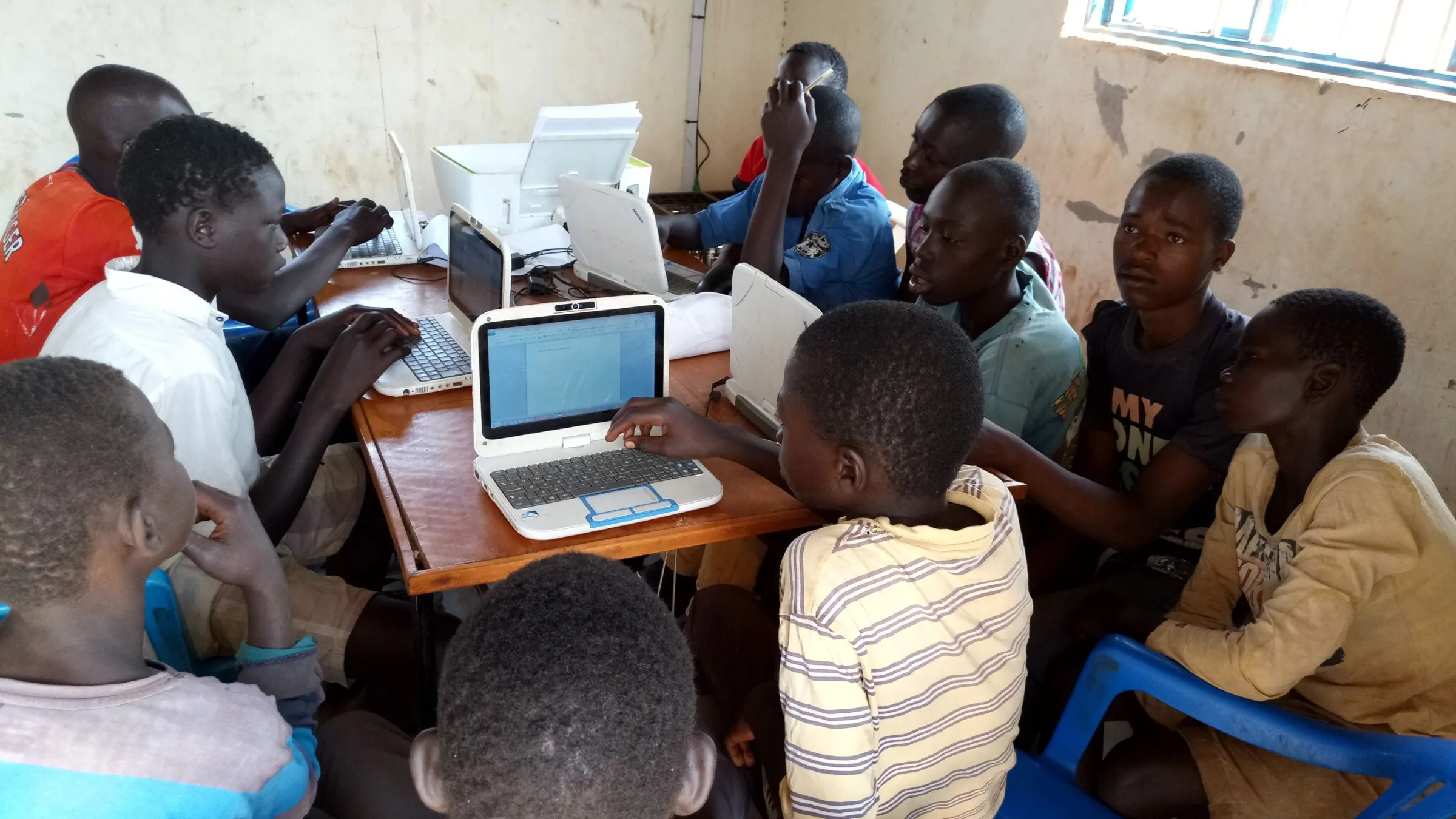
Moreover, African edtech startups, creators, and teachers are quietly proving that digital learning can work even with low bandwidth, shared devices, and unreliable power. Consequently, parents, educators, and policymakers now have real examples they can study, copy, and scale. In this guide, you will discover what is working in both city classrooms and remote villages, and how you can help push the next wave of positive innovation.
From Divide to Leapfrog: The New Story of Digital Learning in Africa
For years, the phrase digital divide defined the education story in Africa. Afrobarometer data shows that many students still lack internet access at home, especially in rural areas.[4] However, schools, startups, and NGOs are no longer waiting for perfect infrastructure before they act.
Instead, they are building models that treat connectivity as a bonus, not a requirement. For instance, UNESCO highlights GlobeDock Academy in Ethiopia, an AI-powered, offline-first learning platform that now serves more than 200,000 learners across the country.[1] Similarly, teachers in Nigerian rural schools report that even one shared device with locally stored content can change how students engage with science and math.[3]
As a result, the real question has shifted. It is no longer "Can digital learning work here?" but rather "Which models work best in this context, and how do we scale them responsibly?" Ultimately, that is the question this article will help you answer.
How Urban Schools Are Using Digital Learning Africa Tools Right Now
In big cities from Lagos to Nairobi and Johannesburg, many schools now treat technology as a normal part of learning. Furthermore, urban classrooms often benefit from better mobile coverage, more devices, and stronger links to African tech startups. This mix creates room for experiments that you can track and adapt in your own setting.
1. Blended Learning in Private and Public Urban Schools
Blended learning combines face-to-face teaching with online or digital activities. In many African cities, teachers use projectors, tablets, or computer labs together with platforms like learning management systems and video-based lessons. According to global research, blended approaches can boost engagement and support different learning speeds when teachers use them well.[2]
In Africa, you see that play out in simple ways. For instance, a teacher might introduce a concept in class, then assign a short video or quiz on a low-data platform for homework. Consequently, students review content at their own pace, while the teacher uses class time for questions and deeper practice. Moreover, schools tap WhatsApp groups to share assignments with parents, turning phones into mini learning hubs.
2. Stronger Partnerships with African Edtech Startups
Many urban schools now work closely with African edtech startups that understand local languages, exams, and data limits. For example, platforms similar in spirit to Ethiopia's GlobeDock Academy tailor content to national curricula and run on low-bandwidth or offline modes.[1] Additionally, mobile-first apps offer short quizzes, exam prep, and interactive exercises designed for cheap smartphones.
Importantly, these startups often test products in city schools first, then adapt them for rural rollouts. As a parent or policymaker, you can look for tools that already serve mixed-income students and support local languages. Consequently, you help reduce the risk of widening gaps between elite and public schools.
3. Digital Skills and Creator Culture in Urban Classrooms
Urban schools also plug students into Africa's growing creator and tech economy. Furthermore, some secondary schools in cities like Nairobi and Accra now run coding clubs, robotics teams, and digital media labs. Students learn to edit video, design graphics for social media, or build simple apps, mirroring skills used by top African content creators.
For instance, South African edtech clubs often connect learners with role models who work in startups or creative agencies. As a result, students see clear paths from coding homework or video projects to real jobs in digital marketing, fintech, or entertainment. If you are an educator, you can partner with local tech hubs to bring similar programs into your school.
What’s Working in Rural Digital Learning Africa Classrooms
Rural schools face tough challenges: longer distances, weaker signals, and fewer devices per learner. However, they are also home to some of the most creative digital learning Africa solutions on the continent. When you look closely, you see resourceful teachers and communities turning constraints into smart design choices.
1. Offline-First and Low-Bandwidth Learning Models
Offline-first solutions store content locally on devices or local servers, then sync when there is a connection. UNESCO's case study of GlobeDock Academy shows how offline-first design can support underserved learners in Ethiopia with AI-powered lessons even without constant internet.[1] Similarly, many rural Nigerian schools use preloaded tablets or laptops with open educational resources to keep learning going despite patchy networks.[3]
Moreover, some rural communities use local intranet "digital libraries" that broadcast content over Wi-Fi without needing full internet. Consequently, students can connect from basic phones or low-cost laptops to access textbooks, videos, and quizzes for free within school grounds. If you support a rural school, pushing for an offline content server may deliver more impact than paying for expensive data plans.
2. Community Device Sharing and Learning Hubs
In many villages, students do not own personal devices. However, schools and local leaders are building creative shared models. For instance, one computer lab or a small tablet bank can serve an entire school, with scheduled sessions for each class or grade.
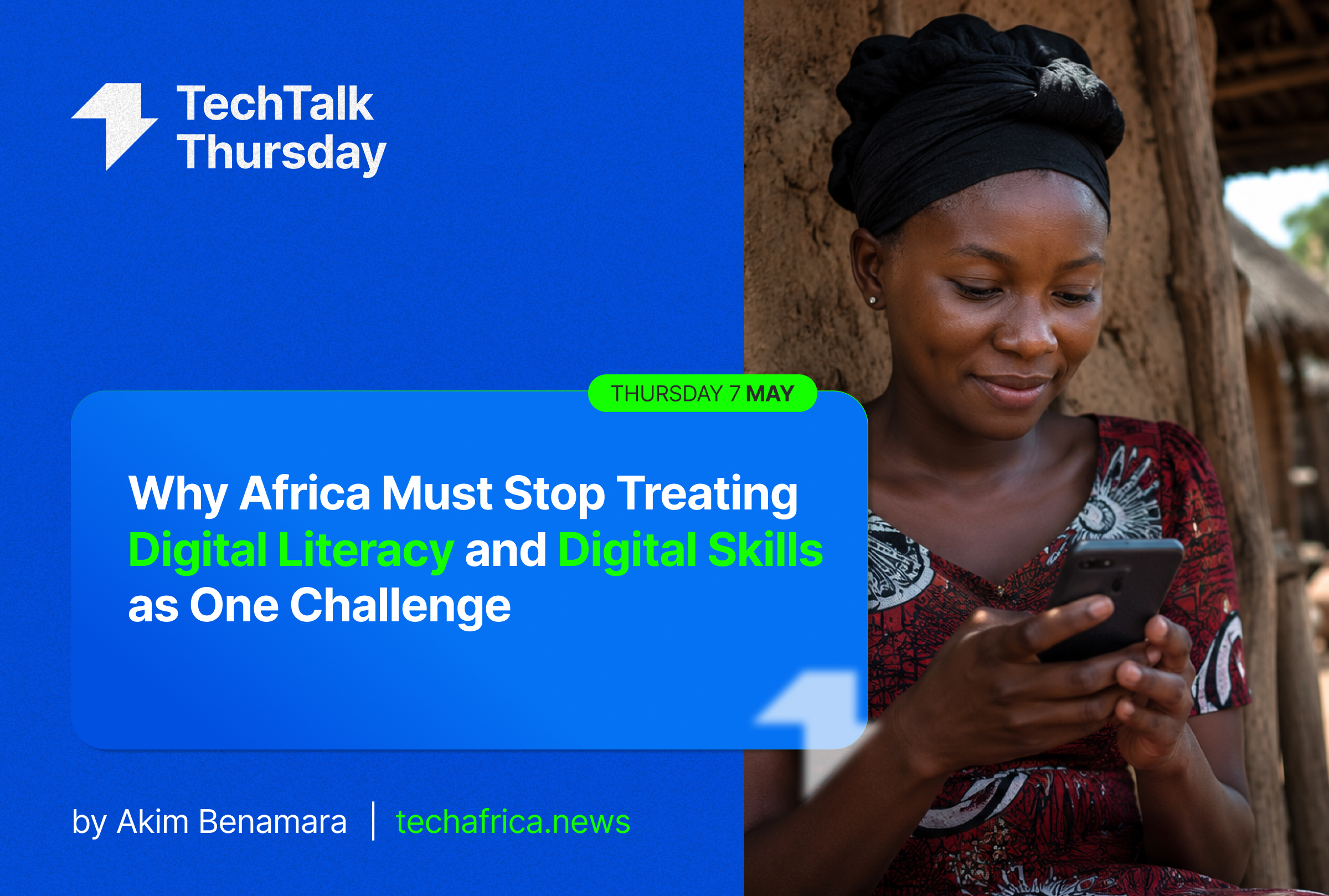
Additionally, some communities create "learning hubs" in churches, youth centers, or local government halls. There, students access digital content after school, often supervised by trained volunteers or older youth. As a parent, you can join local committees that manage these hubs, help maintain devices, and ensure that girls and younger children also get fair access.
3. Radio, TV, and Mobile Blended with Simple Edtech
During and after COVID-19 school closures, many African governments used radio and TV to deliver lessons.[4] In rural areas, these tools remain powerful. Furthermore, teachers now blend them with simple digital tools like SMS quizzes, WhatsApp follow-ups, or printed worksheets that link to audio content.
For example, a rural teacher may ask students to listen to a radio maths lesson at home, then use a shared tablet in class to practice interactive exercises the next day. As a result, students benefit from both broadcast reach and the deeper practice that digital tools enable. Importantly, this model keeps costs low while still building digital confidence.
Key Differences: Rural vs Urban Digital Learning Africa Approaches
Both rural and urban schools want better outcomes, but they apply digital learning Africa tools in different ways. Understanding those differences helps you choose the right strategy for your community instead of copying an unsuitable model from elsewhere.
| Context | Urban Schools | Rural Schools |
|---|---|---|
| Connectivity | More stable, higher bandwidth in many areas | Patchy, often low bandwidth or offline |
| Devices | Higher ratio of smartphones and computers | Few shared devices, more basic phones |
| Edtech Use | Full-featured platforms, video, live sessions | Offline content, radio/TV, SMS, simple apps |
| Partnerships | Closer to tech hubs and startups | Closer to NGOs and community organizations |
Therefore, urban schools often push the edge of technology, testing advanced features like live online classes or adaptive learning. Rural schools, on the other hand, focus on reliability, cost, and offline access. Both are valid. The goal is not to make rural schools copy cities, but to ensure every learner gets meaningful access to quality digital learning.
What Is Actually Improving Learning Outcomes?
Not every gadget or app improves learning. However, research and field stories across Africa point to a few practices that consistently close gaps when implemented well. As an educator, parent, or policymaker, you can focus your energy on these proven drivers.
1. Teacher Training and Ongoing Support
Technology only works when teachers feel confident using it. Global best practice shows that regular, practical professional development is key to effective digital learning.[2] In Africa, many successful programs combine initial training with coaching, peer learning groups, and simple guides in local languages.
Moreover, when teachers help design lessons and choose tools, they are more likely to use them daily. Consequently, smart programs invest as much in teacher support as in hardware. If you manage a school budget, shift part of your tech spending from devices toward training and mentoring.
2. Local Language and Curriculum Alignment
Students learn better when content matches their language and curriculum. African edtech platforms that align with local exam standards and use familiar examples see higher engagement. Furthermore, tools that support bilingual content help bridge home languages and official languages of instruction.
In both rural and urban schools, this alignment reduces confusion and helps teachers blend digital resources with existing schemes of work. As a result, digital lessons reinforce, rather than compete with, what teachers do in class. When you choose tools, always ask: Does this match our curriculum and our learners' language reality?
3. Short, Interactive Activities Over Long Lectures
In many successful African digital classrooms, lessons break into short, interactive activities. For instance, a ten-minute video, a quick quiz, a group discussion, and a creative project. Additionally, students often work in small teams around one device, which encourages collaboration and peer teaching.
Research on e-learning shows that interaction and timely feedback help keep students motivated and reduce drop-out.[3] Similarly, African teachers report that when students can see instant quiz results or play simple learning games, they stay more engaged than during long chalk-and-talk lectures.
Spotlight: Positive African Innovation in Digital Learning
Beyond schools, Africa's wider innovation scene plays a huge role in shaping digital learning Africa. Tech startups, content creators, and even celebrities are stepping into education with fresh ideas, relatable content, and strong community reach.
Edtech Startups Driving Change
Across the continent, African edtech startups are building tools tailored to local realities. For example, platforms highlighted by UNESCO, like GlobeDock Academy, show how AI and offline design can support underserved learners.[1] Meanwhile, other startups focus on adaptive quizzes, language learning, or vocational training designed for mobile.
Additionally, many of these companies partner with schools, governments, and NGOs to reach rural learners, not just city elites. As a policymaker, you can create friendly rules and funding windows that help these startups test and scale their solutions.
Influencer Culture and Learning Content
African content creators are also turning their platforms into learning spaces. Furthermore, you now see YouTubers and TikTok creators break down science, history, or coding in fun, short videos. They use slang, humor, and local examples that resonate with young viewers.
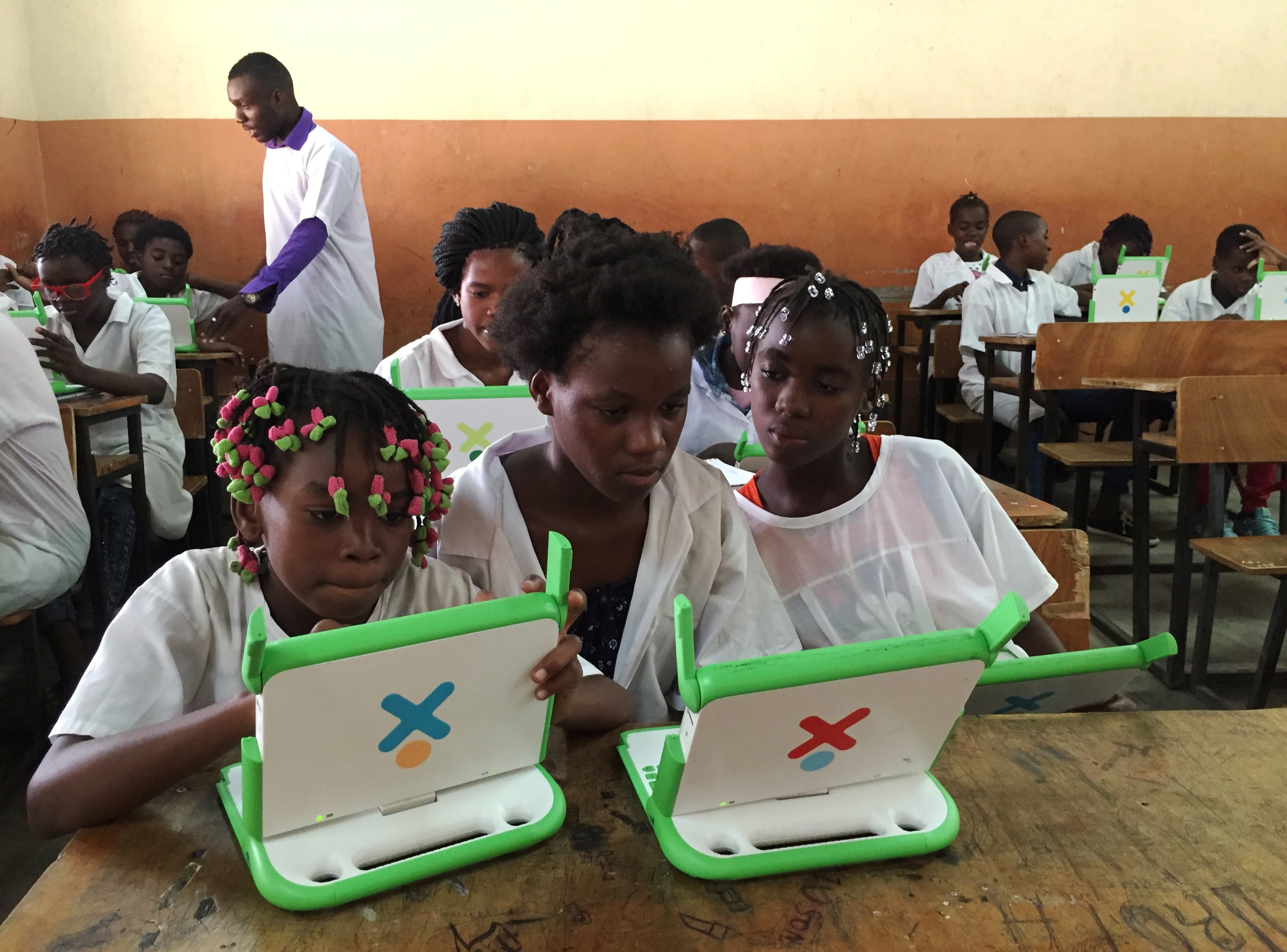
For instance, education-focused creators often simplify complex topics like basic finance or digital safety for African teens. As a parent or teacher, you can curate trusted creators for your learners and build class activities around their content. Consequently, you link school learning with the digital spaces where your students already spend time.
African Celebrities Supporting Digital Education
Several African celebrities support digital skills and education initiatives across the continent. Furthermore, they use their visibility to highlight coding bootcamps, scholarship programs, and device donation campaigns. When stars amplify these projects, rural and urban schools alike gain extra attention and sometimes extra funding.
As a school leader, you can reach out to local influencers or regional celebrities who care about youth empowerment. Even a single visit, shout-out, or online challenge can boost student motivation and community support for digital learning projects.
Action Plan: How You Can Strengthen Digital Learning in Your Context
Now that you have a clear picture of what is working, you can start shaping your own action plan. Whether you are a parent, teacher, or policymaker, you can move the needle with focused, realistic steps.
For Educators and School Leaders
- Start small and focused. Pick one subject or grade to pilot a digital tool, then refine.
- Invest in teacher training. Schedule regular practice sessions where teachers test tools together.
- Choose offline-friendly tools. Prioritize platforms that work with low bandwidth or local servers.
- Engage parents. Use SMS or WhatsApp to share tips, links, and simple digital activities.
Moreover, you can connect with national or regional initiatives that provide free or open digital content, such as those listed by UNESCO. Explore more best practices by staying tuned to education and innovation stories on Technology and Africa News at Topping Africa.
For Parents and Guardians
- Turn phones into learning tools. Install a few trusted apps and bookmark low-data learning sites.
- Set simple routines. Encourage 20–30 minutes of digital learning a few days per week.
- Co-learn with your child. Watch short lessons together, then ask them to explain what they learned.
- Advocate at school. Ask how the school uses technology and how you can support.
Additionally, you can read more about youth and education trends on Topping Africa's Culture & Lifestyle and Business & Economy sections. Share your thoughts with other parents and suggest useful apps or programs you discover.
For Policymakers and Donors
- Fund connectivity and power smartly. Support community-level internet hubs and reliable power for schools.
- Back offline-first and low-cost models. Prioritize tools proven to work in rural and low-income settings.
- Align with curriculum and language. Ensure funded tools match national standards and local languages.
- Scale what works. Use pilots to test, then expand successful models regionally.
Furthermore, you can draw on policy research from organizations like Afrobarometer and guidance from EdWeb for framing digital skills in long-term planning.[2][4] As you do so, keep in mind the lived realities of both urban and rural learners and involve teachers in every major decision.
Explore More on Topping Africa
Before you design your next digital learning Africa project, take a moment to explore more stories and insights from across the continent. Topping Africa covers the creators, startups, and communities shaping the future of education and innovation.
- Technology – Discover how African startups and schools are using tools to transform learning and work.
- Africa News – Stay updated on national education reforms, funding, and success stories.
- Opinion & Editorial – Read more about bold ideas and debates shaping Africa's digital future.
Ultimately, your voice matters. Share your thoughts, highlight schools or creators doing amazing work, and help others learn from your experience. Explore more stories, leave a comment on related articles, and subscribe to stay ahead of the next wave of African digital learning innovation.
Conclusion: Building the Next Chapter of Digital Learning Africa
Digital learning Africa is no longer just a dream or a buzzword. Across both rural and urban schools, you can now point to real, working models that blend offline content, mobile tools, and local creativity. Moreover, African tech startups, content creators, and educators are leading this shift with solutions built for African realities, not imported assumptions.
As you look ahead, the most important question is how you will support and scale what works in your own context. Will you pilot an offline server in a rural school, partner with a local edtech startup, or bring creators into your classroom? Whatever you choose, remember that every smart step you take today helps close learning gaps and unlock the talent of Africa's next generation.
Now is the time to act. Discover new ideas, read more about digital innovation, and join the community of Africans who are reshaping education from the ground up.

Staff
Contributing writer at Topping Africa.
0 Comments
No comments yet. Be the first to share your thoughts!